Pistachios have captivated palates worldwide with their vibrant green hue, satisfying crunch, and versatile flavor. Beyond their role as a simple snack, these nuts boast a storied past, potent nutritional benefits, and intriguing characteristics that set them apart from other tree nuts. This article delves into the lesser-known aspects of pistachios, revealing why they continue to gain popularity in kitchens, diets, and cultures globally.
The Ancient Legacy of the Pistachio
Pistachios trace their origins back thousands of years, making them one of humanity’s earliest cultivated nuts. Archaeological evidence points to their consumption as far back as 9,000 years ago in regions of the Middle East, where they were foraged from wild trees. These nuts were not just food; they held symbolic value, appearing in ancient texts as gifts of prosperity.
In biblical references, pistachios are noted alongside almonds as premium offerings, underscoring their prestige even in antiquity. Historical accounts from the first century A.D. describe Roman Emperor Vitellius introducing them to Italy, where they quickly became a delicacy. Legends even claim the Queen of Sheba reserved entire harvests for her personal enjoyment, highlighting their royal status.
Today, pistachio cultivation thrives in specific climates, primarily in the Mediterranean, Middle East, and California. The journey to the United States remains shrouded in mystery—likely introduced mid-20th century by an anonymous traveler from the Middle East, possibly via smuggling. Unlike their bush-like counterparts elsewhere, U.S. pistachios grow on trees, sparking debates about early grafting techniques that adapted them to new soils.
Nutritional Powerhouse in a Small Shell
Pistachios punch above their weight in nutrition, offering a balanced profile that supports various health goals. A one-ounce serving—equivalent to about 49 kernels—delivers 6 grams of protein, 3 grams of fiber, and just 160 calories, positioning them as one of the lower-calorie nuts compared to macadamias or pecans.
| Nutrient | Per 1 oz Serving | % Daily Value |
|---|---|---|
| Protein | 6g | 12% |
| Fiber | 3g | 11% |
| Potassium | 290mg | 6% |
| Vitamin B6 | – | Excellent source |
| Copper | – | Excellent source |
Remarkably, pistachios provide protein comparable to an egg, with the same 6 grams per serving. They outshine bananas in potassium content and serve as an excellent source of vitamin B6, copper, and manganese, alongside good amounts of magnesium, thiamin, and phosphorus. Their complete protein status—containing all nine essential amino acids—was a recent discovery by the American Pistachio Growers, confirmed accidentally during routine testing.
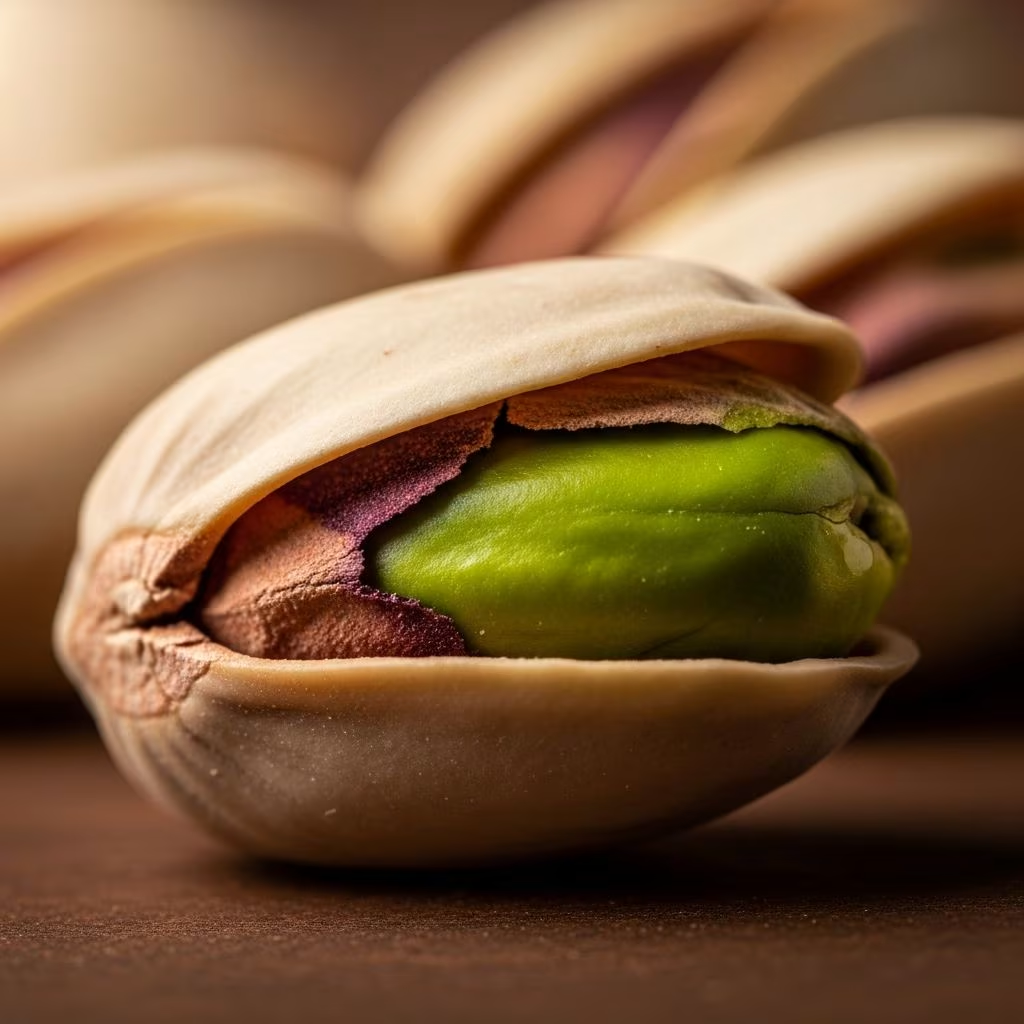
The green and purple pigments aren’t just aesthetic; they stem from antioxidants like lutein and zeaxanthin, which combat oxidative stress. Studies suggest that the body absorbs up to 15% fewer calories from nuts due to incomplete digestion, enhancing their appeal for weight management.
Unique Biology and Cultivation Quirks
Botanically, pistachios belong to the cashew family, sharing distant relations with mangoes and the spice sumac. They develop in clusters on deciduous trees that can live over 300 years, thriving in hot, dry climates with cold winters for dormancy. Each tree yields nuts biennially in heavy crops, a trait known as alternate bearing.
The “Pistachio Principle” explains their snacking advantage: in-shell varieties slow eating, with shells providing a visual tally of consumption. Research shows in-shell eaters consume 41% fewer calories than those with pre-shelled nuts, promoting mindful portion control.
Supply constraints limit widespread processing into butters or milks, unlike almonds. However, emerging research highlights pistachio extract’s antimicrobial potential, hinting at future medicinal applications. In Sicily’s Bronte region, the PDO-certified “green gold” pistachios command premium prices due to high chlorophyll levels yielding intense flavor and color, fueling local products like pestos and gelato.
Cultural Nicknames and Global Appeal
- China’s “Happy Nut”: The split shell mimics a smile, symbolizing joy and good fortune—perfect for New Year gifts.
- Iran’s “Smiling Nut”: Similar grinning appearance earns affectionate cultural monikers.
- Green Almond: A nod to their color and almond-like texture in some cuisines.
Top consumers include Turkey (130,202 tons annually), the U.S. (93,432 tons), and Iran, with Germany and China close behind. Italy favors them in gelato, while Middle Eastern sweets showcase their richness. National Pistachio Day on February 26 celebrates this global love affair.
Versatile Uses in Modern Kitchens
Pistachios elevate dishes from savory to sweet. Grind them into crusts for fish or lamb, blend into creams for desserts, or sprinkle over salads for crunch. Their buttery taste pairs with chocolate, cheese, or fruits.
Health studies link 1.5 ounces daily—within a low-saturated fat diet—to reduced heart disease risk, thanks to healthy fats and fiber. They’re vegan-friendly, gluten-free, and keto-compatible, broadening their dietary fit.
Health Benefits Backed by Science
Beyond basics, pistachios support eye health via antioxidants, aid blood sugar control with low glycemic impact, and promote gut health through prebiotic fiber. Their fats—mostly unsaturated—bolster cardiovascular function, while B6 aids metabolism.
For athletes, the protein-fiber combo sustains energy; for weight watchers, the Pistachio Principle curbs overeating. Antimicrobial extracts show promise against bacteria, per preliminary findings.
FAQs
How many pistachios in a serving?
One ounce equals 49 nuts, providing balanced nutrition without excess calories.
Are pistachios a complete protein?
Yes, roasted American pistachios contain all nine essential amino acids, ideal for plant-based diets.
Why are pistachios green?
Antioxidants like chlorophyll create the hue, especially vivid in premium varieties like Bronte.
Can pistachios help with weight loss?
The in-shell format and partial calorie absorption (up to 15% less) support satiety and moderation.
Where do U.S. pistachios come from?
Primarily California, introduced mysteriously in the mid-20th century, grown on trees unlike bush varieties elsewhere.
Sustainability and Future Trends
Pistachio farming demands water-efficient practices amid climate challenges, with U.S. growers leading in sustainable yields. Demand surges for organic and flavored varieties, while innovations like pistachio protein powders emerge. As awareness grows, these nuts could expand into mainstream alternatives for dairy-free products.
References
- 15 Fascinating Things I Learned at the American Pistachio Growers Conference — A Love Letter to Food. 2020-03. https://alovelettertofood.com/2020/03/interesting-facts-about-pistachios/
- 10 Pistachio Fun Facts in Honor of National Pistachio Day — Heart of the Desert. N/A. https://www.heartofthedesert.com/10-pistachio-fun-facts-in-honor-of-national-pistachio-day/
- 5 Interesting Facts About Pistachio — True Italian. N/A. https://true-italian.com/5-interesting-facts-about-pistachio/
- Fun Facts About the Pistachio — Maisie Jane’s. N/A. https://www.maisiejanes.com/blogs/nuts/fun-facts-about-the-pistachio
- 16 Nutty Facts About Pistachios — Travelin’ Cousins. N/A. https://www.travelincousins.com/the-scoop/category/16-nutty-facts-about-pistachios