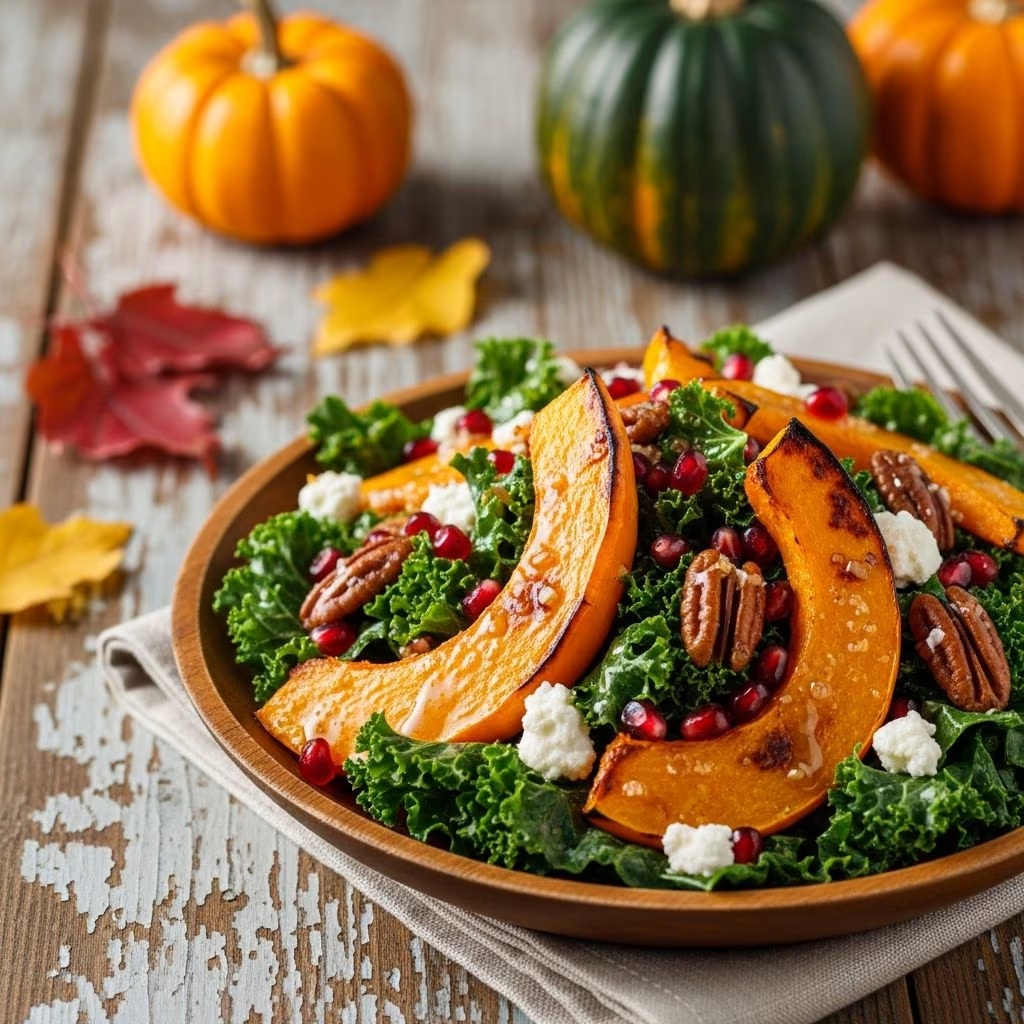
As the cooler months approach, seasonal produce reaches its peak flavor and nutritional value, making it the ideal time to explore warming salad options that bridge the gap between light summer fare and heavier winter meals. A well-constructed salad combining roasted butternut squash with sturdy leafy greens offers both nutritional substance and culinary satisfaction. This guide explores how to build a nutritionally complete dish that transforms humble pantry staples into an elegant presentation suitable for weeknight dinners or entertaining guests.
Understanding the Foundation of Your Bowl
The foundation of any successful composed salad begins with selecting quality ingredients and understanding how each component contributes to the overall eating experience. Rather than simply combining items, thoughtful preparation techniques enhance flavors and create textural contrast that keeps each bite interesting.
Choosing Your Leafy Base
The leafy green component serves as both nutritional anchor and textural foundation. Curly varieties of dark leafy greens work exceptionally well because their structure withstands both the weight of heavier toppings and extended contact with dressing without becoming soggy. These hardy greens contain beneficial compounds including vitamins A, C, and K, plus minerals like calcium and iron that become more bioavailable when consumed with fat-containing dressings and oils.
The preparation method significantly impacts the final dish. Rather than simply tossing raw greens into a bowl, a brief massage technique using salt and a small amount of oil breaks down cell walls, softening the leaves while concentrating flavors. This preliminary treatment also creates a more delicate mouthfeel that contrasts beautifully with the creamy roasted squash.
Preparing the Squash Component
Butternut squash transforms dramatically through roasting, developing a caramelized exterior and creamy interior while its natural sugars intensify. Begin by cutting the squash lengthwise and removing seeds, then peel away the tough skin. Cutting the flesh into uniform one-inch cubes ensures even cooking and creates appropriately sized pieces that integrate seamlessly into a composed salad.
Tossing the cubed squash with a modest amount of oil, salt, and complementary spices like garlic powder sets up the foundation for superior browning during roasting. Roasting at four hundred degrees Fahrenheit for approximately thirty to thirty-five minutes allows the exteriors to caramelize while the interiors remain tender. The timing remains flexible depending on oven characteristics and exact cube size, so testing with a fork for desired tenderness works better than strict timing.
Building Layers of Flavor and Texture
Creating depth of flavor and interest requires thinking beyond simple ingredient combination. Strategic use of complementary components transforms a salad from side dish into a satisfying standalone meal.
Incorporating Whole Grains
A protein-rich grain like quinoa adds substance and nutritional completeness to the salad while contributing a subtle nutty flavor and appealing texture contrast. Cooking quinoa according to package directions and allowing it to cool completely before incorporating prevents the warm grain from wilting the leafy greens. The grain also acts as a buffer, preventing direct contact between wet ingredients and delicate leaves.
Adding Textural Elements
Roasted seeds and nuts provide essential healthy fats, mineral content, and satisfying crunch. Pumpkin seeds offer a slightly nutty character while almonds contribute a more subtle earthiness. These components should be distributed throughout the salad rather than concentrated in one area, ensuring balanced texture in every spoonful.
Incorporating Bright Acidic Notes
Pomegranate arils bring both visual interest and tart-sweet flavor notes that cut through the richness of roasted squash. These jewel-toned additions contribute anthocyanins and other beneficial plant compounds while their juiciness provides contrast to drier ingredients. If pomegranate proves unavailable or impractical, dried cranberries offer similar tartness and visual appeal.
Crafting the Perfect Dressing
The dressing deserves careful consideration as it serves multiple functions: flavoring the leafy greens, adding moisture, and binding all components into a cohesive dish.
Creating Balance in Vinaigrette
A successful vinaigrette achieves equilibrium between acid and oil while incorporating complementary flavors that echo the salad’s primary ingredients. Combining orange juice with apple cider vinegar creates brightness while the natural sweetness of the fruit juice balances the vinegar’s pungency. Dijon mustard functions as both flavor enhancer and emulsifier, helping oil and acid components integrate smoothly.
Honey or maple syrup adds subtle sweetness that mirrors the natural sugars in roasted squash, creating flavor cohesion throughout the dish. The ratio of oil to acid significantly impacts the final texture and mouthfeel—typically three parts oil to one part acid creates an appropriate consistency for dressing composed salads. Salt and freshly ground black pepper allow for personal adjustment and balance.
Assembly and Serving Strategy
Rather than combining all ingredients at once, a staged assembly approach helps maintain distinct textures and prevents premature wilting. Massage the leafy greens with salt and a small amount of plain oil first, allowing them to soften slightly. Combine the cooled roasted squash, cooked grain, seeds, nuts, and acidic elements in a separate bowl, then gently fold these components together. Finally, drizzle the dressing over the entire salad just before serving, using only the amount needed for proper coating and flavor.
Ingredient Selection and Quality Considerations
| Component | Quality Markers | Preparation Notes |
|---|---|---|
| Butternut Squash | Deep tan skin with no soft spots; moderate weight for size | Can substitute pre-cubed frozen squash for convenience |
| Dark Leafy Greens | Vibrant color without yellowing; firm, crisp texture | Wash thoroughly and spin dry to prevent excess water |
| Quinoa | Uniform small pearls; no debris or discoloration | Rinse before cooking to remove bitter saponins |
| Seeds and Nuts | Fragrant aroma; no rancid smells or visible mold | Store in cool, dry conditions to maintain quality |
| Olive Oil | Extra virgin designation; recent production year | Use higher quality oil for dressing rather than cooking |
Nutritional Profile and Health Benefits
This composed salad represents a nutrient-dense option that provides sustained energy and satisfaction. Butternut squash contributes beta-carotene, which the body converts to vitamin A, supporting eye health and immune function. The fiber content aids digestive function and helps maintain steady blood sugar levels. Dark leafy greens provide multiple micronutrients and phytonutrients that support cellular health and reduce inflammation. Seeds and nuts contribute essential fatty acids that support nutrient absorption and cardiovascular health. The whole grain component provides additional fiber and B vitamins that support energy metabolism. Together, these elements create a nutritionally complete meal rather than a simple vegetable side dish.
Practical Preparation Techniques
Managing Prep Time
Most components can be prepared in advance, allowing for flexible weeknight execution. Roasted squash keeps refrigerated for up to three days, and cooked quinoa maintains quality for similar duration. The leafy greens should be washed and dried, then stored in breathable containers to prevent moisture accumulation. Assembling the complete salad just before eating ensures optimal texture and freshness.
Substitution Strategies
The beauty of composed salads lies in their adaptability to available ingredients and personal preferences. If butternut squash proves unavailable, delicata or kabocha squash offer similar flavor profiles and cooking characteristics. Various leafy greens work interchangeably—lacinato kale provides a slightly earthier character than curly varieties while maintaining similar nutritional benefits. Farro or wild rice can replace quinoa while providing distinct flavor contributions. Alternative seeds like sunflower or sesame can substitute for pumpkin seeds, and various tree nuts offer different flavor and texture possibilities.
Temperature Considerations and Serving Methods
While this salad works beautifully served at room temperature, experimenting with warm components creates additional appeal. Serving the roasted squash warm against cooler greens creates interesting temperature contrast and enhances flavor perception. Alternatively, the entire salad can be gently warmed by tossing components together while the squash still retains residual heat from roasting. This approach suits cooler seasons and provides additional comfort while maintaining nutritional integrity.
Frequently Asked Questions
Can I prepare this salad in advance?
Most components store well for up to two days when kept separate. Combine all elements just before serving to maintain optimal texture. The dressing can be prepared several days ahead and stored in an airtight container.
How do I prevent the leafy greens from becoming soggy?
Keep the greens separate from wet ingredients until immediately before serving. The preliminary massage with oil and salt helps them withstand dressing contact better than untreated raw greens.
What can I substitute for pomegranate?
Dried cranberries, fresh apple slices, or even dried cherries provide similar tart-sweet flavor notes and visual interest.
Is this salad suitable for meal prep?
Yes, but store components separately in compartmentalized containers. Assemble just before eating to preserve texture and prevent soggy greens.
How do I adjust the dressing for dietary restrictions?
Substitute maple syrup for honey to create a vegan version. Use mustard-free dressings for those with seed allergies by combining oil and vinegar with herbs and garlic instead.
Culinary Variations and Creative Additions
Building on the basic framework allows for seasonal interpretation and personal expression. Winter preparations might emphasize warming spices like cinnamon or nutmeg in the roasted squash component. Spring variations could incorporate fresh herbs like mint or tarragon into the dressing. Summer renditions might feature lighter oil-based dressings and additional fresh vegetables. Autumn remains the ideal season for this particular combination, as butternut squash reaches peak availability and flavor intensity.
Storage and Make-Ahead Guidance
The modular nature of this salad’s construction makes it ideal for busy schedules. Prepare roasted squash during a weekend cooking session and portion into storage containers. Cook grains in batches and refrigerate in separate containers. Wash and store leafy greens in breathable containers lined with paper towels to absorb excess moisture. This preparation strategy allows quick assembly of complete meals throughout the week while maintaining ingredient quality.
References
- Vitamin and Mineral Content of Cruciferous Vegetables — U.S. Department of Agriculture, Agricultural Research Service. 2024. https://fdc.nal.usda.gov/
- Health Benefits of Seasonal Vegetables: Evidence from Nutritional Research — Harvard School of Public Health. 2024. https://www.hsph.harvard.edu/nutritionsource/vegetables/