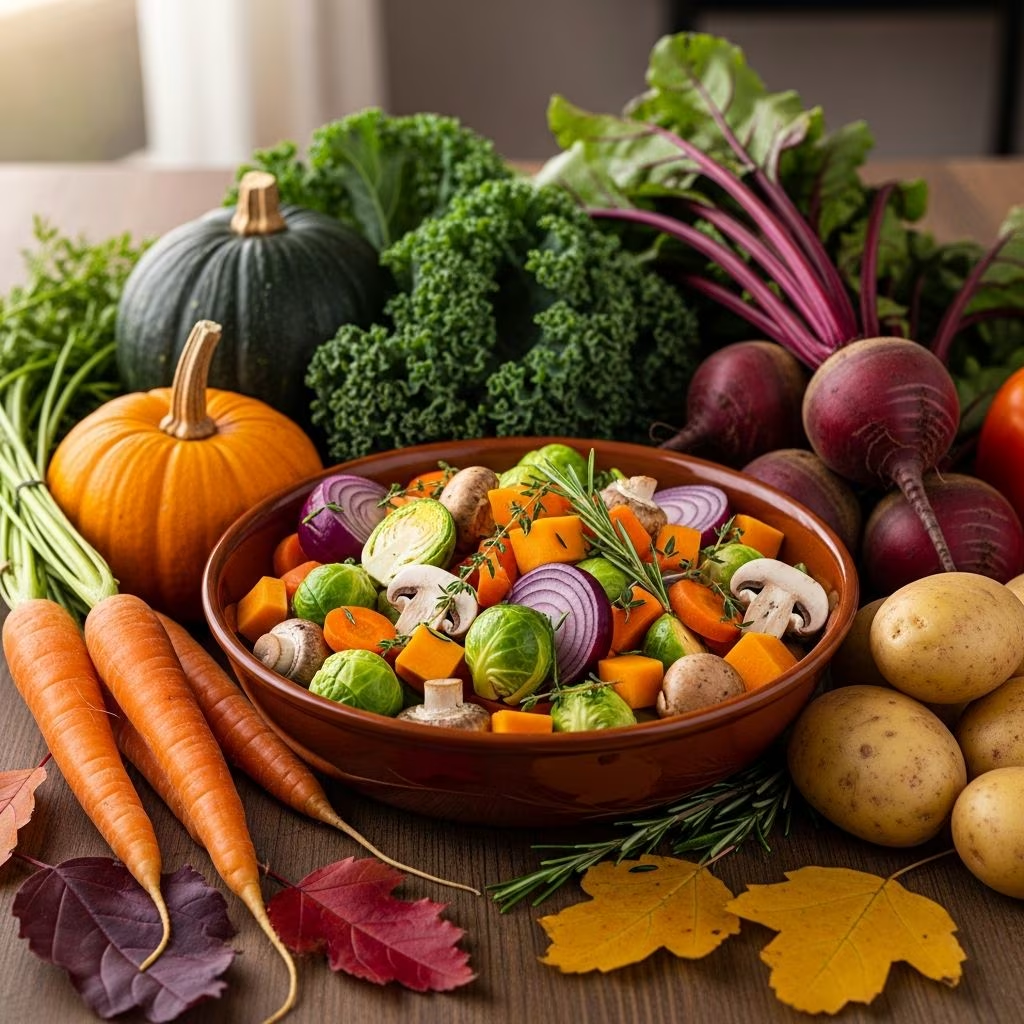
When the cooler months approach, many home cooks search for side dishes that showcase the season’s best offerings. One particularly versatile and elegant preparation method involves roasting a combination of autumn vegetables with complementary flavors and textures. This approach transforms simple ingredients into a dish that balances sweetness, earthiness, and subtle warmth through thoughtful seasoning choices.
Understanding Your Core Ingredients
The foundation of this dish rests on selecting quality produce that responds well to roasting. Each component contributes distinct characteristics to the final composition. The primary vegetables serve as the structural base, while secondary components add complexity and visual appeal.
Brussels Sprouts: The Crispy Foundation
These compact cruciferous vegetables offer remarkable versatility when roasted at high temperatures. The leaves crisp and brown while the interior becomes tender, creating textural contrast that defines the dish. Select sprouts of similar size to ensure even cooking throughout the roasting process. Trimming the stem ends and removing any yellowed or damaged outer leaves prepares them for optimal caramelization. Halving the sprouts exposes a larger surface area, which promotes browning and develops deeper, more complex flavors through the Maillard reaction.
Butternut Squash: Sweet and Creamy
This winter squash variety provides natural sweetness and a buttery texture when properly cooked. Its mild flavor profile complements both savory and sweet seasoning approaches. Cutting the squash into uniform half-inch cubes ensures consistent cooking times across all pieces. The uniform size prevents some pieces from becoming mushy while others remain undercooked. Fresh butternut squash delivers superior results compared to pre-cut varieties, as the flesh maintains its structure and flavor intensity better throughout roasting.
Supporting Cast: Pecans and Cranberries
Pecans contribute richness, crunch, and a subtle earthiness that grounds the sweeter elements of the dish. Their natural oils become more pronounced during toasting, intensifying their nutty character. Dried cranberries provide bursts of tartness and visual dimension, preventing the overall composition from becoming excessively sweet. Their chewy texture contrasts pleasantly with the roasted vegetables and toasted nuts.
Preparation Techniques and Timing
Preparing Your Ingredients
Proper preparation significantly impacts the final result. For Brussels sprouts, begin by rinsing and thoroughly drying them—moisture inhibits browning and promotes steaming rather than roasting. Cut each sprout in half lengthwise, creating a flat surface that will make direct contact with the hot baking sheet. This maximizes the development of golden, caramelized edges.
When preparing butternut squash, use a sharp vegetable peeler or knife to remove the tough exterior skin. Cut the squash in half lengthwise and scoop out seeds and stringy flesh using a sturdy spoon. Dice the remaining flesh into consistent pieces, aiming for approximately half-inch cubes. Uniformity matters considerably—larger pieces may not cook through properly, while smaller ones risk becoming dried out.
Seasoning Strategy
The interplay between savory and sweet flavors defines this dish’s character. Ground cinnamon bridges these flavor profiles, adding warmth without overwhelming other components. A modest quantity—approximately one-half teaspoon—suffices for a full batch. Maple syrup provides concentrated sweetness and subtle complexity that pure sugar cannot achieve.
Salt enhances all flavors present and should be distributed evenly across both the vegetables and nuts. Begin with approximately three-quarters teaspoon for a standard batch, tasting and adjusting as needed during assembly. Freshly ground black pepper adds subtle heat and prevents the flavor profile from becoming one-dimensional.
The Roasting Process: Temperature and Timing
Oven Preparation and Temperature Selection
An oven temperature of 400 degrees Fahrenheit provides the ideal balance between caramelization and complete cooking. At this temperature, vegetable exteriors brown within 20-30 minutes while interiors become tender without drying out. Preheating the oven thoroughly ensures consistent results—place baking sheets in the oven while preheating to allow them to reach optimal temperature before adding vegetables.
Roasting Your Vegetables
Arrange prepared Brussels sprouts and butternut squash on foil-lined baking sheets, placing the sprouts cut-side down. This positioning maximizes contact between the vegetable surface and the hot sheet, promoting even browning. Drizzle with olive oil and seasonings, tossing gently to ensure complete coating. A single layer prevents crowding, which would trap steam and prevent proper caramelization.
Roast for approximately 20-30 minutes, stirring halfway through cooking to encourage even browning on all sides. The vegetables should be fork-tender with golden-brown caramelized edges. This visual indicator signals proper doneness more reliably than timing alone, as oven variations affect cooking speed.
Final Toasting Steps
Adding pecans and cranberries only during the final 5-6 minutes prevents them from burning. Pecans, in particular, contain oils that can turn bitter if overtoasted. The brief exposure to heat activates their flavor while maintaining their textural integrity. Cranberries may begin to split slightly as they warm, concentrating their flavors and releasing juices that coat surrounding ingredients.
Assembly and Flavor Integration
Once all components finish roasting, transfer them to a large mixing bowl while still warm. This temperature allows flavors to meld more effectively than room-temperature assembly. Toss all ingredients together gently to distribute pecans and cranberries evenly throughout.
For those preferring increased sweetness, additional maple syrup can be drizzled over the mixture. Rather than adding all sweetener at once, begin with two tablespoons, then taste and add more incrementally if desired. This conservative approach prevents oversweetening, which can mask the vegetable flavors.
Customization and Dietary Considerations
Nut-Free Variations
Individuals with nut allergies can substitute sunflower seeds or pumpkin seeds for pecans, providing similar textural contrast and a satisfying crunch. Toasting these seeds separately using the same technique produces comparable results.
Oil-Free Modifications
For those avoiding added oils, aquafaba—the liquid from canned chickpeas—can replace olive oil in equal proportions. This creates a lighter version while still promoting browning through the vegetable’s own moisture content.
Flavor Profile Adjustments
Orange zest or fresh orange juice introduces bright acidity that complements the warm spices beautifully. Substitute half the maple syrup quantity with orange juice to create this variation. Fresh thyme or sage adds herbaceous notes that enhance the earthy vegetable flavors.
Serving Suggestions and Storage
Hot Presentation
Serve this medley warm immediately after assembly as an elegant side dish for fall entertaining. The roasted vegetables pair beautifully with roasted poultry, grains, or hearty legumes. Transfer to a serving platter and garnish with fresh herbs such as parsley or sage for visual appeal.
Cold Salad Preparation
Allow the mixture to cool completely before storing for serving as a composed salad in subsequent days. The flavors actually deepen and integrate more thoroughly during refrigeration. Bring to room temperature before serving to restore the vegetables’ most appealing texture and allow flavors to express themselves fully.
Storage Guidelines
Refrigerate leftovers in an airtight container for up to four days. The components maintain separate identities better than mixed salads, allowing for flexible portioning. Reheat gently in a low oven rather than using direct heat methods, which can dry out the vegetables.
Nutritional Considerations
This vegetable-forward preparation provides substantial nutritional benefits. Brussels sprouts contain vitamin C, vitamin K, and fiber, supporting digestive and immune health. Butternut squash delivers beta-carotene and other carotenoid compounds associated with eye health. Pecans contribute healthy unsaturated fats and minerals including copper and manganese.
Frequently Asked Questions
Can I prepare vegetables in advance?
Yes, you can trim and cut vegetables several hours ahead, storing them in airtight containers in the refrigerator. However, cutting butternut squash significantly in advance may cause some oxidation and browning of the cut surfaces. Perform this step no more than four hours before roasting.
What if my Brussels sprouts aren’t browning evenly?
Ensure they’re properly dried before roasting—excess moisture prevents browning. Verify that the oven has fully preheated, and avoid crowding the baking sheet. Shake or stir the sheet occasionally during cooking to facilitate even heat exposure.
Can this dish be prepared in an air fryer?
Yes, air fryers work exceptionally well for this preparation, reducing cooking time to approximately 25-30 minutes at 400 degrees Fahrenheit. Add the pecans and cranberries in the final 4-5 minutes to prevent burning. Shake the basket occasionally to ensure even cooking.
How do I know when the squash is properly cooked?
Pierce a piece with a fork or knife point—it should slide through with minimal resistance. The exterior should display golden-brown coloring with some caramelized edges.
What type of maple syrup should I use?
Pure maple syrup (grades include light amber, medium amber, and dark amber) works best. Darker grades impart more pronounced maple flavor, while lighter grades offer subtler sweetness. Avoid commercial pancake syrups, which contain additives and lack the complexity of pure maple syrup.
Conclusion: Mastering Seasonal Cooking
This straightforward yet elegant preparation demonstrates how simple ingredients transform through proper technique and thoughtful seasoning. The combination of roasted vegetables, warm spices, and complementary textures creates a dish worthy of special occasions while remaining accessible for everyday entertaining. By understanding how each component contributes to the whole and following proper preparation and cooking methods, home cooks can reliably produce restaurant-quality results that celebrate autumn’s abundance.
References
- Cruciferous Vegetables and Cancer Prevention — National Cancer Institute, National Institutes of Health. 2022-05-12. https://www.cancer.gov/about-cancer/causes-prevention/diet-physical-activity/diet/cruciferous-vegetables-fact-sheet
- Nutrition and Food Science: Understanding the Maillard Reaction in Roasting — U.S. Department of Agriculture. 2023-03-08. https://www.usda.gov
- Optimizing Vegetable Roasting for Caramelization — Food Science Institute, Cornell University. 2024-01-15. https://www.cornell.edu