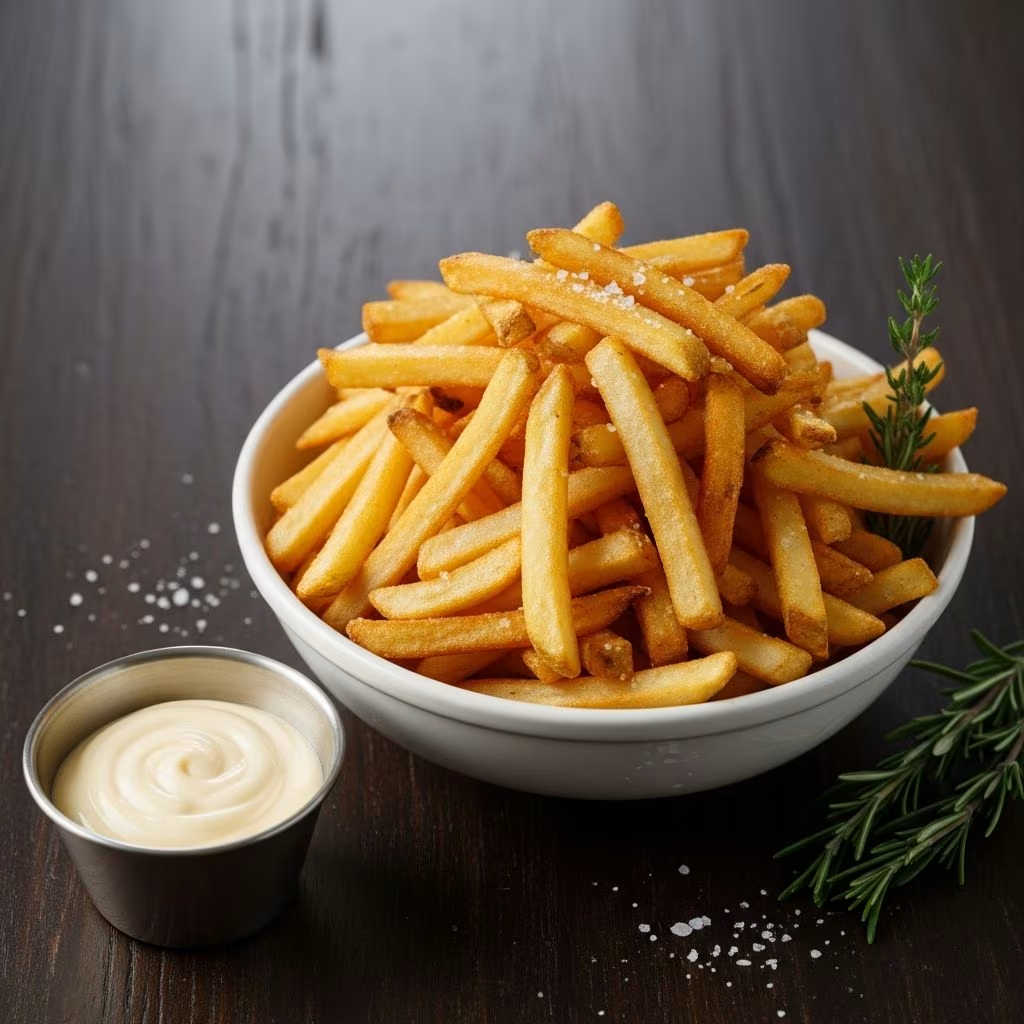
Creating perfectly crispy french fries at home requires more than simply slicing potatoes and plunging them into hot oil. The distinction between mediocre fries and exceptional ones lies in understanding the fundamental techniques that professional chefs employ in their kitchens. This comprehensive guide explores the methods, materials, and practices that transform ordinary potatoes into golden, delectable fries with an irresistibly crispy exterior and a tender, fluffy interior.
Understanding the Double-Frying Foundation
The cornerstone of achieving superior french fries is recognizing that proper frying involves not one, but two distinct cooking stages. This methodical approach, known as the double-frying or blanching technique, fundamentally differs from the single-frying approach many home cooks attempt. During the initial frying phase, potatoes are cooked at a lower temperature, which gently softens the potato’s structure and begins the cooking process without creating the desired exterior crispness. This first stage prepares the potato’s starchy surface, setting the foundation for the dramatic transformation that occurs during the second frying.
The second frying stage is where the magic happens. At a higher temperature, the exterior of the partially cooked fries suddenly transforms, developing the characteristic golden-brown color and satisfying crunch that defines restaurant-quality fries. The contrast between these two cooking temperatures is essential—without the preparatory first fry, the exterior would brown too quickly while the interior remained undercooked and dense.
Selecting the Right Potatoes
Not all potatoes are created equal when it comes to frying. The starch and moisture content of different potato varieties dramatically affects the final texture and flavor of your finished product. Russet potatoes, particularly the Russet Burbank variety, are widely considered the gold standard for french fries due to their optimal ratio of starch to moisture content. These potatoes develop a naturally fluffy interior while their exterior crisps beautifully when subjected to the double-frying method.
Kennebec potatoes represent an excellent alternative, especially if you have access to them from reputable sources such as Maine. This variety possesses similar characteristics to Russets, offering the perfect balance of starch and water necessary for achieving the ideal texture. Red potato varieties can also work acceptably, though they tend to have slightly different moisture profiles. When shopping for potatoes, select specimens that are firm, unblemished, and free from soft spots or sprouting, as these indicators suggest compromised quality and potential storage issues.
Preparation Techniques That Matter
Proper preparation begins before the potatoes ever touch hot oil. Start by thoroughly washing your potatoes under cool running water to remove any residual soil or contaminants. You have the option to peel the potatoes entirely or simply scrub them if you prefer leaving the nutritious skin intact.
The cutting process requires attention to consistency. Slice each potato lengthwise into halves, then cut each half into uniform 1/4 to 3/8-inch strips. Subsequently, turn these strips and slice them into sticks of the same dimensions. Uniformity in size is crucial because unevenly sized fries will cook at different rates, resulting in some being overdone while others remain undercooked.
After cutting, rinse your potato sticks thoroughly in cold water multiple times, changing the water between rinses. This washing step removes surface starch that would otherwise interfere with achieving the desired crispy texture. Some culinary experts recommend soaking cut potatoes in room-temperature water for extended periods—ideally overnight—to plump up the cellular structure and improve texture. However, avoid using ice water or refrigerating during this soaking process, as cold temperatures convert starch back into sugars, which causes the finished fries to develop a darkened, unappetizing exterior.
Before frying, ensure your potato sticks are completely dried. Moisture on the surface of potatoes creates a dangerous reaction when they contact hot oil and simultaneously affects the exterior’s ability to crisp properly. Pat the fries thoroughly with clean kitchen towels or paper towels immediately before cooking.
Oil Selection and Temperature Management
The type of oil you use significantly influences both the frying process and the final flavor profile of your homemade fries. Canola oil represents an excellent choice for home frying due to its high smoke point—approximately 450°F—combined with its neutral flavor that doesn’t overpower the potato’s natural taste. This oil is also relatively economical, making it practical for regular use. Vegetable oil and shortening can serve as acceptable alternatives, though they may impart slightly different flavor characteristics.
Temperature control during frying cannot be overstated. For the initial blanching stage, heat your oil to between 300 and 350 degrees Fahrenheit. This lower temperature should be maintained for approximately five to ten minutes, depending on your elevation and the thickness of your cut fries. The frying time varies by altitude; at sea level, expect approximately eight to ten minutes, while higher elevations may require adjustment—generally decreasing temperature by approximately three degrees Fahrenheit for every thousand feet of elevation increase.
For the second frying stage, increase your oil temperature to between 360 and 375 degrees Fahrenheit. This higher temperature crisps the exterior quickly while the already-cooked interior remains tender. The second frying typically requires only one to two minutes. Monitoring your oil temperature with an accurate thermometer is essential; without precise temperature control, you cannot achieve the desired balance between crispy exterior and fluffy interior.
The Two-Stage Frying Process Explained
First Fry (Blanching Stage):
- Heat oil to 300-350°F (or 275°F according to some professional methods)
- Carefully add your prepared, dried potato sticks to the hot oil
- Set a timer for 5-10 minutes, depending on elevation and fry thickness
- The potatoes should become cooked through but remain limp and pale
- Remove the fry basket and allow the fries to rest for 1-2 minutes while the oil reheats
- Taste test one fry to confirm the raw potato taste is absent and the interior is soft
Second Fry (Crisping Stage):
- Ensure oil has returned to 360-375°F
- Carefully return the blanched fries to the hot oil
- Fry for 1-2 minutes, monitoring color development closely
- Watch for golden-brown coloring and listen for decreased bubbling, indicating moisture release has diminished
- Remove fries when they achieve your desired level of crispness
- Drain briefly on paper towels to remove excess oil
- Season immediately with salt while still hot
Common Mistakes to Avoid
Many home cooks sabotage their frying efforts through preventable errors. Overcrowding the frying basket is a frequent mistake that dramatically lowers oil temperature and prevents proper frying. Work in batches to maintain consistent temperature. Never use frozen potatoes or those stored in refrigerated conditions immediately before frying; allow them to reach room temperature first. Additionally, avoid using wet fries, as water and hot oil create dangerous splattering and interfere with the crisping process. Finally, resist the urge to skip the resting period between frying stages; this brief pause allows the oil temperature to stabilize and ensures the second fry occurs at the correct temperature.
Achieving Professional Results
Restaurant-quality fries aren’t achieved through luck or magic—they result from understanding and executing proper technique. The double-frying method produces fries with a textural combination that single-frying cannot replicate: an exterior that crackles when bitten, giving way to an interior that is light, fluffy, and tender. Professional cooks recognize that this textural contrast is what makes exceptional fries memorable.
Pay attention to subtle indicators during the frying process. The bubbling sound changes as moisture exits the fries; bubbles become smaller and less vigorous as cooking progresses, signaling that the interior moisture has been largely expelled. The color develops gradually from pale to light golden to deeper golden-brown. Remove your fries when they achieve a medium to deep golden color, as they will continue cooking slightly after removal from the oil.
Serving and Storage Considerations
Freshly fried potatoes are at their peak quality within minutes of cooking. Serve them immediately while still hot and crispy, accompanied by your preferred condiments. If you’re preparing fries for multiple people and need to fry in batches, maintain a warm oven at 200°F where finished batches can rest without becoming soggy. This allows all portions to arrive at the table approximately the same temperature while preserving their crispy texture.
Leftover fries are best consumed the same day they are made. While you can refrigerate cooled fries for later reheating, they never quite recover their original crispness. If you do reheat them, use an oven or toaster oven rather than a microwave, which tends to create a soggy texture.
Customization and Variations
Once you’ve mastered the basic technique, numerous variations become possible. Experiment with different seasonings beyond standard salt—consider garlic powder, paprika, or herbs. Some cooks finish their fries with grated cheese, truffle oil, or specialty vinegars for elevated versions. The fundamental double-frying technique remains constant; variations primarily involve what you add after cooking.
Frequently Asked Questions
Why do my homemade fries never get as crispy as restaurant fries?
Restaurant fries achieve superior crispness through several factors: they use industrial-scale equipment that maintains precise temperature control, they employ fresh, high-quality potatoes, and they use the double-frying technique consistently. Most importantly, home cooks often skip or rush the blanching stage, eliminating the foundation for proper crisping.
Can I use a different oil for frying?
Yes, though results vary. Canola oil, vegetable oil, and peanut oil all work well due to their high smoke points. Beef fat produces excellent flavor but requires more specialized sourcing. Avoid olive oil and butter, which have lower smoke points and impart flavors that may not suit french fries.
What elevation adjustments are necessary?
Higher elevations require lower frying temperatures. The general rule is to decrease temperature by approximately three degrees Fahrenheit for every thousand feet of elevation above sea level. This adjustment compensates for the lower atmospheric pressure that affects oil behavior and cooking times.
How long can I store cut potatoes before frying?
Cut potatoes can be soaked in room-temperature water for up to overnight, which actually improves texture. However, avoid refrigerating during this period, as cold temperatures convert beneficial starch to sugars, resulting in darkened fries. If you must store cut potatoes longer, keep them in a cool pantry with water coverage.
Why does oil splatter when I add potatoes?
Oil splatters because moisture on the potato surface rapidly vaporizes when it contacts hot oil. Always ensure your potatoes are completely dried before frying. Additionally, add potatoes gradually rather than all at once, and use a long-handled spider or slotted spoon to lower them carefully into the oil.
References
- John’s Perfect French Fries — Brenalou Bakes. Accessed April 2026. https://www.brenaloubakes.com/recipes/french-fries
- French Fries – So Nice Because You Cook Them Twice — Food Wishes. July 2009. https://foodwishes.blogspot.com/2009/07/french-fries-so-nice-because-you-cook.html
- How to Make Crispy French Fries — YouTube. Food Wishes. Accessed April 2026. https://www.youtube.com/watch?v=1sffYOXq4Iw