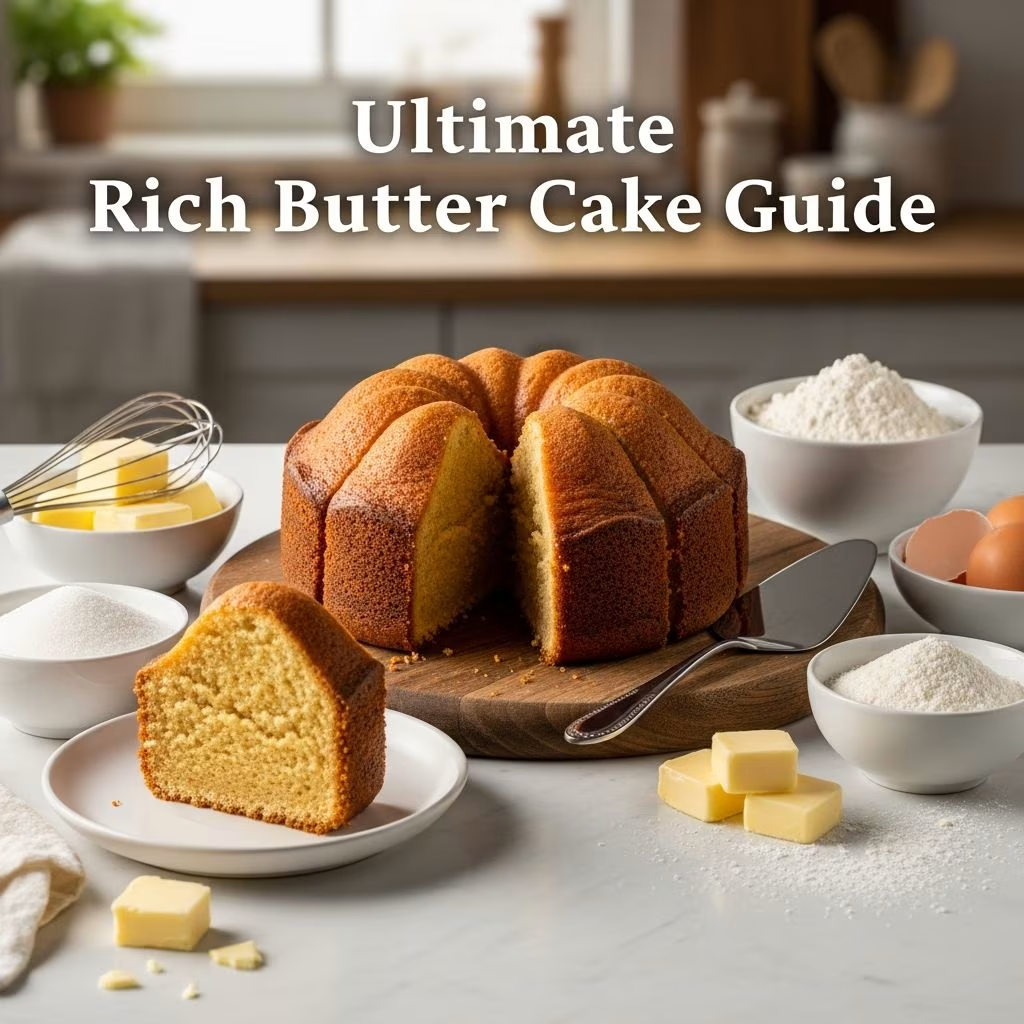
Indulge in the timeless pleasure of a **rich butter cake**, where the pure essence of high-quality butter shines through every bite. This dessert stands out for its dense yet tender texture, achieved through precise ingredient ratios and a signature soaking technique that infuses it with extra moisture and flavor. Unlike lighter sponges, this cake celebrates simplicity, relying on butter, sugar, and eggs to deliver unparalleled richness.
Why Butter Cakes Remain a Baking Staple
Butter cakes have endured as favorites in home kitchens worldwide due to their versatility and comforting appeal. Their origins trace back to early American baking traditions, where bakers emphasized the natural flavors of pantry staples. What sets them apart is the creaming method, which incorporates air into the batter for a fine crumb structure. This technique ensures the cake remains soft without collapsing, making it ideal for layer cakes, Bundt shapes, or simple sheet pans.
The magic lies in balance: too much flour leads to toughness, while insufficient fat results in dryness. Modern recipes refine these proportions, often incorporating a post-bake syrup to mimic the gooey indulgence of classic versions. Bakers appreciate how this cake adapts to flavors like vanilla, citrus, or even chocolate, yet excels in its purest form.
Essential Ingredients for Perfection
Gathering the right components is crucial for success. Focus on quality, as this cake’s flavor profile hinges on them.
- Unsalted butter: Use room-temperature blocks for optimal creaming. European-style varieties offer higher fat content for superior taste.
- Granulated sugar: Fine crystals dissolve evenly, promoting a smooth batter.
- Eggs: Fresh, large eggs at room temperature bind the mixture and add lift.
- All-purpose flour: Sifted to prevent density; measure by weight for accuracy (about 360 grams for a standard batch).
- Leavening agents: Baking powder and soda create gentle rise without altering flavor.
- Whole milk: Provides moisture; buttermilk can substitute for tang.
- Salt and vanilla: Enhance depth without overpowering.
For the signature **butter soak**, prepare equal parts melted butter, sugar, and milk, heated until dissolved. This simple syrup elevates the cake from good to unforgettable.
Step-by-Step Baking Instructions
Preheat your oven to 325°F (165°C) for even baking. This lower temperature prevents cracking while allowing flavors to develop fully.
- Prepare the pan: Select a 10-cup Bundt, 9×13-inch sheet, or two 8-inch rounds. Brush generously with melted butter, then dust with flour, tapping out excess. This non-stick method outperforms sprays for rich batters.
- Mix dry ingredients: Whisk 3 cups flour, 3/4 teaspoon baking powder, 1/2 teaspoon baking soda, and 1 teaspoon salt. Precision here avoids a heavy texture.
- Cream wet base: In a stand mixer with paddle attachment, beat 2 cups softened butter and 2 cups sugar on medium for 5 minutes until pale and fluffy. Scrape sides frequently.
- Incorporate eggs: Add 5 eggs one at a time, beating well after each. Include 2 teaspoons vanilla extract for aroma.
- Combine batters: Alternate adding dry mix and 1 cup milk in thirds, starting and ending with flour. Mix on low to prevent overworking, which toughens gluten.
- Bake: Pour into pan and bake 50-60 minutes for Bundt, 30-35 for sheets. Test with a toothpick; slight moistness is ideal due to the soak.
- Apply soak: While warm, poke holes with a skewer. Slowly pour prepared butter syrup (1 cup butter, 1 cup sugar, 3/4 cup water, boiled then cooled with 1 teaspoon vanilla) over the top. Let absorb fully before unmolding.
Cool completely on a wire rack. The result: a cake that’s buttery, moist, and structurally sound for stacking or slicing.
Pro Tips for Flawless Results
Elevate your bake with these techniques drawn from expert practices.
- Invest in a kitchen scale for flour; spooning and leveling yields inconsistent volumes.
- Room-temperature ingredients emulsify better, preventing curdling.
- Avoid opening the oven door early to maintain heat stability.
- For high-altitude baking, reduce baking powder by 1/4 teaspoon and increase milk slightly.
- Chill the soak before pouring to control absorption rate.
| Common Issue | Solution |
|---|---|
| Dense texture | Overmeasured flour or undercreamed butter |
| Sunken center | Oven too hot or underbaked |
| Sticking pan | Insufficient greasing; use shortening for Bundts |
| Dry crumb | Skip the soak or bake too long |
Creative Flavor Variations
While classic is divine, experiment responsibly to maintain the cake’s integrity.
- Lemon Butter Cake: Zest two lemons into the batter and add 2 tablespoons juice to the soak for bright contrast.
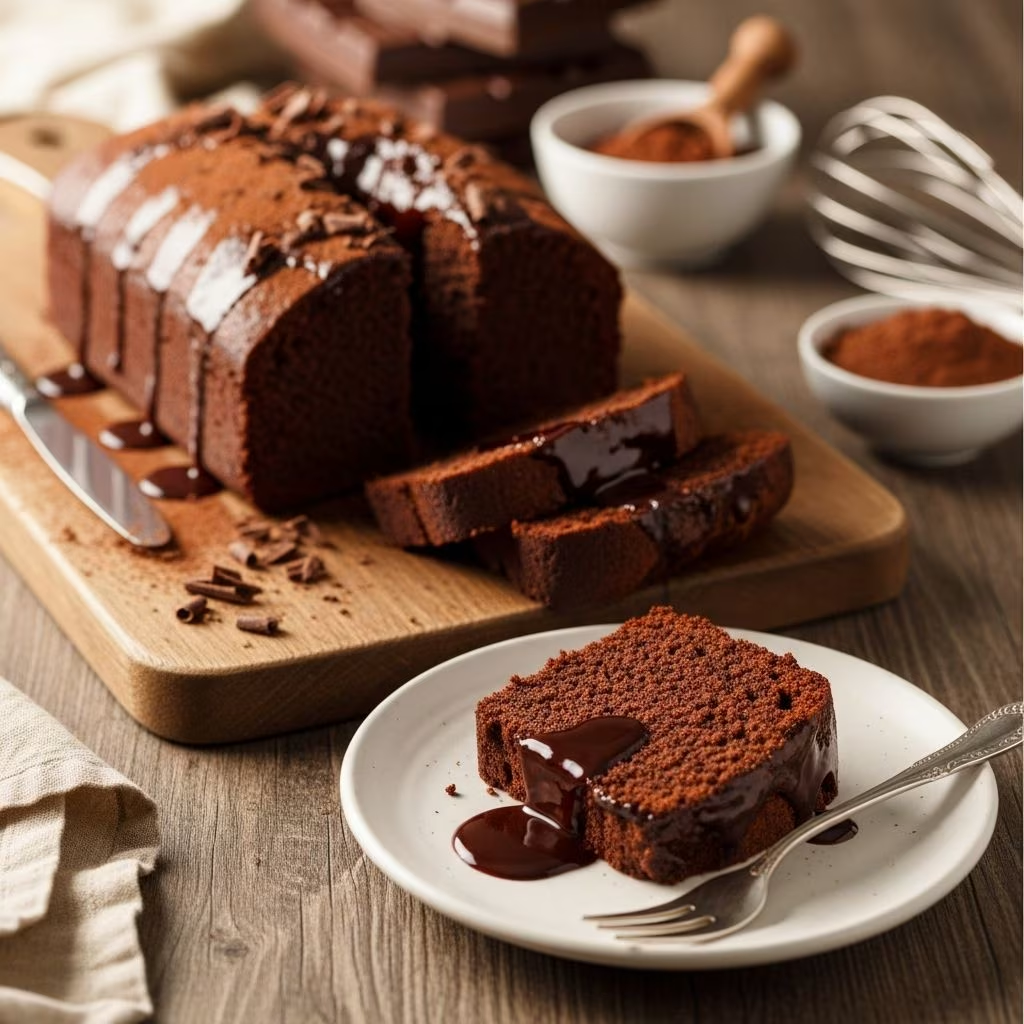
- Chocolate Infusion: Fold in 1/2 cup cocoa powder with dry ingredients; top with ganache.
- Nutty Delight: Toast 1 cup pecans or almonds and mix into batter for crunch.
- Spiced Version: Add 1 teaspoon cinnamon and nutmeg to dry mix for warmth.
- Berry Swirl: Layer fresh blueberries or raspberries in the pan before baking.
These tweaks keep the rich butter base prominent, avoiding dilution.
Perfect Pairings and Serving Suggestions
Serve at room temperature to highlight butter’s silkiness. Classic accompaniments include:
- Whipped cream or vanilla ice cream for creaminess.
- Fresh berries or compote for acidity.
- Dust with powdered sugar for elegance.
For events, layer with buttercream frosting or fill with pastry cream. Slice into generous portions; it pairs beautifully with coffee or tea.
Storage and Make-Ahead Strategies
This cake stores well, thanks to the soak’s preservative moisture.
- Room temperature: Wrap tightly in plastic; lasts 3 days.
- Refrigerator: Up to 1 week in an airtight container; bring to room temp before serving.
- Freezer: Slice, wrap individually, and freeze up to 3 months. Thaw overnight.
Batter can be refrigerated for 24 hours or frozen unbaked for 1 month. Bake from frozen, adding 10 minutes to time.
Nutrition and Dietary Notes
A standard slice (1/12th Bundt) offers about 450 calories, primarily from butter and sugar. For lighter options, substitute half the butter with Greek yogurt, though flavor shifts. Gluten-free flour blends work with xanthan gum addition. Always test small batches for adaptations.
Frequently Asked Questions
Can I use salted butter?
Yes, but reduce added salt by half to avoid over-salting.
Why use a paddle over whisk attachment?
Paddle aerates less, preserving the dense, rich crumb desired in butter cakes.
How do I know when the soak is ready?
It should be clear and slightly thickened after cooling; microwave gently if it solidifies.
Is a Bundt pan necessary?
No, but it showcases the cake’s texture; adjust bake time for other shapes.
Can this cake be made vegan?
Possible with plant-based butter, aquafaba for eggs, and almond milk, but results vary in richness.
References
- USDA Baking Guidelines — United States Department of Agriculture. 2023-05-15. https://www.fsis.usda.gov/food-safety/safe-food-handling-and-preparation/food-safety-basics/baking-science
- King Arthur Baking Ingredient Weights — King Arthur Baking Company. 2024-02-10. https://www.kingarthurbaking.com/learn/ingredient-weight-chart
- Food Chemistry of Cakes — Institute of Food Technologists. 2022-11-20. https://www.ift.org/news-and-publications/food-technology-magazine/issues/2022/november/features/cake-science
- High-Altitude Baking Adjustments — Colorado State University Extension. 2023-08-01. https://extension.colostate.edu/topic-areas/nutrition-food-safety-health/high-altitude-baking-9-331/