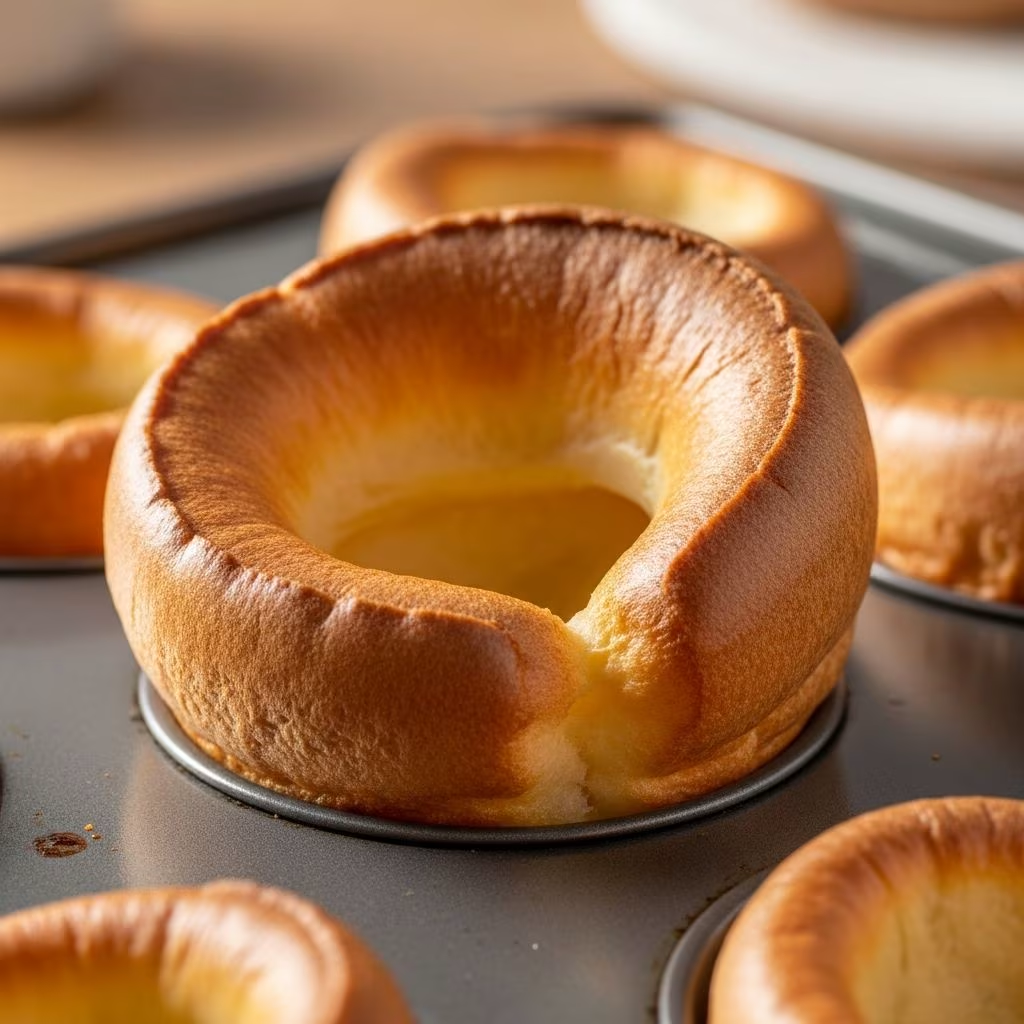
Yorkshire pudding stands as a cornerstone of British cuisine, renowned for its dramatic rise, crisp exterior, and soft, fluffy interior that soaks up gravy like a dream. This simple batter of flour, eggs, milk, and fat transforms into towering delights when baked in hot fat, making it an indispensable side for roast dinners.
The Origins and Cultural Significance of Yorkshire Pudding
Tracing back to the 18th century, Yorkshire pudding emerged from humble beginnings as an economical way to stretch meat drippings. First documented in 1737 in Hannah Glasse’s influential cookbook The Art of Cookery Made Plain and Easy, it was known as ‘dripping pudding.’ Farmers in northern England would place a batter under roasting beef to catch the flavorful fat drippings, creating a nutritious starter that filled bellies before the scarce meat was served. Over time, it evolved into the iconic accompaniment we know today, symbolizing comfort and tradition at Sunday roasts across the UK.
Today, Yorkshire pudding transcends its starter roots, appearing as a versatile vessel for savory fillings or even sweet treats. Its popularity has led to competitions, with champions crediting precise techniques for their success. This enduring dish captures the essence of British home cooking—unpretentious yet impressive.
Essential Ingredients for Authentic Results
The beauty of Yorkshire pudding lies in its minimalist ingredient list, but quality matters. Here’s what you’ll need for 12 individual puddings:
- 225g plain flour (all-purpose flour works well; measure by weight for accuracy)
- 4 large eggs (room temperature for better incorporation)
- 300ml whole milk (full-fat for richness; semi-skimmed as a lighter alternative)
- 1-2 tbsp beef dripping or tallow (lard, vegetable oil, or duck fat as substitutes for crispiness)
- 1 tsp salt
- ½ tsp white pepper (optional, for subtle heat)
Beef dripping imparts the most authentic flavor, mimicking traditional roasts. For vegetarians, opt for plant-based fats that withstand high heat without smoking.
Step-by-Step Guide to Flawless Yorkshire Puddings
Success hinges on preparation, temperature, and timing. Follow these steps for puddings that rise tall every time.
- Prepare the batter: Sift flour and salt into a large bowl. Make a well and crack in the eggs. Gradually whisk in the milk until smooth, like thin pancake batter. Add pepper if using. Avoid overmixing to prevent tough gluten development.
- Rest the batter: Cover and refrigerate for at least 2 hours, ideally overnight. This allows starch granules to hydrate, promoting better rise and flavor.
- Preheat everything: Position oven rack in the middle. Heat to 220°C (425°F) fan or 230°C (450°F) conventional. Place a 12-hole muffin tin or Yorkshire pudding tin inside with ½ tsp fat per hole. Fat must be smoking hot—test by dropping a batter speck; it should sizzle immediately.
- Fill and bake: Carefully remove hot tin. Quickly pour batter to ¾ full. Bake undisturbed for 20-25 minutes until deep golden and risen. Opening the door early causes collapse.
- Serve immediately: Enjoy hot with gravy to preserve crispness.
Total time: 10 minutes prep + resting + 25 minutes baking. Yields crispy edges and hollow centers perfect for fillings.
Pro Tips for Sky-High Rise and Crisp Perfection
Many pitfalls lead to flat puddings, but these expert strategies ensure triumph:
- Use a digital scale: Volume measurements vary; weigh for consistency.
- Cold batter, hot oven: Straight-from-fridge batter contrasts with scorching fat, creating steam for lift.
- Quality tin: Non-stick muffin tins or dedicated Yorkshire trays with steep sides promote even rising. Avoid shallow trays.
- Accurate oven temp: Employ an oven thermometer—many home ovens run cool.
- No peeking: Steam is the rising agent; disturbance deflates.
- Fat choice: Beef tallow’s high smoke point is ideal; avoid butter, which burns.
| Common Mistake | Solution |
|---|---|
| Batter too thick | Add milk gradually for pancake-like consistency |
| Flat puddings | Ensure fat is smoking; increase oven temp by 10°C |
| Soggy bottoms | Bake longer on lower heat after initial rise |
| Sticking | Generous hot fat; proper non-stick tin |
Variations to Elevate Your Yorkshire Puddings
While traditional is unbeatable, experiment with these twists for variety:
- Giant Yorkshire: Use a roasting tin for one massive pudding to serve family-style, filled with roast beef slices.
- Herbed version: Stir in chopped rosemary, thyme, or mustard for savory punch.
- Sweet delights: Swap salt for sugar, add vanilla, and fill with berries, ice cream, or custard.
- Pizza Yorkies: Bake minis, top with sauce, cheese, and toppings, then broil briefly.
- Breakfast puds: Stuff with sausages, eggs, and tomatoes for a hearty brunch.
- Toad in the Hole: Embed sausages in batter for a one-pan wonder.
For gluten-free, substitute with a 1:1 flour blend; veganize with aquafaba and plant milk.
Pairing and Serving Suggestions
Yorkshire puddings shine with roast beef and Yorkshire gravy, but pair with chicken, lamb, or nut roasts. Serve as appetizers with rare beef slices and horseradish, or deconstruct into wraps with veggies and aioli. For dessert, dust powdered sugar over sweet versions and drizzle chocolate sauce.
Portion guide: One per person as a side; scale batter by 50% for 6 servings.
Frequently Asked Questions
Why don’t my Yorkshire puddings rise?
Insufficient heat is the culprit—ensure oven and fat are scorching, and rest batter properly.
Can I make them ahead?
Bake fresh for best texture, but reheat in a 200°C oven for 5 minutes to recrisp.
Vegetarian/vegan options?
Yes—use vegetable oil or coconut oil; for vegan, replace eggs with chickpea flour mix or aquafaba.
How to store leftovers?
Cool completely, store airtight up to 2 days, or freeze. Reheat from frozen.
Best tin size?
4×2 inch holes for individual; deeper sides yield taller puds.
Nutritional Breakdown (Per Pudding)
| Nutrient | Amount |
|---|---|
| Calories | 120 |
| Protein | 4g |
| Carbs | 14g |
| Fat | 5g |
| Sodium | 220mg |
Values approximate; varies with fat type. Low-carb adaptations use almond flour.
Mastering Yorkshire pudding elevates any roast, blending history with everyday magic. With practice, you’ll produce champions worthy of any table.
References
- Award-Winning Yorkshire Pudding Recipe — Yorkshire Pudd. Accessed 2026. https://www.yorkshirepudd.co.uk/award-winning-yorkshire-pudding-recipe/
- Traditional Yorkshire Pudding — The Daring Gourmet. Accessed 2026. https://www.daringgourmet.com/yorkshire-pudding/
- 8 Unusual Yorkshire Pudding Recipes — Boundless by CSMA. Accessed 2026. https://www.boundless.co.uk/news-competitions/lifestyle/8-unusual-yorkshire-pudding-recipes
- Delicious Filling Ideas for Sweet Yorkshire Pudding Recipes — Bubbablueandme. Accessed 2026. https://bubbablueandme.com/delicious-filling-ideas-sweet-yorkshire-pudding-recipes/
- Top 5 Next Level Yorkshire Pudding Recipes — BBC Good Food. Accessed 2026. https://www.bbcgoodfood.com/howto/guide/5-next-level-yorkshire-pudding-recipes