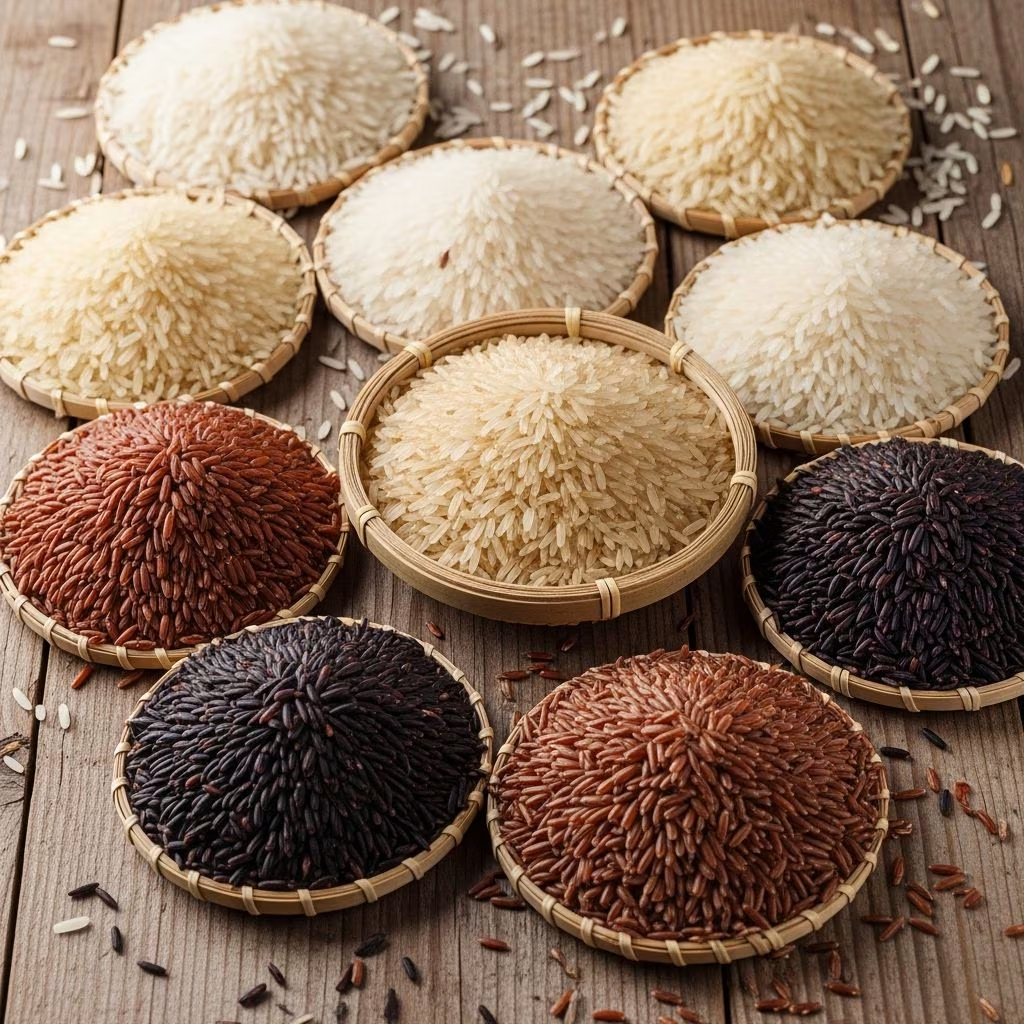
Rice stands as a cornerstone of cuisines worldwide, with its versatility stemming from diverse grain lengths that dictate texture, flavor absorption, and cooking outcomes. Long grain rice delivers separate, light results ideal for pilafs; medium grain offers a tender, cohesive bite perfect for risottos; and short grain provides the stickiness essential for sushi and rice balls. This guide breaks down these categories, drawing on grain structure and starch content to help you select and prepare rice confidently.
Understanding Grain Length and Its Impact on Texture
The length of rice grains fundamentally influences the final dish through starch composition—primarily amylose (for separation) and amylopectin (for stickiness). Long grains, typically three to five times longer than wide, remain fluffy due to higher amylose levels. Medium grains, about two to three times longer than wide, balance moisture and tenderness. Short grains, nearly round and plump, cling together from elevated amylopectin.
These differences arise from subspecies: indica for long grains and japonica for short and medium. In the U.S., long grain dominates over 70% of production, grown mainly in southern states, while short and medium thrive in California and Arkansas.
Long Grain Rice: The Fluffy, Versatile Staple
Long grain rice features slender kernels, 6-8mm in length, cooking into light, separate grains that don’t clump. Its high amylose content ensures fluffiness, making it forgiving for everyday meals.
Popular varieties include basmati and jasmine. Basmati, aromatic with a nutty scent, suits Indian biryanis and pilafs. Jasmine, fragrant and slightly sticky, enhances Thai curries and stir-fries. Generic long grain works for salads, fried rice, soups, and casseroles.
Best Dishes for Long Grain
- Pilafs and biryanis: Grains stay distinct, showcasing spices.
- Fried rice: Fluffiness prevents mushiness.
- Side dishes: Pairs with proteins without overpowering.
- Salads: Holds dressings without sogginess.
Cooking tip: Use a 2:1 water-to-rice ratio, simmer covered for 15-20 minutes. Brown long grain boosts fiber and nutrients like potassium.
Medium Grain Rice: Creamy and Absorbent
Medium grain rice, 5-6mm long and wider than long grain, yields moist, tender results with slight clinginess. Lower amylose promotes creaminess around a chewy core, ideal for flavor-soaking dishes.
Key types: Arborio for risotto, bomba for paella, and parboiled varieties. Parboiled medium grain, steamed in husks, cooks faster and absorbs bold flavors without excess stickiness. U.S. southern medium grain is larger and less sticky than California’s.
Signature Uses
- Risotto: Releases starch for velvety texture.
- Paella: Soaks up saffron and seafood essence.
- Puddings: Tender mouthfeel in desserts.
- Stuffings: Binds without overpowering.
Preparation: 2:1 ratio for standard; stir frequently for risotto to build creaminess. Parboiled needs less water and time.
Short Grain Rice: Sticky and Chewy Delight
The shortest grains, 4-5mm and plump, cook soft, springy, and cohesive—earning the misnomer ‘glutinous’ for glue-like texture, not gluten. High amylopectin makes it perfect for molded dishes.
Varieties like sushi rice (Koshihikari, Calmochi) dominate Japanese cuisine. Nearly round kernels cling for chopstick ease. Brown short grain offers superior fiber.
Top Applications
- Sushi and onigiri: Forms tight rolls and balls.
- Sticky rice desserts: Holds sweet coconut pairings.
- Asian porridges: Creamy, comforting consistency.
- Rice bowls: Stays intact under toppings.
Rinse thoroughly to control stickiness; use 1.25:1 water ratio, steam for optimal texture. 95% of U.S. sushi rice hails from California.
Comparing Rice Varieties: A Quick Reference Table
| Grain Type | Length & Shape | Cooked Texture | Starch Profile | Best For | U.S. Production Note |
|---|---|---|---|---|---|
| Long Grain | 6-8mm, slender (3-5x longer than wide) | Fluffy, separate | High amylose | Pilafs, fried rice, salads | 70%+ of U.S. rice |
| Medium Grain | 5-6mm, wider (2-3x longer than wide) | Moist, tender, clingy | Medium amylose | Risotto, paella | Southern larger grains |
| Short Grain | 4-5mm, plump, round | Sticky, chewy, soft | High amylopectin | Sushi, rice balls | CA for sushi (95%) |
Cooking Techniques Tailored to Each Type
Mastery comes from method matching. For long grain, absorption works best: boil once, simmer low. Medium grain benefits from sautéing in fat first for risottos. Short grain demands rinsing and gentle steaming to preserve stickiness without gumminess.
Universal tips: Measure precisely, use quality water, rest post-cook. Brown versions need 50% more time and water for bran layer.
Nutritional Breakdown Across Grain Lengths
White rice provides quick energy; brown retains bran for fiber, vitamins. Short grain brown excels in fiber; long grain brown offers isoflavones, potassium, phosphorus. All are gluten-free, low-fat staples.
- Long grain white: Firmer due to amylose.
- Brown varieties: Higher minerals across types.
Global Rice Dishes Spotlight
• India: Basmati long grain in biryani layers spices distinctly.
• Italy: Arborio medium for risotto’s slow starch release.
• Japan: Koshihikari short for sushi precision.
• Spain: Bomba medium in paella absorbs broth richly.
Frequently Asked Questions (FAQs)
What rice is best for beginners?
Long grain: Forgiving, fluffy results with standard cooking.
Can I substitute grain lengths?
Limited; short won’t separate for pilafs, long lacks creaminess for risotto.
How to store rice?
Airtight container in cool, dry spot; brown in fridge for longevity.
Is parboiled rice healthier?
Retains more nutrients from husk steaming; quicker cooking.
Why rinse short grain rice?
Removes excess starch for controlled stickiness.
References
- A Quick Guide to Different Rice Varieties — Carolina Rice. 2023. https://carolinarice.com/cooking/a-quick-guide-to-different-rice-varieties/
- Rice 101 — Lundberg Family Farms. 2023. https://info.lundberg.com/blog/rice-101
- Types of Rice: Guide to Rice Varieties & How to Use Them — RiceSelect. 2023. https://riceselect.com/blog/a-foodies-guide-to-rice-varieties
- Types of Rice: Long Grain, Medium Grain, and Short Grain — Kokoro Cares. 2023. https://kokorocares.com/blogs/blog/types-of-rice-long-grain-medium-grain-and-short-grain
- The RD-Approved Guide to U.S.-Grown Rice — USA Rice. 2023. https://www.usarice.com/docs/default-source/thinkrice/nutrition/the-rd-approved-guide-to-us-grown-rice.pdf?sfvrsn=b5d5d28d_12