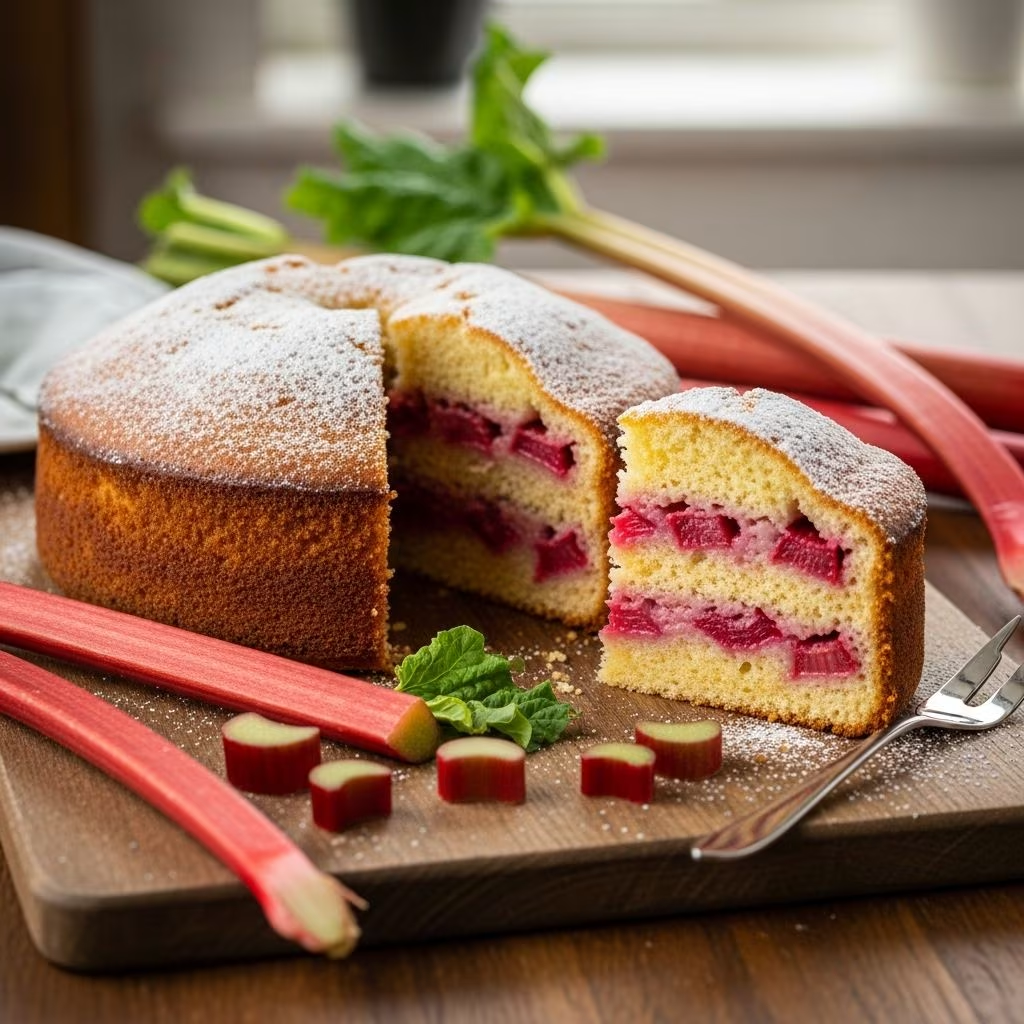
Rhubarb cake represents a timeless dessert that bridges the gap between casual snacking and elegant entertaining. The natural tartness of fresh rhubarb creates a sophisticated flavor profile that pairs beautifully with a tender, buttery crumb. This perennial garden vegetable has been a baker’s favorite for generations, offering a unique taste that distinguishes homemade cakes from typical fruit-based alternatives. Whether you’re looking to create a simple weekday treat or impress guests at a gathering, understanding the fundamentals of rhubarb cake preparation ensures consistent, delicious results every time.
Understanding Rhubarb and Its Role in Baking
Rhubarb stands apart from traditional fruits used in cakes due to its distinctive characteristics. The vegetable’s high acidity and firm structure make it an ideal ingredient for baked goods, as it maintains its shape during the cooking process while infusing the cake with a bright, tangy flavor. Unlike berries that can become mushy or lose their identity in cake batter, rhubarb pieces retain their textural integrity, creating pockets of fruity interest throughout each slice. The tartness of rhubarb also balances the sweetness of the cake, reducing the overall sugar dependency and creating a more nuanced dessert experience.
When selecting rhubarb for your cake, choose stalks that are firm, crisp, and brightly colored. Thinner stalks tend to be more tender and less fibrous, making them preferable for baking applications. Spring rhubarb, typically harvested from March through May, offers superior flavor compared to late-season varieties. Fresh rhubarb should be stored in the refrigerator and used within two weeks for optimal freshness and flavor intensity.
Essential Ingredients and Their Functions
Creating a successful rhubarb cake requires understanding how each ingredient contributes to the final product. The foundation begins with all-purpose flour, which provides structure and stability to the batter. Most traditional recipes call for approximately two cups of flour, creating a crumb that is moist yet sturdy enough to support the weight of rhubarb pieces distributed throughout.
The leavening agents—typically baking soda or baking powder—work to create lift and a tender crumb structure. Baking soda, particularly when combined with acidic ingredients like sour cream or buttermilk, produces carbon dioxide bubbles that result in a light, airy cake. Sugar serves multiple purposes beyond sweetness, affecting moisture retention, browning, and the overall texture of the finished cake.
Eggs act as binders and emulsifiers, helping to incorporate air into the batter while creating richness and structure. Butter contributes flavor and moisture, while also helping create a tender crumb when properly creamed with sugar. Sour cream or yogurt adds moisture, creates tanginess that complements the rhubarb, and promotes a more tender final product. Vanilla extract and warm spices like cinnamon and nutmeg enhance the overall flavor complexity without overwhelming the delicate rhubarb taste.
| Ingredient | Amount | Function |
|---|---|---|
| All-Purpose Flour | 2 cups | Structure and stability |
| Sugar (Granulated or Brown) | 1¼ to 1½ cups | Sweetness and moisture retention |
| Butter | ½ cup (softened) | Flavor, richness, and tender crumb |
| Eggs | 1-2 large | Binding and emulsification |
| Sour Cream or Milk | 1 cup | Moisture and tender texture |
| Fresh Rhubarb (Chopped) | 2.5-4 cups | Flavor, tartness, and texture |
| Baking Soda | 1 teaspoon | Leavening agent |
| Vanilla Extract | 1 teaspoon | Flavor enhancement |
| Cinnamon | 1 teaspoon | Warm spice note |
| Salt | ¼-½ teaspoon | Flavor balance |
The Foundation: Preparing Your Baking Pan and Oven
Proper preparation before mixing ingredients significantly impacts baking success. Begin by preheating your oven to 350 degrees Fahrenheit (175 degrees Celsius), allowing adequate time for the heating element to stabilize before placing your cake inside. A properly preheated oven ensures even baking and prevents the common problem of dense, undercooked centers.
Select a 9×13-inch rectangular baking dish or a round 9-inch cake pan, depending on your preference. Rectangular pans are traditional for this style of cake and allow for easy portioning. Thoroughly grease the pan with butter or cooking spray, then dust the entire interior with flour or flour-based baking spray. This prevents sticking and creates a light crust on the cake edges. An alternative approach involves lining the bottom with parchment paper, which simplifies removal and ensures perfect cake presentation.
The Mixing Method: Building Proper Structure
The order and technique used when combining ingredients profoundly affects the cake’s final texture. The traditional method begins with whisking together dry ingredients—flour, baking soda, salt, and warm spices—in a medium bowl. This even distribution of leavening agents and spices ensures consistent rise and flavor throughout the cake.
In a separate mixing bowl, cream together softened butter and sugar using either a hand mixer or electric mixer on medium speed. This process aerates the mixture, incorporating tiny air bubbles that create a light crumb structure. Continue creaming for approximately two to three minutes until the mixture resembles wet sand with a slightly pale appearance. This visual indicator suggests sufficient air incorporation.
Add eggs one at a time to the creamed mixture, beating well after each addition. This gradual incorporation creates an emulsion, helping the fat and liquid components blend smoothly. Finally, whisk together the liquid ingredients—sour cream, milk, and vanilla extract—in a measuring cup for easy pouring.
Combine wet and dry ingredients by alternating between them in thirds: add one-third of the dry mixture to the wet ingredients and stir gently until just barely combined. Add half of the liquid mixture and stir gently. Repeat this pattern, ending with dry ingredients. This technique prevents overmixing, which would develop gluten strands and create a tough, dense crumb.
Carefully fold the chopped rhubarb into the batter using a rubber spatula with broad, sweeping motions. Distribute the rhubarb evenly throughout the batter, but avoid aggressive stirring that could damage the rhubarb pieces and cause discoloration. Reserve a small portion of the prettiest rhubarb pieces to arrange on top of the cake before baking for visual appeal.
Baking Fundamentals and Time Management
Once the batter is transferred to the prepared pan and spread into an even layer, the baking transformation begins. Most rhubarb cakes bake for approximately 40 to 45 minutes at 350 degrees Fahrenheit. The exact baking time depends on several variables, including oven calibration, pan material, and the depth of the batter.
Baking pans made from different materials conduct heat at different rates. Metal pans typically bake faster than ceramic or glass pans, which may require an additional five to ten minutes. Dark nonstick pans conduct heat more efficiently than lighter-colored traditional pans. If using glass or ceramic, consider reducing the oven temperature by 25 degrees to prevent excessive browning on the edges and bottom.
Determine doneness using the toothpick or cake tester method: insert a thin wooden toothpick or cake tester into the center of the cake. The cake is fully baked when the toothpick emerges clean or with just a few moist crumbs, not wet batter. Avoid overbaking, which results in a dry cake that crumbles when cutting and loses the tender crumb quality that makes this dessert special.
Optional Toppings and Flavor Variations
While the basic rhubarb cake is delicious on its own, several topping options elevate the cake into a more sophisticated dessert. A classic cinnamon-sugar topping adds textural contrast and concentrated sweetness. Mix equal parts granulated sugar and ground cinnamon, then sprinkle generously over the batter before baking. The sugar caramelizes during baking, creating a slightly crunchy, sweet crust that complements the tart rhubarb beautifully.
Streusel or crumb toppings provide buttery, tender texture that contrasts with the moist cake beneath. Combine flour, brown sugar, and cold butter using your fingertips until the mixture resembles coarse bread crumbs. Some recipes include chopped nuts or rolled oats for added crunch and nuttiness. Sprinkle the streusel over the batter before baking, allowing it to toast and brown during the baking process.
For adventurous bakers, incorporating additional flavorings enhances the complexity of the cake. Almond extract pairs surprisingly well with rhubarb, creating a subtle nuttiness. Lemon zest brightens the flavor profile, emphasizing the tartness of the rhubarb. Cardamom adds an exotic warmth that sophisticated palates appreciate. Ginger, either ground or crystallized, creates a pleasant spice note that complements without overpowering.
Storage and Serving Suggestions
Properly stored rhubarb cake remains fresh and moist for several days. Once completely cooled, cover the cake tightly with plastic wrap or store in an airtight container at room temperature for up to three days. The cake actually improves slightly on the second day as flavors meld and moisture distributes evenly throughout the crumb.
For longer storage, the cake freezes successfully for up to two months. Wrap individual slices or the entire cake thoroughly in plastic wrap, then place in a freezer-safe container. Thaw at room temperature for approximately two hours before serving. Avoid freezing topped cakes with whipped cream or fresh toppings, instead adding these elements after thawing.
Rhubarb cake serves equally well as a casual breakfast cake, afternoon snack, or light dessert. The relatively straightforward preparation makes it accessible for weekday baking, while its elegance suits formal occasions. Serve slices warm or at room temperature, optionally topped with whipped cream, vanilla ice cream, or a dollop of Greek yogurt for added richness and cooling contrast.
Frequently Asked Questions
Can I substitute fresh rhubarb with frozen rhubarb?
Yes, frozen rhubarb works well in this recipe. Thaw the rhubarb completely and drain any accumulated liquid before folding into the batter. If possible, chop the rhubarb into similarly-sized pieces to ensure even distribution and consistent baking.
What can I use if I don’t have sour cream?
Plain Greek yogurt, regular yogurt, or buttermilk are excellent substitutes for sour cream. You can also create a substitute by mixing regular milk with a small amount of lemon juice or vinegar and letting it sit for five minutes. Each option provides the necessary acidity and moisture for proper cake development.
Can I use brown sugar instead of granulated sugar?
Yes, brown sugar creates a slightly richer, more moist cake with deeper caramel notes. The cake may have a slightly denser crumb compared to versions made with granulated sugar. You can use either type or a combination of both for balanced sweetness and moisture.
How do I prevent the rhubarb from sinking to the bottom of the cake?
Coating the rhubarb pieces lightly with flour before folding into the batter helps them remain suspended throughout the cake. Additionally, using a relatively thick batter with ample eggs and fat helps support the weight of the rhubarb pieces during baking.
What other fruits work well in place of rhubarb?
Strawberries, raspberries, blueberries, blackberries, and even diced apples can substitute for rhubarb. Adjust the sugar content based on the natural sweetness of the fruit chosen, as rhubarb is particularly tart compared to most alternatives.
Should I peel the rhubarb before adding it to the cake?
Peeling is optional and depends on personal preference. Young, tender spring rhubarb requires no peeling, while mature stalks may have tougher outer skin. Peeling creates a more refined texture, though the skin contains beneficial fiber.
References
- USDA FoodData Central – Rhubarb, raw — United States Department of Agriculture. Accessed 2026. https://fdc.nal.usda.gov/fdc-app.html
- King Arthur Baking Company – Cake Baking Science and Techniques — King Arthur Baking Company Educational Resources. 2024. https://www.kingarthurbaking.com/learn
- America’s Test Kitchen – Baking Science Fundamentals — America’s Test Kitchen. 2024. https://www.americastestkitchen.com/
- The Spruce Eats – Complete Guide to Baking with Seasonal Fruits — The Spruce Publishing. 2025. https://www.thespruceeats.com/
- Food Network – Professional Cake Baking Techniques — Food Network. 2025. https://www.foodnetwork.com/