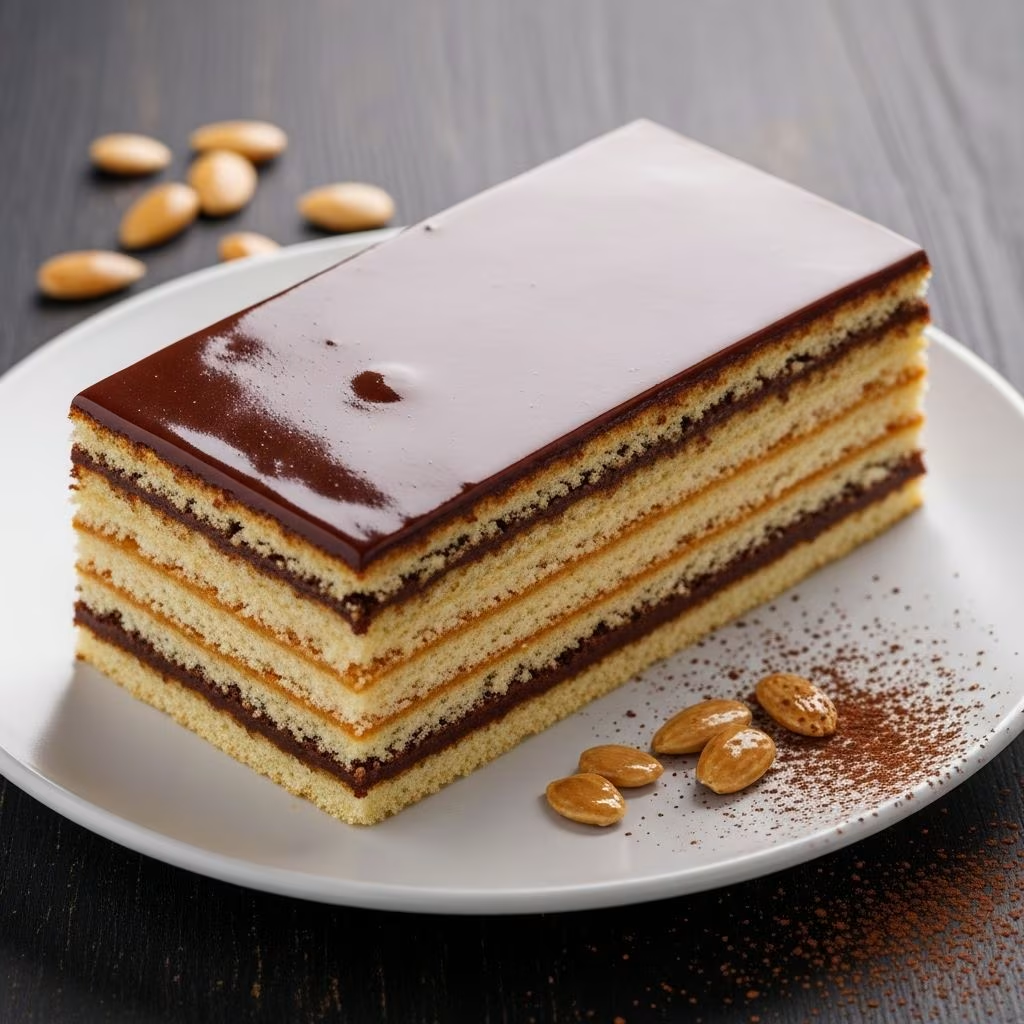
The joconde represents one of the most celebrated creations in French patisserie, a delicate almond-based sponge cake that has earned its place as a cornerstone ingredient in professional bakeries and home kitchens alike. Named after Leonardo da Vinci’s famous painting brought to the court of King Francis I in the early 16th century, this cake carries the artistic elegance suggested by its namesake. Professional pastry chefs throughout France and beyond have embraced joconde as an essential component of their repertoire, recognizing its remarkable adaptability and refined flavor profile that complements both simple and elaborate dessert compositions.
Understanding the Foundation: What Makes Joconde Unique
Joconde distinguishes itself from other sponge cakes through its exceptional combination of structural integrity and delicate crumb. The cake achieves its signature texture through a carefully balanced technique that incorporates whipped egg whites into an almond-enriched batter, creating a light yet stable foundation. Unlike traditional butter cakes that can become dense and compact, joconde maintains an airy quality that allows it to absorb syrups and moisture without becoming soggy. This characteristic makes it particularly valuable for layered desserts, where the cake functions as both a structural component and a flavor-carrying medium.
The distinguishing feature of joconde lies in its use of ground almonds combined with minimal flour, which creates a tender crumb structure while providing enough substance for the cake to support fillings and toppings. The almond flour imparts a subtle, refined flavor that enhances rather than overwhelms, making it an ideal partner for various complementary ingredients ranging from chocolate ganaches to fruit-based mousses to coffee-infused buttercreams.
Essential Ingredients and Their Functions
Creating successful joconde requires understanding how each ingredient contributes to the final product:
- Almond flour or meal: Provides the distinctive flavor and contributes significantly to the cake’s tender crumb structure. Ground blanched almonds create a lighter color and more refined texture compared to unblanched varieties.
- Powdered sugar: Combined with almond flour in the base mixture, powdered sugar creates a smooth paste when mixed with whole eggs, establishing the flavor foundation of the cake.
- Cake flour: A lower-protein flour that contributes to the tender, delicate texture without developing excessive gluten that would toughen the cake structure.
- Whole eggs: These provide richness, binding properties, and contribute to the cake’s structure and moisture content.
- Egg whites: Whipped separately to firm peaks, egg whites introduce air and lift to the batter, creating the characteristic light, airy crumb structure that defines quality joconde.
- Granulated sugar: Added to egg whites during whipping, sugar stabilizes the foam and helps create glossy, stable meringue peaks.
- Melted butter: Incorporated carefully into the finished batter, butter adds richness and flavor while ensuring proper moisture content and browning during baking.
The Technique: Step-by-Step Preparation
Successful joconde production depends on proper technique and careful attention to detail throughout the mixing and baking process. Understanding each phase of preparation ensures consistent results and predictable outcomes.
Preparation Phase
Begin by preparing your baking surface meticulously. Line a 15-by-21-inch sheet pan or jelly roll pan with parchment paper, ensuring the paper lies flat against the surface. Grease both the pan and parchment thoroughly with melted butter, as this prevents sticking and promotes even baking. Preheat your oven to between 425 and 450 degrees Fahrenheit, depending on your specific recipe and oven characteristics. Gather all ingredients and measure them precisely, ensuring that eggs and other temperature-sensitive components reach room temperature before combining.
Creating the Meringue Base
In a stand mixer fitted with the whisk attachment, combine room-temperature egg whites with cream of tartar if using. Begin beating at medium speed until the mixture becomes foamy, then gradually incorporate granulated sugar one tablespoon at a time. Continue whipping until the mixture reaches firm, glossy peaks—a stage where the meringue holds its shape but retains a slight shine and the peaks remain stiff when the whisk is lifted. Transfer this meringue to a separate bowl and set aside.
Preparing the Almond Base
In the now-empty mixer bowl, combine almond flour, powdered sugar, and cake flour. Using the paddle attachment, mix these dry ingredients on high speed for approximately one to two minutes, ensuring even distribution. This preliminary mixing prevents clumping and creates a uniform dry mixture. Add whole eggs one at a time, mixing thoroughly after each addition until the batter achieves a smooth, light consistency. The batter should appear pale and slightly increased in volume as you incorporate each egg.
Combining Components
The final stages require careful folding to preserve the air structure developed during meringue creation. Add approximately one-third of the whipped meringue to the almond mixture and fold gently using a spatula until just combined. This initial addition helps temper the batter and makes incorporating the remaining meringue easier. Pour the remaining meringue into the almond base and fold carefully, working from the bottom of the bowl upward and rotating the bowl as you fold. While combining, slowly drizzle in melted and cooled butter, folding gently to ensure even distribution without deflating the batter excessively.
Baking and Achieving Perfect Results
Spread the finished batter evenly across the prepared baking surface, creating a uniform layer approximately one-quarter inch thick. Bake for approximately eight minutes, monitoring carefully as the cake approaches doneness. The edges should begin to turn light golden brown while the center remains pale, indicating proper baking. The cake should spring back lightly when touched and appear set but not overbaked. Overbaking results in a dry, dense crumb, while underbaking produces a cake too delicate to support fillings and toppings effectively.
Upon removing from the oven, allow the cake to cool slightly on the baking sheet. If preparing ahead, joconde can be baked a full day before assembly, allowing flavors to develop and the cake to firm slightly, making it easier to cut and layer.
Decorative Techniques and Design Applications
One of joconde’s most remarkable features is its suitability for elaborate surface designs created during the baking process rather than applied afterward. This technique, known as joconde imprimée, involves creating a decorative paste layer that sets within the cake structure, producing design elements that integrate seamlessly with the finished product.
Creating Decorative Paste
A chocolate decorative paste begins with sifted cake flour and unsweetened cocoa powder combined with softened butter and powdered sugar. These components are creamed together until light and fluffy, followed by the careful addition of room-temperature egg whites mixed one at a time. The resulting paste maintains a consistency suitable for piping or spreading—thick enough to hold defined shapes but fluid enough to distribute evenly across the baking surface.
Stenciling and Design Application
Prepared parchment or silicone baking mat can be marked with stencil patterns using the decorative paste. Allow the paste to freeze or set thoroughly, approximately five to ten minutes depending on ambient temperature, ensuring the design remains defined before the main batter layer covers it. This preliminary bake-time for the design layer ensures it sets completely and creates clear visual definition against the finished cake.
Versatility Beyond Traditional Applications
Joconde’s remarkable versatility extends far beyond its role as an individual cake or component in classical French desserts. The cake’s resistance to drying out makes it ideal for contemporary trending applications such as alphabet cakes, where individual letter shapes remain fresh and edible even after extended exposure to air.
For colored variations, bakers can remove approximately one-third of the prepared batter and incorporate food coloring or cocoa powder before stenciling or spreading across the parchment. This technique creates visually striking designs with color that penetrates throughout the cake structure rather than merely coating the surface. The versatility extends to flavor modifications as well—almond extract, vanilla, citrus zests, or spice additions can be incorporated to complement specific fillings or theme applications.
Joconde in Professional Dessert Composition
Professional pastry chefs frequently employ joconde as a structural foundation for complex multi-component desserts. Its stability under various toppings and fillings—ranging from stable buttercreams to delicate mousses to fruit-based preparations—makes it indispensable in professional kitchens. The cake’s ability to absorb syrup while maintaining structural integrity allows chefs to add moisture and flavor without compromising the dessert’s architectural integrity.
| Application | Ideal Partners | Key Considerations |
|---|---|---|
| Opera Cake | Coffee buttercream, chocolate ganache | Must maintain structural support across multiple layers |
| Alphabet Cakes | Minimal glaze, open-air display | Excellent resistance to drying out |
| Entremet Desserts | Mousse, fruit layers, meringue | Absorbs syrups effectively while maintaining structure |
| Decorated Creations | Stenciled designs, colored variations | Can incorporate design elements during baking |
Common Questions About Joconde Preparation
Can joconde be prepared in advance?
Yes, joconde actually improves when prepared a day or two before assembly. The cake becomes slightly firmer, making it easier to cut into uniform pieces and reducing the likelihood of tearing. Store cooled joconde covered at room temperature or wrapped in plastic wrap in the refrigerator for up to three days.
Why does my joconde turn out flat or dense?
Flat or dense joconde typically results from overmixing the batter, particularly after adding the meringue, which deflates the air structure. Additionally, overbaking reduces moisture content and creates a compacted crumb. Ensure proper technique during folding and monitor baking time carefully.
How should joconde be stored and handled?
Unlike many cakes, joconde’s composition resists drying out and can remain exposed to air for extended periods without significant deterioration. This characteristic makes it exceptional for alphabet cakes and other applications requiring extended display. For longer storage, wrap in plastic and refrigerate up to three days, or freeze for up to one month.
Can I make joconde without almond flour?
Almond flour is essential to joconde’s distinctive character and cannot be easily substituted. Alternative nut flours like hazelnut or pistachio create different cakes with distinct flavor profiles but lack the historical significance and refined flavor tradition of authentic joconde.
Achieving Excellence Through Practice and Precision
Mastering joconde requires understanding not just the recipe but the underlying principles governing how ingredients interact during mixing and baking. The balance between structure and delicacy, between air incorporation and structural integrity, defines the difference between adequate and exceptional results. Precise temperature control, careful attention to mixing techniques, and proper baking times all contribute to consistent success.
As you develop familiarity with joconde preparation, you’ll discover how this versatile cake adapts to your creative vision while maintaining the refined elegance that has made it a cornerstone of French patisserie for generations. Whether creating simple elegant cakes or elaborate multi-component desserts, joconde provides a reliable, refined foundation worthy of its artistic namesake.
References
- Baking Basics: How to make a joconde cake with decorative tuile paste — Bakers Royale. https://bakersroyale.com/baking-basics-how-to-make-a-joconde-cake-with-decorative-tuile-paste/
- Joconde Imprime Entremet Recipe (Decorative Almond Sponge Cake) — Food Apparel. https://foodapparel.com/joconde-sponge-cake/
- Joconde Sponge, the Mona Lisa of Cakes — Milk and Honey the Bakery. https://milkandhoneythebakery.com/joconde-biscuit-mona-lisa-cake/
- Joconde Cake Recipe (Alphabet Cake) — Sugar Geek Show. https://sugargeekshow.com/joconde-recipe/
- Joconde — Cacao Barry. https://www.cacao-barry.com/en-US/chocolate-recipe/4039/Joconde