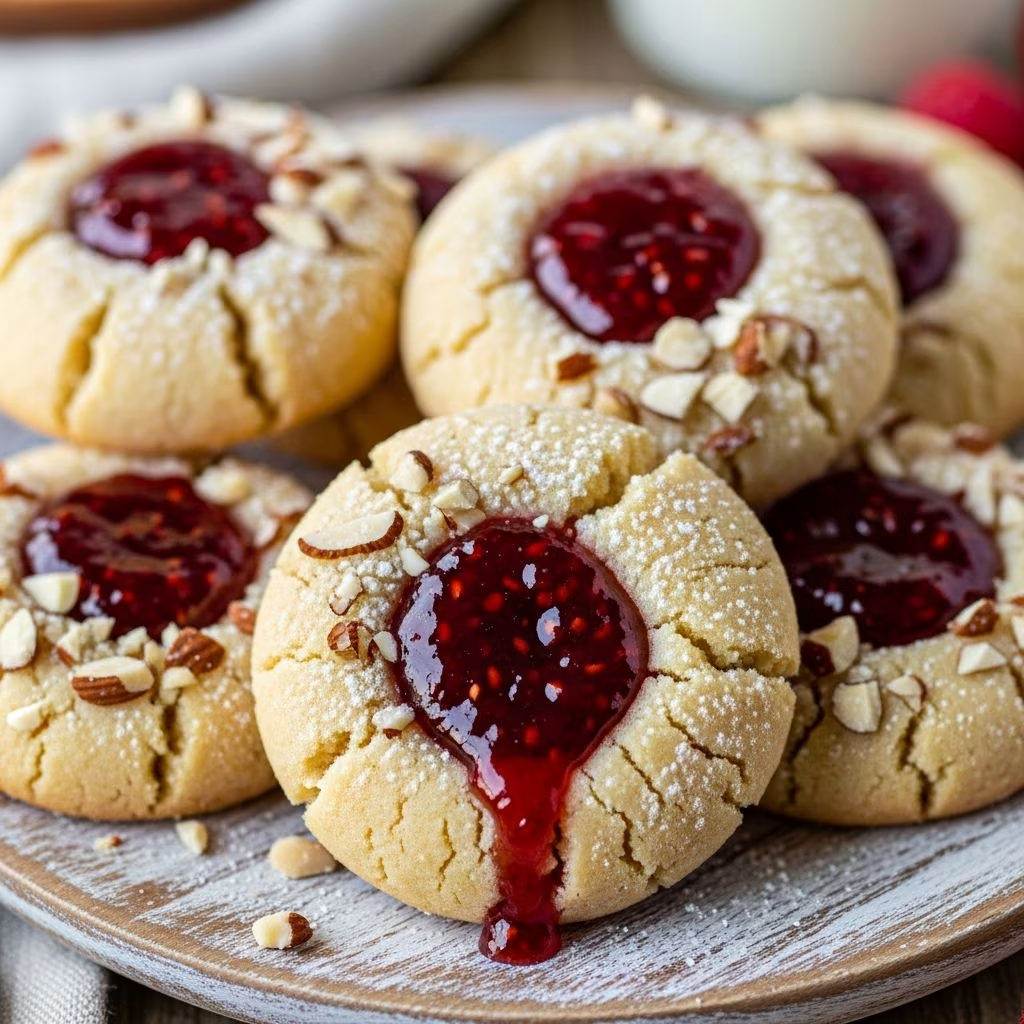
Thumbprint cookies represent a timeless baking tradition that combines elegance with simplicity. These charming treats feature delicate indentations filled with vibrant jam, making them instantly recognizable and irresistibly appealing on any dessert table. The raspberry almond variation elevates this classic by incorporating subtle almond flavoring throughout the dough and topping, creating a sophisticated flavor profile that appeals to both seasoned bakers and novices alike.
Understanding the Foundation: What Makes These Cookies Special
The beauty of raspberry almond thumbprint cookies lies in their versatility and approachability. Unlike many decorative baked goods that require advanced techniques, these cookies rely on straightforward methods and commonly available ingredients. The shortbread base provides a tender, buttery foundation that contrasts beautifully with the tartness of raspberry preserves and the delicate sweetness of an almond-infused glaze.
What distinguishes this particular cookie recipe is the balance of flavors. Almond extract, when used judiciously, imparts a pleasant nutty undertone without overwhelming the palate. Combined with quality butter and fine-grain sugar, the dough develops a melt-in-your-mouth texture that characterizes excellent shortbread. The raspberry filling adds a pop of color and brightness that prevents these cookies from feeling too rich, while the glazed topping provides a sophisticated finishing touch.
Gathering Quality Ingredients: The Building Blocks
Success in baking begins with ingredient selection. Each component in this recipe serves a specific purpose and contributes to the final texture and flavor profile.
The Core Dough Components
- Unsalted Butter: The foundation of any quality shortbread, butter should be softened to room temperature. High-quality butter with greater fat content yields superior results compared to lower-grade alternatives. Room temperature butter creams more effectively, incorporating air that contributes to a tender crumb structure.
- Granulated Sugar: Provides sweetness and structure. The sugar helps create a slightly crisp exterior while maintaining tenderness throughout the cookie.
- Almond Extract: A small quantity—typically one-half teaspoon—delivers the distinctive almond character. Pure almond extract offers superior flavor compared to synthetic versions.
- All-Purpose Flour: Develops gluten structure that gives the cookie its characteristic texture. Unbleached flour works beautifully and may offer slightly superior flavor.
- Salt: Enhances other flavors and balances sweetness. If using salted butter, reduce or omit additional salt to prevent over-salting.
Filling and Topping Elements
- Raspberry Jam: Seedless jam provides smoother texture and cleaner appearance, though seeded varieties work equally well for those preferring traditional flavor. The jam should be spreadable at room temperature.
- Powdered Sugar: Creates the glaze base. Also called confectioners’ sugar, it dissolves smoothly into a thin coating.
- Water: Adjusts glaze consistency. Adding water gradually prevents over-thinning.
Step-by-Step Preparation Method
Preparing the Dough
Begin by removing butter from refrigeration approximately 30 minutes before baking. Softened butter should yield slightly to finger pressure without appearing melted or oily. In a medium mixing bowl, combine softened butter, granulated sugar, and almond extract. Using an electric mixer at medium speed, cream these ingredients for approximately two minutes until the mixture lightens in color and becomes fluffy. The creaming process incorporates air into the butter, which contributes to the cookies’ tender texture. Scrape the bowl sides frequently to ensure even incorporation.
Once the butter mixture achieves a fluffy consistency, add the flour and salt. Reduce mixer speed to low and blend until the dry ingredients fully incorporate. The dough should come together in a cohesive ball. If the dough appears crumbly initially, continue mixing—the warmth from the mixer will help it cohere. Transfer the dough to plastic wrap, shape it into a ball, and refrigerate for at least one hour, or up to overnight. Chilling the dough allows the gluten to relax and makes shaping easier.
Shaping and Indenting
Preheat your oven to 350°F. Line baking sheets with parchment paper to prevent sticking and ensure even browning. Remove the chilled dough from refrigeration and begin rolling small portions into one-inch balls. Working with chilled dough prevents sticking and maintains consistent sizing. Arrange the balls approximately two inches apart on prepared baking sheets, as these cookies spread slightly during baking.
Using your smallest finger or thumb, gently press straight down into the center of each dough ball, creating an indentation approximately halfway to the bottom. This technique creates a well-defined cavity for the jam filling. Some bakers prefer using the back of a small spoon or specialized cookie tool for more uniform results.
Filling and Baking
Immediately after creating indentations, fill each cavity with approximately one-quarter teaspoon of raspberry jam. Avoid overfilling, as excess jam may leak during baking and create burnt spots on the cookie sheet. Bake at 350°F for 12 to 14 minutes, rotating the baking sheet halfway through if your oven has hot spots. The cookies should turn light golden brown around the edges while maintaining a pale center.
Creating the Finishing Glaze
While cookies bake, prepare the glaze by combining one cup powdered sugar and one and one-half teaspoons pure almond extract in a small bowl. Using a fork, gradually incorporate water—beginning with two teaspoons and adding more as needed—until the mixture reaches a smooth, pourable consistency. The glaze should drip from a fork in ribbons without flowing uncontrollably. Once cookies cool slightly on the baking sheet, transfer them to a wire rack for complete cooling before applying the glaze.
Drizzle the cooled glaze over each cookie using a fork or small spoon in your preferred pattern. Some bakers prefer crosshatch patterns, while others create simple diagonal lines. The glaze hardens as it sets, creating an attractive finish that adds visual appeal and subtle almond flavor.
Practical Baking Tips and Techniques
Temperature and Timing Considerations
| Factor | Recommendation | Impact |
|---|---|---|
| Oven Temperature | 350°F (175°C) | Ensures even baking without burning bottoms |
| Baking Time | 12-14 minutes | Achieves light golden exterior with tender center |
| Cooling Time | 2-3 minutes on sheet | Allows cookies to set before transferring |
| Dough Chilling | Minimum 1 hour | Prevents spreading and eases shaping |
Texture Optimization Strategies
The texture of finished cookies depends significantly on baking time and oven accuracy. Slightly underbaked cookies maintain a softer, more tender crumb, while longer baking produces a crisper exterior. Most bakers prefer cookies that are crispy at the edges but tender throughout. If your finished cookies seem too soft, reduce future baking times by one minute. Conversely, if cookies spread excessively or brown too quickly, verify that your oven temperature is accurate using an oven thermometer.
Storage affects texture significantly. Cookies stored in airtight containers maintain freshness for up to one week. For extended storage, these cookies freeze beautifully for up to three months either baked or unbaked. Unbaked dough balls can be frozen and baked directly from frozen, adding just one or two minutes to baking time.
Customization and Creative Variations
While the classic raspberry-almond combination proves delicious, this cookie recipe accommodates numerous variations. Substitute different jam flavors—strawberry, blackberry, or apricot—to match seasonal preferences or ingredient availability. Some bakers incorporate a small amount of vanilla extract alongside almond extract for increased depth. For those preferring stronger almond flavor, amaretto liqueur can replace a portion of the water in the glaze.
Dietary modifications are possible with thoughtful substitution. Gluten-free all-purpose flour blends designed for baking produce acceptable results, though the texture may be slightly different. Vegan versions can substitute plant-based butter with successful outcomes, though the flavor profile shifts somewhat.
Troubleshooting Common Baking Challenges
Frequent Issues and Solutions
- Cookies Spreading Excessively: Ensure butter is properly softened but not melted, and verify that your oven temperature is accurate. Insufficient chilling time also contributes to spreading.
- Jam Leaking During Baking: Overfilling the indentation causes leaking. Use approximately one-quarter teaspoon per cookie and fill immediately after creating indentations.
- Uneven Baking: Rotate the baking sheet midway through baking. If browning remains uneven, consider adjusting oven racks to the center position.
- Dense or Tough Texture: Overbaking is the primary culprit. Begin checking cookies at 12 minutes and remove them when edges are light golden.
- Glaze Not Adhering: Ensure cookies are completely cooled before glazing. Warm cookies may cause the glaze to slide off.
Serving and Presentation Ideas
These cookies make elegant additions to holiday platters, dessert tables, and gift boxes. Their diminutive size suits afternoon tea services, casual gatherings, or formal occasions. Consider arranging cookies on tiered cake stands for heightened visual impact, grouping them by color if combining multiple jam varieties.
As gifts, package cookies in decorative boxes with parchment paper separating layers. The attractive appearance and homemade quality make them thoughtful presents for friends, family members, and colleagues. Including a handwritten note with storage instructions and ingredient information adds a personal touch that recipients appreciate.
Frequently Asked Questions
Can I prepare the dough in advance?
Yes, dough refrigerates for up to 24 hours and freezes for up to three months. Frozen dough requires approximately 30 minutes additional thawing time before shaping. Alternatively, shape dough into balls, freeze on a baking sheet, then transfer to freezer bags for storage.
What butter quality produces the best results?
High-quality unsalted butter with greater fat content yields superior shortbread. European-style butters containing approximately 86% butterfat produce particularly tender, flavorful results compared to standard American butter.
Can I substitute jam flavors?
Absolutely. Any jam variety works—strawberry, blackberry, apricot, or even savory options like red pepper jelly for unconventional applications. Seedless jam produces the neatest appearance, though seeded varieties taste equally delicious.
How should I store finished cookies?
Airtight containers maintain freshness for one week at room temperature. For longer storage, freeze baked cookies for up to three months. Do not refrigerate, as cold temperatures may cause texture degradation.
Can I make these without almond extract?
Yes, vanilla extract provides an acceptable substitute maintaining similar quantities. The cookies will taste pleasant though lacking the distinctive almond character.
References
- Raspberry Almond Shortbread Thumbprints Recipe — Land O’Lakes. Accessed April 2026. https://www.landolakes.com/recipe/9198/raspberry-almond-shortbread-thumbprints/
- Raspberry Almond Shortbread Thumbprints — Saving Room for Dessert. Accessed April 2026. https://www.savingdessert.com/raspberry-almond-shortbread-thumbprints/
- Flaky Raspberry Almond Shortbread Thumbprints — Josie + Nina. Accessed April 2026. https://josieandnina.com/raspberry-almond-shortbread-thumbprints/
- Raspberry Almond Shortbread Thumbprint Cookies — Lunds & Byerlys. Accessed April 2026. https://corporate.lundsandbyerlys.com/raspberry-almond-shortbread-thumbprint-cookies/
- Raspberry Almond Thumbprints — Buttercream Blondie. Accessed April 2026. https://www.buttercreamblondie.com/blogs/news/raspberry-almond-thumbprints