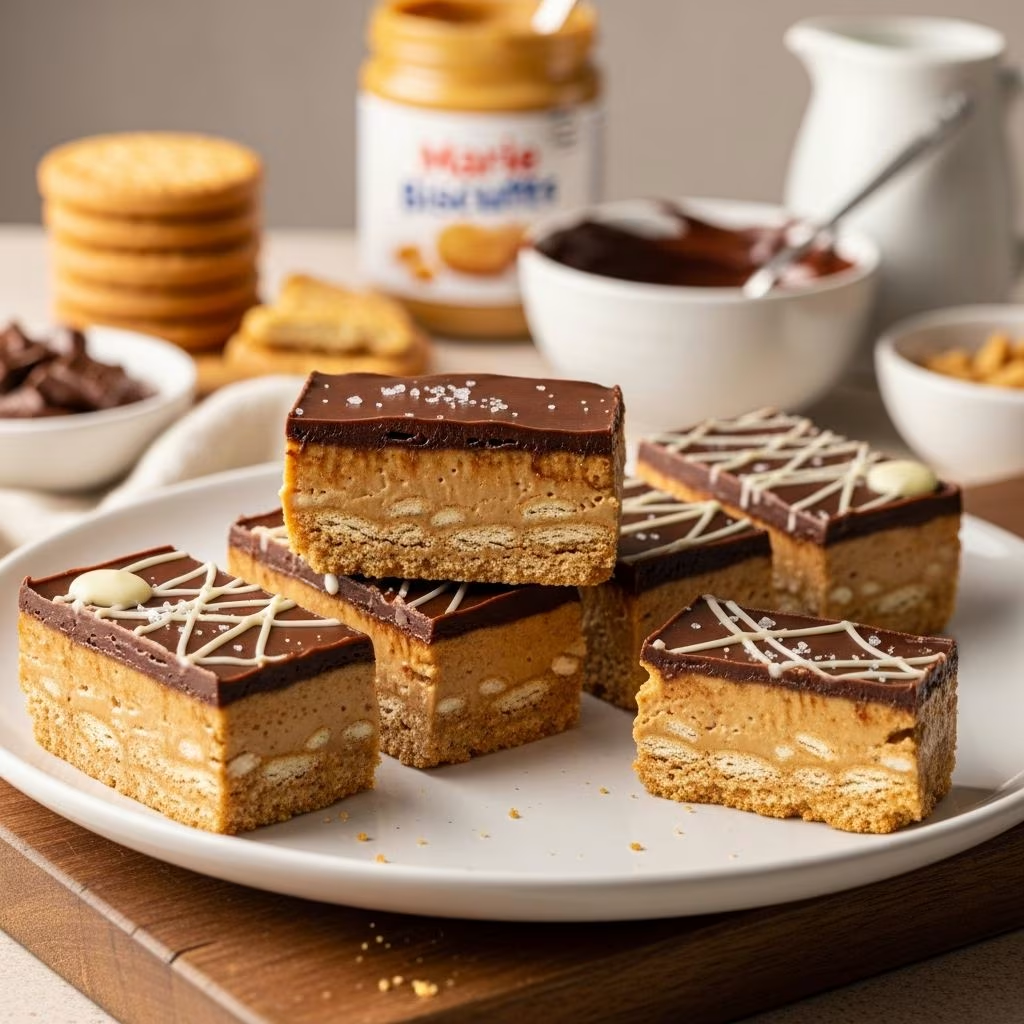
When you crave a delicious treat but want to avoid heating up the oven, no-bake Sweet Marie bars deliver the perfect solution. These beloved confections combine the irresistible duo of peanut butter and chocolate with a satisfying crunch from crispy rice cereal and peanuts. Whether you’re preparing dessert for a gathering, packing lunch boxes, or simply indulging a sweet tooth, this straightforward recipe yields impressive results with minimal effort and maximum flavor.
Understanding What Makes Sweet Marie Bars Special
Sweet Marie bars represent a timeless Canadian treat that has graced kitchen counters and dessert tables for generations. The appeal lies in their textural complexity and flavor balance—a chewy, nutty base layer capped with a smooth chocolate coating creates an experience that satisfies multiple cravings simultaneously. Unlike traditional baked confections, these bars require only stovetop preparation and refrigeration time, making them accessible to cooks of all skill levels.
The beauty of this recipe extends beyond ease of preparation. The combination of ingredients creates a naturally cohesive structure that requires no binders or leavening agents. Peanut butter serves as both a flavor foundation and a binding element, while the sweetness of corn syrup and brown sugar provides moisture and adhesion. The rice cereal contributes textural contrast, and chocolate offers the final flourish of richness.
Essential Ingredients for Success
Creating outstanding Sweet Marie bars begins with selecting quality ingredients. The base layer requires five fundamental components that work in concert:
- Peanut Butter: The star ingredient that defines these bars’ character. Smooth, creamy varieties work best for achieving a uniform texture, though natural peanut butter can work if stirred thoroughly before measuring.
- Brown Sugar: Provides molasses notes and moisture to the mixture. Lightly pack it when measuring for consistency.
- Corn Syrup: Acts as a binding agent and contributes to the chewy texture while adding subtle sweetness without overwhelming the palate.
- Butter: Enhances richness and aids in melting the other components smoothly.
- Crispy Rice Cereal: Delivers the signature crunch and creates air pockets throughout the bars.
- Peanuts: Add textural variety and reinforce the peanut flavor profile. Roasted, salted varieties work particularly well.
- Chocolate Chips: Form the crowning layer. Semi-sweet varieties provide balanced sweetness, though dark chocolate offers intensity for those who prefer less sugar.
The Step-by-Step Preparation Process
The preparation of Sweet Marie bars divides into three distinct phases: creating the base mixture, assembling the bars in their pan, and applying the chocolate topping.
Crafting the Foundation Layer
Begin by combining peanut butter, brown sugar, corn syrup, and butter in a medium saucepan. Heat this mixture over medium-low heat, stirring constantly as the components merge together. The key is achieving a smooth, uniform consistency without allowing the mixture to boil. Overheating can compromise the texture and create unwanted crystallization in the sugar components.
Once the mixture reaches a melted, smooth state, remove it from heat immediately. This is the precise moment to add any optional flavorings—a teaspoon of vanilla extract enhances depth without dominating the peanut butter notes. Stir well to incorporate.
Add the crispy rice cereal and peanuts to the warm mixture, folding gently with a spatula or wooden spoon until every piece of cereal becomes coated. This step requires care to avoid crushing the cereal, which would result in a dense rather than crispy finished product.
Shaping and Setting the Base
Transfer the cereal mixture to an 8-inch square baking pan lined with parchment paper. Using a spatula or your fingers (dampened with water to prevent sticking), press the mixture firmly and evenly into the pan. The goal is creating a compact, uniform layer that will hold together when cut.
Work quickly at this stage while the mixture remains warm and pliable. If it begins cooling and becoming difficult to work with, return the saucepan to low heat briefly to restore workability.
Applying the Chocolate Topping
While the base layer rests, melt the chocolate chips. This can be accomplished through several methods: melting in a small saucepan over low heat, using a double boiler for gentler heating, or employing a microwave at 50% power in 30-second intervals, stirring between each pulse.
Spread the melted chocolate evenly over the warm base layer. If the base has cooled, the chocolate sets more slowly but still adheres well. An offset spatula or the back of a spoon works effectively for achieving an even coating. For decorative effect, drizzle white chocolate in lines or patterns across the chocolate surface before it sets.
Timing and Refrigeration Guidelines
After chocolate application, transfer the pan to the refrigerator. Allow approximately 1 to 2 hours for the chocolate to set completely and the bars to firm throughout. Impatient removal results in soft, difficult-to-cut bars that may separate from their base.
Once fully set, remove the bars from the refrigerator and use the parchment paper handles to lift the entire block from the pan. Place on a cutting board and use a sharp knife to cut into individual squares. Warm the knife blade under hot water and wipe clean between cuts for cleaner edges and smoother cutting action.
Storage and Longevity Considerations
Properly stored Sweet Marie bars maintain quality for up to two weeks. Keep them in an airtight container in a cool location, or refrigerate them if your kitchen tends toward warmth. The chocolate layer may become slightly brittle when cold, so removing bars 15 minutes before consumption allows them to soften slightly, enhancing texture.
For longer storage, these bars freeze exceptionally well for up to three months. Place them in a freezer-safe container with parchment paper between layers to prevent sticking. Thaw at room temperature for 30 minutes before serving.
Creative Variations and Customizations
While the classic recipe requires no modification, several simple adaptations allow for personalization:
| Variation | Ingredient Changes | Effect |
|---|---|---|
| Nut-Free Version | Replace peanuts with sunflower seeds or omit entirely | Maintains crunch while accommodating allergies |
| Dark Chocolate Indulgence | Use dark chocolate chips instead of semi-sweet | Adds sophistication and reduces perceived sweetness |
| Honey Sweetened | Substitute raw honey for corn syrup | Provides subtle floral notes and natural sweetness |
| Butterscotch Blend | Mix chocolate and butterscotch chips for topping | Creates complex caramel undertones |
| Vanilla Enhanced | Add 1-2 teaspoons vanilla extract to base | Deepens flavor complexity |
Troubleshooting Common Challenges
Even straightforward recipes occasionally present difficulties. Understanding potential issues and their solutions ensures success:
- Bars Won’t Hold Together: This typically indicates insufficient binding. Verify that the peanut butter-sugar mixture was heated adequately to dissolve components. Alternatively, the mixture may have cooled too much before pressing into the pan. Reheat gently if necessary.
- Cereal Tastes Stale: Always use fresh cereal from a recently opened box. Stale cereal compromises both flavor and texture. Store cereal in airtight containers once opened to maintain crispness.
- Chocolate Won’t Set Smoothly: Ensure the chocolate doesn’t contain water or moisture, which causes seizing. Use dry utensils and avoid steam when melting. If seizing occurs, try adding a small amount of coconut oil or butter to restore workability.
- Bars Cut Unevenly: Use a hot, wet knife and wipe between each cut for cleanest results. If bars are too hard, allow them to sit at room temperature briefly to soften slightly.
- Oil Separation in Peanut Butter: This is natural with natural peanut butter varieties. Stir thoroughly before measuring, or use conventional creamy peanut butter if uniformity is paramount.
Frequently Asked Questions
Can I make these bars without corn syrup?
Yes, alternatives include light honey, brown rice syrup, or even agave nectar. Each imparts slightly different flavor notes but provides similar binding properties. Adjust quantities if using honey, as it may require slightly less due to increased moisture content.
Are these bars suitable for vegan diets?
Absolutely. Substitute dairy butter with vegan margarine or coconut oil, and use dairy-free chocolate chips. Verify that the peanut butter contains no animal products—most natural varieties are inherently vegan.
What size pan should I use if I want thicker bars?
An 8-inch square pan produces standard thickness. For thicker bars, compress the recipe into a 6-inch square pan. For thinner, crispier bars, use a 9×13-inch pan and reduce thickness accordingly.
How many bars does this recipe yield?
An 8-inch square pan typically yields 16 bars when cut into 2-inch squares, or 20-24 smaller portions. Yield depends on desired serving size and cutting preference.
Can I add other mix-ins to the base layer?
Certainly. Shredded coconut, mini marshmallows, or chopped pretzels work well. Add them with the cereal, ensuring they won’t negatively impact texture or shelf stability.
Why did my bars separate from the base layer?
This usually results from chocolate applied to a base that had cooled too completely. Warm bases allow better adhesion. Additionally, ensure the base is pressed firmly into the pan with no loose particles.
Serving Suggestions and Pairing Ideas
Sweet Marie bars serve successfully in numerous contexts. As a lunchbox addition, they provide satisfying sweetness and sustained energy from peanut butter and cereals. At dessert tables, they appeal to those seeking alternatives to more decadent options. Paired with cold milk or coffee, they offer classic comfort-food satisfaction.
For entertaining, arrange bars on tiered platters garnished with parchment paper for an appealing presentation. The bars’ structured, uniform nature allows for attractive display without requiring special plating techniques.
The Enduring Appeal of This Timeless Treat
Sweet Marie bars embody dessert simplicity at its finest. With straightforward ingredients, minimal equipment requirements, and no baking necessary, they democratize homemade confectionery. Their textural complexity—chewy, nutty, and chocolatey—satisfies diverse preferences, while their shelf stability and make-ahead nature render them ideal for busy households and advance preparation.
Whether you’re discovering these bars for the first time or recreating a cherished childhood memory, this recipe delivers consistent, delicious results that require only enthusiasm and basic kitchen skills. The reward far exceeds the modest effort invested, making these bars a worthy addition to any baker’s repertoire.
References
- No-Bake Candy and Confection Making Guide — University of Minnesota Extension. 2023. https://extension.umn.edu/food-preservation/making-candy
- Food Safety Guidelines for No-Bake Recipes — United States Department of Agriculture (USDA) Food Safety and Inspection Service. 2024. https://www.fsis.usda.gov/food-safety
- Chocolate Tempering and Melting Best Practices — The Kitchn (supported by culinary science research). 2023. https://www.thekitchn.com/
- Understanding Rice Cereal Nutritional Composition — Kellogg Company Nutritional Reference. 2024. https://www.kelloggs.com