Understanding the Essence of Punjabi Chicken Cuisine
Punjabi cuisine represents one of North India’s most celebrated culinary traditions, known for its bold flavors, generous use of ghee and oil, and hearty preparations. The distinctive Punjabi chicken in thick gravy stands as a cornerstone of this regional food heritage. This classic preparation emerges from the humble dhabas—roadside restaurants—scattered across Punjab and neighboring regions, where generations have perfected the craft of creating deeply satisfying curries. The dish exemplifies the region’s preference for robust spice blends combined with creamy, luxurious gravies that cling to each morsel of tender chicken.
What distinguishes this particular preparation from other Indian curries is the meticulous balance between heat, aromatics, and creaminess. The gravy achieves its signature thickness through a combination of yogurt, ground cashews, and coconut paste, creating a velvety coating that absorbs the complex flavors of the spice blend. Unlike lighter curries that feature broth-based sauces, the Punjabi version prioritizes a clingy, substantial gravy that demands fresh, warm bread to appreciate fully.
Essential Ingredients for Building Layers of Flavor
Creating an authentic Punjabi chicken curry requires understanding the role each ingredient plays in constructing the final dish. Quality ingredients matter significantly because they contribute individual flavor notes that collectively create the complex taste profile this cuisine is renowned for.
Protein Foundation
- Chicken Selection: Medium-cut pieces with bones intact work best, as they release gelatin and bone marrow that enrich the gravy. Approximately 1 kilogram serves four to five people. The bones contribute depth and prevent the meat from becoming dry during extended cooking.
- Marination Base: Yogurt acts as both a tenderizer and a gravy builder. Between half to three-quarters cup whisked yogurt mixed with salt and turmeric should coat the chicken pieces thoroughly. Allow thirty minutes for these flavors to penetrate the meat.
Aromatic Building Blocks
- Onions: Three medium onions create the foundation for the spice paste. The cooking process transforms raw onions into a golden, caramelized component that provides natural sweetness and body.
- Ginger and Garlic: Fresh ginger and garlic—roughly two tablespoons of ginger-garlic paste—provide pungent heat and complexity that cannot be replicated with powders alone. Fresh aromatics brighten the overall flavor profile.
- Tomatoes: Two to three large tomatoes, finely chopped, add acidity that balances the richness while contributing color and subtle sweetness. Some preparations prefer tomato puree for a more integrated texture.
Spice Arsenal
- Whole Spices: Four green cardamom pods, two to three cinnamon sticks, and one black cardamom create aromatic warmth. These whole spices should be toasted briefly to awaken their essential oils.
- Ground Spices: Red chili powder (one to one and a half tablespoons), coriander powder (two teaspoons), cumin powder (one teaspoon), and turmeric powder work together to create the characteristic warm, slightly bitter undertone.
- Finishing Spice: Garam masala, added toward the end, provides the final aromatic lift that distinguishes well-made Punjabi preparations from mediocre versions.
Creaminess Contributors
- Cashew Paste: Half cup raw cashews ground with two tablespoons of grated coconut and minimal water create a luxurious paste that thickens and enriches the gravy.
- Fat Components: Two tablespoons each of ghee and oil establish the proper texture. Ghee provides aromatic richness while oil prevents the preparation from becoming too heavy.
The Methodical Cooking Process
Marination Phase: Building Foundational Flavor
Begin by rinsing your chicken pieces thoroughly and patting them dry. This removes excess moisture that could inhibit browning and prevents dilution of the marinade. Combine the chicken with salt, turmeric powder, and yogurt, ensuring every piece receives an even coating. Place in a bowl and refrigerate for exactly thirty minutes—this timeframe allows the yogurt’s acids to begin breaking down the meat’s muscle fibers while the turmeric imparts its earthy notes and golden color.
Creating the Spice Paste: The Critical Foundation
Heat two tablespoons of oil in a heavy-bottomed pan over medium heat. Add the whole spices—green cardamom, cinnamon, and black cardamom—allowing them to crackle and bloom for thirty to forty seconds. This toasting releases their volatile oils and prevents them from tasting harsh or raw in the final dish.
Add the sliced onions to the fragrant oil and cook for five to seven minutes, stirring frequently, until they transition from translucent to a light golden color. This intermediate stage is crucial—overcooked onions become bitter, while undercooked onions leave a raw sharpness.
Introduce the ginger-garlic paste and cook for another full minute, stirring constantly. This brief cooking melds these aromatics into the onion base while eliminating raw flavors. The mixture should become incredibly fragrant at this stage.
Allow this mixture to cool slightly, then transfer to a spice grinder or food processor. Add approximately three tablespoons of water and blend into a smooth, uniform paste. This paste becomes the flavor backbone for your entire curry.
Building the Gravy: Layering Flavors
Return the paste to your cooking vessel and place it over medium heat with the remaining two tablespoons of ghee. Fry the paste for three to four minutes, stirring constantly. You’ll notice the mixture becoming darker and more intensely fragrant—the ghee carries the aromatics forward while cooking out any raw flour-like taste from the spices.
Add the red chili powder, coriander powder, turmeric powder, and cumin powder to the paste. Stir vigorously for approximately five minutes. During this crucial phase, if the mixture begins sticking excessively, add a splash of water to prevent burning while allowing the spices to cook thoroughly.
Now introduce the finely chopped tomatoes. Fry for two to three minutes, breaking them down with the back of your spoon. This breaks down the tomato structure, allowing its acids to mingle with the spice blend while its natural sugars emerge.
Incorporating the Protein
Add the marinated chicken pieces along with their yogurt coating directly to your spice mixture. Increase the heat to medium-high and fry, stirring frequently, for three to four minutes. This action coats each chicken piece with the spiced gravy while the exterior of the chicken begins to firm up slightly.
Add one full glass of warm water and mix thoroughly, ensuring the gravy distributes evenly around the chicken. The mixture should appear quite liquid at this stage—don’t be concerned, as it will thicken during cooking.
The Cooking Phase: Patience and Attention
Cover the pan and reduce heat to low. Allow the chicken to cook for approximately eighteen to twenty minutes, stirring occasionally to prevent sticking and ensure even cooking. The chicken should be approximately ninety percent cooked at this point, with the meat beginning to show signs of pulling away from the bone.
Grind the raw cashews and grated coconut together with minimal water to create a smooth paste. Add this mixture to the partially cooked chicken and stir thoroughly. This addition dramatically changes the gravy’s texture, creating the signature creamy consistency.
Continue cooking uncovered over low heat for an additional three to four minutes. The gravy should reduce slightly, becoming thicker and more clingy. The oil should begin appearing on the surface—this indicates proper emulsification.
Final Adjustments and Garnish
Taste and adjust salt as needed. Add garam masala powder and dried fenugreek leaves (kasoori methi) if desired. These final additions brighten the dish and add complexity. Allow the curry to rest for two to three minutes off heat, which permits the flavors to settle and the gravy to set to proper consistency.
Transfer to a serving dish and garnish generously with fresh coriander leaves. The green brightness of coriander provides visual appeal and a fresh counterpoint to the rich, warm curry.
Critical Cooking Tips for Success
| Consideration | Best Practice |
|---|---|
| Chicken Quality | Select bone-in, skin-on pieces for maximum flavor contribution to the gravy |
| Spice Adjustments | Begin conservatively with chili powder; you can always add more but cannot remove heat |
| Cooking Temperature | Maintain low heat during the final cooking phase to prevent the yogurt and cream from breaking or curdling |
| Gravy Consistency | Add warm water gradually if additional gravy is desired; thick is preferable to thin |
| Rest Period | Allow the completed dish to rest five to ten minutes before serving for optimal flavor development |
Serving Suggestions and Pairings
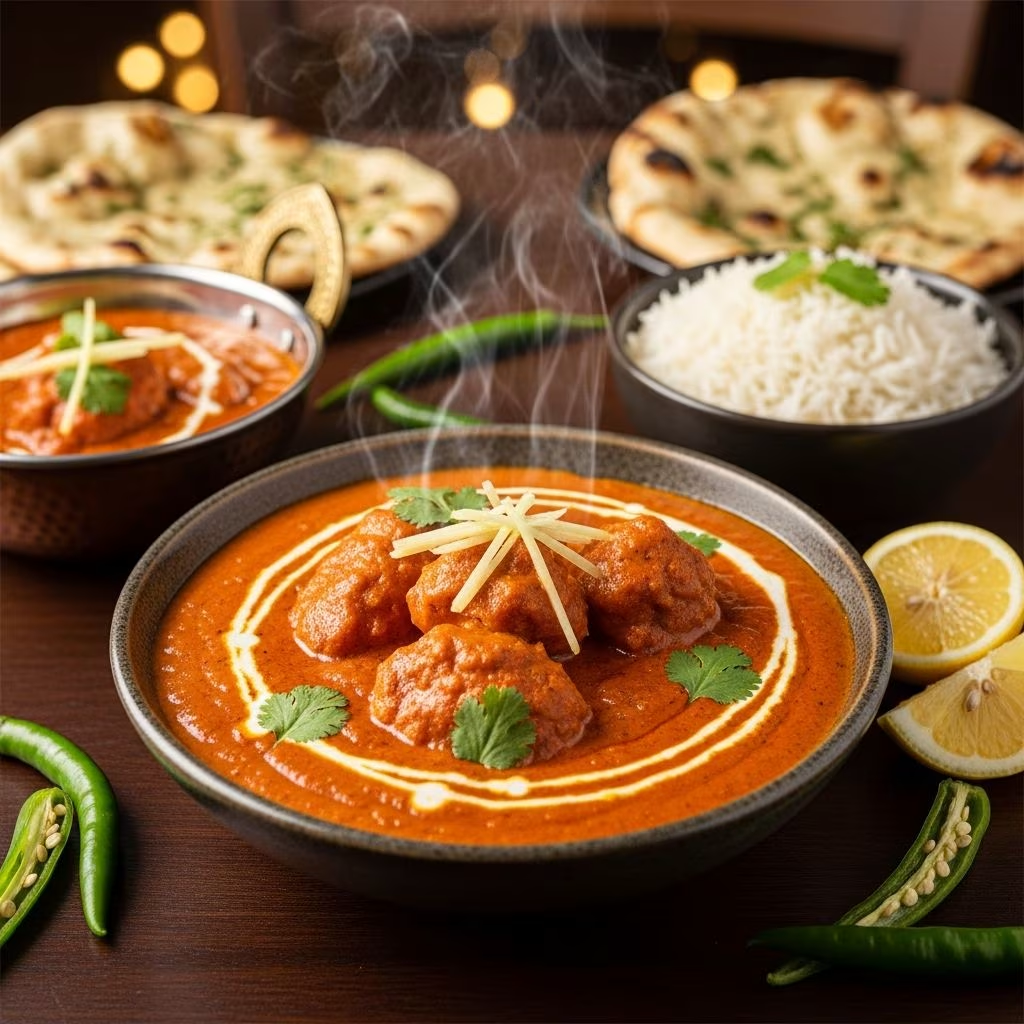
This Punjabi preparation finds its perfect complement in warm, fresh bread. Naan—especially butter naan or peshwari naan—provides the ideal vehicle for scooping the thick gravy. The bread’s slight chew and subtle sweetness balance the curry’s heat and richness.
Alternatively, roti or paratha offers a lighter bread option that doesn’t compete with the curry’s bold flavors. Some prefer pulao or ghee rice, which absorbs the gravy and creates a more unified dish.
For a contemporary plating approach, serve the curry in wide bowls with a generous portion of jasmine or basmati rice in the center, creating a composed presentation that simultaneously offers the option of eating rice and curry together or separately.
Frequently Asked Questions
Can I make this curry in advance?
Yes, this curry improves with time as flavors integrate and deepen. Prepare it up to two days ahead and refrigerate in an airtight container. Reheat gently over low heat, adding a splash of water if the gravy has thickened excessively during storage.
What if my gravy is too thin?
Simmer uncovered over medium heat until excess liquid reduces and the gravy reaches desired thickness. Alternatively, make an additional cashew-coconut paste and incorporate it, stirring thoroughly.
Can I substitute yogurt with something else?
Greek yogurt works excellently and creates an even richer texture. Sour cream can substitute in equal quantities, though it imparts a distinctly different flavor profile. Cream is not recommended as it lacks the yogurt’s tangy acidity.
Is it possible to make this curry without coconut?
Yes, use only ground cashews for the paste—approximately three-quarters cup ground with minimal water. The curry will be slightly less rich but maintains authentic flavor.
How do I reduce the spice level?
Begin with half the red chili powder specified and add more gradually during cooking. Use Kashmiri chili powder instead of regular red chili powder—it provides color and mild warmth without intense heat.
Troubleshooting Common Issues
If your chicken emerges tough or dry, you likely cooked it at too-high a temperature or for too long. The low, gentle heat is essential—the meat should poach in the flavorful gravy rather than braise aggressively.
A gravy that appears separated or broken typically results from cooking at excessive heat after yogurt incorporation. Always maintain low heat once dairy products enter the curry to prevent curdling.
Bland-tasting results often indicate insufficient spice paste cooking time. Ensure you fry the paste with oil for at least five minutes—this develops the spices’ full flavor potential rather than leaving them tasting raw or muted.
Conclusion: Mastering a Culinary Classic
Creating Punjabi chicken in thick gravy represents an achievable goal for home cooks willing to follow methodology and respect each ingredient’s role. The preparation demands patience rather than advanced technique, making it accessible to cooks of varying experience levels. The rich, deeply satisfying result—a tender protein cloaked in aromatic, creamy sauce—justifies the modest effort required. Once you understand the fundamental approach, you’ll confidently adjust spice levels and ingredient proportions to match your preferences, ultimately creating your own signature version of this beloved North Indian classic.
References
- Punjabi Chicken Curry / Thick gravy Chicken Curry — Meemis Kitchen. 2017-04-25. https://meemiskitchen.com/2017/04/25/punjabi-chicken-curry-thick-gravy-chicken-curry/
- Dhaba Style Chicken Curry – Sinfully Spicy — Sinfully Spicy. https://sinfullyspicy.com/indian-dhaba-chicken-curry-recipe/
- Punjabi Chicken Curry — Honey, Whats Cooking. https://www.honeywhatscooking.com/punjabi-chicken-curry/