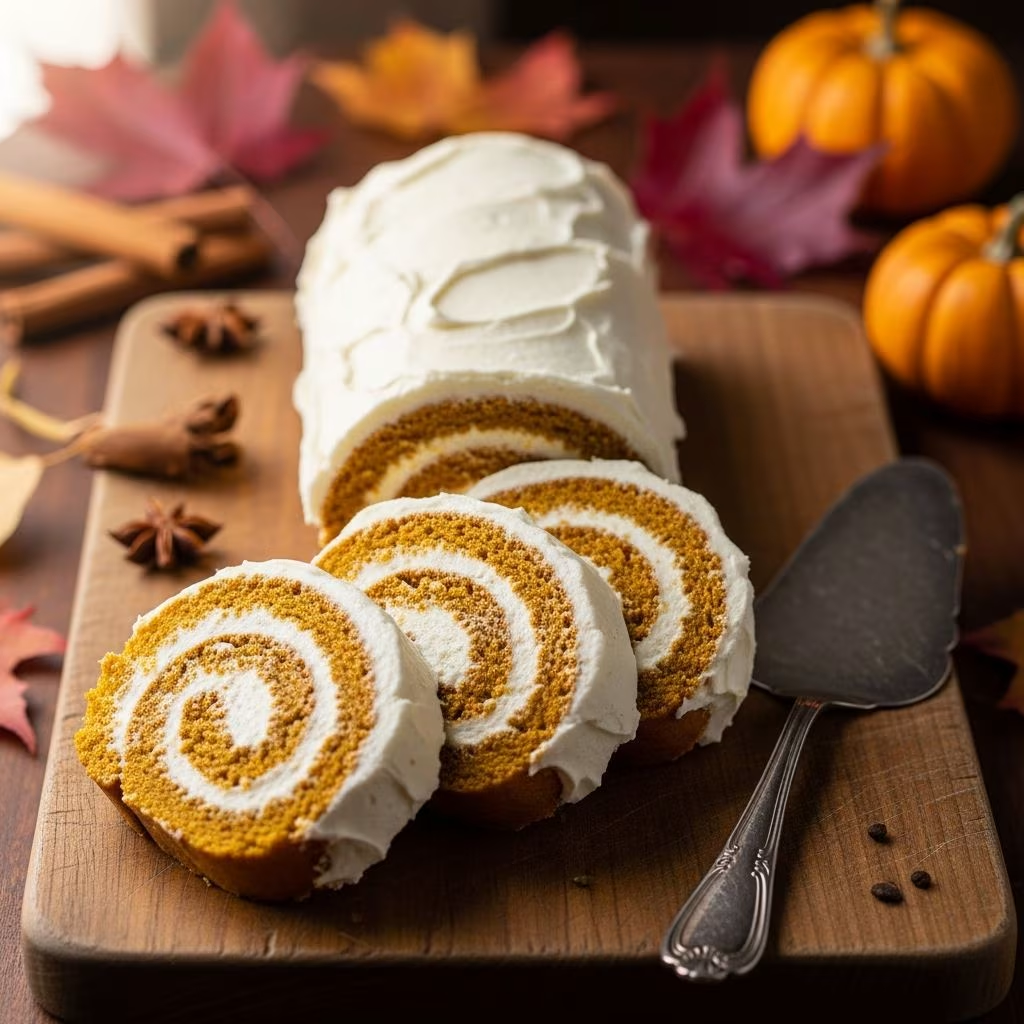
Pumpkin roll cake represents one of autumn’s most beloved desserts, combining the warmth of fall spices with the elegance of a carefully constructed cake. This spiral-shaped treat features a tender, moist pumpkin cake base that wraps around a rich and tangy cream cheese filling. Whether you’re preparing for a holiday gathering or simply craving a seasonal indulgence, learning to make this classic dessert from scratch opens the door to impressive homemade baking.
Understanding the Pumpkin Roll Cake Components
A successful pumpkin roll consists of three essential components that work together to create the finished dessert. The foundation begins with a delicate pumpkin-spiced cake that bakes thin and evenly in a jelly roll pan. This cake must maintain the right texture—sturdy enough to roll without tearing, yet moist enough to remain tender after cooling. The second element involves the cream cheese filling, which provides a smooth, tangy contrast to the warm spices of the cake. Finally, the technique of rolling and chilling brings everything together into a professional-looking presentation.
Essential Equipment and Ingredients
Success with pumpkin roll baking begins with gathering the right tools and quality ingredients. The proper equipment ensures even baking and successful assembly without frustration.
Required Equipment
- A 10×15-inch jelly roll pan or rimmed baking sheet
- Parchment paper for easy removal and handling
- Mixing bowls in various sizes
- Electric mixer or whisk for combining ingredients
- Measuring cups and spoons for accuracy
- Flour sack towel or clean kitchen towel
- Wire cooling rack
- Offset spatula for spreading filling
Cake Ingredients
The cake portion requires pantry staples combined with pumpkin puree and warming spices. Use all-purpose flour as your base, along with baking powder to provide lift. Salt balances the sweetness, while cinnamon, nutmeg, ginger, and cloves create the signature autumn flavor profile. Eggs provide structure and richness, and granulated sugar sweetens the batter. Finally, pumpkin puree—either canned or homemade—gives the cake its distinctive color and subtle flavor.
Filling Ingredients
The cream cheese filling requires just five simple ingredients. Softened cream cheese forms the base, while butter adds smoothness and helps create the proper consistency. Powdered sugar sweetens the filling and contributes to its fluffy texture. Vanilla extract enhances all the flavors, and many recipes include a touch of maple syrup or additional spices to complement the pumpkin cake.
Preparing Your Workspace and Pans
Proper pan preparation prevents sticking and makes the rolling process significantly easier. Line your jelly roll pan with parchment paper, allowing extra inches to hang over the long sides. This overhang provides handles for lifting the finished cake from the pan. Generously spray the parchment with non-stick cooking spray, ensuring complete coverage. Some bakers prefer greasing and flouring the pan instead, which also works well if you lack parchment paper.
Have a clean kitchen towel or flour sack towel ready before mixing your batter. Sprinkle this towel lightly with powdered sugar, which prevents sticking when you turn out the hot cake. This preparation step, completed before baking begins, eliminates scrambling for supplies when working with hot cake.
The Cake Batter Foundation
Combining Dry Ingredients
Begin by whisking together all dry ingredients in a large bowl. Combine the flour, baking powder, salt, and spice mixture thoroughly. This step ensures even distribution of leavening agents and spices throughout the cake. Mixing these ingredients separately before combining with wet ingredients prevents overmixing, which would develop gluten and create a tough cake.
Preparing Wet Ingredients
In a separate bowl, beat the eggs on high speed for several minutes until they become light, fluffy, and pale in color. This extended beating incorporates air into the eggs, which helps the cake rise properly. Add sugar gradually while continuing to beat, then gently fold in the pumpkin puree. The mixture should appear creamy and well-combined, though some slight streaking is acceptable.
Bringing It Together
Pour the dry ingredients into the wet mixture and stir gently until just combined. Avoid overmixing at this stage, as excessive stirring develops gluten and results in a dense, tough cake. Spread the batter evenly into the prepared pan using an offset spatula or the back of a spoon. Tap the bottom of the pan on the counter several times to release trapped air bubbles, which helps the cake bake evenly.
Baking and Cooling Techniques
Achieving Perfect Bake Time
Bake your pumpkin roll at 375°F for 13 to 15 minutes. The cake is done when a toothpick inserted into the center comes out clean or with just a few moist crumbs. Watch closely during the final minutes, as every oven behaves differently. Overbaking dries out the cake and makes rolling difficult, while underbaking leaves it too fragile to handle.
The Critical Rolling Process
The moment the cake exits the oven marks a crucial step in the pumpkin roll-making process. While the cake remains hot, run a butter knife around all edges to loosen it from the pan. Turn the pan upside down onto your prepared, powdered sugar-dusted towel. The cake should release easily, particularly if you’ve used parchment paper. If needed, gently tap the back of the pan to encourage release.
Starting at a short end, carefully roll the cake inside the towel while it remains warm. The heat makes the cake pliable and prevents cracking that would occur if you attempted to roll a cooled cake. Roll steadily but gently, keeping even pressure throughout. Once rolled, allow the cake to cool completely on a wire rack. This cooling period helps the cake set in its rolled shape, ensuring it maintains its form during filling and slicing.
Creating the Cream Cheese Filling
While your cake cools, prepare the filling by combining all ingredients. Beat softened cream cheese and butter together until smooth and creamy. Gradually add powdered sugar, beating until the mixture reaches a fluffy consistency. Add vanilla extract and any additional flavorings, mixing until fully incorporated. The finished filling should be spreadable but not runny.
Some variations include maple syrup for additional depth, or a pinch of cinnamon to echo the cake’s spice profile. Experimenting with these additions allows you to personalize your pumpkin roll while maintaining the traditional structure of the dessert.
Assembly and Finishing
Once the cake has cooled completely, carefully unroll it. Spread the cream cheese filling evenly over the cake surface, leaving about a half-inch border on all sides. This border prevents filling from squishing out when you re-roll the cake. Using your hands or the edge of the towel, gently re-roll the cake without the towel, creating a tight spiral.
Place the finished roll on a serving plate or store it seam-side down on parchment paper. Wrap it loosely with plastic wrap and refrigerate for at least 30 minutes before serving. This chilling time allows the filling to set and the flavors to meld together. Many bakers find that a pumpkin roll tastes even better the next day after the flavors have developed further.
Serving and Storage Suggestions
Slice your pumpkin roll using a sharp, thin-bladed knife, wiping the blade clean between cuts for neat presentation. A serrated knife works well for cutting without compressing the cake. Dust the finished slices with additional powdered sugar if desired, or serve with whipped cream or a dollop of cream cheese frosting.
Store your pumpkin roll in the refrigerator wrapped in plastic wrap for up to five days. It can also be frozen for up to three months, making it an excellent dessert to prepare ahead for gatherings. Thaw frozen pumpkin roll in the refrigerator overnight before serving.
Common Challenges and Solutions
| Challenge | Cause | Solution |
|---|---|---|
| Cake cracks when rolling | Cake cooled before rolling or overbaked | Roll while hot; watch baking time carefully |
| Filling leaks out | Too much filling applied or filling too soft | Use less filling; ensure cream cheese is softened not melted |
| Dense, tough cake texture | Overmixing batter | Stir only until dry ingredients disappear |
| Cake won’t release from pan | Insufficient pan greasing | Use parchment paper and spray generously |
| Uneven baking | Pan not level or oven temperature incorrect | Use oven thermometer; rotate pan halfway through |
Frequently Asked Questions
Can I use homemade pumpkin puree instead of canned?
Yes, homemade pumpkin puree works wonderfully in pumpkin roll cake. Ensure it’s cooked down sufficiently to reduce excess moisture, which can affect cake texture. You may need to drain homemade puree through a fine-mesh strainer for several hours or overnight before using.
What if I don’t have a jelly roll pan?
A standard 10×15-inch rimmed baking sheet works as an adequate substitute. The dimensions matter more than the specific pan type, as this size ensures even baking and proper cake thickness for rolling.
How far in advance can I make a pumpkin roll?
You can prepare pumpkin roll up to three days before serving and store it in the refrigerator. For longer storage, freeze the completed roll for up to three months. Thaw it slowly in the refrigerator before serving to preserve texture and flavor.
Can I make mini pumpkin rolls instead of one large roll?
Yes, you can portion the batter into smaller pans or slice the completed roll into individual portions. Smaller rolls bake faster, so reduce baking time accordingly and watch carefully to avoid overbaking.
What spices are essential for authentic pumpkin roll flavor?
Cinnamon, nutmeg, ginger, and cloves create the traditional pumpkin spice blend. While you can use commercial pumpkin pie spice, combining individual spices allows flavor adjustment to your preferences and often provides fresher taste.
Variations to Explore
Once you’ve mastered the classic pumpkin roll, numerous variations offer creative twists. Some bakers add chopped pecans or walnuts to the filling for added texture and richness. Others incorporate cream cheese directly into the batter for a denser, more indulgent cake. Maple syrup in the filling emphasizes autumn flavors, while a touch of espresso powder in the filling adds unexpected depth.
For a lighter version, Greek yogurt can partially replace cream cheese in the filling, reducing richness while maintaining creaminess. Brown butter in the filling imparts nutty complexity that complements both the pumpkin cake and spices beautifully.
Why Homemade Pumpkin Roll Surpasses Store-Bought
Making pumpkin roll from scratch yields superior results compared to store-bought versions. You control ingredient quality and freshness, avoid unnecessary preservatives, and customize flavors to personal preference. The aroma of pumpkin spices filling your kitchen, combined with the satisfaction of presenting a homemade dessert, creates an experience that no commercial bakery can replicate.
Homemade pumpkin roll also costs significantly less than purchasing from bakeries, making it an economical choice for feeding a crowd. The technique, once mastered, becomes simple enough for regular preparation, transforming this elegant dessert into a reliable go-to recipe throughout autumn and holiday seasons.
References
- The Carefree Kitchen — Pumpkin Roll Recipe — The Carefree Kitchen. Accessed 2026-04-10. https://thecarefreekitchen.com/pumpkin-roll/
- Tastes Better From Scratch — Classic Pumpkin Roll — Tastes Better From Scratch. Accessed 2026-04-10. https://tastesbetterfromscratch.com/classic-pumpkin-roll/
- Melissa K. Norris — Grandma’s Easy Pumpkin Roll Cake Recipe — Melissa K. Norris. Accessed 2026-04-10. https://melissaknorris.com/pumpkin-roll-recipe-from-grandma-with-fresh-pumpkin/