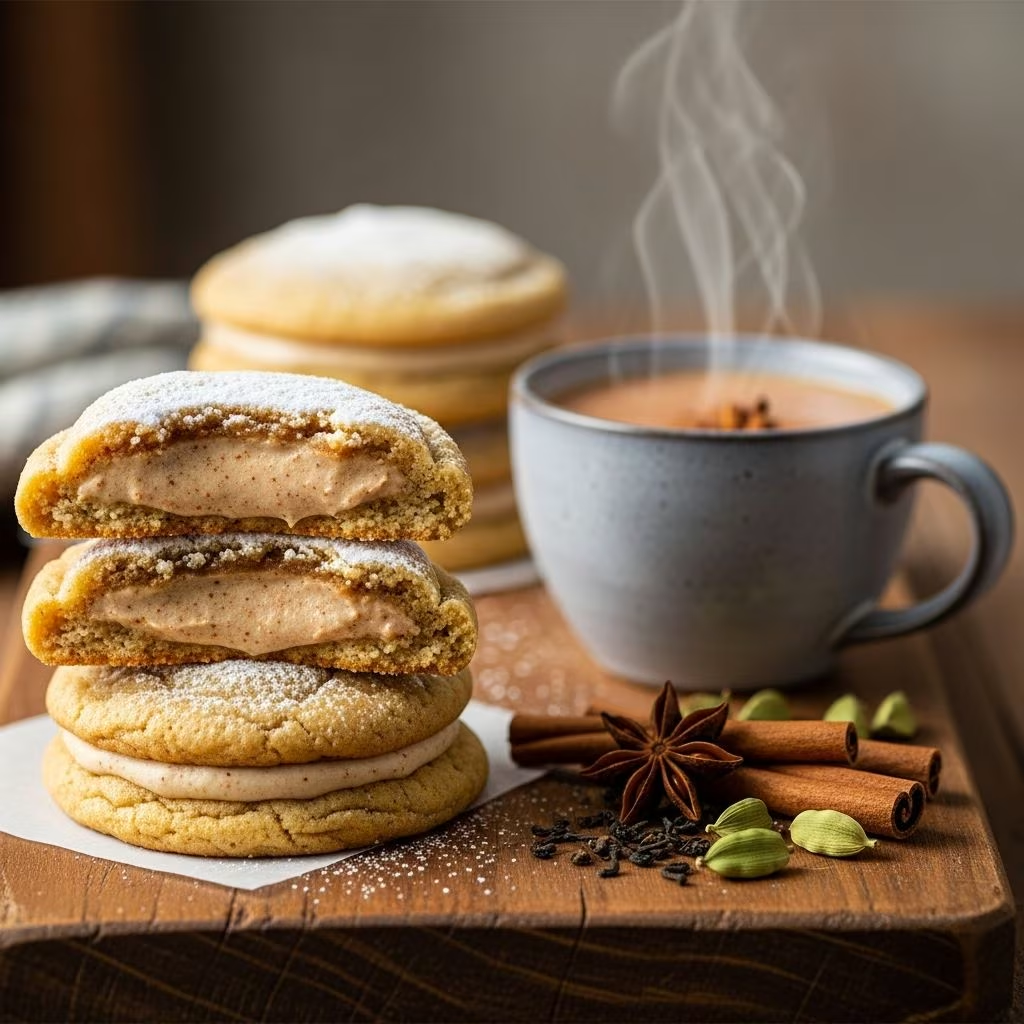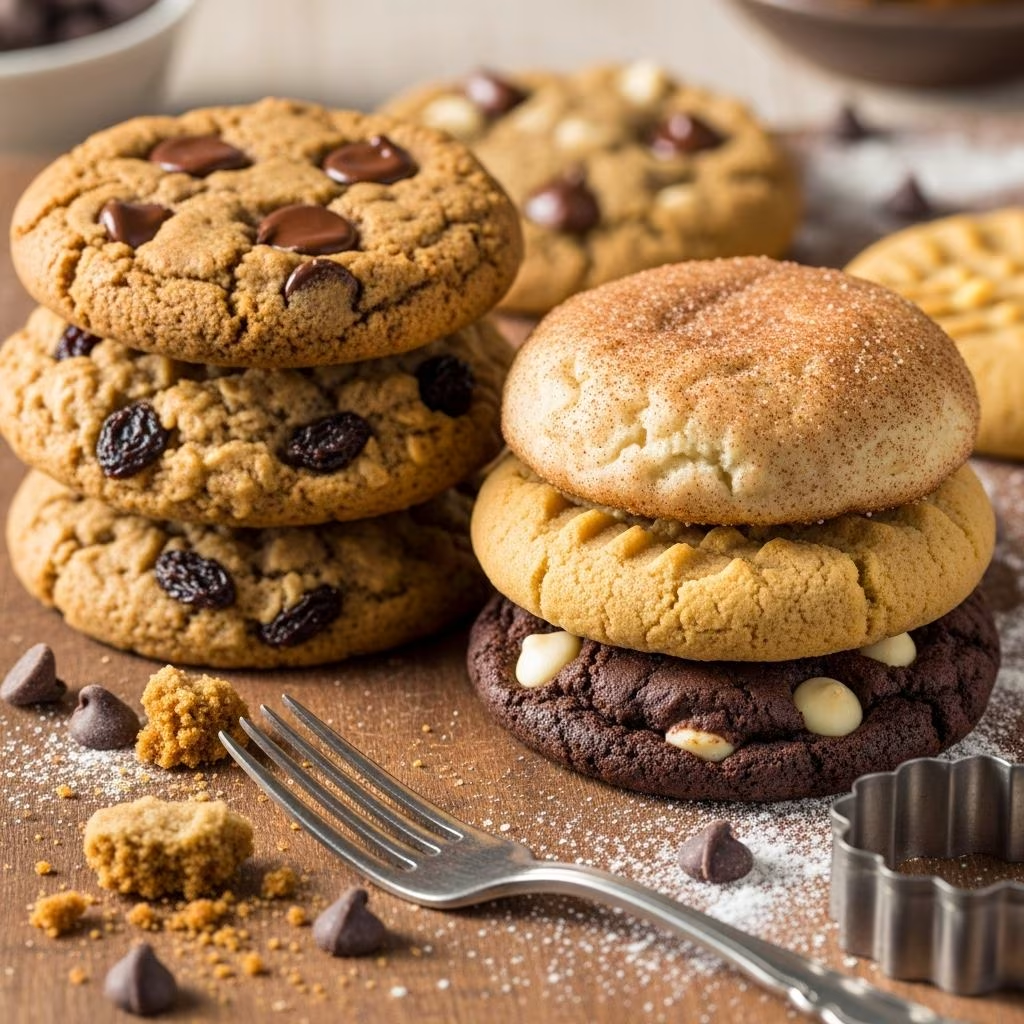
Homemade chewy cookies represent the pinnacle of simple baking joy, offering a texture that’s soft in the center with just the right amount of pull. Unlike crisp or cakey varieties, chewy cookies strike a balance that keeps them moist and satisfying long after baking. This guide draws inspiration from timeless recipes to help you craft batches that rival professional bakeries, using everyday ingredients and straightforward methods.
Why Chewy Cookies Captivate Bakers Everywhere
Chewy cookies have earned a devoted following because they deliver consistent delight. Their appeal lies in the science of ingredients interacting under heat: sugars draw in moisture, fats tenderize the dough, and precise baking times prevent over-drying. Home bakers love them for their forgiving nature—small tweaks yield big flavor boosts without advanced skills.
Perfect for impromptu gatherings or quiet afternoons, these treats evoke nostalgia while inviting experimentation. Whether studded with chocolate chunks or spiced with warm flavors, chewy cookies adapt to any pantry, making them a staple in kitchens worldwide.
Essential Ingredients for Perfect Chew
Building a chewy cookie starts with quality basics. Here’s a breakdown of key players:
- Flours: A mix of all-purpose and bread flour adds structure without toughness. Bread flour’s higher protein content helps trap steam for that signature chew.
- Fats: Butter provides richness, but chilling it ensures even spread. Brown sugar’s molasses content retains moisture for softness.
- Sweeteners: Granulated sugar crisps edges, while brown sugar dominates for chewiness. A 2:1 brown-to-white ratio is ideal.
- Eggs and Leaveners: Yolks add moisture; baking soda creates lift without excess spread.
- Add-Ins: Chocolate chips, nuts, or oats enhance texture—opt for high-quality pieces that melt smoothly.
| Ingredient | Role in Chewiness | Substitution Tip |
|---|---|---|
| Brown Sugar | Retains moisture via molasses | White sugar + molasses (1 cup + 1 tbsp) |
| Butter | Tenderizes and flavors | 80% fat margarine |
| Bread Flour | Boosts gluten for structure | All-purpose + vital wheat gluten |
| Cornstarch | Softens texture | 1 tsp per cup flour |
Step-by-Step Recipe for Classic Chewy Cookies
This foundational recipe yields about 24 cookies, each roughly 3 inches wide with a golden edge and soft core. Prep time: 15 minutes. Chill: 30 minutes. Bake: 10-12 minutes.
Dough Preparation
- Preheat oven to 350°F (175°C). Line sheets with parchment.
- Cream 1 cup softened butter with ¾ cup brown sugar and ¼ cup white sugar until light, about 4 minutes.
- Beat in 1 egg yolk, 2 tsp vanilla extract, and 1 tsp molasses for depth.
- Whisk 1¼ cups all-purpose flour, 1 cup bread flour, 1 tsp cornstarch, ½ tsp baking soda, and ½ tsp salt. Fold into wet mix.
- Mix in 1½ cups chocolate chunks. Dough will be thick.
Baking and Cooling
Scoop 2-tbsp portions, roll into balls, and space 2 inches apart. Bake 10-11 minutes until edges set but centers are soft. Cool on sheet 5 minutes before transferring— this step solidifies the chew.
Pro tip: For extra chew, press a thumbprint and add sea salt flakes post-bake.
Mastering Texture: Tips from Seasoned Bakers
Achieving reliable chewiness demands attention to detail. Chill dough 30-60 minutes to prevent spreading. Use room-temperature ingredients for even emulsion. Avoid overmixing, which develops excess gluten.
- Oven Placement: Middle rack ensures uniform heat.
- Doneness Check: Edges golden, centers pale—no dry cracks.
- Pan Choice: Light aluminum sheets conduct heat evenly.
Humidity affects results; in dry climates, add 1 tsp milk to dough. Test one sheet first to dial in timing for your oven.
Flavor Variations to Elevate Your Bake
Once mastered, tweak the base for endless options:
- Peanut Butter Swirl: Fold in ½ cup chunky peanut butter; top with flakes.
- Oatmeal Raisin: Add 1 cup oats, ½ cup raisins, ½ tsp cinnamon.
- Double Chocolate: Swap half chocolate for cocoa powder; use dark chunks.
- Lemon Burst: Zest 1 lemon into dough; pair with white chocolate.
- Salted Caramel: Drizzle baked cookies with caramel and flaky salt.
Each variation maintains chew by preserving the sugar-fat balance.
Storage Secrets for Lasting Freshness
Fresh-baked cookies peak day one, but proper storage extends enjoyment. Cool fully before airtight containers. Layer with parchment to avoid sticking.
- Room Temp: Up to 5 days in sealed tin.
- Freezer: Dough balls freeze 3 months; bake from frozen, add 1 minute.
- Baked Cookies: Freeze in bags up to 2 months; thaw at room temp.
Revive day-old cookies: microwave 10 seconds or oven-warm at 300°F for 5 minutes.
Common Mistakes and How to Avoid Them
Even pros slip up. Here’s how to sidestep pitfalls:
- Flat Cookies: Dough too warm or leavener old—chill and test soda with vinegar.
- Cakey Texture: Too much flour—spoon and level, don’t pack.
- Burnt Edges: Dark pans absorb heat; rotate midway.
- Dry Results: Overbaked—pull at 10 minutes.
Troubleshoot by noting variables like altitude (reduce leavener 25% above 3,000 ft).
Scaling Up for Crowds or Gifting
Double the recipe seamlessly, but mix in batches to avoid overworking. For gifts, package in tins with wax paper dividers. Bake-ahead dough logs slice evenly for uniform cookies.
Host tip: Offer a cookie bar with mix-ins for guests to customize.
Nutritional Insights and Dietary Adaptations
A standard cookie clocks 150-200 calories, rich in carbs and fats. Adapt for needs:
- Gluten-Free: 1:1 flour blend + xanthan gum.
- Vegan: Plant butter, flax egg (1 tbsp flax + 3 tbsp water).
- Lower Sugar: Half sugar, add applesauce for moisture.
Portion control keeps indulgence guilt-free.
Pairing Ideas for Cookie Perfection
Elevate with milk (cold cuts richness), coffee (bitter balances sweet), or ice cream sandwiches. Seasonal twists: pumpkin spice lattes in fall, lemonade in summer.
Frequently Asked Questions
Why are my cookies spreading too much?
Chill dough longer or use more flour. Fresh leaveners help too.
Can I make dough ahead?
Yes, refrigerate up to 72 hours for intensified flavor.
How do I get bakery-style thickness?
High dough-to-bake ratio and cool pans.
What’s the best chocolate for melting?
60% cacao chunks or disks.
Freezing affects texture?
Bake from frozen for identical results.
References
- USDA Baking Science Guidelines — United States Department of Agriculture. 2024-01-15. https://www.ars.usda.gov/ARSUserFiles/60701000/Baking%20Science.pdf
- Food Chemistry of Cookies — Journal of Food Science (Wiley). 2023-05-20. https://doi.org/10.1111/1750-3841.16678
- Leavening Agents in Baking — FDA Food Safety Division. 2025-02-10. https://www.fda.gov/food/food-ingredients-packaging/leavening-agents
- Gluten Development in Cookie Dough — American Society of Baking. 2024-11-03. https://asbe.org/research/gluten-baking
- Moisture Retention Techniques — Institute of Food Technologists. 2023-08-12. https://www.ift.org/news-and-publications/food-technology-magazine/issues/2023/august/features/moisture-in-baked-goods