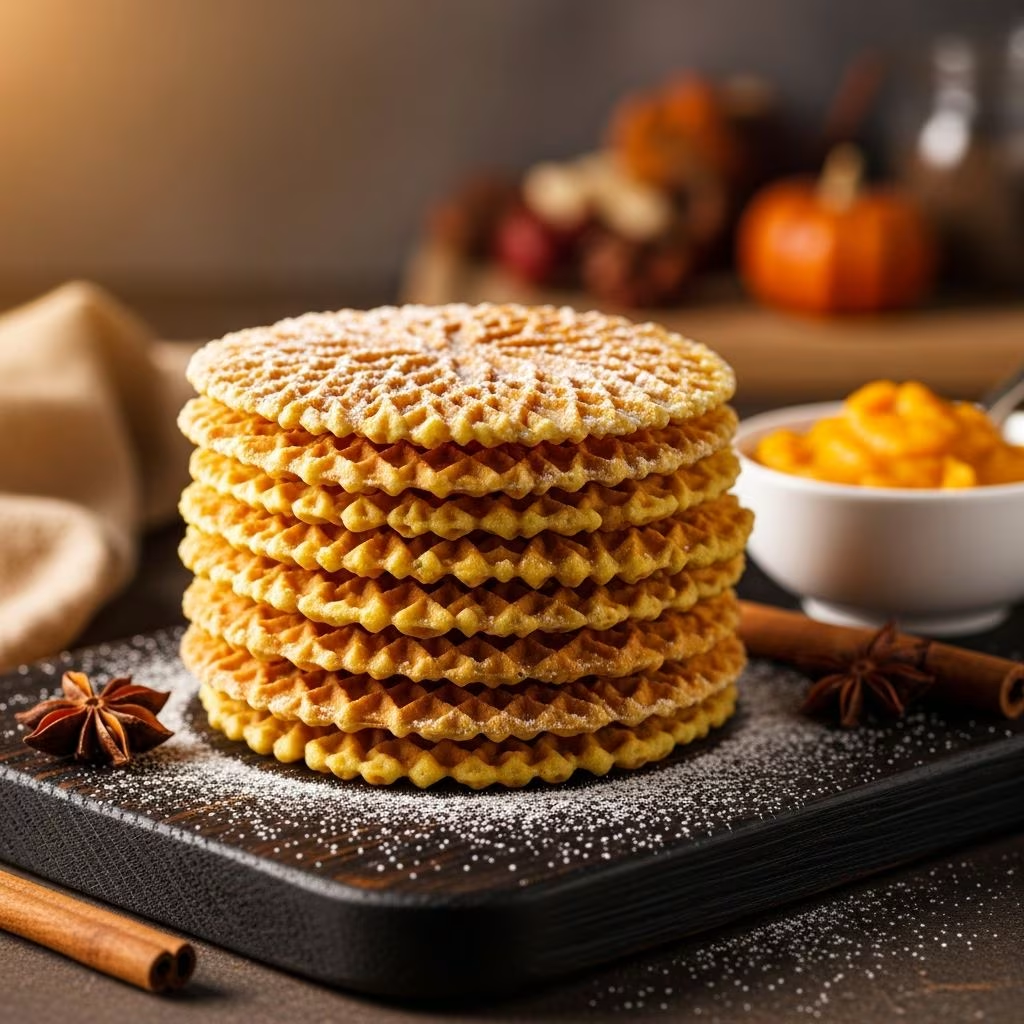
When autumn arrives, bakers everywhere search for creative ways to incorporate the season’s signature flavors into their creations. Among the most elegant and impressive options is the pumpkin pizzelle—a delicate, waffle-like cookie that brings together traditional Italian craftsmanship with quintessential fall spices. These thin, crispy treats deliver an authentic pumpkin experience in every bite, making them perfect for seasonal celebrations, gift-giving, or simply enjoying with morning coffee. Whether you’re an experienced baker or someone exploring new dessert territory, understanding how to create these stunning cookies opens up a world of culinary possibilities.
Understanding Pizzelles and Their Seasonal Potential
Pizzelles represent a cornerstone of Italian baking tradition, tracing their roots back centuries to European confectionery practices. These distinctive cookies are created using specialized iron molds that imprint beautiful, delicate patterns across their surface. The traditional approach involves a pizzelle maker—a hinged press that distributes heat evenly across thin batter layers, creating the cookie’s signature crisp texture and ornate appearance.
The beauty of pizzelles lies in their versatility. While classic versions feature simple vanilla or anise flavoring, modern adaptations have opened new possibilities. The pumpkin variation represents one of the most celebrated seasonal innovations, combining the cookies’ elegant structure with warming spices and earthy pumpkin notes that resonate deeply with fall traditions and holiday gatherings.
Essential Ingredients for Autumn Pizzelles
Creating authentic pumpkin pizzelles requires understanding how each ingredient contributes to the final product’s texture, flavor, and appearance. The base formula remains relatively consistent across successful recipes, though proportions and specific spice combinations vary.
The Foundation Components
- Pumpkin puree: Pure, unsweetened canned pumpkin provides the flavor foundation and contributes moisture to the batter. This ingredient should be high-quality, with no added sugars or spices.
- Butter: Unsalted butter, either melted or softened, creates richness and aids in achieving the proper dough consistency. Melted butter tends to distribute more evenly throughout the batter.
- Eggs: These bind ingredients together while providing structure and lift during cooking. Most recipes use one to three eggs depending on batch size and desired density.
- Sugar: Granulated sugar adds sweetness and helps create the crispiness characteristic of pizzelles. Some recipes incorporate both white and brown sugar for enhanced depth.
- All-purpose flour: This structural ingredient must be properly sifted to eliminate lumps and ensure even mixing throughout the batter.
- Baking powder: This leavening agent ensures pizzelles rise appropriately and achieve their characteristic light, airy texture.
Spice Selections and Flavor Enhancement
The aromatic profile distinguishes pumpkin pizzelles from standard versions. Traditional approaches employ individual spices, while some recipes utilize pumpkin pie spice blends for convenience.
- Cinnamon: The primary warming spice that provides the most recognizable autumn flavor
- Nutmeg: Adds subtle earthiness and complexity
- Ginger: Contributes a gentle warmth and spicy note
- Cloves: Brings deeper spice undertones in smaller quantities
- Vanilla extract: Enhances overall flavor complexity and adds subtle sweetness
Detailed Preparation Methodology
Setting Up Your Workspace
Successful pizzelle production begins before mixing any ingredients. Properly organizing your work area streamlines the entire process and prevents frustration during rapid assembly of individual cookies.
- Position your pizzelle iron on a stable, heat-resistant surface with adequate counter space
- Place waxed paper or parchment paper nearby for cooling freshly-cooked pizzelles
- Gather a flexible spatula for batter folding, a butter knife for lifting hot cookies, and measuring spoons
- Have aluminum foil available beneath your iron to catch any batter overflow
- Pre-measure all dry ingredients into a separate bowl for efficient combining
Combining and Mixing Techniques
The method by which you combine ingredients significantly impacts the finished cookies’ texture and appearance. Most successful approaches follow a logical sequence that ensures proper incorporation without overdevelopment.
Step 1 – Wet Ingredient Integration: Begin by whisking together eggs, pumpkin puree, and sugar until the mixture becomes smooth and homogeneous. This foundational combination should be vigorous and thorough, typically requiring 1-2 minutes of continuous whisking. Once achieved, incorporate melted butter and vanilla extract while continuing to whisk until fully combined.
Step 2 – Dry Ingredient Preparation: In a separate medium-sized bowl, combine flour, baking powder, salt, and your selected spices. Sift this mixture together to eliminate lumps and ensure even distribution of leavening agents and spices throughout the flour.
Step 3 – Final Assembly: Using a spatula rather than a mixer on high speed, gently fold the dry mixture into the wet ingredients. This delicate folding technique prevents overworking the batter, which could result in tough, dense cookies rather than the desired light, crispy texture.
Iron Preparation and Cooking Process
Pizzelle irons require proper preheating and maintenance to produce consistently excellent results. Most manufacturers recommend preheating for 3-5 minutes until a water droplet sizzles upon contact with the surface.
Lightly brush or spray the iron’s cooking surfaces with butter or neutral oil to prevent sticking. Deposit approximately one teaspoon of batter directly into the iron’s center, close the lid firmly, and cook for 30-60 seconds depending on your specific appliance. Timing varies considerably between different iron models, so monitoring your first few cookies helps establish the optimal duration for your equipment.
Once the pizzelle achieves a light golden color, carefully lift it from the hot iron using a butter knife or thin spatula. Place immediately onto a cooling rack lined with parchment paper. Pizzelles will crisp further as they cool to room temperature.
Recipe Variation Strategies
Size and Shape Options
While traditional five-inch pizzelles represent the standard approach, many bakers appreciate smaller mini versions that reduce individual cooking time and portion size. Mini pizzelles typically require half the batter and approximately 30 seconds of cooking time, allowing for four cookies per iron cycle rather than two.
Textural Modifications
Some recipes incorporate finely ground nuts—particularly walnuts or pecans—directly into the batter. These additions introduce pleasant textural contrast and complementary nutty flavors that harmonize beautifully with pumpkin and autumn spices. Use finely ground nuts rather than coarser varieties to maintain the cookies’ intended delicate structure.
Spice Intensity Adjustments
While the suggested spice quantities create a well-balanced profile, personal preferences vary considerably. Those preferring more pronounced seasonal flavors may increase cinnamon by half a teaspoon or add an additional quarter-teaspoon of ginger. Conversely, those favoring subtler spicing can reduce quantities proportionally.
Storage, Serving, and Creative Applications
Preservation Techniques
Properly stored pumpkin pizzelles maintain their quality for extended periods. Store cooled cookies in an airtight container at room temperature for up to one week. For longer-term storage, layer them between parchment paper in a freezer-safe container and refrigerate for up to three weeks or freeze for up to two months.
Finishing Touches and Presentation
Plain pumpkin pizzelles offer understated elegance, yet numerous finishing options enhance their visual appeal and flavor complexity:
- Dust cooled pizzelles with confectioners’ sugar combined with ground cinnamon
- Dip one side into melted white chocolate for festive contrast
- Drizzle with maple glaze for enhanced autumn character
- Brush lightly with apricot jam before sprinkling with turbinado sugar for textural interest
Innovative Serving Ideas
While these cookies shine as standalone treats, their versatility extends far beyond simple plate presentation. While pizzelles are still warm and pliable, carefully mold them into bowl shapes, creating edible vessels for ice cream, mousse, or whipped cream. Alternatively, roll warm pizzelles around a cone form to create elegant crispy shells for sweet or savory fillings. These shaped variations transform simple cookies into restaurant-quality dessert components suitable for special occasions.
Troubleshooting Common Challenges
Batter Consistency Issues
Excessively thick batter resists spreading within the iron, resulting in incomplete patterns and potential burning. If your batter seems too dense, whisk in additional liquid one tablespoon at a time. Conversely, batter that’s too thin spreads excessively and produces thin, fragile cookies. In such cases, incorporate additional flour gradually until the desired consistency emerges.
Sticking and Release Problems
Insufficient iron lubrication represents the primary cause of sticking. Brush or spray the iron generously before cooking each pizzelle, ensuring complete coverage of both cooking surfaces. If sticking persists despite adequate lubrication, your iron may require higher heat or could be developing a worn interior surface.
Uneven Cooking and Browning
Some pizzelle irons heat unevenly, resulting in cookies with darker spots or inconsistent cooking. Rotating the iron 180 degrees during the cooking cycle helps promote even heat distribution. Additionally, consistent iron preheating between cookie batches prevents temperature fluctuations that cause browning inconsistencies.
Ingredient Substitutions and Dietary Considerations
Butter Alternatives
For dairy-free versions, substitute melted coconut oil or neutral vegetable oil in equal proportions. These options maintain proper moisture and fat content while accommodating dietary restrictions. However, butter provides superior flavor in this application, so oil-based substitutions yield slightly different taste profiles.
Flour Modifications
While all-purpose flour represents the standard choice, some bakers successfully utilize unbleached all-purpose flour or even whole wheat pastry flour for enhanced nutritional content. When substituting specialty flours, maintain consistent volume measurements and monitor the batter’s final consistency carefully, as different flours absorb moisture at varying rates.
Sweetener Options
Coconut sugar or maple sugar can replace granulated sugar in equal proportions, imparting subtle flavor variations while maintaining proper texture. These alternatives work equally well, though they may slightly intensify or shift the cookies’ overall spice profile.
Frequently Asked Questions
How long do homemade pumpkin pizzelles stay fresh?
Properly stored pizzelles maintain optimal quality for approximately seven days at room temperature in an airtight container. For extended storage, refrigeration extends the timeline to three weeks, while freezing preserves them for up to two months.
Can I prepare pizzelle batter in advance?
Yes, prepared batter can be covered and refrigerated for up to 24 hours before cooking. Allow refrigerated batter to reach room temperature for approximately 30 minutes before using, as this facilitates easier spreading within the iron and produces more consistent results.
What’s the difference between pumpkin puree and pumpkin pie filling?
Pure pumpkin puree contains only processed pumpkin with no added ingredients, making it ideal for custom-flavored recipes. Pumpkin pie filling includes added sugars, spices, and thickeners designed specifically for pie applications. Using pure puree provides superior control over final flavor development.
Why are my pizzelles turning out tough instead of crispy?
Overmixing the batter, particularly after adding flour, develops excessive gluten, resulting in tough texture. Ensure you fold dry ingredients gently using a spatula rather than vigorous mixing. Additionally, overbaking produces tough cookies; aim for light golden color rather than deep browning.
Can I make these without a pizzelle iron?
Standard waffle irons represent the closest alternative, though they produce thicker, less delicate cookies. Pizzelle irons specifically create the thin, crispy texture and ornate pattern that defines these cookies, making them the preferred equipment choice.
References
- Food.com Pumpkin Pizzelles Recipe — Food.com Community. Accessed 2026. https://www.food.com/recipe/pumpkin-pizzelles-256661
- Pumpkin Pizzelles — Angie’s Open Recipe Box. 2021. https://angiesopenrecipebox.com/2021/10/31/pumpkin-pizzelles-2/
- Pumpkin Pie Pizzelle Recipe — Have U Covered in the Kitchen. 2024. https://www.haveucoveredinthekitchen.com/2024/11/pumpkin-pie-pizzelle/
- Pumpkin Spiced Pizzelles — Saving Room for Dessert. https://www.savingdessert.com/pumpkin-spiced-pizzelles/