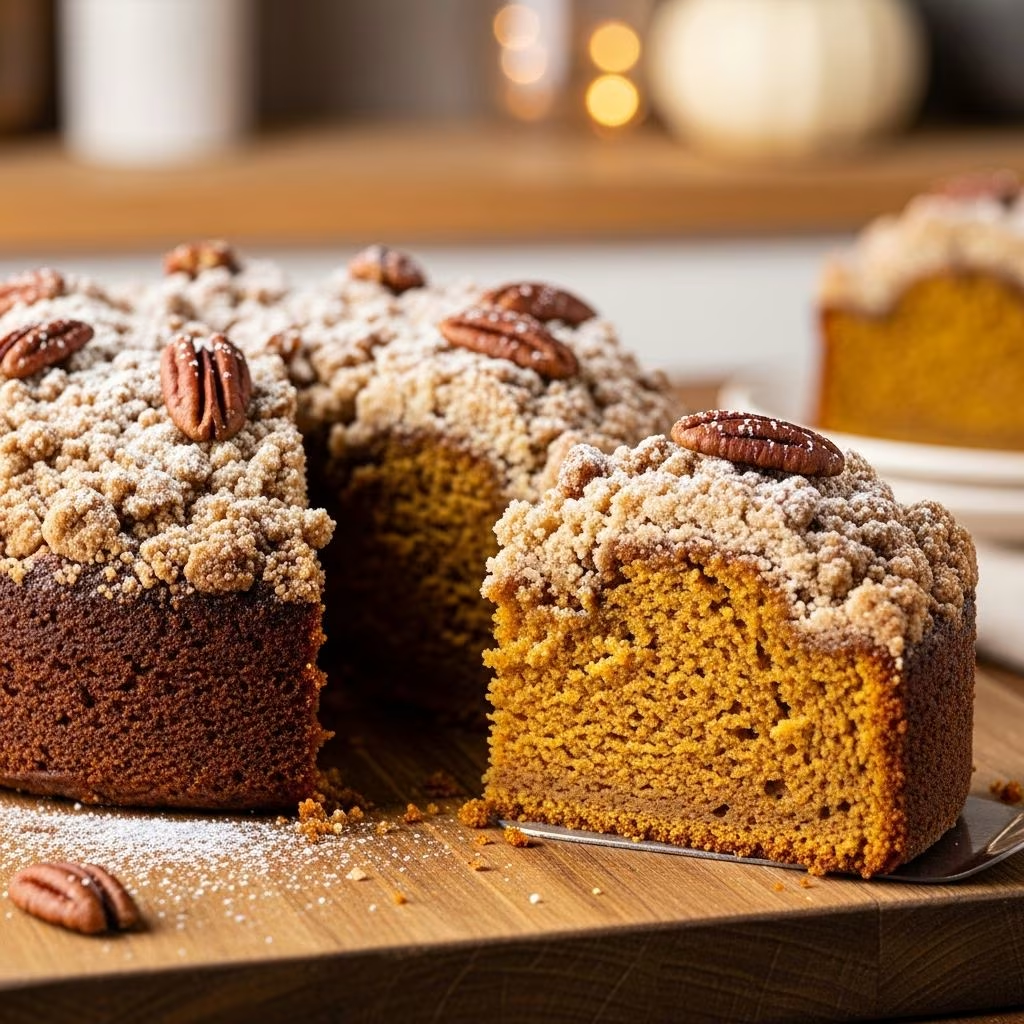
Pumpkin crumb cake stands as one of the most beloved autumn desserts, combining the warmth of seasonal spices with a satisfying texture contrast between moist cake and crunchy topping. This traditional treat has earned its place on dessert tables across homes and bakeries, appealing to both novice bakers and experienced pastry enthusiasts. The beauty of this dessert lies in its versatility—it serves equally well as an elegant brunch centerpiece, a casual family dessert, or a thoughtful homemade gift. Understanding the fundamentals of creating this beloved cake ensures consistent, impressive results that will delight anyone who takes a bite.
Understanding the Core Components
A properly constructed pumpkin crumb cake consists of three essential elements working in harmony: the spiced cake base, the enriched batter structure, and the defining streusel topping. Each component plays a crucial role in achieving the final texture and flavor profile that makes this dessert memorable.
The Foundation: Cake Structure and Ingredients
The cake foundation begins with all-purpose flour combined with leavening agents that provide lift and create a tender crumb. Baking powder and baking soda work together to ensure the cake rises properly while maintaining a moist, almost delicate interior. The typical ratio includes approximately one and a half to two cups of flour, balanced with roughly one teaspoon of baking soda and half a teaspoon of baking powder. This combination prevents the cake from becoming dense while allowing moisture to be retained throughout the baking process.
Pumpkin puree serves as the liquid base, contributing not only moisture but also natural sweetness and nutritional value. Using pure pumpkin puree rather than pumpkin pie filling ensures better control over sugar content and allows spices to shine without competing flavors. Most recipes call for one to one and a half cups of pumpkin puree, creating a batter rich in autumn character.
Sweeteners typically include both granulated and brown sugar, with quantities ranging from one to two cups total. The combination of these two sugars creates complexity in flavor—granulated sugar provides sweetness and structure, while brown sugar contributes moisture, depth, and subtle molasses undertones that complement pumpkin beautifully.
Fat Sources and Their Impact
Traditional recipes employ butter as the primary fat, though many modern variations incorporate neutral oils like avocado, sunflower, or grapeseed oil. Using approximately half to three-quarters cup of fat creates a moist, tender cake that resists drying out over several days. Some recipes combine butter and oil to achieve optimal moisture while maintaining structural integrity. Butter contributes flavor and browning, while neutral oils promote tenderness and shelf stability.
Eggs typically number two to three large ones, serving as both binder and leavening agent. These proteins create structure that supports the cake’s crumb while contributing richness and improved moisture retention. Whisking eggs thoroughly before incorporating other ingredients ensures even distribution throughout the batter.
The Signature Spice Blend
Seasonal spices form the flavor backbone that distinguishes pumpkin desserts. Ground cinnamon appears as the dominant spice, typically ranging from one and a half to two teaspoons. Ground ginger, nutmeg, and cloves appear in smaller quantities, adding complexity without overwhelming. Many recipes include nutmeg at roughly one-quarter to one-half teaspoon, with optional additions of ground ginger and cloves in minimal amounts. This balanced spice profile should enhance rather than dominate, creating a harmonious blend that feels authentically autumnal.
Mastering the Streusel Topping
The streusel topping represents the signature element that distinguishes crumb cake from standard pumpkin cake. This component requires specific technique and ingredient selection to achieve the ideal texture of distinct, crunchy clusters rather than a uniform coating.
Topping Ingredient Composition
Quality streusel begins with the correct flour-to-fat ratio. Most recipes use approximately one cup of all-purpose flour combined with one-half to three-quarter cup of unsalted butter in melted form. Brown sugar comprises the sweetening element, with amounts varying from three-quarters to one cup, packed. This particular combination creates crumbs large enough to remain distinct during baking rather than melting into a uniform layer.
Pumpkin pie spice or individual spice components enhance the topping’s autumn character. Many recipes incorporate one and a half teaspoons of pumpkin pie spice directly into the streusel, ensuring every bite offers consistent flavor throughout both cake and topping. A quarter teaspoon of salt balances sweetness and enhances all flavors.
The Critical Technique: Creating Perfect Crumbs
Achieving the ideal streusel texture requires deliberate technique rather than extensive mixing. After combining dry ingredients, melted butter should be drizzled over gradually while stirring with a fork using decisive, purposeful motions. The fork’s tines break up the mixture into small, distinct clusters while preventing over-mixing that would create a paste. The proper texture appears somewhat like coarse sand or pea-sized clusters rather than uniform fine crumbs. If the mixture appears too dry with visible flour at the bottom of the bowl, an additional small amount of melted butter should be added incrementally. The finished streusel should hold together slightly when squeezed but immediately break apart again when released.
Many experienced bakers choose to chill the completed streusel topping before applying it to the batter. Refrigeration firms the butter, helping the topping maintain its distinct crumb structure during baking rather than spreading or sinking into the cake. A thirty-minute chill proves adequate for achieving this benefit.
Detailed Preparation and Baking Instructions
Preparation Phase
Success begins well before mixing any ingredients. Preheat the oven to 350°F (177°C), allowing adequate time for it to reach full temperature. This ensures even baking from the moment the cake enters the oven. Simultaneously, prepare the baking pan by greasing thoroughly with nonstick spray or butter, reaching all corners and edges. A nine-by-thirteen-inch rectangular pan or nine-inch square pan provides suitable size for most recipes. Some bakers prefer lining with parchment paper extending up the sides, facilitating clean removal and serving.
Streusel Preparation
Prepare the streusel topping first, allowing time for chilling while the cake batter components come together. This sequential approach prevents the topping from sitting at room temperature too long before baking, which might cause butter to soften excessively. Combine flour, brown sugar, spices, and salt in a medium mixing bowl, stirring thoroughly to distribute spices evenly. Drizzle melted butter over the mixture and use a fork to work it through, creating the desired crumb texture. Transfer to a small bowl and place in the refrigerator.
Cake Batter Assembly
Begin by whisking eggs in a large mixing bowl for approximately thirty seconds, breaking up the white and yolk thoroughly. Add pumpkin puree and whisk until smooth, then incorporate oil or melted butter, along with both granulated and brown sugars, and vanilla extract. Whisk this wet mixture until completely smooth and well combined.
In a separate bowl, combine all dry ingredients: all-purpose flour, baking soda, baking powder, cinnamon, nutmeg, and salt. Whisk these thoroughly, ensuring spices distribute evenly. Pour the dry mixture into the wet ingredients and stir using a spatula or wooden spoon just until flour disappears and a smooth batter forms. Overmixing at this stage develops gluten unnecessarily, potentially creating a tough, dense cake. The batter should appear thick and homogeneous.
Baking Process
Transfer the batter to the prepared baking pan and smooth the top to create an even surface. This ensures uniform baking throughout. Remove the chilled streusel from the refrigerator and distribute it evenly across the cake batter, using gentle pressure to press it slightly into the surface without completely submerging it. The topping should remain visible on the surface while anchoring slightly into the cake.
Bake at 350°F (177°C) for fifty to fifty-five minutes, or until a toothpick inserted into the cake portion (avoiding the streusel) emerges with few moist crumbs attached. The streusel should appear golden brown, but avoid baking until dark brown, which might create an overly crunchy or bitter topping. Remove from the oven and allow the cake to cool completely in the pan on a wire rack before cutting. This cooling period is essential—attempting to cut warm cake results in falling apart rather than clean slices.
Ingredient Selection and Quality Considerations
| Ingredient | Selection Tips | Impact on Final Product |
|---|---|---|
| Pumpkin Puree | Use 100% pure pumpkin, not pumpkin pie filling | Fresher flavor, better spice control |
| Butter | Unsalted butter provides flavor control | Prevents excessive saltiness in cake and topping |
| Eggs | Room temperature eggs blend more smoothly | Better incorporation, improved texture |
| Spices | Freshly ground spices offer superior flavor | More vibrant, authentic autumn taste |
| Flour | Measured by spooning and leveling, not scooping | Prevents overly dense, dry cake |
Storage and Longevity
Pumpkin crumb cake maintains excellent quality when stored properly. At room temperature, covered loosely with plastic wrap or stored in an airtight container, the cake remains fresh and moist for three to four days. The streusel topping tends to soften slightly over time as moisture from the cake rises through the layers—this is normal and doesn’t indicate spoilage. Some bakers prefer storing streusel separately in a sealed container if longer-term storage is desired, then adding it fresh just before serving.
Refrigeration extends shelf life to approximately one week, though cold temperatures may slightly firm the cake’s crumb. Remove from refrigeration thirty minutes before serving to allow the cake to return to room temperature, which enhances flavor perception and improves texture. Pumpkin crumb cake also freezes exceptionally well—wrap the completely cooled, uncut cake tightly in plastic wrap, then aluminum foil, and freeze for up to three months. Thaw at room temperature for several hours before serving.
Frequently Asked Questions
Why is my streusel topping sinking into the cake rather than remaining on top?
This typically results from either batter that’s too thin or streusel that hasn’t been chilled adequately. Ensure the batter reaches the correct consistency—thick enough that streusel clusters rest on the surface rather than sinking. Additionally, adequately chilling the streusel ensures the butter remains firm, preventing it from softening and sinking into warm batter.
Can I use fresh pumpkin instead of canned pumpkin puree?
Yes, though fresh pumpkin requires additional preparation. Cook and puree fresh pumpkin, then strain through cheesecloth or a fine-mesh strainer to remove excess moisture, as fresh pumpkin contains more water than canned versions. One and a half to two cups of fresh pumpkin typically yields approximately one cup of properly drained puree.
What can I do to keep the streusel topping crunchy after baking?
Store the cooled cake in an airtight container at room temperature, where the streusel remains crunchiest. While the topping will gradually soften as the cake releases moisture, it remains satisfyingly crunchy for two to three days with proper storage. Some bakers prefer storing streusel and cake separately, combining them just before serving for maximum crunchiness.
Can I make this cake in advance for entertaining?
Absolutely. Pumpkin crumb cake actually benefits from being made one day in advance, as flavors develop and meld overnight. Prepare the cake, allow it to cool completely, cover with plastic wrap, and refrigerate overnight. Remove from refrigeration thirty minutes before serving to warm slightly and enhance flavor.
Are there egg-free or dairy-free variations available?
Yes, though modifications are necessary. For egg-free versions, use commercial egg replacers or applesauce at a one-to-one ratio by weight. For dairy-free versions, substitute butter with coconut oil or vegan butter, and use dairy-free milk if recipes include it. Results may vary slightly from traditional recipes, requiring recipe adjustments through experimentation.
Serving Suggestions and Enhancement Options
While pumpkin crumb cake stands beautifully on its own, thoughtful serving accompaniments elevate the experience. A dollop of freshly whipped cream or a small scoop of vanilla ice cream complements the cake’s warm spice profile. Drizzling individual servings with vanilla icing creates a more indulgent presentation—whisk together one cup of confectioners’ sugar, two tablespoons of milk, and one-quarter teaspoon of vanilla extract until smooth, then pour over warm or cooled cake.
For a more sophisticated presentation, serve with cream cheese frosting, which adds tanginess that balances the sweetness and spices. Alternatively, a simple dusting of additional cinnamon or nutmeg on top of individual servings reinforces the autumn flavor profile.
Conclusion
Mastering pumpkin crumb cake requires attention to detail, proper ingredient selection, and understanding how each component contributes to the final result. From selecting quality pumpkin puree to achieving perfectly textured streusel through deliberate technique, each step influences the cake’s success. With the guidance provided throughout this comprehensive article, bakers at any skill level can create impressive, delicious pumpkin crumb cake that rivals bakery offerings. Whether preparing for holiday gatherings, weekend brunches, or simple family desserts, this versatile autumn treat delivers consistent satisfaction and has earned its place as a beloved seasonal favorite.
References
- Bakery Style Pumpkin Crumb Cake — The Café Sucre Farine. Accessed April 2026. https://thecafesucrefarine.com/bakery-style-pumpkin-crumb-cake/
- Pumpkin Crumb Cake — Southern Plate. Accessed April 2026. https://www.southernplate.com/pumpkin-crumb-cake/
- Pumpkin Crumb Cake — Tutti Dolci Baking Recipes. Accessed April 2026. https://tutti-dolci.com/pumpkin-crumb-cake/
- Pumpkin Coffee Cake with Crumb Topping — Sally’s Baking Addiction. Accessed April 2026. https://sallysbakingaddiction.com/iced-pumpkin-coffee-cake/
- Pumpkin Crumb Cake — Bakerita. Accessed April 2026. https://www.bakerita.com/pumpkin-crumb-cake/