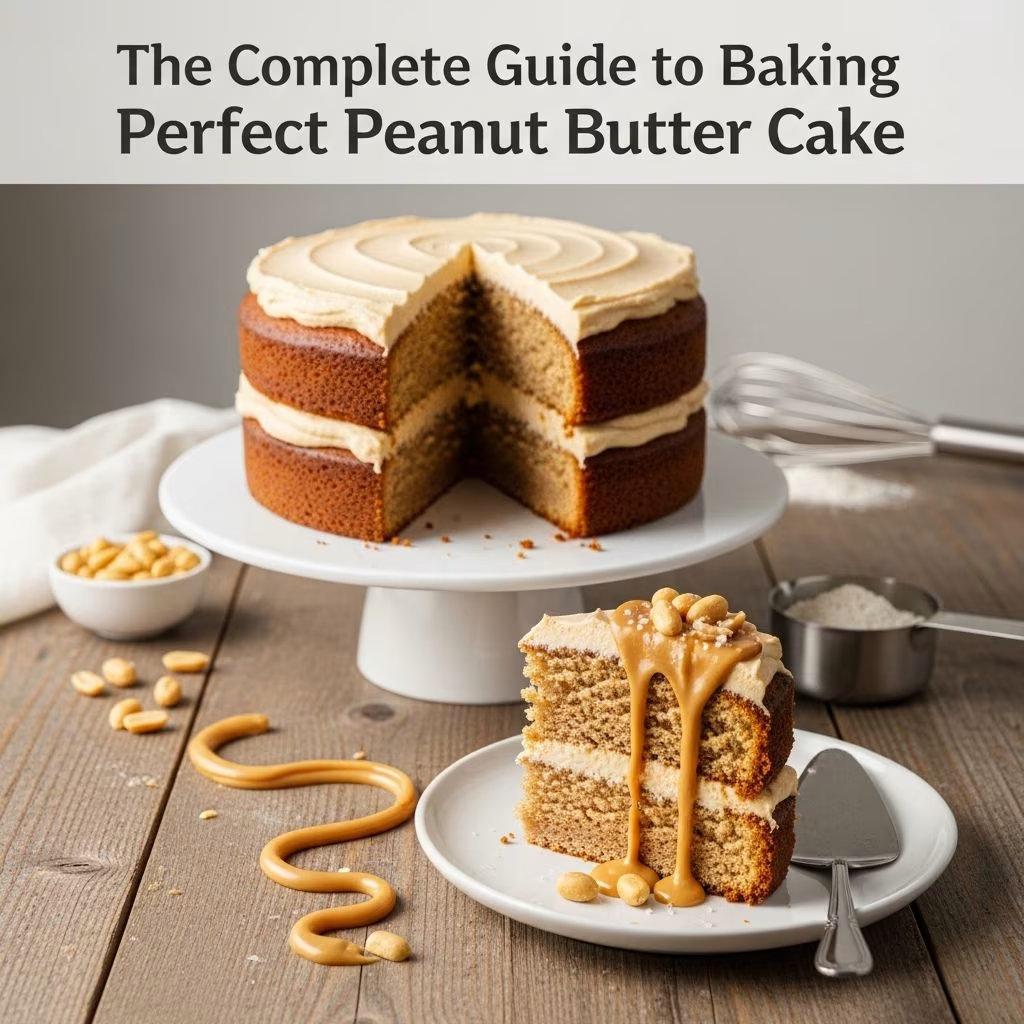
Peanut butter cake stands as a beloved dessert that combines rich flavors with tender crumb structure. Whether you’re preparing this treat for a family gathering or simply satisfying afternoon cravings, understanding the fundamentals of peanut butter cake baking will help you achieve professional-quality results in your own kitchen.
Understanding Your Ingredients
The foundation of any successful peanut butter cake begins with quality ingredient selection. Each component plays a specific role in developing the cake’s texture, flavor, and overall performance during baking.
Peanut Butter Selection
The type of peanut butter you choose significantly impacts your final cake. Creamy peanut butter works best for cake baking, as it blends smoothly into the batter without creating texture inconsistencies. Natural peanut butter, which contains separated oils, can sometimes affect the cake’s moisture balance and structure. When measuring peanut butter, stir it well before scooping to ensure you’re capturing the correct ratio of solids to oils. Using peanut butter at room temperature helps it incorporate more evenly with other wet ingredients, preventing dense pockets in your finished cake.
Flour and Leavening Agents
All-purpose flour provides the right protein content for achieving tender cake structure while maintaining enough strength to support the cake’s weight. The typical ratio uses approximately 2 cups of flour for a standard 9×13 inch cake. Baking soda and baking powder work together in peanut butter cake, with baking soda reacting with acidic ingredients like buttermilk while baking powder provides additional lift. Many recipes include both leavening agents to ensure proper rise and crumb development. Some bakers incorporate cornstarch, which further tenderizes the crumb by reducing the flour’s protein content.
Sweeteners and Fats
The combination of granulated and brown sugar creates complexity in flavor while contributing to moisture retention. Brown sugar’s molasses content adds depth that complements peanut butter’s nutty character. Butter and vegetable oil work synergistically—butter provides flavor and helps browning, while oil contributes moisture and tenderness. Using both fats instead of relying solely on butter prevents the cake from becoming dry while maintaining the richness peanut butter cakes are known for.
Essential Baking Techniques
Preparing Your Pan
Proper pan preparation prevents sticking and ensures even baking. For layer cakes, use two 8-inch round pans or one 9×13 inch rectangular pan depending on your desired presentation. Grease pans thoroughly with nonstick cooking spray or butter, then line the bottoms with parchment paper for additional insurance. This technique allows cakes to release cleanly and maintains structural integrity during cooling.
Mixing Methods
The mixing sequence affects your final cake’s texture significantly. Begin by creaming together peanut butter, butter, and sugars until light and fluffy—this process typically requires 3-4 minutes with an electric mixer. This step incorporates air into the batter, which contributes to a tender crumb and appropriate rise in the oven. After adding eggs and vanilla, beat just until combined. The most critical step follows: alternate adding flour and buttermilk in three additions, beginning and ending with the flour mixture. This technique prevents overdeveloping gluten, which would result in a dense, tough cake. Mix on low speed just until each addition disappears before proceeding to the next one.
Batter Consistency
The ideal peanut butter cake batter should flow into the pan easily but maintain enough structure to hold its shape. It should resemble thick pancake batter—smooth, slightly thick, and free of large flour pockets. If your batter seems too stiff, a tablespoon or two of additional buttermilk can help. Conversely, if it’s too thin, this usually indicates overmixing rather than ingredient proportions being off.
Baking Temperature and Timing
Most peanut butter cakes bake successfully at 350°F. Position your oven rack in the center to ensure even heat distribution. Layer cakes typically require 30-35 minutes, while sheet cakes often need 35-40 minutes. The exact baking time depends on your oven’s characteristics and pan size. Begin testing for doneness around the minimum time by inserting a toothpick into the center. The toothpick should come out clean or with just a few moist crumbs clinging to it—not wet batter, but not completely dry either.
Allow cakes to cool in their pans for 15-20 minutes before turning them out onto wire racks. This resting period allows the structure to set sufficiently for safe removal. Cooling completely before frosting prevents the frosting from melting and sliding off the warm cake.
Crafting the Perfect Frosting
Frosting Components
Peanut butter frosting combines softened butter with creamy peanut butter as its base. Most recipes include powdered sugar for sweetness and body, with proportions varying based on desired thickness and spreadability. Some recipes incorporate cream cheese, which adds tanginess and stability, while others use heavy cream or buttermilk to achieve the right consistency. Vanilla extract and a pinch of salt round out the flavor profile, with the salt enhancing the peanut butter’s natural richness.
Frosting Preparation
Start with softened butter and peanut butter at room temperature. Cream these together for 1-2 minutes until well combined and fluffy. Gradually add powdered sugar, mixing on low speed to prevent clouds of powdered sugar from escaping. Once the sugar is incorporated, add your chosen liquid component—cream, buttermilk, or milk—one tablespoon at a time until you reach your desired consistency. The frosting should spread easily without being runny.
Frosting Variations
| Frosting Type | Key Ingredients | Best For |
|---|---|---|
| Classic Peanut Butter | Butter, peanut butter, powdered sugar, milk | Traditional layer cakes |
| Cream Cheese Version | Butter, peanut butter, cream cheese, powdered sugar | Adding tanginess and stability |
| Hot Glaze | Butter, peanut butter, powdered sugar, applied warm | Sheet cakes, easier coverage |
Troubleshooting Common Issues
Dense or Dry Cake
Dense crumb typically results from overmixing the batter or overbaking. Ensure you’re mixing only until ingredients combine, particularly when adding the flour and buttermilk alternately. If your cake turns out dry despite proper mixing, the issue likely stems from baking too long. Even five minutes beyond the optimal time can significantly impact moisture. Using a combination of butter and oil helps retain moisture, as does ensuring you’re not skipping the oil component of the recipe.
Uneven Baking
If your cake browns excessively on the edges before the center sets, your oven may be too hot. Verify the temperature with an oven thermometer. Positioning the oven rack too high can also cause excessive browning on top. Additionally, ensure your pans are centered in the oven with adequate space for air circulation around all sides.
Frosting Consistency Problems
If your frosting is too thick, add liquid one teaspoon at a time. If it’s too thin, refrigerate it for 15-20 minutes to allow the butter to firm up. Never add more powdered sugar when frosting is too thin—this creates grainy, overly sweet results.
Storage and Make-Ahead Options
Unfrosted peanut butter cake layers can be baked up to two days ahead and stored covered at room temperature. Layer cakes wrapped well can be frozen for up to three months. Frosting can be prepared up to three days in advance and refrigerated. Assemble the cake shortly before serving to ensure frosting sets properly. A completed frosted cake keeps well for 3-4 days at room temperature when properly covered, preventing it from drying out while avoiding moisture absorption that could soften the frosting.
Flavor Enhancement Ideas
While classic peanut butter cake is delicious on its own, several additions can expand its flavor profile. A tablespoon of molasses intensifies the depth of flavor. A half-teaspoon of ground nutmeg adds subtle warmth. Some bakers incorporate a quarter-cup of cocoa powder into the cake portion, creating a chocolate-peanut butter combination. Chopped peanuts sprinkled on frosting before it sets add textural contrast. A swirl of chocolate ganache between layers provides an elegant touch.
Frequently Asked Questions
- Can I substitute natural peanut butter for creamy peanut butter?
- Natural peanut butter can work but may create a slightly less consistent texture. If using natural peanut butter, ensure it’s well-stirred and monitor the batter consistency, adjusting liquid as needed.
- What if I don’t have buttermilk?
- Mix one tablespoon of lemon juice or vinegar with one cup of milk and let sit for five minutes to create a buttermilk substitute.
- Can I make this cake with gluten-free flour?
- Yes, though you may need to add a binder like xanthan gum and adjust liquid slightly. Gluten-free flour tends to absorb more liquid than all-purpose flour.
- How should I frost a layer cake for best results?
- Place the first cake layer on your serving plate, then spread frosting on top. Add the second layer and frost the top and sides. Using an offset spatula helps achieve smooth, even frosting coverage.
- Can this cake be made in a bundt pan?
- Yes, though baking time may extend to 45-50 minutes due to the pan’s depth. Ensure the pan is well-greased to allow the cake to release properly.
Bringing It All Together
Creating a memorable peanut butter cake involves understanding how ingredients interact, following mixing techniques that develop proper structure, and achieving the right baking conditions. By paying attention to these details—selecting quality peanut butter, not overmixing, monitoring baking time, and preparing frosting with the correct consistency—you’ll produce cakes that rival bakery versions. Whether you’re a novice baker or experienced in the kitchen, these fundamentals ensure successful results every time you bake this beloved dessert.
References
- The Science of Cake Baking: Understanding Ingredient Functions — American Institute of Baking, 2023. https://www.aibonline.org/
- Peanut Butter: Composition, Uses, and Health Benefits — Journal of Food Science, 2024. https://www.ift.org/
- Optimal Temperatures for Cake Baking — King Arthur Baking Company, 2025. https://www.kingarthurbaking.com/
- Buttermilk in Baking: Chemical Reactions and Texture Development — Culinary Institute of America, 2024. https://www.ciachef.edu/