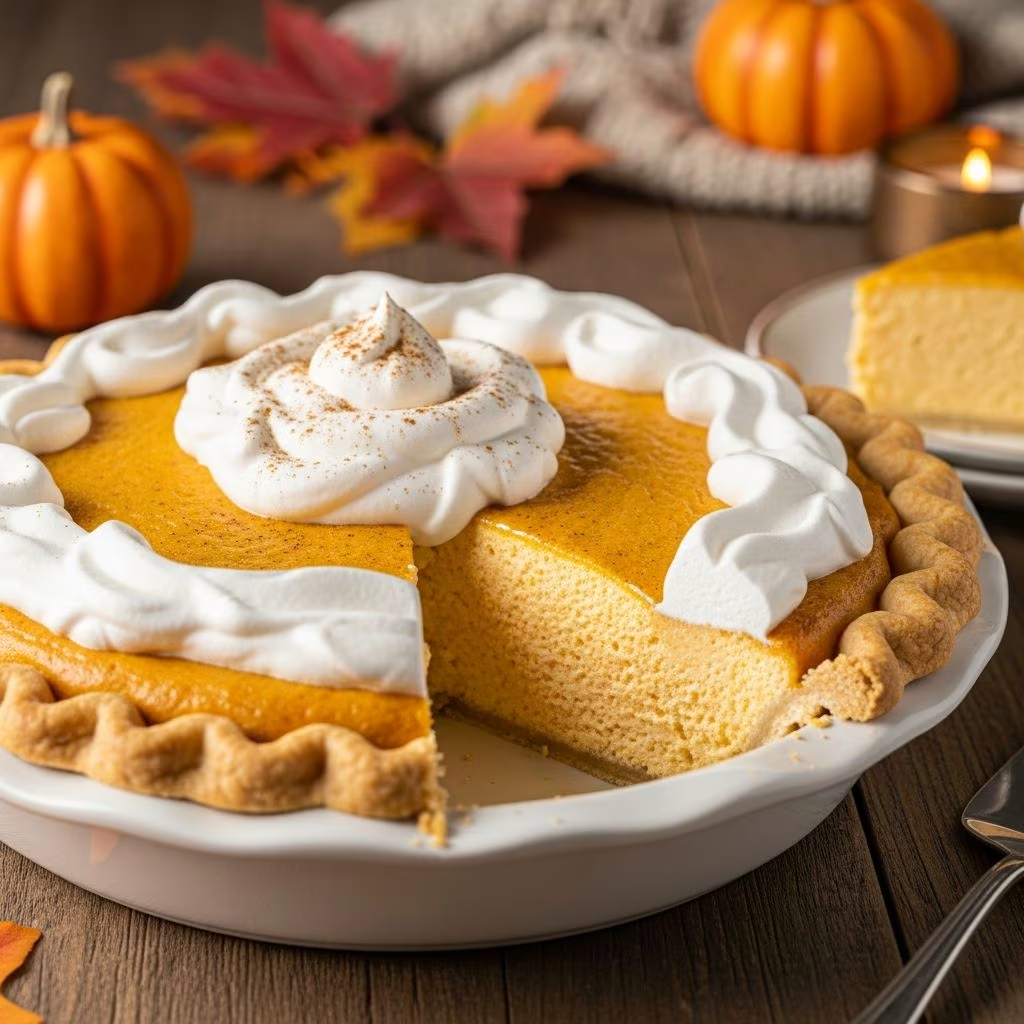
Autumn gatherings call for desserts that balance indulgence with lightness, and pumpkin chiffon pie delivers exactly that experience. Unlike its denser traditional counterpart, this elegant variation incorporates gelatin and whipped egg whites to create an airy, mousse-like filling that dissolves on the palate. The result is a sophisticated dessert that captures all the warmth of seasonal spices while remaining surprisingly refreshing.
This dessert represents a significant evolution in autumn baking, offering home bakers a method to create restaurant-quality results within their own kitchens. The technique combines classical pastry skills—particularly the proper handling of egg whites and gelatin—with straightforward ingredient combinations that most cooks already possess.
Understanding the Structure of Pumpkin Chiffon Pie
The distinctive character of chiffon pies emerges from their unique structural composition. Rather than relying on eggs and cream alone for texture, chiffon preparations employ gelatin as a stabilizing agent, combined with aerated egg whites to create volume and lightness. This three-part foundation—a baked crust, a spiced pumpkin custard base, and whipped egg white meringue—works together to produce the characteristic fluffy consistency.
The gelatin plays a crucial role in this formula. Unflavored gelatin, when properly hydrated and dissolved, creates a network structure that suspends the other ingredients, preventing separation and maintaining the pie’s form. This differs markedly from cream pies, which rely primarily on cornstarch or flour for thickening, resulting in a heavier mouthfeel.
Essential Components and Their Functions
The Foundation: Pie Crust Preparation
A successful pumpkin chiffon pie begins with proper crust preparation. Most recipes call for blind-baking the crust before filling, which prevents moisture from the filling from creating a soggy base. This preventive step distinguishes chiffon pies from cream pies, where the filling’s moisture content remains manageable through gelatin stabilization.
Crust options vary considerably. Traditional pastry crusts provide elegance and homemade flavor, while graham cracker crusts offer convenience and complementary nutty notes. Some variations utilize coconut oil-based crumb crusts, reflecting contemporary dietary preferences and ingredient innovations.
The Custard Base: Building Flavor and Structure
The custard foundation combines several essential elements working in concert. Egg yolks, when heated with milk and sugar, create a thick, rich base through the coagulation of proteins. This process, accomplished over gentle heat with constant whisking, produces a silky foundation that prevents lumps and ensures uniform texture throughout the finished pie.
Pumpkin puree integrates into this warm custard, its natural fiber and moisture content blending seamlessly with the cooked eggs and milk. The selection of pure pumpkin puree—rather than sweetened pie filling—gives the baker complete control over sugar levels and spice intensity, allowing customization to personal preference.
Gelatin, bloomed in cool water before incorporation, dissolves completely into the warm custard. This bloom-and-dissolve method ensures even distribution and prevents the grainy texture that results from adding gelatin directly to cool liquids.
The Meringue Component: Creating Airiness
Beaten egg whites represent the transformative element in chiffon pie construction. When egg whites are whipped at high speed, air bubbles incorporate throughout the protein matrix, creating volume and lightness. The progressive addition of sugar stabilizes these bubbles, allowing them to persist through folding and setting processes.
The distinction between soft peaks and stiff peaks matters considerably. Soft peaks represent partially beaten whites—adequate for initial lightening of the custard mixture. Stiff peaks indicate fully beaten whites, ideal for the complete folding process. Overbeating whites can cause them to become grainy and separate from their liquid components, compromising the final texture.
Ingredient Inventory and Quality Considerations
| Ingredient | Typical Amount | Quality Notes |
|---|---|---|
| Unflavored Gelatin | 1-2 envelopes (2.5-5 tsp) | Bloom properly; use unflavored only |
| Pumpkin Puree | 14.5-15 oz can (1.75-2 cups) | Pure puree, not pie filling |
| Granulated Sugar | ¾-1 cup divided | Divided between custard and meringue |
| Large Eggs | 3 separated | Pasteurized for food safety |
| Whole Milk | ½-¾ cup | Full-fat preferred for richness |
| Spice Blend | Multiple spices | Fresh spices preferred |
Spice Selection and Proportions
The spice profile defines much of the pie’s character. Cinnamon provides warmth and familiarity, typically comprising the largest spice component. Allspice, with its complex notes reminiscent of multiple warming spices, adds depth. Nutmeg contributes earthy sweetness, while ginger and cloves provide subtle complexity that prevents the flavor profile from becoming one-dimensional.
Interestingly, some recipes incorporate a small amount of black pepper or salt, which heightens and balances the other spice notes through contrast. This technique, common in professional pastry, prevents flavor fatigue and creates a more sophisticated tasting experience.
Step-by-Step Construction Process
Preparing the Custard Foundation
Begin by blooming gelatin in cool water, allowing five to eight minutes for the granules to hydrate fully. Meanwhile, combine egg yolks with half the designated sugar, whisking until the mixture becomes pale and slightly thickened. In a separate saucepan, heat milk with the remaining sugar, salt, and all spices until the mixture barely reaches a simmer.
The crucial tempering step follows: slowly add small quantities of the hot milk mixture to the egg yolk mixture while whisking constantly. This gradual approach prevents the eggs from scrambling, instead creating a smooth custard as the two components combine. Once the mixtures are thoroughly combined, return the entire mixture to medium heat and cook with continuous stirring until it thickens slightly, typically requiring five to seven minutes.
Remove from heat and immediately stir in the bloomed gelatin along with vanilla extract, ensuring complete dissolution. Transfer the custard to a large mixing bowl and allow cooling to room temperature without refrigeration—premature chilling causes the gelatin to set before incorporating the meringue, resulting in lumpy texture.
Creating the Meringue Component
While the custard cools, separate eggs carefully, ensuring no yolk contaminates the whites. Even trace amounts of fat prevent proper volume development. Using a clean, dry mixing bowl and electric mixer, beat egg whites on high speed until foamy. Gradually add the reserved sugar while continuing to beat, watching carefully for the transition from soft peaks to stiff peaks.
Properly beaten meringue should form peaks that stand upright when the beaters are lifted, with a glossy, smooth appearance indicating proper stabilization from the sugar.
Combining Components
Fold the meringue into the cooled pumpkin custard using a gentle hand. Many bakers employ a two-stage approach: stirring about one-third of the meringue into the custard to lighten it, then gently folding in the remaining meringue in batches. This technique prevents over-mixing while ensuring thorough incorporation.
Use a rubber spatula or silicone scraper, cutting down through the center of the mixture, across the bottom, and up the side, rotating the bowl as you work. This motion preserves air bubbles better than traditional stirring motions.
Final Assembly and Setting
Pour the combined mixture into the prepared crust, smoothing the surface with a spatula or the back of a spoon. Refrigerate at minimum four hours, preferably overnight, allowing the gelatin network to set completely and develop full structural integrity.
Variations and Creative Adaptations
Crust Alternatives
Beyond traditional pie dough, numerous crust options complement pumpkin chiffon filling. Graham cracker crusts, made from crushed crackers, melted butter or coconut oil, and sugar, offer convenience and subtle sweetness that doesn’t compete with the filling. Gingersnap crusts provide warm spice notes that enhance the pumpkin flavor profile. For contemporary preferences, almond flour crusts deliver lower-carbohydrate options while providing pleasant texture contrast.
Flavor Profile Modifications
The spice blend admits considerable personalization. Those preferring assertive warmth might increase cinnamon and ginger proportions. Adventurous bakers might introduce cardamom or a whisper of cayenne pepper for subtle heat that intrigues the palate. Brown butter nutmeg—where nutmeg steeps in lightly browned butter—creates particularly sophisticated depth.
Textural Enhancements
Some variations incorporate whipped cream folded into the meringue before combining with the custard, creating additional richness and depth. Others top the finished pie with stabilized whipped cream and a dusting of cinnamon, providing both visual appeal and textural contrast between the airy filling and firm topping.
Troubleshooting Common Challenges
Preventing Separation and Graininess
Separation occurs when meringue components divide from the custard, typically resulting from improper folding technique or insufficient gelatin. Ensure meringue achieves full stiff peaks before folding, and verify gelatin blooming and dissolution completeness. Over-mixing during the folding process can also break down the meringue structure, releasing trapped air and causing heaviness.
Achieving Proper Custard Consistency
Custard that remains too thin after cooking suggests insufficient heating. The mixture should coat the back of a spoon—when you run a finger across the spoon, the path should remain visible. If this doesn’t occur, continue cooking with constant whisking until the egg proteins coagulate sufficiently.
Managing Refrigeration Times
Insufficient chilling results in a filling that remains too soft, failing to slice cleanly. Conversely, excessive refrigeration (beyond overnight) doesn’t harm the pie, though gelatin-based desserts sometimes develop slight rubbery texture after several days. Plan to serve pumpkin chiffon pie within two to three days of preparation for optimal texture and flavor.
Serving Suggestions and Presentation Techniques
Pumpkin chiffon pie deserves presentation that highlights its elegant structure. Serve slices with dollops of freshly whipped cream and a light dusting of cinnamon or pumpkin pie spice. The cream provides textural contrast and additional richness that complements the airy filling.
For plating sophistication, warm serving plates before adding pie slices, which allows the filling to showcase its mousse-like texture more effectively than cold plates. Alternatively, serve at room temperature for approximately twenty minutes before plating, allowing flavors to develop more fully—many home bakers report that pumpkin chiffon pie actually tastes more flavorful and aromatic when slightly warmed from refrigeration temperatures.
Garnish options extend beyond cinnamon dust. Candied pumpkin strips, crushed gingersnaps, or candied ginger provide visual interest and complementary flavor notes. A small sprig of fresh thyme adds contemporary presentation appeal while echoing the herbs common to autumn cuisine.
Storage and Make-Ahead Considerations
Pumpkin chiffon pie stores effectively when properly covered in the refrigerator for up to four days. Cover the pie loosely with plastic wrap to prevent absorption of refrigerator odors while maintaining air circulation. Avoid pressing plastic wrap directly against the surface, as it can create unwanted impressions or moisture accumulation.
The pie does not freeze well due to the textural changes that freezing induces in gelatin-based preparations. The thawed filling typically becomes watery and loses the desirable mousse-like consistency that defines quality chiffon pies.
Nutritional Profile and Dietary Adaptations
Compared to traditional pumpkin pie, chiffon variations offer several advantages. The incorporation of whipped egg whites rather than additional cream reduces overall fat content while maintaining richness through perceived volume. Gelatin provides body without significant calories, contributing primarily to structure rather than nutritional density.
Those seeking reduced-sugar versions can substitute a portion of granulated sugar with monk fruit or allulose sweeteners, though flavor development and meringue stability may require adjustment. Dairy-free adaptations prove more challenging, as the custard traditionally relies on milk for its characteristic texture and mouthfeel.
Frequently Asked Questions
Can I use liquid egg whites instead of fresh eggs?
Pasteurized liquid egg whites work acceptably for this application, though they may not develop quite the same volume as fresh eggs. Ensure the product contains no added ingredients or stabilizers that might interfere with meringue formation.
What if my meringue breaks during folding?
Broken meringue, characterized by loss of volume and separation of liquid, indicates over-mixing or inadequate initial beating. In this situation, you cannot recover the mixture. Whip fresh egg whites and begin the folding process anew, using a gentler hand.
How far in advance can I prepare the pie?
The pie can be fully assembled up to three days ahead, allowing gelatin to set completely. Prepare the crust and all components the day before if desired, assembling the finished pie no more than four hours before serving for optimal texture.
Why must I use pure pumpkin puree rather than pie filling?
Pie filling contains added sugar and spices that would unbalance the recipe’s carefully calculated sugar levels and flavor profile. Pure puree allows complete control over these variables, ensuring consistent results and the ability to adjust to personal preference.
References
- The Pioneer Woman: Best Pumpkin Chiffon Pie Recipe — The Ree Drummond/Food Network. 2022. https://www.thepioneerwoman.com/food-cooking/recipes/a69134366/pumpkin-chiffon-pie-recipe/
- Easy Pumpkin Chiffon Pie Recipe — Style Sweet. 2018. https://stylesweet.com/2018-10-29-easy-pumpkin-chiffon-pie/
- Light & Airy Pumpkin Chiffon Pie — House of Nash Eats. https://houseofnasheats.com/pumpkin-chiffon-pie/
- Silky Pumpkin Chiffon Pie Recipe — Fresh April Flours. https://freshaprilflours.com/pumpkin-chiffon-pie/
- Pumpkin Chiffon Pie — Putzel Kitchen. https://www.putzelkitchen.com/pumpkin-chiffon-pie/