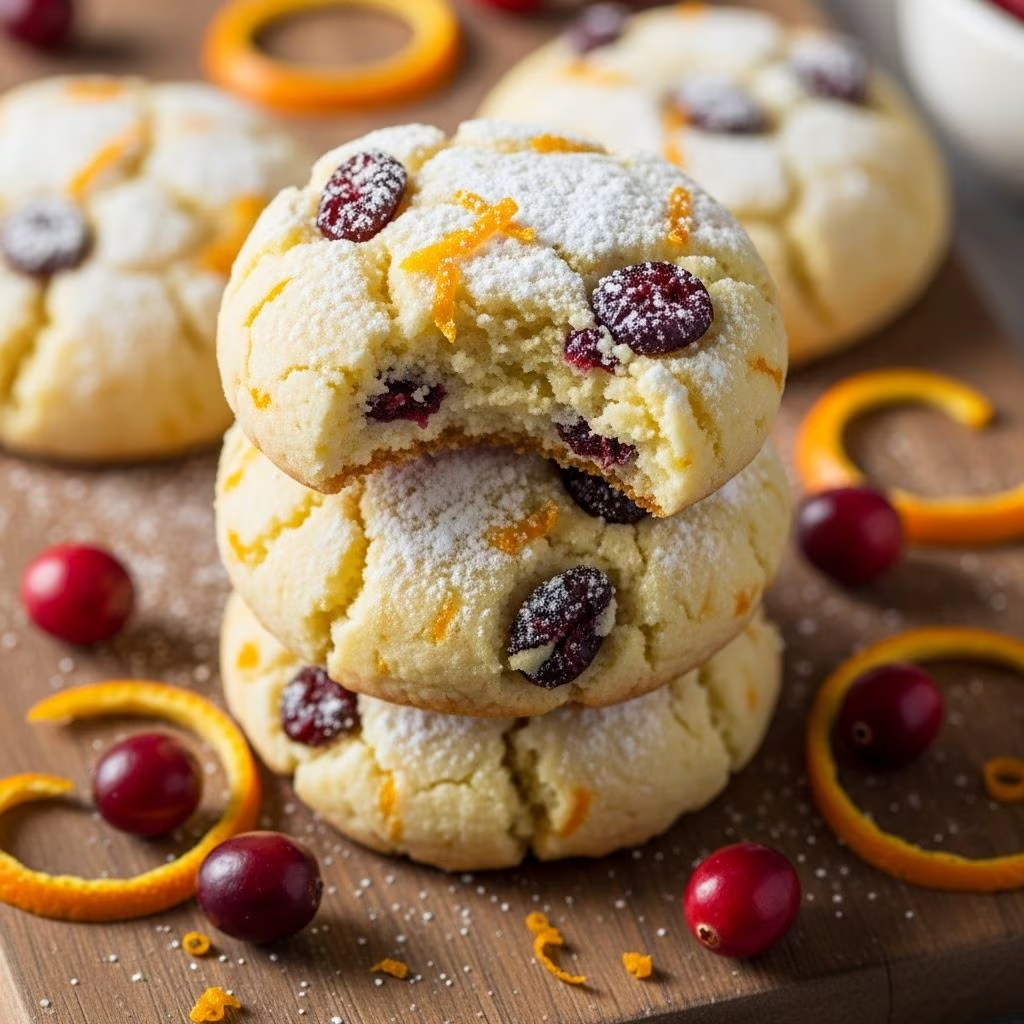
Ricotta cookies represent a beloved tradition in Italian-American baking, offering a unique texture that sets them apart from conventional cookie varieties. Unlike typical butter cookies that turn crispy and dense, ricotta-based cookies develop a characteristically soft, pillowy crumb that remains tender even after cooling completely. When combined with the bright flavor of citrus and the subtle tartness of cranberries, these cookies transform into a sophisticated treat that works equally well for casual weekday snacking or formal holiday gatherings.
Understanding the Magic of Ricotta in Cookie Dough
The foundation of exceptional ricotta cookies begins with understanding how this ingredient transforms the baking process. Ricotta cheese, a fresh dairy product with a mild flavor and creamy consistency, acts as a moisture provider that keeps cookies tender rather than allowing them to become dry or tough. Unlike cookies made primarily with butter, ricotta contributes both fat and moisture simultaneously, creating a unique structural foundation that yields a distinctly cake-like crumb rather than the thin, snappy texture associated with traditional sugar cookies.
The addition of cream cheese enhances this effect further, introducing a subtle tanginess that balances the sweetness of the dough while contributing additional moisture and richness. Together, these dairy components create a dough that bakes into cookies with excellent keeping qualities—they maintain their tenderness for several days when stored properly in an airtight container.
Building Flavor Complexity with Citrus and Cranberries
The flavor profile of these cookies relies on three distinct taste components working in harmony. Fresh orange zest provides an immediate, aromatic brightness that awakens the palate, while orange juice incorporated into the glaze adds subtle tartness and moisture to the finishing layer. Dried cranberries contribute a concentrated sweetness with underlying tartness that creates complexity rather than simple sugar-forward flavor.
Timing matters when incorporating these flavoring elements. Zesting the orange directly into the dry sugar and whisking them together for approximately one minute allows the essential oils released from the zest to distribute evenly throughout the dough, ensuring consistent flavor in every cookie rather than isolated pockets of intense orange taste.
Essential Equipment and Ingredient Selection
Successful cookie baking requires both proper equipment and thoughtful ingredient choices. Essential tools include:
- Baking sheets lined with parchment paper to prevent sticking and ensure even browning
- Stand mixer or hand mixer for efficient creaming and blending of ingredients
- Cookie scoop with release mechanism for uniform cookie sizes
- Cooling racks that allow air circulation for proper temperature reduction
- Microplane zester for removing only the colored outer layer of citrus peel, avoiding bitter white pith
- Fine mesh strainer for evenly distributing dry ingredients
Ingredient quality significantly impacts final results. Using whole-milk ricotta rather than part-skim varieties ensures optimal moisture content and creaminess. Room-temperature eggs incorporate more smoothly into the butter-sugar mixture, creating a more uniform batter with fewer lumps. Fresh orange zest provides superior flavor compared to bottled versions, as the essential oils remain more potent.
Step-by-Step Preparation Process
Creating these cookies follows a logical progression designed to build flavors and develop the proper dough consistency.
Initial Mixing and Creaming
Begin by preheating your oven to 375 degrees, positioning one rack in the upper third where air circulation promotes even baking without excessive browning of cookie bottoms. Line baking sheets with parchment paper before combining any ingredients, as this preparation ensures you can work efficiently once dough is ready.
In your mixing bowl, combine softened butter (eight tablespoons or one stick) with one cup of granulated sugar. Beat this mixture on high speed for approximately two minutes until the texture becomes light and fluffy. This creaming process incorporates air into the dough, creating a more tender final texture. The mixture should pale slightly and increase in volume.
Egg Incorporation and Dairy Additions
Add room-temperature eggs individually, beating well after each addition to ensure thorough incorporation. This step might seem redundant but actually matters—adding both eggs simultaneously results in uneven mixing and potential separation. After both eggs are fully integrated, scrape down the bowl sides with a spatula, ensuring no butter streaks remain.
Blend in half a cup of ricotta cheese and half a cup of softened cream cheese along with two tablespoons of fresh orange zest and one teaspoon of pure vanilla extract. The orange zest becomes more visible in this step, speckling the batter with tiny orange particles. Mix until everything combines smoothly, again scraping the bowl sides as needed.
Dry Ingredient Integration
In a separate bowl, whisk together two and one-quarter cups of all-purpose flour, one teaspoon of baking powder, and one-eighth teaspoon of kosher salt. This preliminary mixing distributes leavening agents evenly, preventing dense spots in finished cookies.
Add the dry mixture to the wet ingredients in three separate additions, folding gently and scraping the bowl after each addition. This gradual approach prevents overmixing, which would develop gluten in the flour and create tough, dense cookies rather than tender ones. Mix only until the streaks of dry ingredients disappear.
Fruit Distribution and Portioning
Fold one cup of dried cranberries into the finished dough, distributing them evenly throughout. Using a one-tablespoon cookie scoop or measuring two tablespoons of dough, portion the mixture onto parchment-lined baking sheets, spacing each cookie approximately two inches apart. If your scoop sticks, dipping it briefly in water between portions releases the dough cleanly and creates more uniform cookie sizes.
Baking Techniques for Optimal Results
Bake cookies one sheet at a time for fifteen to seventeen minutes, rotating the pan halfway through the baking duration. This rotation ensures that cookies brown evenly rather than developing darker bottoms. The cookies are finished when they display light golden brown coloring on their undersides and the tops appear set but still slightly tender to gentle pressure.
Removing baked cookies from the oven marks the beginning of the cooling process. Slide the parchment paper directly onto wire cooling racks, allowing cookies to cool for several minutes while still on the paper. Once they’ve firmed enough to handle without falling apart, transfer individual cookies to the racks to cool completely. This two-stage cooling process prevents excess moisture from creating a damp base layer.
Creating the Perfect Finishing Glaze
Once cookies have cooled completely, prepare the glaze by whisking together two cups of confectioners sugar, two tablespoons of fresh orange zest, two tablespoons of fresh orange juice, and one tablespoon of heavy cream or milk. The consistency should be smooth and pourable but thick enough to coat a spoon without immediately running off. If your glaze appears too thin, add additional confectioners sugar; if too thick, add more orange juice by the teaspoon.
Holding each cookie with your fingers, dip only the top surface into the glaze, then immediately invert it back onto a wire rack placed over parchment paper to catch drips. Allow approximately two to three hours for the glaze to set and firm completely before serving or storing the cookies.
Storage and Shelf Life Considerations
These cookies maintain their quality for up to five days when stored in an airtight container at room temperature. The ricotta and cream cheese content keeps them exceptionally moist, preventing the staling that typically occurs with butter-based cookies. If you prefer cookies with slightly firmer texture, store them uncovered for one to two hours before sealing the container.
For extended storage, these cookies freeze beautifully for up to three months. Place cooled, glazed cookies in a single layer on a baking sheet and freeze for four hours before transferring to freezer bags. Thaw at room temperature for approximately thirty minutes before serving.
Troubleshooting Common Issues
| Problem | Likely Cause | Solution |
|---|---|---|
| Cookies turn out dense and tough | Overmixing the dough, especially after adding flour | Mix dry ingredients only until flour streaks disappear; do not continue mixing once combined |
| Cookies spread excessively during baking | Dough too warm; cookies too crowded on sheet | Refrigerate scooped dough for 30 minutes before baking; space cookies at least 2 inches apart |
| Bottoms brown too quickly while tops remain pale | Oven rack positioned too low | Place oven rack in upper third position; rotate pan halfway through baking |
| Glaze remains too thin and runs off cookies | Insufficient confectioners sugar or too much liquid | Add more powdered sugar gradually until glaze coats spoon without immediately dripping |
| Dried cranberries sink to bottom of cookies | Added too early or dough too thin | Fold cranberries in as final step; ensure dough reaches proper consistency before adding fruit |
Recipe Yield and Serving Suggestions
This recipe produces approximately thirty-three to thirty-six cookies, depending on scoop size and portioning consistency. These cookies pair beautifully with hot tea, coffee, or hot chocolate during morning or afternoon gatherings. Their balanced sweetness and bright citrus notes complement both simple beverages and more complex hot drinks like chai lattes or flavored espresso drinks.
Consider these serving occasions: holiday gift boxes presented to friends and family members, school bake sales and fundraising events, bridal shower or baby shower dessert tables, or casual everyday treats for lunch boxes and afternoon snacks.
Frequently Asked Questions
Can I substitute fresh cranberries for dried ones?
Fresh cranberries work but require adjustment—they contain more moisture and tartness. Use three-quarters cup fresh cranberries chopped roughly, and consider reducing the amount of orange juice in the glaze slightly to avoid excessive moisture in the dough.
What if I don’t have fresh orange zest available?
While fresh zest offers superior flavor, you may use one-half teaspoon of concentrated orange extract or one-quarter teaspoon of dried orange peel ground into powder as a substitute. The flavor profile will be slightly different but still pleasant.
Can this recipe be halved?
Yes, simply divide all ingredient quantities by two. The baking time and temperature remain unchanged. Be aware that smaller batches may bake slightly faster, so check cookies a minute or two earlier than directed.
Is it possible to make these cookies without ricotta?
Ricotta is essential to achieving the characteristic tender, pillowy texture. Substituting other dairy products would fundamentally alter the cookie structure and mouthfeel, resulting in a different style of cookie entirely.
References
- Orange Ricotta Cookies — A Family Feast. Accessed April 2026. https://www.afamilyfeast.com/orange-ricotta-cookies/
- Orange Cranberry Ricotta Cookies — Kudos Kitchen by Renee. Accessed April 2026. https://www.kudoskitchenbyrenee.com/orange-cranberry-ricotta-cookies/