When autumn arrives, dessert lovers eagerly anticipate the seasonal flavors that define the fall baking season. Among the most celebrated creations are cupcakes that combine the warmth of pumpkin spice with the indulgence of creamy cheesecake. These sophisticated treats represent the perfect marriage of two beloved desserts, offering bakers a rewarding challenge that yields impressive results. Whether you’re preparing for a holiday gathering or simply craving a festive dessert, understanding the techniques and ingredients behind these cupcakes will elevate your baking skills.
Understanding the Flavor Profile and Appeal
The combination of pumpkin and cheesecake has become iconic in fall baking, and for good reason. Pumpkin brings a subtle earthiness and natural sweetness that pairs beautifully with warm spices like cinnamon, nutmeg, and ginger. When layered with a smooth, tangy cheesecake filling, these complementary flavors create a complex taste experience that appeals to both traditional and adventurous palates. The textural contrast between the moist, tender cake and creamy filling adds another dimension to each bite.
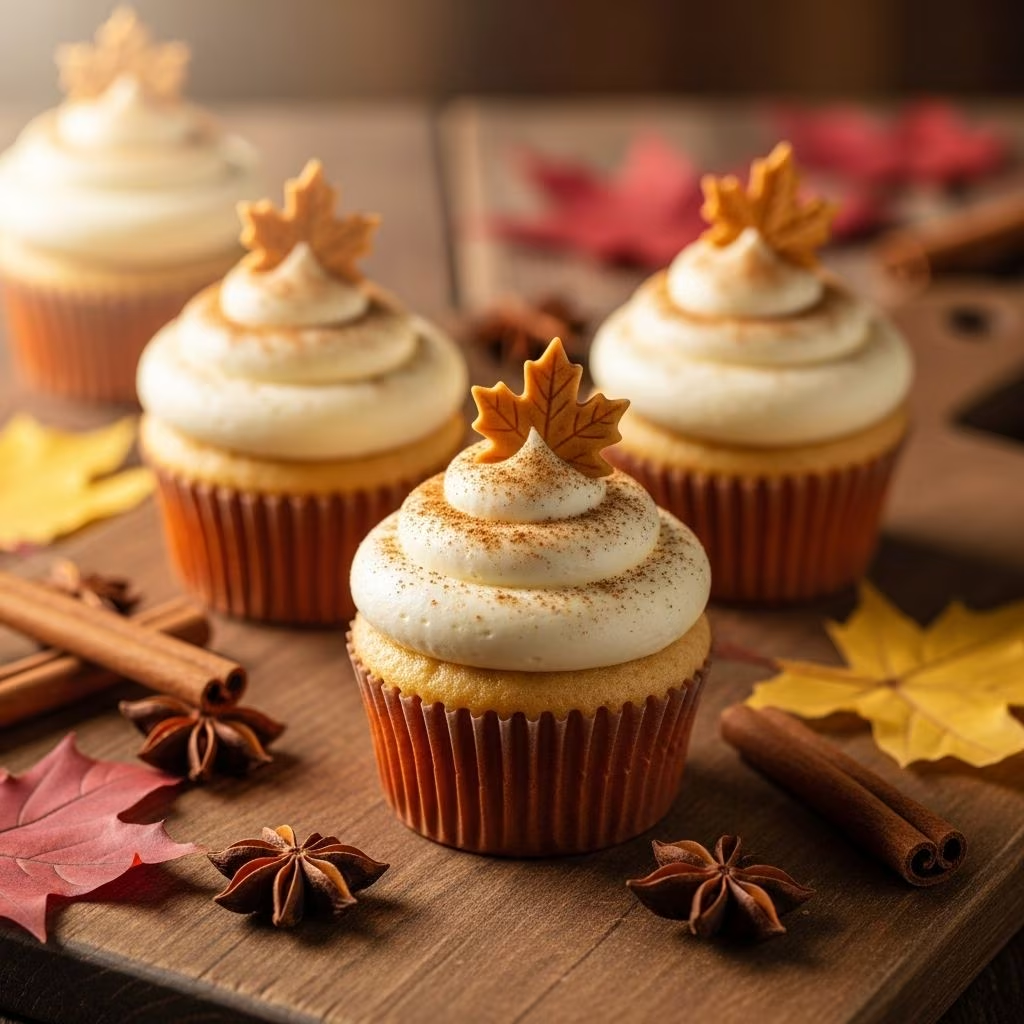
These cupcakes also offer visual appeal that makes them ideal for entertaining. The swirled or layered appearance of the cheesecake filling peeking through the cake creates an elegant presentation, while the warm spice tones evoke the comfort associated with autumn gatherings. The versatility of these treats means they work equally well at casual potlucks or more formal fall celebrations.
Essential Ingredients and Their Roles
The Cake Foundation
Creating the base cake requires several key components working in harmony. All-purpose flour provides structure and stability, typically measuring around 240 grams or roughly 2 cups when spooned and leveled. This technique prevents packing the flour, which can result in dense cupcakes. The dry ingredient mixture also includes chemical leavening agents in the form of baking powder and baking soda, which work together to create lift and a tender crumb.
Salt enhances flavor complexity and shouldn’t be omitted, even in sweet applications. The warm spices form the backbone of the autumn character: cinnamon adds warmth and familiarity, while nutmeg, cloves, and ginger provide sophisticated depth. These spices should be measured carefully, as their potency can vary based on age and quality. Fresher spices deliver more vibrant flavor.
Real pumpkin puree, not pumpkin pie filling, forms the wet ingredient base. This unsweetened puree contributes moisture, fiber, and subtle pumpkin flavor without adding excess sugar. Eggs provide structure and richness, while oil keeps the crumb tender and moist. A combination of granulated and brown sugar balances sweetness with caramel notes.
The Cheesecake Filling Components
Quality cream cheese at room temperature ensures a smooth, lump-free filling. Cold cream cheese can result in lumps that compromise texture. The filling typically includes a small amount of sugar to enhance sweetness without overwhelming, vanilla extract or vanilla bean paste for aromatic depth, and sometimes sour cream for added tang and moisture. Some variations include egg white or whole eggs to provide structure so the filling sets properly during baking.
The Frosting Elements
The frosting traditionally combines softened butter and cream cheese beaten until light and fluffy. Some recipes incorporate sour cream for tartness that balances the sweetness. Powdered sugar is gradually incorporated to prevent lumps. Vanilla extract rounds out the flavor profile. The result should be spreadable yet sturdy enough to hold decorative piping patterns.
Preparation Techniques and Best Practices
Setting Up for Success
Proper oven preparation begins with preheating to 350 degrees Fahrenheit. This temperature allows even cooking without excessive browning on the exterior before the interior sets. Line a standard 12-cup muffin tin with paper liners, which facilitate easy removal and portion control.
Bringing all ingredients to room temperature, particularly cream cheese and eggs, ensures they combine smoothly without lumps. Cold ingredients resist proper incorporation and can create undesirable texture. This step takes roughly 30 minutes and shouldn’t be rushed.
Mixing Strategies
The dry ingredients should be whisked together in one bowl to distribute leavening agents and spices evenly. In a separate bowl, combine wet ingredients and mix thoroughly. This two-bowl method prevents overmixing, which can result in tough, dense cupcakes. Once combined, mix only until ingredients are just incorporated.
For the cheesecake filling, beat cream cheese and sugar until smooth and creamy, then gradually add remaining ingredients. Avoid overbeating, which can incorporate excess air that causes the filling to rise unevenly during baking.
The Layering Process
The layering technique significantly impacts the final result. Begin by placing approximately 1 tablespoon of cake batter into each liner, spreading it to cover the bottom. This creates a foundation that prevents the filling from sinking to the bottom of the cupcake.
Next, add approximately half a tablespoon of cheesecake filling to the center of each liner. Top with another layer of cake batter, then another layer of cheesecake filling. Finish with a final layer of cake batter. Some bakers prefer to swirl everything together with a toothpick or skewer for a marbled appearance, while others allow the layers to remain distinct.
Baking Guidelines and Timing
Baking time typically ranges from 15 to 23 minutes depending on oven characteristics and individual recipe variations. The cupcakes are done when a toothpick inserted in the cake portion comes out with just a few moist crumbs. The cheesecake filling should appear set but may have a slight jiggle, which is normal and desirable for a creamy texture.
Different ovens vary in temperature accuracy, so relying on visual cues alongside the timer produces better results than strict time adherence. The cupcake tops should spring back when gently touched, and the sides should pull slightly away from the liner.
Allow the cupcakes to cool in the pan for 2 to 3 minutes before transferring to a cooling rack. This brief window prevents damage while remaining short enough that they don’t stick to the liners. It’s normal for the center to settle slightly as the cheesecake filling cools; this creates that desirable creamy texture.
Frosting and Finishing Touches
Once cupcakes have cooled completely, the frosting can be applied. Use an electric mixer to beat butter and cream cheese together on medium speed until light and fluffy, roughly 2 to 3 minutes. Gradually add powdered sugar while mixing to prevent lumps from forming. The final frosting should be smooth, spreadable, and hold decorative shapes when piped.
Frosting options are virtually limitless. Classic cream cheese frosting offers tangy sweetness, while sour cream variations add complexity. Some bakers prefer whipped cream for a lighter touch. Graham cracker crumbs, cinnamon dust, or candied pumpkin seeds make elegant toppings that reinforce the autumn theme.
Storage and Make-Ahead Considerations
Unfrosted cooled cupcakes can be stored in an airtight container at room temperature for up to two days, though they’re best enjoyed fresh. Frosted cupcakes should be refrigerated due to the cream cheese components. Proper storage keeps them fresh for up to five days. For longer storage, unfrosted cupcakes freeze beautifully for up to three months. Thaw at room temperature before frosting.
The cheesecake filling can be prepared a day in advance and refrigerated until needed. This allows bakers to break the recipe into manageable steps. Similarly, frosting can be made ahead and refrigerated, though it should soften slightly before piping for best results.
Troubleshooting Common Challenges
| Issue | Likely Cause | Solution |
|---|---|---|
| Filling sinks to bottom | Insufficient cake base layer or overfilling | Ensure adequate bottom cake layer; measure filling carefully |
| Cupcakes dome excessively | Oven temperature too high or overmixing batter | Verify oven temperature; mix ingredients gently |
| Dry, dense texture | Overbaking or flour overpack | Spoon flour into measuring cup; check with toothpick earlier |
| Lumpy cheesecake filling | Cold cream cheese or inadequate mixing | Bring cream cheese to room temperature; beat thoroughly |
| Greasy frosting | Warm ingredients or excess butter | Chill frosting; measure ingredients precisely |
Variations and Creative Adaptations
While the classic combination remains timeless, creative bakers can explore numerous variations. Some prefer to add espresso powder to the filling for mocha undertones. Others incorporate maple syrup into the frosting for additional autumn character. Graham cracker crusts can be pressed into the bottom of liners before filling for textural contrast reminiscent of traditional cheesecake.
White chocolate chips can be folded into the cheesecake filling for sweetness and richness. Candied ginger offers sophisticated spice complexity. For those seeking reduced sugar options, sweetener alternatives can be substituted, though they may produce slightly different results in flavor and texture.
Frequently Asked Questions
Can I use canned pumpkin pie filling instead of pure pumpkin puree?
Pure pumpkin puree is strongly recommended because pie filling contains added spices and sugar that would alter the recipe balance. If substituting, reduce additional sugar and adjust spice measurements to prevent an overly sweet, heavily spiced result.
How do I prevent the cheesecake filling from cracking?
Overmixing the filling incorporates excess air that escapes during baking, creating cracks. Mix only until ingredients are just combined. Additionally, avoid overbaking—the filling should appear set but with a slight jiggle. Some bakers place a pan of water on the lower oven rack to add humidity.
What’s the difference between swirled and layered versions?
Layered versions maintain distinct cake and filling strata throughout the cupcake. Swirled versions have the filling partially mixed into the cake batter using a toothpick or skewer, creating a marbled appearance. Both produce delicious results; the choice is primarily aesthetic.
Can I make these cupcakes in advance for an event?
Yes, unfrosted cupcakes can be baked 1-2 days ahead and stored in airtight containers. Frosting should be applied no more than 8 hours before serving for best appearance and texture. Refrigerate frosted cupcakes until presentation time.
Why did my frosting turn out greasy?
Warm ingredients or excessive butter cause greasy frosting. Ensure all components are at proper temperature before mixing. Chill the frosting briefly if greasiness occurs, then re-beat. Measure ingredients carefully to prevent ratio imbalances.
Conclusion: Mastering These Elegant Treats
Creating pumpkin cheesecake cupcakes requires attention to detail, proper technique, and quality ingredients, but the results justify the effort. These elegant treats offer bakers the satisfaction of combining two beloved desserts into one impressive creation. By understanding each component’s role, following proper preparation methods, and avoiding common pitfalls, you’ll produce cupcakes that rival professional bakery offerings. Whether served at autumn celebrations or enjoyed as an everyday indulgence, these sophisticated cupcakes are sure to impress even the most discerning dessert enthusiasts.
References
- Pumpkin Cheesecake Swirl Cupcakes — Life Love and Sugar. Accessed April 2026. https://www.lifeloveandsugar.com/pumpkin-cheesecake-swirl-cupcakes/
- Easy Miniature Pumpkin Cheesecake Recipe — This Silly Girl’s Kitchen. Accessed April 2026. https://thissillygirlskitchen.com/pumpkin-cheesecake-cupcakes/
- Pumpkin Cheesecake Cupcakes — Baran Bakery. Accessed April 2026. https://baranbakery.com/pumpkin-cheesecake-cupcakes/
- Pumpkin Cheesecake Cupcakes — Life In The Lofthouse. Accessed April 2026. https://life-in-the-lofthouse.com/pumpkin-cheesecake-cupcakes/
- How to Make Pumpkin Cheesecake Cupcakes — Allrecipes. YouTube. Accessed April 2026. https://www.youtube.com/watch?v=81uCEM_1H_Q