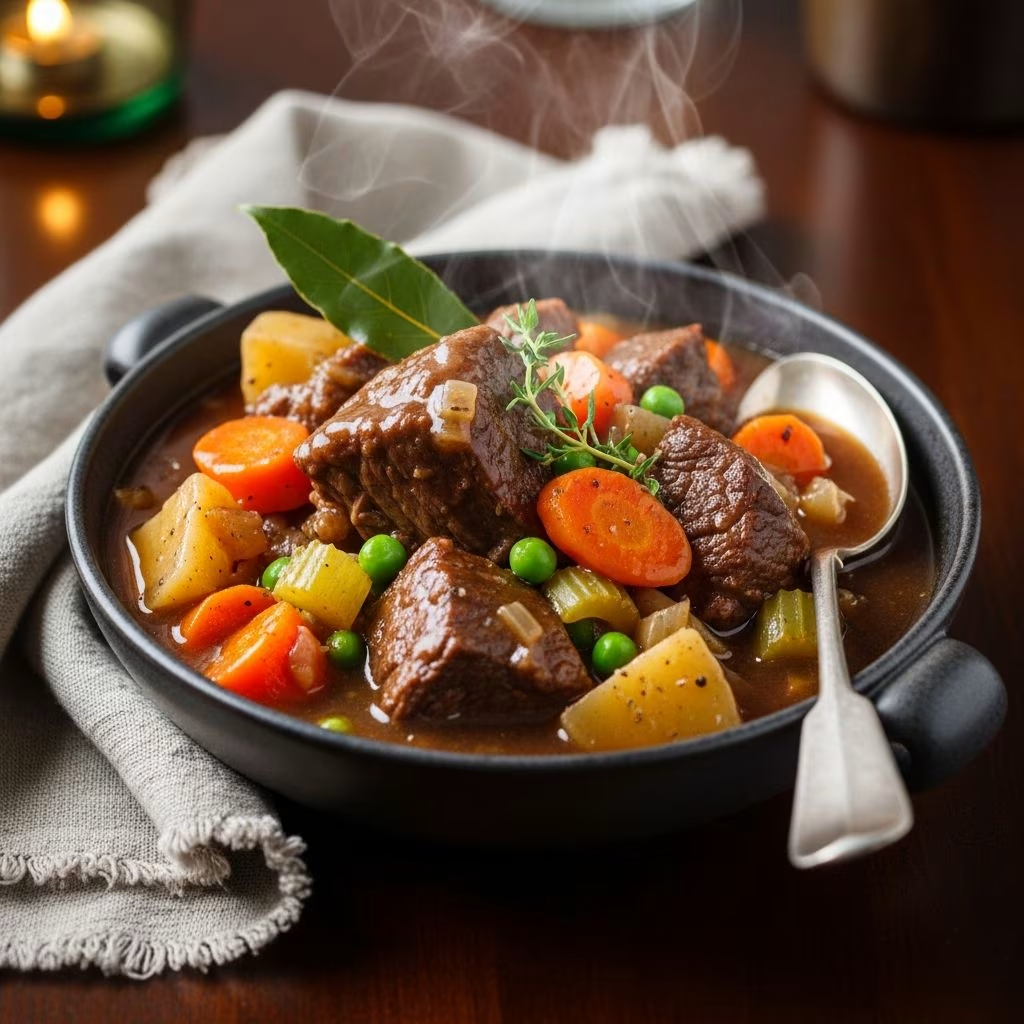
Prime rib, often the star of holiday feasts, leaves behind tender, flavorful leftovers that deserve more than reheating. Enter Prime Rib Stew—a hearty, soul-warming dish that repurposes those premium cuts into a rich, simmered masterpiece. This recipe elevates simple ingredients like potatoes, carrots, and onions into a symphony of textures and tastes, with the beef’s natural richness shining through every spoonful. Perfect for chilly evenings, it feeds a crowd or provides days of satisfying meals.
Why Prime Rib Makes the Best Stew Base
Unlike everyday stew meats like chuck roast, prime rib offers unparalleled tenderness and marbling. Sourced from the rib primal, this cut is prized for its juicy interior and crispy fat cap, which infuses the broth with deep umami during cooking. When diced into stew-sized pieces, it requires minimal additional seasoning, allowing the meat’s inherent flavor to dominate.
Health benefits abound too: prime rib provides high-quality protein, B vitamins, and iron, making this stew nutritious as well as indulgent. Paired with root vegetables, it becomes a balanced one-pot meal that sticks to your ribs without heaviness.
Gathering Your Ingredients for Success
Stock your kitchen with these essentials to craft an authentic Prime Rib Stew. Quantities serve 6-8 generously.
- 2-3 pounds leftover prime rib, trimmed of excess fat and cut into 1-inch cubes—use bones for extra broth if available.
- 4 medium Yukon Gold potatoes, peeled and quartered for creamy texture.
- 4 large carrots, sliced into thick rounds to hold shape.
- 1 large yellow onion, diced for aromatic base.
- 3 celery stalks, chopped (optional for earthiness).
- 4 garlic cloves, minced to build savory depth.
- 4 cups low-sodium beef broth—homemade from roast drippings ideal.
- 1 cup dry red wine (Merlot or Cabernet) or substitute with broth plus balsamic vinegar.
- 2 tablespoons tomato paste for subtle sweetness and color.
- 2 tablespoons olive oil or bacon fat for browning.
- 2 tablespoons all-purpose flour (or gluten-free alternative) for thickening.
- Fresh herbs: 2 bay leaves, 1 tablespoon thyme, parsley for garnish.
- Salt, black pepper, and optional Worcestershire sauce (1 tablespoon) for seasoning.
- 1 cup frozen peas or green beans, added at the end for pop of color and freshness.
Pro tip: Choose well-marbled leftovers for the juiciest results. If starting fresh, sear a rib roast first to mimic the effect.
Step-by-Step Cooking Guide
Preparation takes about 20 minutes, with 1.5-2 hours of simmering for melt-in-your-mouth tenderness. Use a large Dutch oven or heavy pot for even heat distribution.
- Prep the meat: Pat prime rib cubes dry, season generously with salt and pepper. This draws out moisture for better searing.
- Brown the beef: Heat oil in the pot over medium-high. Sear meat in batches, 3-4 minutes per side, until golden crust forms. Remove and set aside—don’t overcrowd.
- Sauté aromatics: Lower heat to medium. Add onion, carrots, celery, and garlic. Cook 5-7 minutes until softened and fragrant.
- Build the base: Stir in tomato paste, cooking 2 minutes to caramelize. Deglaze with red wine, scraping browned bits. Simmer 3 minutes to reduce alcohol.
- Thicken and simmer: Sprinkle flour over veggies, stir 1 minute. Gradually add broth, stirring to avoid lumps. Return beef to pot with bay leaves and thyme. Bring to boil, then reduce to low simmer. Cover and cook 1 hour.
- Add potatoes and finish: Stir in potatoes. Simmer uncovered 30-45 minutes until fork-tender. Fold in peas last 5 minutes. Taste and adjust seasoning.
- Rest and serve: Let stew sit 10 minutes off heat for flavors to meld. Garnish with chopped parsley.
Total time: 2 hours. Make-ahead friendly—flavors deepen overnight in the fridge.
Customizing Your Prime Rib Stew
Adapt this base recipe to your pantry and preferences with these variations:
| Variation | Key Additions/Substitutions | Cook Time Adjustment |
|---|---|---|
| Gluten-Free | GF flour or cornstarch slurry; skip wine for broth+balsamic | None |
| Vegetable-Heavy | Add mushrooms, parsnips, leeks; double carrots | +15 min |
| Spicy Kick | 1 tsp smoked paprika, chili flakes; dash hot sauce | None |
| Crockpot Method | Brown first, then 6-8 hours low; add veggies last 2 hours | 6-8 hours total |
| Short Rib Boost | Mix in 1 lb bone-in short ribs for extra richness | +30 min |
For Instant Pot: Sauté mode for browning, then 35 minutes high pressure, natural release 15 minutes.
Pairing Suggestions and Serving Ideas
Serve steaming bowls with crusty sourdough to sop up the velvety broth. Complement with a crisp green salad or roasted Brussels sprouts. Wine pairing: same red used in cooking, or a bold Zinfandel.
Leftovers shine in shepherd’s pie (top with mashed potatoes) or over egg noodles. Freezes beautifully up to 3 months—portion into airtight containers.
Nutrition at a Glance
Per serving (1/8 recipe): ~450 calories, 35g protein, 25g fat, 30g carbs. High in iron (20% DV), vitamin A (100% DV from carrots), and potassium from potatoes. Use leaner cuts or less oil to lighten up.
Frequently Asked Questions
Can I make Prime Rib Stew without leftovers?
Yes! Substitute with chuck roast or short ribs. Sear well and extend simmer to 2.5-3 hours for tenderness.
What’s the best thickener for the broth?
Flour slurry works reliably. For keto, use xanthan gum (1/2 tsp whisked in). Potatoes release starch naturally too.
How do I fix a watery stew?
Simmer uncovered to reduce, or mix 1 tbsp cornstarch with cold water and stir in. Avoid over-stirring potatoes early.
Is red wine essential?
No—replace with beef broth plus 2 tbsp balsamic or Worcestershire for tang and depth.
Can this be dairy-free or vegan?
Dairy-free by default. For vegan, use seitan or jackfruit with vegetable broth and mushrooms for meatiness.
Expert Tips for Stew Perfection
– Room temperature meat sears better, preventing tough exteriors.
– Low-and-slow cooking preserves juiciness—avoid boiling.
– Taste midway: broth concentrates, so season conservatively at start.
– Bones in? Simmer them first for gelatinous broth.
– Fresh herbs at end preserve vibrancy; dried work but use half amount.
This Prime Rib Stew transforms festive remnants into everyday luxury, proving great food thrives on ingenuity. Gather ingredients and let the slow simmer work its magic for a dish that’ll become a family staple.
References
- Hearty Dutch Oven Beef Stew — Garden in the Kitchen. 2023-01-15. https://gardeninthekitchen.com/hearty-dutch-oven-beef-stew/
- Braised Short Rib Beef Stew — How Sweet Eats. 2014-01-20. https://www.howsweeteats.com/2014/01/braised-short-rib-beef-stew/
- Beef Stew Recipe — Sandra Valvassori. 2022-10-10. https://www.sandravalvassori.com/beef-stew-recipe/
- Ultimate Beef Stew — Barefoot Contessa. 2023-05-05. https://barefootcontessa.com/recipes/ultimate-beef-stew