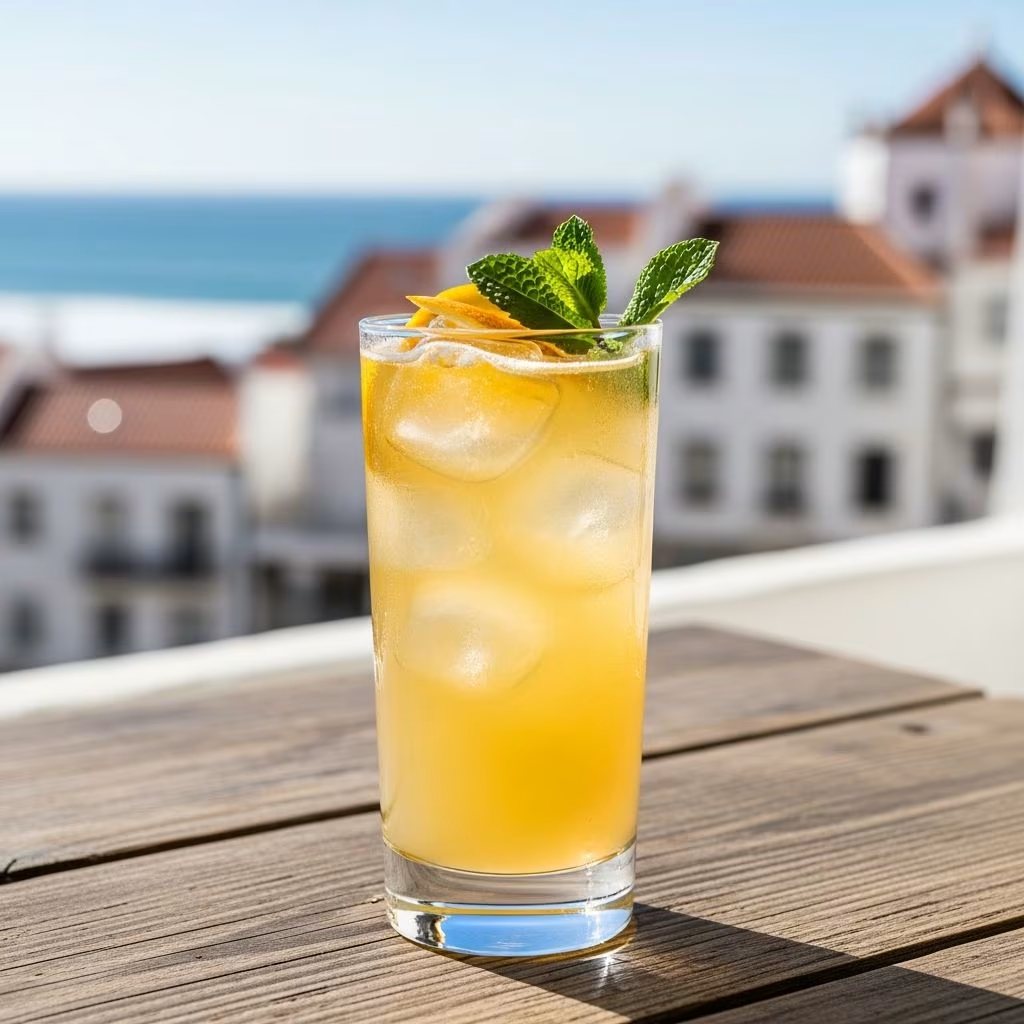
The Porto Tonico stands out as one of Portugal’s most beloved simple pleasures in the world of mixology. This effervescent drink combines the subtle sweetness and floral notes of dry white port with the sharp bitterness of tonic water, creating a balanced refresher ideal for warm afternoons or pre-dinner gatherings. Originating from the sun-drenched vineyards of Portugal, it mirrors the gin and tonic in its ease but distinguishes itself with the fortified wine’s unique character.
Origins and Cultural Significance in Portuguese Drinking Traditions
Rooted in Portugal’s rich winemaking heritage, the Porto Tonico emerged as a modern classic in the Douro Valley and Porto regions. White port, a lighter style of the famous fortified wine, was developed in the early 20th century specifically for mixing. Producers like Taylor Fladgate popularized it with blends such as Chip Dry, dubbing the cocktail ‘Chip and Tonic’ at their estates. It’s a staple in Portuguese social life, often enjoyed at tascas (local taverns) or vineyard tours, embodying the nation’s love for uncomplicated, flavorful beverages.
This cocktail gained traction beyond Portugal, appearing in nightclubs and high-end bars worldwide, thanks to its versatility and low ABV—typically around 8-10% after dilution. In Brazil, where Portuguese influences linger, it’s known as Porto Tônico and savored similarly for its chic simplicity. Unlike heavier ports used in desserts, white port’s crisp profile makes it perfect for highballs, bridging aperitif and casual sipper categories.
Understanding White Port: The Heart of the Drink
White port is produced from indigenous grapes like Rabigato, Viosinho, and Gouveio, fortified with grape spirits during fermentation to halt sweetness development. Dry versions clock in at under 45 grams of sugar per liter, offering aromas of citrus, herbs, and a hint of nuttiness. Young white ports burst with fresh fruit notes—think apple, apricot, and lemon—while aged ones develop honeyed complexity.
Sourcing quality matters: Seek bottles labeled ‘seco’ (dry) from reputable houses like Taylor’s, Graham’s, or Niepoort. Available in liquor stores near sherries or fortified wines, a good bottle costs $15-25 and stays fresh for months after opening when refrigerated. Its lighter body compared to tawny or ruby ports ensures it mingles seamlessly with tonic’s quinine edge.
Classic Porto Tonico Recipe: Step-by-Step Guide
Mastering the basics yields endless enjoyment. This yields one serving and takes under 5 minutes.
Ingredients
- 2 oz dry white port
- 4-6 oz premium tonic water (chilled)
- Plenty of ice cubes
- Garnish: orange slice or lemon wedge, optional herbs like mint or rosemary
Instructions
- Fill a large wine glass, highball, or balloon glass with ice to the brim for maximum chill.
- Pour the white port over the ice, allowing it to coat the cubes slightly.
- Slowly top with tonic water to preserve carbonation; use a 1:2 or 1:3 ratio based on preference for strength.
- Gently stir with a swizzle stick or spoon to integrate without flattening bubbles.
- Add garnish: Squeeze citrus over the rim, drop it in, and tuck in a herb sprig for aroma.
Serve immediately. The ice dilution mellows the port’s intensity, while tonic amplifies its botanicals.
Variations to Suit Every Palate and Season
The Porto Tonico’s adaptability shines in tweaks. Here’s a comparison table of popular riffs:
| Variation | Key Changes | Best For |
|---|---|---|
| Classic Citrus | Orange slice + lemon twist | Summer afternoons |
| Herbal Twist | Muddled mint or rosemary sprig | Garden parties |
| Winter Spice | Cinnamon stick + clove infusion in port | Cool evenings |
| Light Ruby | Substitute ruby port for deeper fruit | Transitional seasons |
| Soda Swap | Tonic replaced with soda + dash bitters | Lower calorie option |
For a fruity upgrade, muddle fresh berries before adding port. In colder months, pre-warm the glass or add a cinnamon dusting. Non-alcoholic versions use white grape juice fortified with a splash of verjus and tonic.
Perfect Pairings: Food Matches for Porto Tonico
This cocktail’s bright acidity and subtle sweetness pair brilliantly with light bites. Consider:
- Seafood: Marinated anchovies (boquerones), shrimp cocktail, or smoked salmon on crackers.
- Cheese: Fresh goat cheese, Manchego, or creamy feta with honey drizzle.
- Vegetables: Grilled fennel, cipollini onions, or radish slices with sea salt.
- Nuts and Olives: Marcona almonds, green olives stuffed with almonds.
- Small Plates: Iberian ham crostini or stuffed mushrooms.
Avoid heavy reds or sweets; the drink’s profile enhances briny, acidic, or mildly sweet flavors. At Portuguese gatherings, serve alongside petiscos for an authentic vibe.
Pro Tips for Elevating Your Porto Tonico Game
- Tonic Choice: Opt for artisanal brands like Fever-Tree or Q Tonic for nuanced botanicals; avoid overly sweet supermarket varieties.
- Glassware: Balloon wine glasses trap aromas; highballs work for portability.
- Chilling: Pre-chill port and tonic; freezer-chilled glasses prevent quick melting.
- Batch for Crowds: Mix port and garnishes in a pitcher, add tonic and ice just before serving.
- Storage: Refrigerate open white port up to 1-2 months; taste for freshness.
Experiment with ratios: Bolder drinkers prefer 1:2 port-to-tonic; lighter sippers go 1:3 or more.
Health and Moderation Notes
At about 150 calories per serving, it’s lighter than many cocktails. White port offers antioxidants from grapes, though alcohol moderation applies—1-2 drinks daily max. Hydrate alongside, especially in heat.
Frequently Asked Questions (FAQs)
What is the difference between white port and regular port?
White port uses white grapes and is fortified early for a dry, crisp style, unlike red ports which are sweeter and wood-aged.
Can I make Porto Tonico without alcohol?
Yes, blend white grape juice, tonic, lemon, and herbs for a mocktail version.
What’s the best white port for this cocktail?
Dry styles like Taylor Fladgate Chip Dry or Niepoort Dry White are ideal starters.
How do I know if my tonic is good quality?
Look for ones listing quinine and natural flavors; taste for balanced bitterness without cloying sweetness.
Is Porto Tonico only for summer?
No, spice it up for winter—it’s versatile year-round.
Conclusion: Why Porto Tonico Deserves a Spot in Your Repertoire
Effortless yet sophisticated, the Porto Tonico captures Portugal’s spirit in a glass. Whether hosting friends or unwinding solo, its refreshing profile delivers joy without fuss. Stock your bar, grab some ice, and toast to this understated gem.
References
- White Port and Tonic | Williams Sonoma — Williams Sonoma. 2023-01-15. https://www.williams-sonoma.com/recipe/white-port-and-tonic.html
- White Port and Tonic (Porto Tonico) – A Delightful Portuguese Cocktail — Casual Foodist. 2022-06-10. https://casualfoodist.com/white-port-and-tonic/
- How to Make a Porto Tonico Cocktail (White Port & Tonic) — Finding Time for Cooking. 2023-03-22. https://findingtimeforcooking.com/drink-recipes/porto-tonico-white-port-tonic-cocktail/
- White Port Cocktail: Hot at Nightclubs | Wine Folly — Wine Folly. 2021-11-05. https://winefolly.com/lifestyle/white-port-cocktail-recipe/
- Port and Tonic (Porto Tonico Recipe) — Brazilian Kitchen Abroad. 2022-08-17. https://braziliankitchenabroad.com/port-and-tonic-porto-tonico-recipe/