Apple cider and apple juice both derive from apples but diverge significantly in their preparation, resulting in distinct appearances, tastes, and nutritional profiles. Cider represents a fresher, less processed option, while juice undergoes extensive refinement for clarity and longevity.
Production Processes Unveiled
The journey from orchard to bottle sets these beverages apart fundamentally. For apple cider, the process begins with whole apples—skins, seeds, stems, and all—ground into a mash and pressed to release their natural liquids. This minimal intervention preserves pulp, sediment, and fiber, yielding a cloudy product often flash-pasteurized at low temperatures for safety without altering flavor.
Apple juice, by contrast, starts similarly but intensifies through concentration. Juice is extracted, then water is evaporated to create a dense concentrate, stripping pectins and fibers. This concentrate, often sourced globally rather than locally, gets reconstituted with water, filtered meticulously for smoothness, and pasteurized at high heat for shelf stability. Added sugars or flavors can enhance sweetness, transforming it into a milder product.
- Cider: Fresh, local apples mashed and pressed; unfiltered or lightly filtered; short shelf life requiring refrigeration.
- Juice: Concentrated, heavily filtered; pasteurized for room-temperature storage; may include additives.
Visual and Sensory Distinctions
Spot the difference at a glance: apple cider appears opaque and cloudy, ranging from pale yellow to deep amber due to retained solids. Its texture feels fuller, sometimes with visible sediment that settles over time.
Apple juice shines clear and golden, a result of rigorous filtration removing all particulates. This clarity comes at the cost of body, making it thinner and more uniform.
Taste profiles amplify these contrasts. Cider delivers a robust, tangy punch—earthy, complex, and varietal-specific, with natural tartness from fresh apples. Subtle spice notes emerge if blended with cinnamon or fruits. Juice tastes sweeter and milder, often like sweetened nectar, owing to concentration and additives; an 8-ounce serving might pack 28 grams of sugar.
| Aspect | Apple Cider | Apple Juice |
|---|---|---|
| Appearance | Cloudy, amber hues | Clear, golden |
| Texture | Full-bodied with sediment | Smooth, thin |
| Flavor | Tangy, robust, fresh | Sweet, mild |
Nutritional Breakdown and Health Insights
Processing impacts nutrition profoundly. Cider retains more natural compounds like polyphenols—antioxidants from apple skins—and fiber from unfiltered pulp, potentially offering superior gut health benefits. Its minimal handling preserves these elements better than juice.
Juice loses much fiber and pectin during concentration and filtration, though calories and basic vitamins remain comparable. However, added sugars inflate its profile, and high-heat pasteurization may degrade some nutrients. Both provide hydration and apple-derived vitamins, but cider edges out for wholesomeness.
- Fiber: Higher in unfiltered cider.
- Antioxidants: More abundant in cider’s solids.
- Sugar: Naturally balanced in cider; often elevated in juice.
Culinary Roles and Recipe Applications
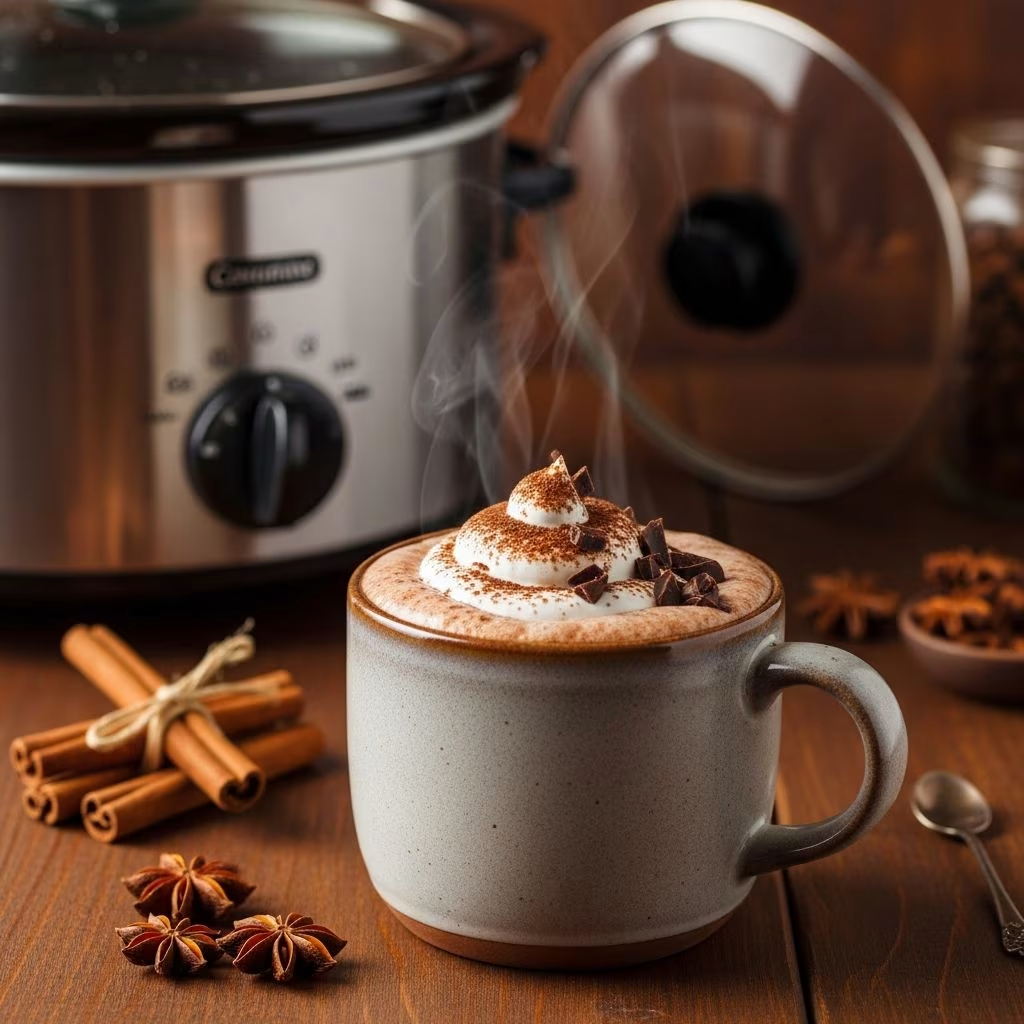
In the kitchen, choose based on desired outcomes. Cider’s bold flavor elevates mulled drinks, glazes, marinades, and baked goods—its acidity balances sweets and meats. Simmer it with spices for holiday punches or reduce for syrups.
Juice suits straightforward sipping, smoothies, or subtle sweetening in desserts and sauces, where clarity and mildness prevent overpowering dishes. It’s ideal for jellies or popsicles needing uniformity.
Pro tip: Opt for opaque, unfiltered juice as a cider stand-in for recipes requiring depth.
Seasonal and Regional Variations
Fall evokes cider imagery—fresh from U.S. orchards, supporting local farmers with short-haul apples. Its seasonality ties to harvest, fostering authenticity. Juice, industrialized and year-round, relies on imports, diluting terroir.
Globally, “cider” often means fermented hard cider (alcoholic), contrasting U.S. non-alcoholic norms. Regulations in some states mandate raw-style cider production.
Storage, Safety, and Selection Tips
Cider demands refrigeration post-opening, lasting days to weeks; unpasteurized versions risk bacteria, so pasteurization ensures safety without flavor loss. Juice’s processing grants pantry stability for months.
When shopping, scrutinize labels: seek “100% juice” without concentrates for juice, and “fresh pressed” or cloudy visuals for cider. Avoid misleading dual-labeling by checking ingredients—pure cider lists only apples.
Environmental and Economic Angles
Cider champions locality, minimizing transport emissions and bolstering orchards. Juice’s global concentrates strain resources via evaporation and shipping. Choosing cider sustains communities and reduces packaging waste from fresher, smaller batches.
Frequently Asked Questions
Can I substitute apple juice for cider in recipes?
Yes, especially unfiltered varieties mimicking cider’s opacity, though expect milder results. Adjust sweetness accordingly.
Is unpasteurized cider safe?
Flash-pasteurized is standard for safety; raw cider carries risks for vulnerable groups—check labels.
Which has more sugar?
Cider’s natural; juice often higher from additives. Compare nutrition facts.
Does cider ferment into alcohol?
Non-alcoholic U.S. cider can if unrefrigerated, but proper storage prevents this.
Are there organic options?
Both exist; organic cider maximizes purity without pesticides.
Historical Context of Apple Beverages
Apples arrived in America via colonists, with cider dominating early beverages—nearly every farm pressed it. Juice emerged later with industrialization, prioritizing convenience over tradition. Today, cider revives heritage amid farm-to-table trends.
This evolution underscores cider’s rustic roots versus juice’s modern scalability.
References
- Apple Cider vs. Apple Juice: What’s the Real Difference — Louisburg Cider Mill. 2023. https://www.louisburgcidermill.com/post/apple-cider-vs-apple-juice-what-s-the-real-difference
- Apple Juice vs. Apple Cider: The Big Difference Between Two Classic Drinks — Cold Hollow Cider Mill. 2023. https://coldhollow.com/blogs/news/apple-juice-vs-apple-cider-the-big-difference-between-two-classic-drinks
- What Is the Difference Between Apple Juice and Apple Cider — North Coast Organic. 2023. https://www.northcoast.organic/what-is-the-difference-between-apple-juice-and-apple-cider/
- Apple Juice vs Apple Cider – What’s the Difference? — Jerry James Stone (YouTube). 2023. https://www.youtube.com/watch?v=cg42zeDhf6Y