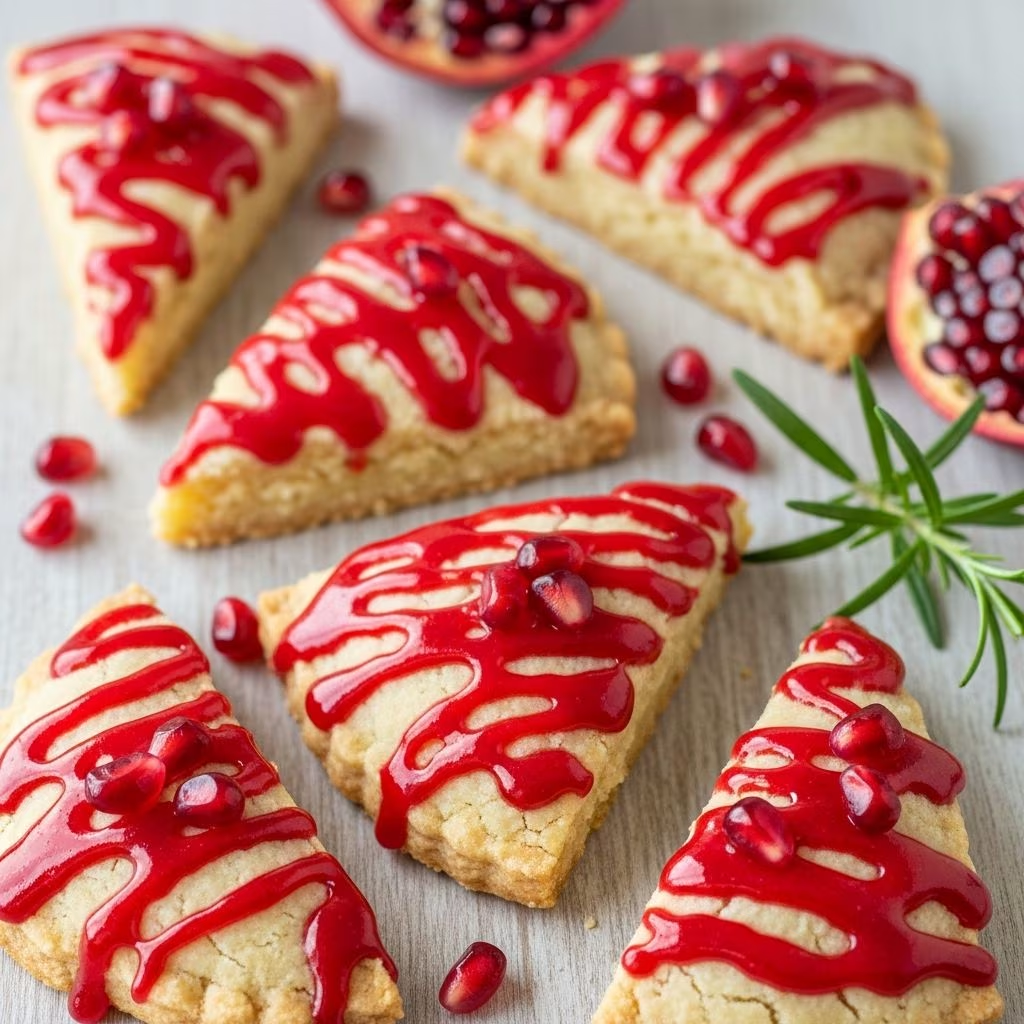
Shortbread cookies represent one of the most refined and versatile categories in the baking world. Their buttery texture and delicate crumb structure make them an ideal canvas for creative flavor combinations. When paired with the bright, tangy notes of pomegranate, these traditional Scottish treats transform into something truly extraordinary. This guide explores every aspect of creating pomegranate-glazed shortbread wedges, from understanding the fundamental baking principles to mastering decorative techniques.
Understanding Shortbread Foundation
Shortbread derives its name from the shortened fat content that creates its distinctive crumbly texture. Unlike many cookies that rely on chemical leavening agents, authentic shortbread achieves its structure through the ratio of flour, butter, and sugar. This simplicity allows the quality of individual ingredients to shine through prominently. The butter content—typically between 40-50% by weight—creates the characteristic melt-in-your-mouth sensation that defines superior shortbread.
The basic shortbread formula remains remarkably consistent across variations. A 1:2:3 ratio of sugar to butter to flour provides the foundation for countless interpretations. However, modern variations incorporate additional flavoring elements while maintaining structural integrity. Understanding these fundamentals ensures that added ingredients like pomegranate glaze complement rather than compromise the cookie’s essential character.
Core Ingredients and Their Roles
Premium Butter Selection
The butter used in shortbread significantly influences both flavor and texture. European-style butter, containing approximately 86% butterfat compared to standard American butter’s 80%, produces noticeably richer results. The higher fat content creates a more tender crumb and contributes deeper flavor complexity. Room-temperature butter creams more effectively with sugar, incorporating air that promotes even browning during baking.
Flour Considerations
All-purpose flour works adequately for shortbread, yet cake flour produces notably softer results due to lower protein content. The protein-to-starch ratio directly affects gluten development; less gluten means a more delicate, crumbly texture. Some bakers prefer a blend of all-purpose and cornstarch to achieve intermediate results that balance structure with tenderness.
Sugar Components
Granulated sugar provides sweetness while contributing to the desired sandy texture. Some recipes incorporate a portion of superfine sugar, which dissolves more readily during creaming. The choice between white and brown sugar affects moisture retention and depth of flavor. For pomegranate-glazed shortbread, white sugar maintains clarity of flavor and appearance, allowing the glaze’s vibrant color to take center stage.
Flavoring Elements
Vanilla bean paste offers superior flavor intensity compared to vanilla extract, contributing aromatic complexity without excess moisture. Sea salt—used in both the dough and the glaze—enhances overall flavor perception and balances sweetness. These complementary flavors create a sophisticated backdrop for the pomegranate glaze’s distinctive tartness.
The Pomegranate Glaze Composition
The glaze transforms simple shortbread into an impressive presentation-worthy dessert. Pomegranate juice concentrates the natural fruit acids and sugars, creating a flavor-forward component that contrasts beautifully with buttery shortbread. The glaze typically combines pomegranate juice with powdered sugar to achieve the proper consistency for application and setting.
Fresh lemon juice adds complexity and brightens the pomegranate’s inherent tartness. This citrus component prevents the glaze from becoming one-dimensional, encouraging multiple flavor notes to emerge with each bite. The acid from both pomegranate and lemon creates a balanced sweetness that complements rather than overwhelms.
Powdered sugar serves multiple functions within the glaze formula. It provides sweetness while creating the smooth, spreadable consistency essential for even application. The cornstarch present in commercial powdered sugar aids in setting and reduces stickiness as the glaze dries.
Preparation Techniques and Methods
Creating the Shortbread Base
Begin by bringing butter to room temperature, allowing it to soften sufficiently for easy creaming without becoming oily. This typically requires 30-45 minutes depending on kitchen temperature. Creaming butter with sugar for 3-5 minutes develops a pale, fluffy mixture that incorporates air throughout the dough. Proper creaming ensures even sugar distribution and promotes uniform browning.
Combine flour and salt separately before adding to the butter mixture. This dry-ingredient integration approach prevents overmixing, which would develop gluten and create tough cookies. Mix only until the dough comes together; visible flour streaks become fully incorporated during pressing into the baking vessel.
Shaping and Cutting
Press the prepared dough into a parchment-lined baking pan, creating an even thickness of approximately 1/4 to 1/2 inch. Even distribution ensures uniform baking and prevents overdone edges with underbaked centers. Score the dough into 12 wedge-shaped pieces using a sharp knife, cutting completely through to the pan bottom. This technique facilitates clean breaking after baking while creating the distinctive wedge presentation.
Baking Parameters
Preheat the oven to the specified temperature, typically 325-350°F, allowing at least 15 minutes for even heat distribution. Rotate the pan halfway through the 27-32 minute baking time to ensure uniform golden browning. The cookies are finished when pale golden, not deeply browned; residual heat continues cooking after removal from the oven.
Glaze Preparation and Application
While the shortbread cools completely, prepare the glaze by combining powdered sugar, pomegranate juice, lemon juice, and sea salt. Whisk these components thoroughly until a smooth consistency forms suitable for drizzling or spreading. The mixture should flow easily but not be so thin that it runs off the cookies.
Apply the glaze to completely cooled shortbread using a pastry brush, spatula, or piping bottle. Generous application ensures vibrant color and full flavor impact, while thin glazing provides subtle accent. Allow the glaze to set for at least 30 minutes before serving, creating a light candy shell that adheres to the buttery base.
Flavor Variations and Customizations
| Variation | Modification | Complementary Elements |
|---|---|---|
| Citrus Enhancement | Add orange zest to shortbread base | Combine pomegranate and orange juice in glaze |
| Spiced Version | Include cardamom and black pepper | Incorporate cinnamon into glaze coating |
| Chocolate Drizzle | Keep base unchanged | Add dark chocolate lines over pomegranate glaze |
| Rose Flower Theme | Add rose water to dough | Garnish glazed cookies with edible rose petals |
| Almond Variation | Replace 1/4 cup flour with almond flour | Top with crushed pistachios before glaze sets |
Storage and Shelf Life Considerations
Properly stored pomegranate-glazed shortbread maintains optimal quality for 5-7 days when kept in an airtight container at room temperature. The glaze hardens sufficiently to prevent sticking between layers when separated by parchment. Avoid refrigeration, which can accelerate staleness; the cool environment’s moisture content affects the shortbread’s tender texture.
For extended storage, freeze unglazed shortbread wedges for up to three months. This approach preserves the buttery flavor and crumbly texture better than freezing glazed cookies. Apply the glaze shortly before serving, ensuring fresh, vibrant presentation and optimal flavor impact.
Troubleshooting Common Challenges
Excessive Spreading During Baking
Dough that spreads too much typically indicates insufficient flour or excessive butter. Verify measurements using a scale for accuracy; volume measurements can introduce significant variations. Additionally, ensure the butter was properly softened rather than melted during creaming, as excess liquid compromises structure.
Dense, Tough Texture
Overmixing develops gluten, resulting in undesirable density. Mix only until ingredients combine; some flour streaks resolve during pressing into the pan. Additionally, overbaking darkens the exterior while overdrying the interior texture; monitor the oven closely during the final minutes.
Glaze Consistency Issues
If the glaze becomes too thick, add pomegranate juice or lemon juice by the teaspoon until achieving desired spreadability. Conversely, additional powdered sugar thickens excessively thin glaze. Temperature also affects consistency; slightly warm glaze spreads more easily than chilled mixture.
Serving Suggestions and Presentation Ideas
These elegant wedges shine when arranged on a simple white plate, allowing the pomegranate glaze’s jewel-toned color to command attention. Pair with champagne or dessert wine to echo the sophisticated flavor profile. For casual settings, stack wedges in parchment-lined boxes for impressive gift presentations or party favors.
Serve alongside contrasting elements like vanilla ice cream, whipped cream, or mascarpone to complement the tartness. A light dusting of edible glitter or pomegranate seeds emphasizes the theme and adds textural interest. These cookies work beautifully in composed dessert platters featuring complementary items.
Frequently Asked Questions
Can I use bottled pomegranate juice instead of fresh?
Yes, bottled juice works effectively and offers convenience. Select unsweetened or lightly sweetened varieties to maintain flavor balance. Avoid juice cocktails, which contain added sugars and reduce the natural tartness essential to the recipe’s success.
How far in advance can these be prepared?
Prepare unglazed shortbread up to one week ahead, storing in airtight containers. Glaze the cookies within 24 hours of serving for optimal appearance and texture. This timeline works well for entertaining, allowing advance preparation with fresh-baked presentation.
What can substitute for pomegranate in the glaze?
Raspberry, blackberry, or cherry juice creates beautiful alternatives with similar tartness profiles. Cranberry juice offers brighter color and comparable acidity. Adjust liquid quantities slightly depending on the juice’s natural sugar content and consistency.
Is vanilla bean paste essential, or can I use extract?
Extract substitutes work adequately using 1-1.5 teaspoons vanilla extract. Paste provides superior flavor complexity and attractive visual specks, but extract maintains essential flavor character. This substitution doesn’t significantly compromise the finished product.
How do I prevent the glaze from cracking when it sets?
Ensure the glaze achieves a consistency that flows easily without being overly thick. Allow gradual setting at room temperature rather than refrigerating, which causes rapid moisture evaporation and cracking. Thinner glaze layers also reduce cracking risk compared to thick applications.
Nutritional Considerations
These shortbread wedges are decidedly indulgent treats rather than health-conscious options. A single wedge contains approximately 200-250 calories, with the majority derived from butter and sugar. Pomegranate contributes minimal calories while providing antioxidants characteristic of this vibrant fruit.
For those managing sugar intake, consider reducing the glaze’s sweetness by increasing pomegranate juice proportions relative to powdered sugar. This adjustment maintains flavor character while moderating added sugar content. The shortbread base itself contains concentrated sugar, limiting practical modifications without fundamentally altering texture and taste.
Equipment and Tools Recommendations
A kitchen scale ensures accurate ingredient measurement, critical for achieving proper shortbread texture and consistency. A sturdy wooden spoon or stand mixer facilitates efficient creaming without overworking the dough. Square baking pans, typically 8×8 or 9×9 inches, provide ideal dimensions for this recipe’s wedge-cutting approach.
A sharp knife makes clean wedge cuts through cooled dough without compressing the crumbly structure. Parchment paper prevents sticking and simplifies removal from baking vessels. Whisks blend glaze components smoothly, while pastry brushes or offset spatulas apply glazes evenly across cookie surfaces.
References
- Pomegranate-Glazed Shortbread Wedges — Scanned Recipes via Umami. https://www.umami.recipes/recipe/qQdmbsGqHWcel5xZRMjV
- Pomegranate-Glazed Shortbread Wedges — Cooked.wiki. https://cooked.wiki/saved/117d1a12-249f-4302-8f3f-7c7b89d3a322