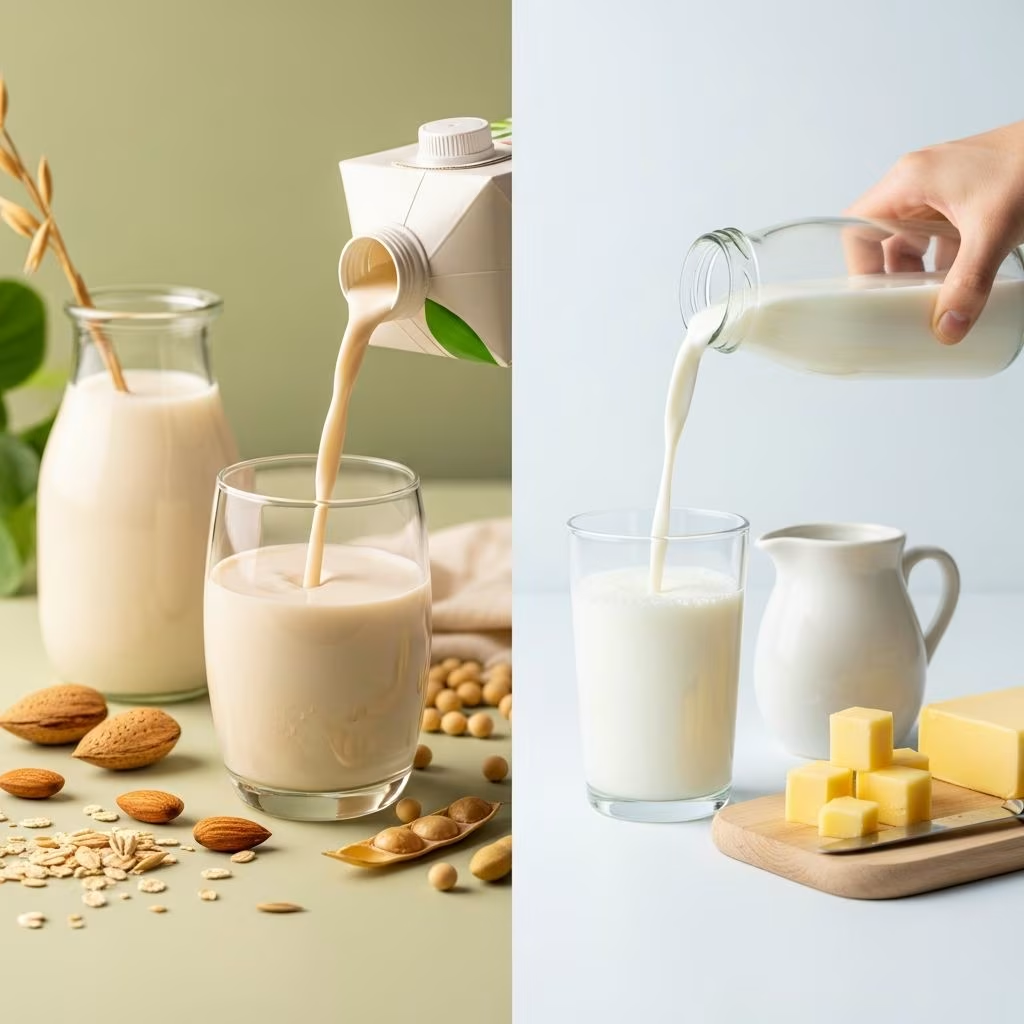
Plant-based milks have surged in popularity, offering alternatives to traditional dairy for those seeking lactose-free options, lower calories, or environmental benefits. This guide examines key varieties—soy, almond, oat, coconut, hemp, and rice—against cow’s milk, focusing on protein, fats, vitamins, and overall health impacts to help you choose wisely.
Understanding the Rise of Non-Dairy Options
Consumer demand for plant milks stems from lactose intolerance affecting up to 68% of the global population, allergies, ethical concerns, and sustainability. Unlike cow’s milk, which naturally packs protein, calcium, and vitamin D, plant milks often require fortification to match these nutrients. The U.S. Dietary Guidelines recognize only fortified soy milk as a dairy equivalent due to its comparable profile.
Production varies: soy from ground soybeans, almond from blended nuts and water, oat from milled oats, coconut from tropical fruit pulp, hemp from seeds, and rice from grains. Always check labels for added sugars, which can inflate calories in flavored versions.
Nutritional Breakdown of Popular Plant Milks
Per one-cup (240ml) serving of unsweetened varieties, here’s how they compare to 2% cow’s milk (122 calories, 8g protein, 5g fat, 293mg calcium when fortified):
| Milk Type | Calories | Protein (g) | Fat (g) | Calcium (mg, fortified) | Key Notes |
|---|---|---|---|---|---|
| Cow’s (2%) | 122 | 8 | 5 | 293 | Complete protein, natural B12, iodine. |
| Soy | 80-100 | 7-8 | 4 | 300 | Complete protein, heart-healthy isoflavones. |
| Almond | 30-50 | 1 | 2.5 | 450 | Low-cal, vitamin E, but low protein. |
| Oat | 120 | 3 | 5 | 350 | Fiber for cholesterol control. |
| Coconut | 45-80 | 0-1 | 4-5 | 300-450 | MCTs for energy, higher sat fat. |
| Hemp | 60-80 | 3 | 5 | 300 | Omega-3/6 for heart health. |
| Rice | 120 | 1 | 2.5 | 300 | Highest carbs, often sugary. |
Data synthesized from USDA reports and health analyses; values approximate and vary by brand.
Soy Milk: The Closest Dairy Match
Soy milk stands out with 7-8g protein per cup, rivaling cow’s milk and providing all essential amino acids as a complete protein source. Fortified versions deliver calcium, vitamin D, and B12 akin to dairy, earning endorsement in federal guidelines. Low in saturated fat and cholesterol-free, it supports heart health. Myths about soy raising cancer risk or affecting hormones are debunked by extensive research showing safety for most adults, including no thyroid disruption with sufficient iodine.
Ideal for muscle maintenance and satiety, soy suits athletes or those transitioning from dairy. Opt for organic, unsweetened to avoid additives.
Almond Milk: Low-Calorie Favorite
At 30-50 calories per cup, unsweetened almond milk appeals to weight-conscious consumers. It’s lactose-free, nut-based, and fortified with bone-supporting calcium and D, plus natural vitamin E for skin health. However, its 1g protein limits its use as a meal base.
Environmental note: Almond farming demands water, but it’s low-fat (2.5g) with minimal saturated fat. Best for smoothies or cereal where creaminess isn’t primary.
Oat Milk: Creamy and Fiber-Rich
Oat milk’s 2g fiber per cup aids digestion and lowers LDL cholesterol, a unique perk among milks. With 120 calories and 3g protein, its creamy texture mimics dairy in coffee or baking. Allergen-free (no nuts/soy/dairy), it’s versatile for families.
Choose unsweetened to sidestep added sugars; beta-glucans in oats promote gut health.
Coconut Milk: Energy-Boosting Fats
Beverage coconut milk (not canned) offers 45-80 calories, trace protein, and medium-chain triglycerides (MCTs) that may boost HDL cholesterol. Fortified for calcium, its tropical flavor shines in curries or lattes, but higher saturated fat (4-5g) warrants moderation for heart patients.
Lower fat than whole dairy (37-75% less), per studies.
Hemp Milk: Omega Powerhouse
Hemp provides balanced omega-3 and -6 fats for blood pressure and cholesterol management, with 3g protein and 60-80 calories. Nut- and soy-free, fortified versions support bone health. Its nutty taste pairs well with granola.
Seeds’ nutrients make it anti-inflammatory, though less common in stores.
Rice Milk: Gentle but Limited
Rice milk’s mild sweetness suits kids or rice-allergic avoiders, but at 1g protein and high carbs (120 calories), it’s least nutrient-dense. Often sweetened, it risks blood sugar spikes; fortification helps but doesn’t match protein needs.
Health Benefits and Considerations
- Bone Health: Fortified plant milks provide calcium/D, but dairy’s natural iodine and B12 edge it for some. Non-dairy calcium sources: leafy greens, sardines.
- Heart Health: Plant milks cut saturated fat; soy, oat, hemp excel.
- Weight Management: Almond and coconut lowest calories; watch sugars in others.
- Allergies: Hemp/oat safest; avoid almond for nut issues.
- Environment: Plant milks generally lower impact than dairy.
Plant milks average 37-75% less fat than whole dairy. For kids or elderly, prioritize protein-rich soy.
Expert Recommendations for Daily Use
Dietitians like those at UCLA endorse plant milks for health and planet benefits. Soy tops for adults needing protein; mix varieties for balance. Read labels: seek <10g sugar, 300+mg calcium. pair with diverse diet for full nutrients.
Common Myths Debunked
- Soy doesn’t feminize men or raise cancer risk.
- Plant milks can match dairy if fortified.
- Not all are low-protein; soy rivals cow’s.
FAQs
Which plant milk has the most protein?
Soy, with 7-8g per cup, closest to dairy’s 8g.
Is plant milk healthier than dairy?
Often yes for fat/calories, but ensure fortification for equivalence.
Best for lactose intolerance?
Any unsweetened plant milk; soy for nutrition.
Do plant milks cause nutrient gaps?
Possible if unfortified/low-protein; supplement diet with greens, nuts.
Which is best for the environment?
Oat/soy often lowest impact; varies by region.
Practical Tips for Choosing and Using Plant Milks
Shop perimeter for fresh; compare Nutrition Facts. Use soy in savory dishes, oat in baking, almond in drinks. Homemade versions control ingredients but skip fortification—add supplements if needed. For baking, oat/coconut mimic dairy best.
References
- Dairy vs. Plant-Based Milks: Which is the Healthiest Option? — Stanford Lifestyle Medicine. 2023. https://lifestylemedicine.stanford.edu/dairy-soy-almond-oat-hemp-milk/
- Should you switch to plant-based milk? — UCLA Health. 2023. https://www.uclahealth.org/news/article/should-you-switch-to-plant-based-milk
- Almond, Oat, Soy and Other Milk Alternatives – The Health Benefits — Brown University Health. 2023. https://www.brownhealth.org/be-well/almond-oat-soy-and-other-milk-alternatives-health-benefits
- Almond, hemp, oat, soy, coconut, and cow’s milk: Which is best? — Medical News Today. 2023-10-18. https://www.medicalnewstoday.com/articles/325425
- Comparing Milks: Almond, Dairy, Soy, Rice, and Coconut — Healthline. 2023. https://www.healthline.com/health/milk-almond-cow-soy-rice
- What to Know About Non-Dairy Milks — NewYork-Presbyterian Health Matters. 2023. https://healthmatters.nyp.org/what-to-know-about-non-dairy-milks/
- Comparison of nutritional composition between plant-based drinks — PMC (NIH). 2022-10-19. https://pmc.ncbi.nlm.nih.gov/articles/PMC9650290/
- Milk and Plant-Based Milk Alternatives: Know the Nutrient Difference — FDA.gov. 2023-06-13. https://www.fda.gov/consumers/consumer-updates/milk-and-plant-based-milk-alternatives-know-nutrient-difference
(Word count: 1678)