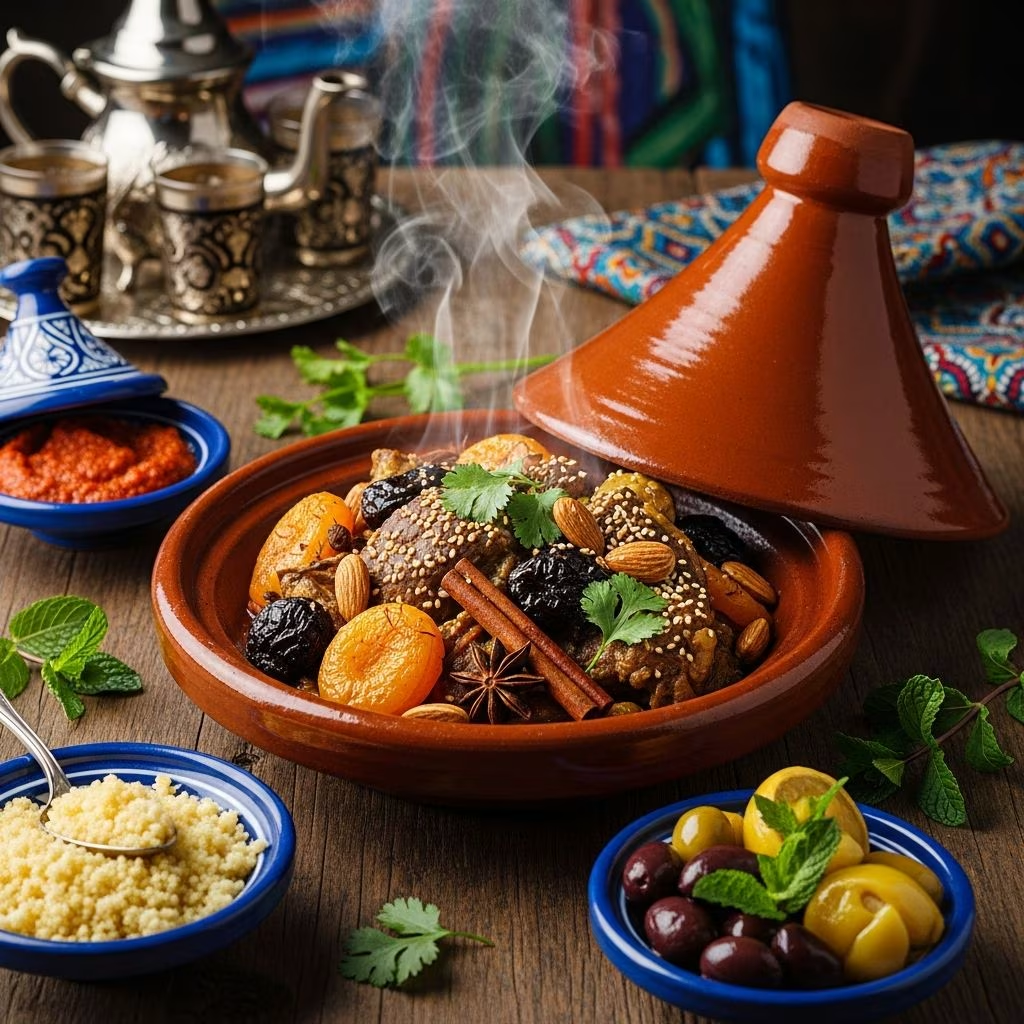
A traditional Moroccan lamb tagine represents one of the most beloved dishes across North Africa, combining tender lamb with an intricate blend of warming spices, aromatic ingredients, and slow-cooking techniques that have been perfected over generations. The dish gets its name from the conical earthenware cooking vessel in which it is traditionally prepared, though modern home cooks can achieve equally impressive results using Dutch ovens or heavy-bottomed braising pots. This comprehensive guide walks you through every aspect of preparing this elegant yet approachable dish.
Understanding the Tagine: More Than Just a Recipe
At its core, a lamb tagine is a slow-cooked stew that transforms affordable cuts of meat into fork-tender morsels bathed in a deeply flavorful sauce enriched with spices like cinnamon, cumin, coriander, ginger, and turmeric. The beauty of this dish lies in its versatility—while some versions incorporate dried fruits such as apricots or dates, others feature brined preserved lemons and green olives for a more savory profile. Regardless of the specific ingredients chosen, the fundamental cooking method remains consistent: low-temperature, long-duration braising that allows flavors to meld and develop complexity.
The tagine cooking process typically requires between two and three hours, during which the lamb gradually becomes impossibly tender while simultaneously absorbing the aromatic qualities of the spice blend and aromatics. This unhurried approach to cooking is fundamental to the dish’s character and cannot be rushed without sacrificing the layered depth of flavor that makes tagines so remarkable.
Selecting and Preparing Your Lamb
The success of your tagine begins with choosing the appropriate cut of lamb and understanding how to prepare it properly. Lamb shoulder and leg portions work exceptionally well for this dish because they contain sufficient intramuscular fat and connective tissue that, when cooked slowly, converts to gelatin and creates an incredibly silky, luxurious sauce.
Cutting and Portioning Lamb
Cut your lamb into uniform cubes measuring approximately 1.5 inches on each side. Consistent sizing ensures even cooking throughout the batch, preventing some pieces from becoming mushy while others remain tough. A 3-pound quantity of lamb typically yields four generous servings when combined with couscous or crusty bread for soaking up the sauce.
Before proceeding with browning, pat the lamb pieces thoroughly dry using paper towels. Moisture on the surface creates steam, which prevents proper browning and caramelization. This step is crucial for developing the complex, savory flavors that characterize an exceptional tagine.
Constructing the Spice Foundation
The spice blend represents the soul of your tagine, and assembling it properly transforms ordinary ingredients into something extraordinary. A well-balanced tagine typically combines warm spices that complement rather than overpower the lamb.
Essential Spices and Their Roles
| Spice | Quantity | Flavor Profile |
|---|---|---|
| Ground Cinnamon | 1-2 teaspoons | Warm, slightly sweet undertone |
| Ground Ginger | 2 teaspoons | Sharp, peppery heat |
| Ground Cumin | 1-2 teaspoons | Earthy, nutty complexity |
| Ground Coriander | 1-2 teaspoons | Subtle citrus notes |
| Smoked Paprika | 1 teaspoon | Smoky depth and color |
| Turmeric | ½ teaspoon | Golden hue and mild earthiness |
| Cayenne Pepper | ¼ teaspoon | Gentle background heat |
Combine these spices in a small bowl, whisking them together thoroughly to ensure even distribution. Some cooks prefer to marinate the lamb in this spice mixture for several hours or overnight, allowing the flavors to penetrate the meat thoroughly. If you choose this route, refrigerate the marinated lamb and remove it 30 minutes before cooking to allow it to reach closer to room temperature.
The Browning Stage: Building Flavor Layers
Browning the lamb represents a critical step that many home cooks rush or skip, yet this process is essential for developing deep, complex flavors through the Maillard reaction. This chemical transformation occurs when proteins and sugars on the meat’s surface reach high temperatures, creating hundreds of new flavor compounds.
Heat 3 tablespoons of canola, vegetable, or olive oil in your oven-proof Dutch oven or tagine vessel over medium-high heat until the oil shimmers. Working in batches to avoid crowding the pot, add the lamb pieces in a single layer, resisting the urge to move them for the first 2-3 minutes. This allows the undersides to develop a golden-brown crust. Turn each piece and repeat on all sides, aiming for a total of 8-10 minutes per batch.
Between batches, transfer the browned lamb to a clean bowl, allowing the oil temperature to recover between additions. This discipline prevents the lamb from steaming in its own juices rather than properly browning.
Aromatics and Sauce Building
Once the lamb has been browned and set aside, reduce the heat to medium-high and add diced onions to the same pot, allowing them to soften for approximately 3-4 minutes. The fond—those browned, flavorful bits stuck to the pot’s bottom—will gradually loosen and incorporate into your sauce base, adding tremendous depth.
Add minced garlic and grated fresh ginger, cooking for 30 seconds to release their aromatic oils. Immediately follow with your spice mixture, tomato paste, and any cinnamon sticks or cardamom pods you’re using, stirring constantly for 1-2 minutes. This brief, intense cooking helps bloom the spices, intensifying their flavors while preventing scorching.
Liquid Components and Braising
Pour in your braising liquid, typically a combination of low-sodium chicken or vegetable stock combined with water. The quantity should be sufficient to partially submerge the lamb pieces. Bring the mixture to a simmer on the stovetop, then cover the pot and transfer it to a preheated 325-degree oven.
The gentle, consistent heat of the oven promotes even cooking and allows the sauce to reduce slowly, concentrating flavors without the risk of scorching that can occur with stovetop braising. Plan for 1.5 to 2 hours of cooking time, depending on your lamb’s size and your oven’s characteristics.
Incorporating Complementary Ingredients
The timing of when you add supporting ingredients significantly impacts their final texture and flavor contribution. Dried fruits, preserved lemons, and olives should be introduced at specific points during cooking.
Dried Fruits: Timing and Selection
Dried apricots and dates add complexity and subtle sweetness without overwhelming the savory spice profile. Add whole dried apricots approximately 45 minutes into the braising process, which allows them to soften and plump while retaining some structural integrity. If added too early, they become mushy and dissolve into the sauce. Dates can be handled similarly, though some cooks prefer to add them during the final 20 minutes for maximum texture preservation.
An alternative approach involves using golden raisins, which provide concentrated sweetness without competing for attention. These require even less cooking time, so introduce them in the final 15-20 minutes.
Brined Elements and Fresh Finishing Touches
Preserved lemons and green olives add brightness and umami to the finished dish. If using these ingredients, add them during the final 15-20 minutes of cooking to prevent their flavors from becoming muted by extended heat exposure. The preservation process used on these ingredients means they need minimal cooking.
Fresh cilantro, parsley, or mint stirred in just before serving provides a vibrant counterpoint to the rich, warm spices. Toast whole almonds or sesame seeds separately and scatter them over individual portions for textural contrast and visual appeal.
Understanding Doneness and Texture Development
The lamb is properly cooked when it yields easily to a fork and nearly dissolves on your tongue. The sauce should have reduced significantly from its initial volume, concentrating flavors and achieving a silky consistency that coats a spoon. If, after 2 hours, the sauce remains thin and watery, remove the lid and continue cooking for an additional 20-30 minutes, allowing excess moisture to evaporate.
Conversely, if the sauce appears to be reducing too quickly or the lamb isn’t yet tender, add additional liquid in ½-cup increments and extend the cooking time. The flexibility to adjust is one of the advantages of braised dishes like tagines.
Serving Suggestions and Accompaniments
Serve your finished tagine spooned generously over steamed couscous, which absorbs the flavorful sauce beautifully. Alternatively, present it alongside warm flatbread, crusty sourdough, or rice for guests to choose their preferred vehicle for enjoying the sauce.
A simple salad featuring fresh greens, sliced radishes, and a lemon vinaigrette provides refreshing contrast to the rich, warm flavors of the tagine. For a complete meal, include a simple yogurt sauce seasoned with garlic, lemon, and fresh herbs.
Storage and Make-Ahead Options
Tagines actually improve over time as flavors continue to meld and develop. Prepare the dish up to two days in advance, storing it in an airtight container in the refrigerator. The fat will solidify on top when chilled, which you can easily remove before reheating if desired, though many cooks leave it for added richness.
To reheat, place the tagine in a Dutch oven, cover, and warm in a 325-degree oven for 20-30 minutes, or transfer to a saucepan and reheat gently on the stovetop over medium heat, stirring occasionally.
Frequently Asked Questions
Can I use boneless lamb for tagine?
Yes, boneless lamb shoulder or leg works perfectly for tagines. Bone-in cuts contribute additional collagen that enriches the sauce, but boneless cuts are more convenient and cook slightly faster while still producing excellent results.
What if I don’t have a tagine vessel?
A Dutch oven or any heavy-bottomed, oven-safe pot with a tight-fitting lid produces identical results. The traditional tagine shape helps facilitate even heat distribution, but modern cookware accomplishes the same goal effectively.
Can I freeze completed tagine?
Absolutely. Cool the tagine completely, transfer it to freezer-safe containers, and freeze for up to three months. Thaw overnight in the refrigerator before reheating gently on the stovetop.
Are there vegetarian versions of tagine?
Yes. Substitute lamb with chickpeas, lentils, or cubed vegetables like butternut squash, eggplant, and zucchini. Vegetable or chickpea stock replaces chicken stock, and the cooking time reduces to 45-60 minutes.
What spices should I avoid substituting?
Cinnamon and cumin form the flavor foundation and shouldn’t be omitted, though quantities can be adjusted to personal preference. Most other spices can be modified based on availability and taste preferences.
References
- Lamb Tagine – RecipeTin Eats — RecipeTin Eats. 2024. https://www.recipetineats.com/lamb-tagine/
- Moroccan Lamb Tagine with Apricots – Analida’s Ethnic Spoon — Ethnic Spoon. 2024. https://ethnicspoon.com/traditional-lamb-tagine-with-apricots/
- Spiced Lamb and Date Tagine – The Happy Foodie — The Happy Foodie. 2024. https://thehappyfoodie.co.uk/recipes/spiced-lamb-and-date-tagine/
- Moroccan Lamb Tagine – Barefoot Contessa — Barefoot Contessa. 2024. https://barefootcontessa.com/recipes/moroccan-lamb-tagine
- Lamb Tagine with Preserved Lemons and Olives — Mary DiSomma. 2024. https://marydisomma.com/blogs/recipes/lamb-tagine-with-preserved-lemons-and-olives