When temperatures rise and social gatherings beckon, few beverages capture the essence of warm-weather entertaining quite like Pimm’s lemonade. This fruity, herbaceous drink combines the distinctive botanicals of a gin-based liqueur with the bright acidity of freshly made lemonade, creating a refreshing libation that has become a staple at garden parties, picnics, and outdoor celebrations across the globe. The beauty of this drink lies not only in its crisp, invigorating flavor profile but also in its versatility—offering countless opportunities for personalization based on seasonal fruit availability and individual taste preferences.
Understanding the Foundation: What Is Pimm’s?
Before crafting the perfect Pimm’s lemonade, it helps to understand the primary spirit that defines this cocktail. Pimm’s No. 1 is a gin-based liqueur that originated in London during the 1820s, developed by James Pimm as a medicinal tonic before evolving into a beloved aperitif. The liqueur contains a complex blend of botanicals including citrus peel, mint, and other herbs, which give it a distinctive slightly sweet and herbal character that distinguishes it from standard spirits.
The flavor profile of Pimm’s is intentionally balanced—not overly spirit-forward, but rather crafted to complement mixers and fresh ingredients without overwhelming them. This thoughtful composition makes Pimm’s an ideal base for lemonade-based drinks, as the liqueur’s botanicals harmonize beautifully with the tartness of lemon and the sweetness of the sugar syrup. Understanding these foundational qualities helps explain why this particular combination has endured for generations.
Essential Components for Crafting Your Drink
Core Ingredients
The classic preparation begins with a straightforward formula that balances the spirit, citrus, and sugar components. The standard ratio involves combining one part Pimm’s No. 1 liqueur with two parts freshly made or high-quality lemonade, which provides an approachable alcohol content while allowing the flavors to shine through.
- Pimm’s No. 1 liqueur — The fundamental spirit that provides complex botanical notes and gentle sweetness
- Fresh lemonade — Either homemade from fresh lemons or a quality prepared version that doesn’t rely heavily on artificial flavoring
- Cucumber — A classic garnish that adds refreshing crispness and visual appeal
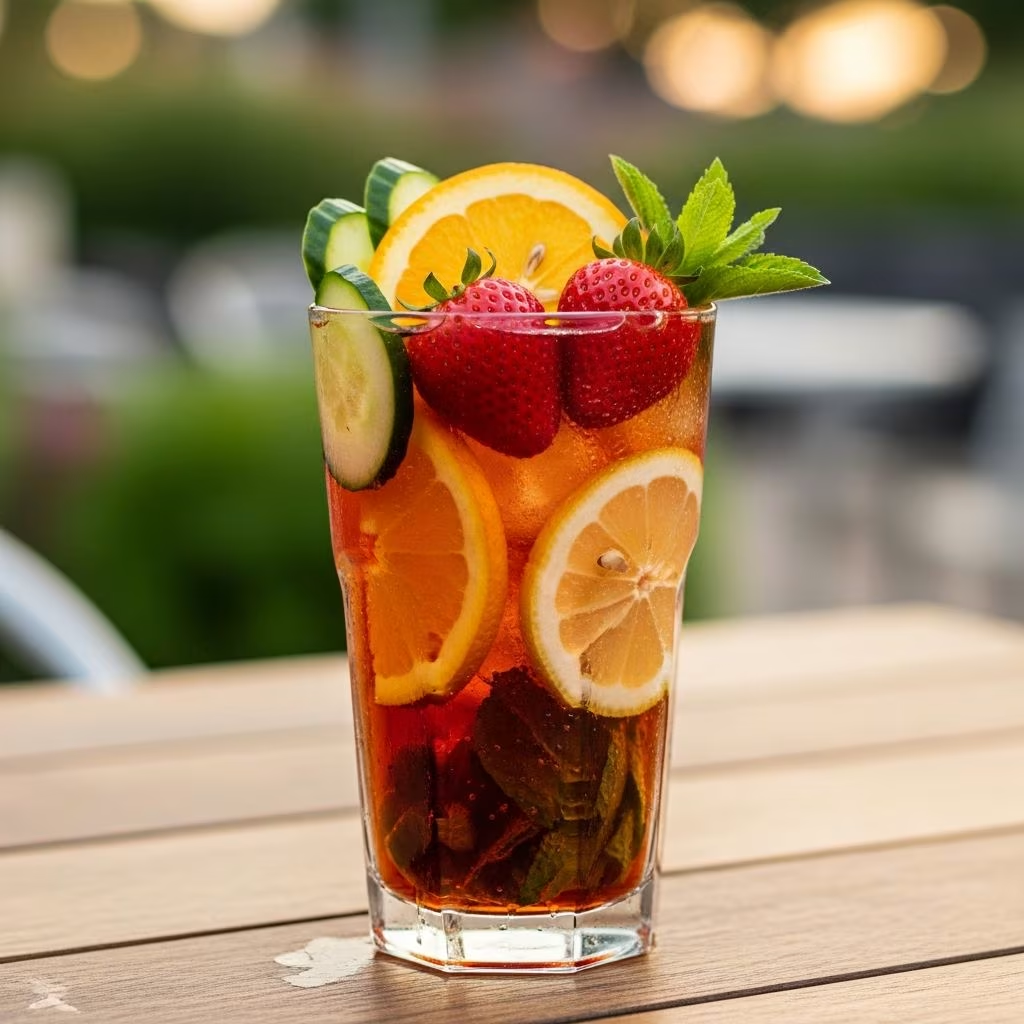
- Fresh fruits — Seasonal options including apples, oranges, lemons, limes, pineapple, and strawberries that infuse flavor and create an appealing presentation
- Ice — Essential for maintaining proper temperature and dilution as the drink sits
- Mint — Fresh herbs that add aromatic complexity and traditional summer aesthetic
Optional Enhancements
Beyond the traditional components, creative bartenders and home entertainers have developed variations that expand the drink’s appeal. Some preparations incorporate ginger beer for spice, elderflower cordial for floral notes, or sparkling water for added effervescence. The versatility of this base cocktail means it adapts readily to personal preferences and ingredient availability.
Preparation Techniques That Maximize Flavor
Building Your Drink
The order in which components are combined influences both the final flavor and the drink’s appearance. Begin by filling a large pitcher or serving vessel halfway with ice—this creates a proper dilution rate as ingredients are added and the ice gradually melts. The cold surface area also helps chill the entire mixture efficiently.
Pour the Pimm’s liqueur into the pitcher first, followed by the lemonade, stirring gently to combine these primary components before adding fresh ingredients. This approach ensures even distribution of flavors throughout the batch.
Next, introduce the fresh fruits and vegetables. Rather than adding everything at once, layer them gradually—starting with sturdy items like cucumber wedges and apple slices, which hold up well to extended steeping. Add more delicate fruits like strawberries later to prevent them from becoming overly soft or releasing excessive juice that might cloud the drink’s appearance.
The Importance of Fresh Ingredients
The quality of your source materials directly impacts the final result. When selecting fruits for inclusion, choose specimens that are ripe but still firm, ensuring they maintain their texture and visual appeal throughout the service period. Fresh cucumber provides the most crisp, clean flavor—pre-cut or aged vegetables lose their vitality and contribute less to the overall experience.
If preparing homemade lemonade, use freshly squeezed lemon juice rather than bottled versions, as the difference in brightness and complexity is substantial. The natural acidity in fresh lemon juice also provides better balance against the liqueur’s sweetness than commercial preparations, which often contain additional sugars and preservatives.
Serving Suggestions and Presentation
Glassware and Vessel Selection
While Pimm’s lemonade is traditionally served in large shared pitchers at gatherings, individual servings benefit from thoughtful glassware choices. Tall glass tumblers or vintage-style highball glasses allow for proper ice volume while showcasing the colorful fruits suspended in the liquid. The visual presentation becomes part of the experience, particularly at social events where aesthetics contribute to the overall atmosphere.
Garnishing for Impact
The finishing touches elevate your Pimm’s lemonade from a simple refreshment to an elegant beverage worthy of special occasions. Fresh mint sprigs positioned at the glass rim provide aromatic interest and signal the drink’s herbal character. A cucumber ribbon created with a vegetable peeler adds sophistication, while a thin slice of lemon or orange positioned on the rim provides both visual interest and flavor reinforcement.
Consider the temperature of your environment—warmer conditions may warrant additional ice in individual glasses, while cooler evenings might allow for slightly less dilution. The presentation should balance aesthetics with practical concerns about drinking temperature and refreshment quality.
Variations and Creative Interpretations
Seasonal Adaptations
| Season | Fruit Focus | Complementary Elements |
|---|---|---|
| Spring | Strawberries, lemon | Fresh mint, edible flowers |
| Summer | Mixed berries, stone fruits, citrus | Basil, thyme |
| Autumn | Apple, pear, pomegranate | Cinnamon stick, star anise |
| Winter | Citrus varieties, cranberry | Ginger, clove |
Each season offers unique opportunities to reimagine this classic drink using produce at peak ripeness and flavor. Spring preparations might emphasize delicate berry notes and fresh herbal elements, while autumn versions incorporate warming spices that complement the season’s mood and available ingredients.
Flavor Profile Experiments
Beyond fruit variations, the base recipe accommodates numerous flavor modifications. Introducing elderflower cordial creates a more floral interpretation, while a splash of sparkling water or champagne adds celebratory effervescence for special occasions. Some preparations incorporate fresh ginger juice for added spice and warmth, creating a more complex, layered drinking experience.
Hosting Considerations and Batch Preparation
Scaling for Gatherings
When preparing Pimm’s lemonade for entertaining, consider the number of guests and typical consumption patterns. A standard pitcher recipe provides approximately eight servings, though this varies based on individual pour sizes and whether the drink is being served alongside meals or as the primary beverage.
For larger gatherings, prepare base components separately and assemble the full drink just before guests arrive, preventing excessive dilution from extended ice contact. Store the Pimm’s and lemonade mixture refrigerated until serving time, adding ice and fresh fruits as guests begin to arrive.
Make-Ahead Strategies
Homemade lemonade can be prepared up to two days in advance, refrigerated in sealed containers. Prepare fruit components and store them separately in airtight containers, preventing browning or oxidation. Just before serving, combine all elements in your pitcher and stir gently. This approach allows you to focus on hosting rather than last-minute beverage preparation.
Frequently Asked Questions
Can Pimm’s lemonade be prepared without alcohol?
Yes, alcohol-free interpretations can be created by omitting the Pimm’s liqueur entirely and increasing the proportion of lemonade or adding herbal tea infusions and botanical flavoring agents. While the resulting drink loses the distinctive spirit character, the fresh fruit and herb components still create a refreshing beverage suitable for those avoiding alcohol.
How far in advance can this drink be prepared?
The base mixture of Pimm’s and lemonade can be prepared up to four hours before serving, though it’s best to add fresh fruits and ice no more than thirty minutes prior to serving to maintain optimal texture and appearance. The fruit components continue releasing juices over time, which may eventually make the drink cloudier or softer in texture.
What is the ideal serving temperature?
Pimm’s lemonade should be served very cold, typically between 35 and 40 degrees Fahrenheit. This temperature maintains the refreshing quality while allowing the complex flavors to remain distinct rather than becoming muddled or overly diluted from excessive melting.
Can this drink be stored for later consumption?
While the base mixture can be refrigerated for several days, the quality diminishes as fresh fruits release their juices and begin to deteriorate. For best results, prepare the complete drink within a few hours of serving. If storage is necessary, keep the Pimm’s and lemonade separate from fruits and ice, combining these elements shortly before serving.
The Cultural Significance of Pimm’s Lemonade
This beverage carries particular cultural weight in British and European entertaining traditions, where it represents a distinctive approach to warm-weather hospitality. The drink’s presence at garden parties and outdoor events signals an appreciation for quality ingredients, thoughtful presentation, and the communal aspects of social gathering. Understanding this cultural context enhances appreciation for the drink’s enduring appeal and the care taken in its preparation.
The emphasis on fresh, visible ingredients reflects contemporary food culture’s focus on natural, recognizable components rather than artificial flavorings or overcomplicated preparations. In this sense, Pimm’s lemonade embodies broader trends toward accessible elegance and ingredient-driven cocktail culture that continues to resonate with modern entertaining sensibilities.
Conclusion: Mastering Your Pimm’s Preparation
Creating exceptional Pimm’s lemonade requires attention to ingredient quality, proper proportioning, and thoughtful presentation rather than complex technique or specialized equipment. By understanding the foundational components, respecting the role of fresh ingredients, and allowing room for seasonal creativity, you can prepare a beverage that delights guests and enhances warm-weather entertaining occasions. Whether you’re hosting an intimate garden gathering or a larger celebration, this classic drink adapts beautifully to various contexts while maintaining its essential character and refreshing appeal.
References
- Pimm’s Official Brand History — Diageo. Accessed April 2026. https://www.pimms.com/en-gb
- The Oxford Companion to Spirits and Liqueurs — Oxford University Press. 2015. Reference work on distilled beverages and their historical development.
- Food Safety Guidelines for Home Food Preparation — U.S. Food and Drug Administration. 2024. https://www.fda.gov