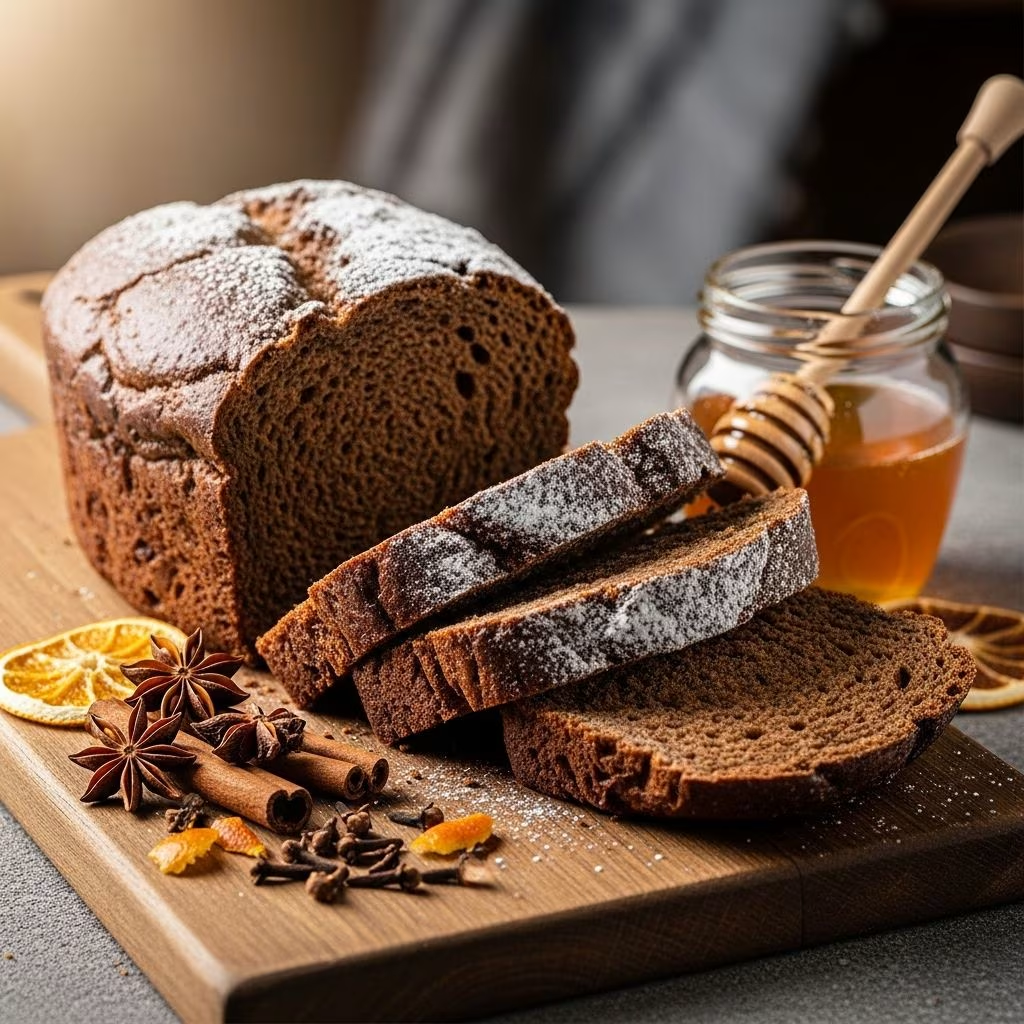
Bursting with the deep sweetness of honey and the warmth of aromatic spices, piernik stands as one of Poland’s most treasured baked goods. This dense yet tender bread, often likened to gingerbread, has graced tables for centuries, evoking memories of family gatherings and festive seasons. Unlike lighter breads, piernik’s unique texture comes from a slow melding of honey, spices, and fruits, creating a moist crumb that improves with age.
The Origins and Cultural Significance of Piernik
Piernik traces its roots to medieval Poland, where honey was a staple sweetener before refined sugar became widespread. Monks in monasteries perfected early versions, infusing the dough with spices traded along the Amber Road from the Middle East and Asia. By the 16th century, piernik had evolved into a symbol of hospitality and celebration, especially during Christmas and Easter. In Polish folklore, it was believed to bring good fortune, often shaped into hearts or animals for special occasions.
Today, piernik remains a staple in Polish households, particularly in regions like Toruń, famous for its UNESCO-recognized gingerbread tradition. Families pass down recipes, each with personal twists like added nuts or layered fillings. Its enduring appeal lies in its versatility: enjoyed plain, glazed, or as a layered cake, it embodies the comforting essence of Eastern European baking.
Essential Ingredients for Authentic Piernik
The magic of piernik begins with high-quality ingredients. Honey provides not just sweetness but moisture and a distinctive floral note—opt for wildflower or buckwheat varieties for bolder flavor. Spices are crucial: a blend of cinnamon, cloves, nutmeg, cardamom, and allspice creates the signature warmth. Common additions include dried fruits like prunes, raisins, and candied peel, plus nuts for texture.
| Ingredient | Role | Typical Amount (for 1 loaf) |
|---|---|---|
| Honey | Sweetener & moistener | 1 cup (250ml) |
| Flour | Structure | 2-3 cups (250-400g) |
| Spices (cinnamon, cloves, etc.) | Flavor | 1-2 tsp total |
| Eggs | Binding & richness | 2-4 |
| Dried fruits/nuts | Texture & chew | 1 cup mixed |
Variations might incorporate beer for tenderness, molasses for depth, or cocoa for a chocolatey twist. Always use room-temperature ingredients to ensure even mixing.
Step-by-Step Guide to Baking Classic Piernik
Baking piernik requires patience, as the dough benefits from resting. Start by gently heating honey with sugar and fat (butter or oil) until dissolved—avoid boiling to preserve honey’s enzymes. In a separate bowl, whisk dry ingredients: flour, baking soda or powder, salt, and spices.
- Prepare the honey base: Combine 1 cup honey, 2/3 cup sugar, and 1/2 cup butter in a saucepan. Heat on low until melted, then cool slightly.
- Mix dry ingredients: Sift 2.5 cups flour, 2 tsp baking powder, 1 tsp each cinnamon and cloves, 1/2 tsp nutmeg, and a pinch of salt.
- Combine wet and dry: Beat 3 eggs lightly. Stir honey mixture into dry ingredients, then add eggs and 1/2 cup warm milk or beer. Mix to a thick batter.
- Add mix-ins: Fold in 1 cup chopped prunes, raisins, and almonds coated in flour to prevent sinking.
- Rest and bake: Cover batter and refrigerate 1-24 hours. Preheat oven to 325°F (160°C). Grease a loaf pan, bake 45-60 minutes until a toothpick comes out clean. Cool completely.
This method yields a single 9×5-inch loaf serving 8-10. For larger batches, double ingredients and use multiple pans.
Variations to Elevate Your Piernik
- Layered Piernik: Bake two thin layers, slice horizontally, and fill with prune puree or jam. Top with chocolate glaze for a festive torcik (small cake).
- Chocolate Piernik: Add 2 tbsp cocoa powder to the dry mix and glaze with melted chocolate mixed with cream and corn syrup.
- Fruit-Heavy Version: Increase dried fruits to 2 cups, including figs and dates, for a fruitcake-like density.
- Vegan Adaptation: Swap eggs for flaxseed gel (1 tbsp flax + 3 tbsp water per egg) and use plant-based butter.
- Mini Loaves: Divide batter into muffin tins for giftable portions, baking 25-30 minutes.
Experiment with local twists, like adding orange zest or pumpkin spice blend, to personalize the recipe.
Tips for Perfect Texture and Flavor
Piernik’s charm is its evolution: flavors deepen after 2-3 days wrapped in parchment. If the top browns too quickly, tent with foil. For extra moisture, brush with honey syrup post-baking. Knead gently if making a dough-like version to develop gluten without toughness. Store in an airtight tin up to two weeks, or freeze slices for months.
Common pitfalls include overmixing (leads to toughness) or insufficient cooling of the honey mixture (cooks the eggs). Test doneness by pressing the center—it should spring back.
Pairing Piernik with Beverages and Dishes
This bread shines solo but pairs beautifully with strong black coffee or mulled wine during holidays. Serve thin slices with butter and cheese for breakfast, or crumble into trifles. In Polish tradition, it’s enjoyed with kompot (fruit compote) or alongside pierogi for a sweet-savory contrast.
Nutritional Profile and Health Benefits
A modest slice (1/12 loaf) offers about 250 calories, with honey providing antioxidants and spices aiding digestion. Whole wheat flour swaps boost fiber, while nuts add healthy fats. Moderation is key due to sugar content.
FAQ
Can piernik be made without alcohol like beer?
Yes, substitute warm milk or buttermilk for equal tenderness.
How long does piernik last?
Up to 2 weeks at room temperature, longer refrigerated; flavors peak after 48 hours.
Is piernik gluten-free possible?
Use a 1:1 gluten-free flour blend, adding xanthan gum for structure.
Why is my piernik dense?
Underbaking or too much fruit; ensure full bake time and coat fruits in flour.
What’s the best honey for piernik?
Dark varieties like buckwheat for robust flavor matching the spices.
Seasonal Twists for Holidays and Beyond
For Christmas, embed whole almonds or shape into stars. Easter versions might include poppy seeds. Year-round, it’s ideal for tea time or as a base for French toast. Piernik’s adaptability ensures it’s never out of season.
References
- Piernik – Honey Spice Cake — Journey From A Polish Kitchen. 2019-10-25. https://journeyfromapolishkitchen.com/2019/10/25/piernik-honey-spice-cake-2/
- Polish Christmas Honey Gingerbread (Piernik) — Holly Trail. 2017-12-26. https://hollytrail.com/2017/12/26/polish-christmas-gingerbread-layered-honey-gingerbread-with-dark-chocolate-glaze/
- Piernik – Polish gingerbread cake — Caroline’s Cooking. N/A. https://www.carolinescooking.com/piernik-polish-gingerbread-cake/
- Polish spiced honey bread (piernik) recipe — SBS Food. N/A. https://www.sbs.com.au/food/recipe/polish-spiced-honey-bread-piernik/vvgpcfvvr
- Piernik – Polish Honey Cakes — The Fresh Loaf. N/A. https://www.thefreshloaf.com/node/36378/piernik-polish-honey-cakes