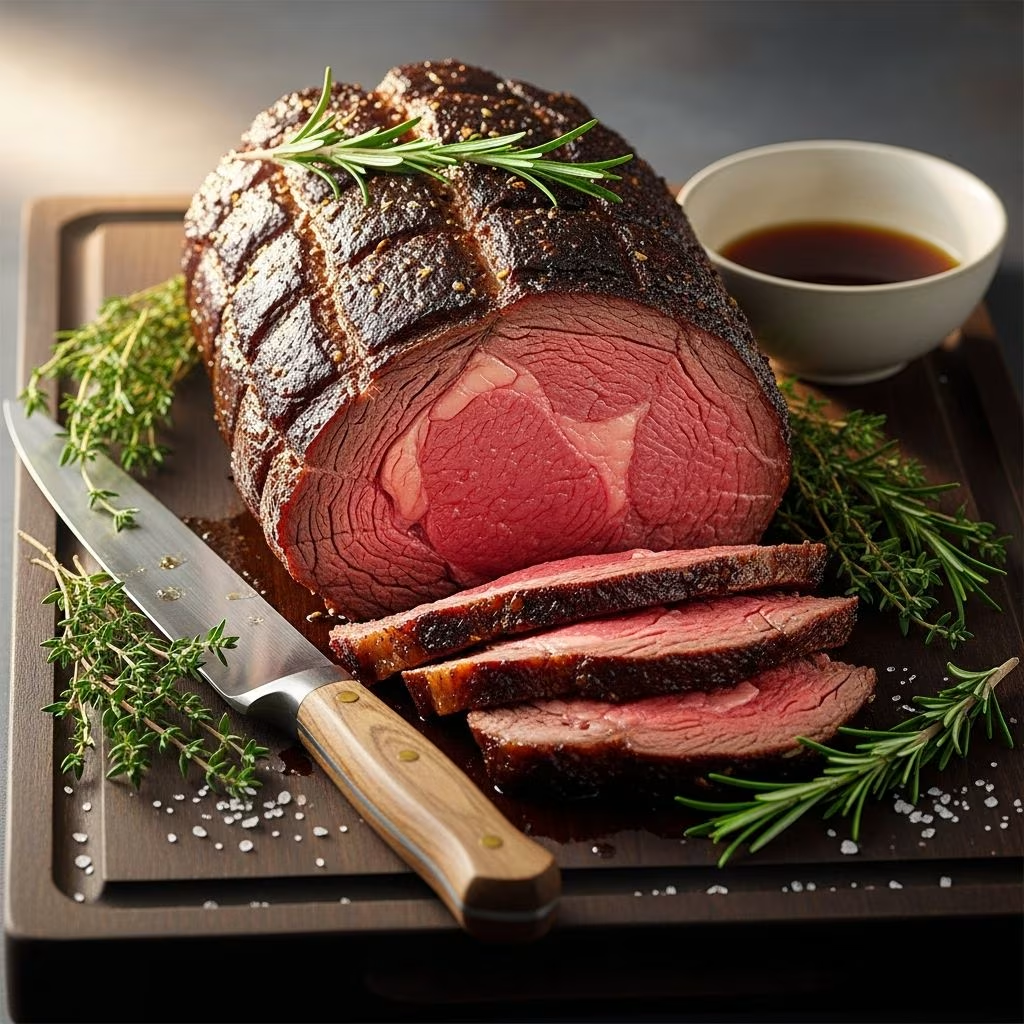
Prime rib stands as one of the most luxurious cuts of beef, prized for its rich marbling and bold flavor. This guide delivers a comprehensive approach to preparing a tender, perfectly cooked prime rib roast suitable for any celebration. By focusing on quality ingredients, precise temperatures, and resting techniques, home cooks can replicate professional results without complexity.
Why Choose Prime Rib for Your Next Meal
The appeal of prime rib lies in its inherent tenderness and succulence. Sourced from the rib primal of the cow, this cut features excellent marbling that melts during cooking, ensuring moist meat. Bone-in versions offer added flavor from the bones, while boneless options simplify carving. Ideal for holidays like Christmas or Thanksgiving, it serves 2-3 people per rib bone, making it scalable for gatherings.
Selecting the right roast is crucial. Look for USDA Prime or Choice grades for optimal fat content. A 5-10 pound roast typically feeds 10-20 guests. Allow the meat to come to room temperature before seasoning to promote even cooking.
Essential Ingredients for Flavorful Prime Rib
A simple yet potent seasoning blend elevates the natural taste of beef. Core elements include kosher salt for drawing out moisture and forming a crust, freshly ground black pepper for sharpness, minced garlic for pungency, and fresh herbs like rosemary and thyme for aromatic depth. Olive oil binds the rub, ensuring adhesion.
- 5-7 lb bone-in prime rib roast
- 2-3 tbsp kosher salt (1 tsp per lb)
- 2 tsp freshly ground black pepper
- 8 cloves garlic, minced or mashed
- 2 tbsp fresh rosemary, finely chopped
- 1 tbsp fresh thyme, finely chopped
- ¼ cup olive oil
- Optional: onion powder (1 tsp) for subtle sweetness
These ingredients create a marinade that penetrates the surface, forming a savory crust while keeping the interior juicy.
Step-by-Step Preparation Guide
Preparation begins hours in advance for best results. Pat the roast dry with paper towels to remove excess moisture, which aids seasoning adhesion.
- Season generously: Combine salt, pepper, garlic, herbs, and oil in a bowl. Rub evenly over all surfaces, including ends and bones. For bone-in, loosen membrane slightly for better flavor infusion. Cover loosely and refrigerate 4-24 hours (or at minimum, 1 hour at room temp).
- Preheat oven: Position rack in lower third. Start at high heat (450-500°F) for searing effect without a skillet.
- Initial roast: Place roast bone-side down in a heavy roasting pan or cast iron skillet (no rack needed for bone-in). Roast at 450-500°F for 15-25 minutes to brown exterior.
- Reduce temperature: Drop to 325-350°F. Continue cooking based on weight: 10-12 min/lb for rare, 12-15 min/lb for medium-rare.
- Monitor internal temp: Insert thermometer into thickest part, avoiding bone. Remove at target temps below.
- Rest the roast: Tent with foil for 20-30 minutes. Temperature rises 5-10°F during rest, perfecting doneness.
Prime Rib Doneness Temperature Chart
Use this table for precise cooking. Always rely on a digital meat thermometer for accuracy.
| Doneness | Remove from Oven | After Resting | Appearance |
|---|---|---|---|
| Rare | 115-120°F | 120-125°F | Cool red center |
| Medium-Rare | 125-130°F | 130-135°F | Warm red center |
| Medium | 135-140°F | 140-145°F | Pink center |
| Medium-Well | 145-150°F | 150-155°F | Slight pink |
For a 5 lb roast, expect 1.5-2.5 hours total at reduced temp.
Cooking Variations for Different Roasts
Bone-in vs. Boneless: Bone-in imparts deeper flavor; cook bones down. Boneless requires a rack to elevate for air circulation.
Large Roasts (10+ lbs): Divide into halves for even cooking. Sear separately if needed.
Reverse Sear Method: Low-and-slow at 225°F to 120°F internal, then sear at 500°F for 10 minutes. Ideal for precision.
Vegetable Bed: Layer thick onion slices under roast for flavor and natural rack.
Common Mistakes and How to Avoid Them
- Skipping the thermometer: Guessing doneness leads to overcooking. Invest in an instant-read probe.
- Not resting: Cutting immediately releases juices. Always wait 20+ minutes.
- Over-seasoning: Stick to 1 tsp salt per lb; excess draws out moisture.
- Cold start: Room temp ensures even cooking; cold meat cooks unevenly.
- Forgetting to baste: Add pan juices midway for extra moisture if pan dries.
Pairing Sides and Sauces
Complement prime rib with simple sides that highlight its richness.
- Au Jus: Strain pan drippings, skim fat, simmer with beef stock. Add wine for depth.
- Horseradish Cream: Mix sour cream, prepared horseradish, salt. Refreshing contrast.
- Yukon Gold Mashed Potatoes: Creamy texture balances beef.
- Roasted Asparagus or Brussels Sprouts: Charred greens cut richness.
- Yorkshire Pudding: Popovers soaked in juices.
Storing and Reheating Leftovers
Refrigerate sliced leftovers up to 4 days in airtight container. Reheat gently in 250°F oven to 110°F internal, tented with foil. Avoid microwave to prevent drying. Freezes well up to 3 months; thaw overnight before reheating.
Nutrition and Serving Facts
A 3-oz serving offers ~25g protein, 20g fat (mostly from marbling), 250 calories. High in B12, zinc, iron. Adjust portions for dietary needs; trim visible fat pre-cooking for leaner option.
Frequently Asked Questions
Can I cook prime rib from frozen?
No. Thaw fully in fridge for safety and even cooking.
What’s the best pan for roasting?
Heavy roasting pan or cast iron skillet; no preheat needed.
How do I know if my oven runs hot?
Use thermometer; adjust time accordingly.
Is dry brining necessary?
Highly recommended for crisp crust and juicier meat.
Can I use dried herbs?
Yes, but halve amounts; fresh preferred for potency.
Pro Tips from Seasoned Cooks
For picture-perfect slices, use a sharp carving knife and cut against the grain. Serve at room temp for optimal flavor. Experiment with compound butters (garlic-herb) post-rest for luxury touch. Plan ahead: order from butcher 2-3 days early during holidays.
Mastering prime rib transforms ordinary dinners into memorable feasts. With practice, this roast becomes a reliable staple.
References
- The Ultimate Easy Prime Rib Recipe — Kalejunkie. 2023. https://kalejunkie.com/the-ultimate-easy-prime-rib/
- Perfect Prime Rib Roast — The Woks of Life. 2022-10-25. https://thewoksoflife.com/perfect-prime-rib-roast/
- Best Prime Rib Recipe — The Pioneer Woman. 2023. https://www.thepioneerwoman.com/food-cooking/recipes/a10448/prime-rib/
- Perfect Prime Rib Recipe — Tastes Better from Scratch. 2024-01-15. https://tastesbetterfromscratch.com/prime-rib/