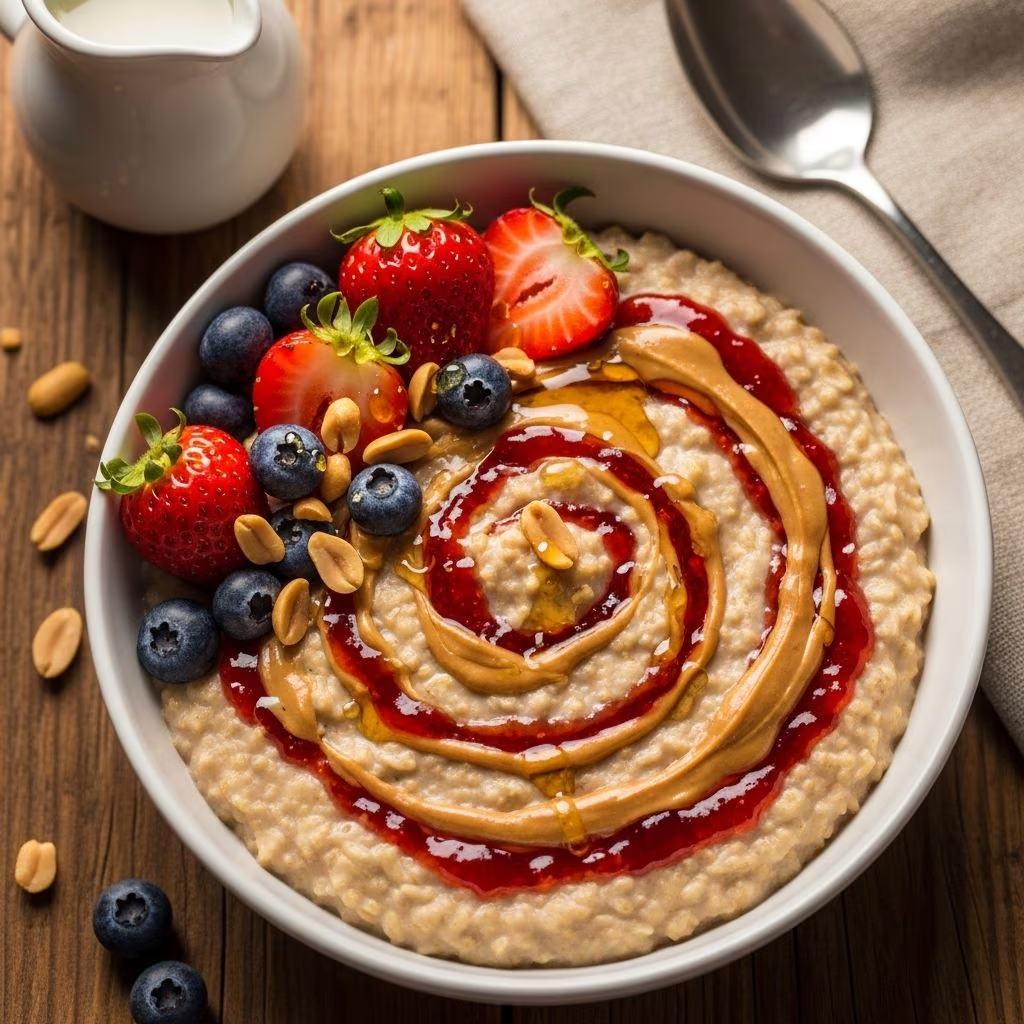
The nostalgic combination of peanut butter and jelly has been a beloved pairing for generations, traditionally enjoyed between slices of bread. However, this timeless flavor duo translates beautifully into a warm, comforting oatmeal bowl that transforms breakfast into something truly special. This versatile dish brings together wholesome grains, protein-rich legumes, and fruity sweetness in a single satisfying meal that works equally well for busy weekday mornings or leisurely weekend brunches.
Understanding the Appeal of This Breakfast Combination
The magic of peanut butter and jelly oatmeal lies in its perfect balance of flavors and textures. The creamy, nutty richness of peanut butter creates a luxurious base when stirred into warm oats, while the bright, tangy notes of jam add contrast and visual appeal. This combination isn’t merely about nostalgia—it represents a thoughtfully designed breakfast that satisfies both taste preferences and nutritional requirements. The appeal extends across all age groups, making it an excellent option for family meals and individual preferences alike.
Nutritional Foundations of Oatmeal as a Breakfast Base
Oatmeal serves as an exceptional foundation for any breakfast meal due to its impressive nutritional profile. Oats contain beta-glucan, a soluble fiber that supports digestive health and helps maintain steady energy levels throughout the morning. When combined with peanut butter, which provides healthy monounsaturated and polyunsaturated fats, the meal becomes significantly more sustaining. The protein content from both oats and peanut butter helps prevent mid-morning hunger pangs and supports muscle maintenance. Adding an egg or additional protein sources can push the protein content beyond 8 grams per serving, creating a truly nourishing breakfast that fuels both body and mind.
Two Primary Methods for Preparation
The Stovetop Approach for Quick Preparation
The stovetop method represents the fastest pathway to a satisfying breakfast bowl, typically requiring less than 10 minutes from start to finish. This approach involves combining rolled oats with liquid—typically almond milk or dairy alternatives—along with mashed banana for natural sweetness and cinnamon for warmth. The mixture cooks over medium-low heat for approximately 3 to 5 minutes, with constant stirring to prevent sticking and ensure even cooking. Once the oats reach a creamy consistency and the liquid absorbs, the cooked oatmeal transfers to a serving bowl where peanut butter and jam are added as toppings. This method allows the peanut butter to slightly melt into the warm oatmeal, creating a seamless flavor integration.
The Baked Variation for Advance Preparation
Baked oatmeal offers a different approach, particularly appealing for those who prefer to prepare breakfast in advance or cook for multiple people simultaneously. This method involves combining wet ingredients—including melted coconut oil, natural peanut butter, maple syrup, eggs, and plant-based milk—with dry components like rolled oats, baking powder, cinnamon, and salt. The mixture pours into a prepared skillet or baking pan, where dollops of jam get swirled throughout before the entire creation bakes at 350 degrees Fahrenheit for 30 to 35 minutes. The result yields individual portions that can be cut and stored for several days, making this approach ideal for meal preparation enthusiasts.
Essential Ingredient Guide and Selection Tips
Choosing the Right Peanut Butter
The quality of peanut butter significantly impacts the final dish’s flavor profile and texture. Natural peanut butter with minimal additives provides superior taste compared to highly processed varieties. The choice between creamy and chunky versions depends on personal preference, though both perform equally well in oatmeal applications. Drippy, natural varieties that separate slightly offer the most authentic flavor, though stirring before use ensures consistent results. For those with peanut allergies or preferences, almond butter and cashew butter serve as excellent alternatives while maintaining the dish’s character.
Liquid Selection and Consistency Control
The liquid component directly determines the oatmeal’s final consistency. Unsweetened almond milk represents a popular choice that doesn’t add unnecessary sugar while providing a mild, neutral flavor. Dairy milk, oat milk, and coconut milk each bring distinct characteristics to the dish. The ratio of liquid to oats requires adjustment based on desired thickness—more liquid creates a porridge-like consistency, while less produces a thicker, more cake-like result. Some recipes incorporate ground flaxseed, which absorbs additional liquid and contributes nutritional density.
Jam Varieties and Natural Sweetening Options
Low-sugar or fruit-forward jams work best, allowing the natural fruit flavors to shine without overwhelming sweetness. Raspberry and strawberry varieties align particularly well with peanut butter’s richness, though experimenting with other berry preserves opens creative possibilities. For those preferring reduced sugar intake, homemade chia seed jam offers a texture-rich alternative that combines chia seeds with mashed berries and minimal sweetener. Some preparations use maple syrup or honey as liquid sweeteners, reducing reliance on jam while maintaining the dish’s essential character.
Customization Strategies for Personal Preferences
Textural Enhancements Through Nuts and Seeds
Adding chopped nuts introduces satisfying crunch and additional nutritional benefits. Pecans, walnuts, and peanuts work particularly well, either stirred into the batter or sprinkled on top for textural contrast. Seeds like chia, hemp, and sunflower seeds add nutritional density while contributing subtle flavor notes. These additions can be toasted before incorporation to intensify their flavors or used raw for convenience.
Fruit Incorporation Beyond Jam
Fresh and frozen fruits expand the flavor possibilities significantly. Diced strawberries bring brightness and tartness that complements the peanut butter base. Sliced or mashed bananas contribute creaminess and natural sweetness, working both stirred into the batter and as toppings. Blueberries, raspberries, and blackberries introduce their own distinct flavor profiles. Cooking some fruits directly into the oatmeal while using others as fresh toppings creates dynamic texture and flavor variation.
Spice and Extract Layering
Beyond traditional cinnamon, exploring additional warming spices expands the flavor dimension. Nutmeg, ginger, cardamom, and even a small pinch of cayenne pepper create interesting depth. Vanilla extract or powder contributes subtle sweetness and aromatic complexity. Cocoa powder can transform the dish into a chocolate-peanut-butter variation, while maple extract intensifies its natural warmth.
Nutritional Profile and Health Considerations
| Component | Nutritional Benefit | Typical Source |
|---|---|---|
| Protein | 8+ grams per serving supports muscle health and satiety | Peanut butter, oats, optional egg |
| Fiber | Supports digestive health and blood sugar regulation | Rolled oats, ground flaxseed |
| Healthy Fats | Promotes heart health and nutrient absorption | Peanut butter, nuts, seeds |
| Complex Carbohydrates | Provides sustained energy release | Oats |
| Micronutrients | Vitamins and minerals support overall wellness | Fruits, nuts, seeds |
This breakfast composition creates a well-rounded meal that stabilizes blood sugar levels, preventing the energy crashes associated with high-sugar breakfast options. The combination of protein, healthy fats, and complex carbohydrates works synergistically to promote sustained satiety and mental clarity throughout the morning hours.
Step-by-Step Preparation Guide
Preparing Your Stovetop Oatmeal
Step One: Gather all ingredients and prepare your cooking station to ensure smooth workflow. Mash your banana in a separate small bowl, breaking it into fine pieces to distribute evenly throughout the oatmeal.
Step Two: Spray a small saucepan with non-stick cooking spray to prevent sticking. Combine your liquid, oats, and mashed banana in the saucepan, stirring to blend the banana throughout.
Step Three: Set your burner to medium-low heat, which prevents scorching while allowing the oats to cook evenly. Stir constantly for three to five minutes, watching as the liquid gradually absorbs and the mixture thickens.
Step Four: Add optional protein boosters—ground flaxseed, chia seeds, or even an egg white—stirring constantly to incorporate. Add additional liquid one tablespoon at a time if the mixture becomes too thick before reaching your desired consistency.
Step Five: Transfer the cooked oatmeal to your serving bowl while still warm. Top generously with peanut butter, allowing it to slightly melt into the oatmeal. Finish with jam, additional nuts, or fresh fruit.
Preparing Your Baked Oatmeal
Step One: Preheat your oven to 350 degrees Fahrenheit. Grease a 9-inch skillet or 8×8-inch baking pan with coconut oil or cooking spray, ensuring all surfaces are well-coated.
Step Two: In a large mixing bowl, combine your wet ingredients—melted coconut oil, natural peanut butter, maple syrup or honey, beaten egg, and plant-based milk. Whisk thoroughly until no large lumps of peanut butter remain, creating a uniform mixture.
Step Three: Gently fold in your dry ingredients—rolled oats, baking powder, cinnamon, and salt—stirring until everything is evenly distributed throughout the wet mixture.
Step Four: Pour the combined mixture into your prepared pan, spreading it evenly across the entire surface. Drop teaspoonfuls of jam across the top, then use a knife to gently swirl the jam throughout, creating a marbled appearance.
Step Five: Bake for 30 to 35 minutes until the top appears barely golden brown. The center should be set but still moist—avoid overbaking, which results in a dry texture.
Step Six: Allow the baked oatmeal to cool slightly before cutting into six equal portions. Store leftovers in an airtight container for up to four days.
Storage and Make-Ahead Strategies
The baked oatmeal variation excels in meal preparation scenarios, maintaining its quality for several days when properly stored. Portion the cooled oatmeal and place individual pieces in airtight containers, where they remain fresh for up to four days in the refrigerator. Reheat individual portions in the microwave for 60 to 90 seconds, adding a splash of milk if the texture has become too dense. The stovetop version doesn’t reheat quite as gracefully but can be prepared fresh each morning in under ten minutes, making it ideal for daily preparation. Preparing individual ingredient components—mashing bananas, measuring oats, and portioning jam—allows for quick assembly on busy mornings.
Frequently Asked Questions
Can I make this recipe without eggs?
Absolutely. Eggs provide binding in the baked version but aren’t essential. Substitute with applesauce, mashed banana, or a commercial egg replacer. The texture may be slightly different but equally delicious.
Is this recipe naturally gluten-free?
Yes, when using certified gluten-free oats. All other basic ingredients are naturally gluten-free, though always verify that your specific products carry gluten-free certification if this is a dietary requirement.
How can I reduce the sugar content?
Use low-sugar or sugar-free jam varieties, reduce the amount of jam added, or omit maple syrup entirely in favor of the natural sweetness from fruit. The peanut butter and fruit provide sufficient sweetness for most preferences.
What milk alternatives work best?
Any plant-based milk functions well—almond, oat, coconut, soy, or cashew milk all produce excellent results. Avoid flavored varieties that might clash with the peanut butter and jelly profile.
Can I freeze this recipe?
Yes, baked oatmeal freezes exceptionally well. Wrap individual portions in plastic wrap and aluminum foil before freezing for up to three months. Thaw overnight in the refrigerator or reheat from frozen in the microwave.
Conclusion: A Breakfast That Transcends Simple Convenience
Peanut butter and jelly oatmeal represents far more than a quick breakfast solution—it embodies the intersection of nostalgic comfort and nutritional wisdom. Whether you choose the five-minute stovetop approach or the make-ahead baked method, this dish delivers consistent satisfaction while providing sustained energy and genuine nourishment. The endless customization possibilities ensure that this breakfast remains exciting across repeated preparations, adapting to seasonal fruit availability and evolving taste preferences. By mastering this versatile recipe, you equip yourself with a breakfast strategy that nourishes your body while genuinely delighting your palate.
References
- Peanut Butter and Jelly Oatmeal Bake — Ambitious Kitchen. Accessed April 2026. https://www.ambitiouskitchen.com/peanut-butter-and-jelly-oatmeal-bake/
- Healthy Peanut Butter & Jelly Oatmeal Recipe — Joyful Healthy Eats. Accessed April 2026. https://www.joyfulhealthyeats.com/healthy-peanut-butter-jelly-oatmeal-recipe/
- Peanut Butter & Jelly Oatmeal — Eat Well With Sari. Accessed April 2026. https://eatwellwithsari.com/recipes/peanut-butter-jelly-oatmeal/
- Peanut Butter and Jelly Oatmeal Breakfast Bowls — Simply Quinoa. Accessed April 2026. https://www.simplyquinoa.com/peanut-butter-and-jelly-oatmeal/