Understanding the Evolution of Pastalaya
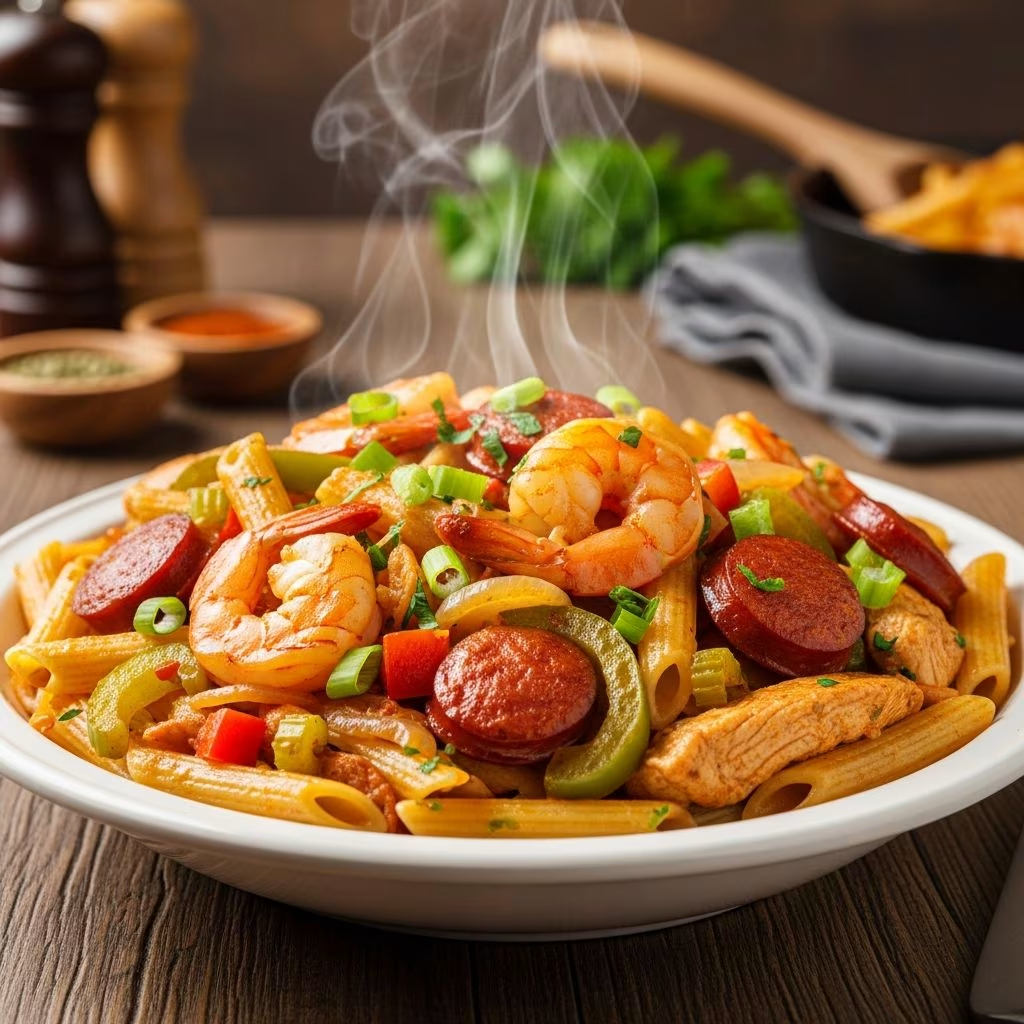
Pastalaya represents an innovative adaptation of traditional Louisiana cooking, reimagining the beloved jambalaya by substituting pasta in place of the customary rice foundation. This modern interpretation maintains the authentic Cajun flavor profile while offering a contemporary twist that appeals to diverse palates and cooking preferences. The dish emerged as a creative solution for those seeking the complex, bold tastes of Louisiana cuisine with the familiar comfort of pasta-based meals.
The transformation from rice to pasta creates a distinct textural experience while preserving the essence of what makes jambalaya such a celebrated regional dish. Pastalaya has gained considerable popularity throughout the American South and beyond, becoming a staple for casual gatherings, game day celebrations, and everyday family dinners.
The Core Components of This Louisiana Specialty
The foundation of any exceptional pastalaya begins with understanding its essential building blocks. Unlike many complex recipes, this dish relies on straightforward ingredients combined strategically to create maximum flavor impact.
The Protein Foundation
The protein composition typically includes three distinct elements working in concert to build depth and richness. Andouille sausage provides the smoky, spiced backbone that defines authentic Cajun cooking. This smoked pork sausage, sliced diagonally or into thin rounds, infuses the entire dish with its distinctive character. Chicken, cut into bite-sized pieces or diced into uniform portions, adds tender texture and absorbs the surrounding flavors beautifully. Some variations incorporate shrimp for additional protein variety and coastal flair, creating a more seafood-forward interpretation.
The Vegetable Foundation: The Holy Trinity
Cajun and Creole cooking traditions rely heavily on what’s known as the “holy trinity” of vegetables. This combination includes yellow or white onions, which provide sweetness and aromatic depth; bell peppers, typically green varieties, contributing mild pepper notes and color; and celery, adding subtle earthiness and tender texture. These three vegetables form the aromatic base that’s sautéed together to create the flavor foundation for the entire dish.
The Pasta Selection
While fettuccine and linguine are popular choices, pastalaya accommodates various pasta shapes beautifully. Penne, rotini, mini bow ties, and shells all work exceptionally well, each offering slightly different textural experiences. The key consideration involves selecting a pasta shape with adequate surface area to capture and hold the creamy, flavorful sauce throughout the cooking process.
Building Layers of Authentic Cajun Flavor
The seasoning profile represents what elevates pastalaya from simple pasta to a distinguished Cajun specialty. Multiple spice components work together to create the characteristic bold, slightly smoky, and subtly spiced character.
Creole seasoning blends form the backbone of this flavor development, typically combining paprika, garlic powder, onion powder, cayenne pepper, dried oregano, and thyme. These pre-mixed blends offer convenience while ensuring balanced flavor distribution. Fresh garlic, minced finely, adds pungent aromatic qualities that permeate the entire dish. Additional seasonings may include dried basil for herbaceous notes, Worcestershire sauce for umami depth, and fresh cracked black pepper for gentle heat.
The combination of these elements creates complexity that cannot be achieved through single spices alone, demonstrating why Cajun cuisine develops such devoted followings among food enthusiasts.
The Step-by-Step Preparation Process
Initial Protein Preparation
The cooking process begins by browning the smoked sausage in a large pot or Dutch oven over medium-high heat. This initial browning develops fond—the flavorful browned bits—on the pot bottom, which later enriches the overall sauce. After the sausage achieves golden-brown coloring and releases its flavorful oils, it’s temporarily removed and set aside.
The chicken pieces follow, being browned in the rendered sausage fat for approximately eight to ten minutes with periodic stirring to ensure even coloring on all sides. This browning step develops flavor through the Maillard reaction, creating deeper, more complex tastes than simply simmering the proteins.
Aromatic Vegetable Development
Once proteins achieve proper browning, the holy trinity vegetables enter the pot, being sautéed together for three to five minutes until they soften slightly and become fragrant. This crucial step allows the vegetables to release their natural sugars and develop deeper flavors while creating the aromatic base for the sauce.
Sauce Construction
Garlic is added briefly and cooked for approximately thirty seconds, releasing its aromatic compounds without browning excessively. The seasoning blend follows, coating the vegetables and proteins uniformly. Canned diced tomatoes or tomato paste contribute acidity and fruity undertones, while chicken broth provides the liquid foundation. Worcestershire sauce adds umami depth and complexity that rounds out the overall flavor profile.
At this stage, the mixture simmers briefly to allow flavors to meld and develop, typically for three to five minutes before pasta introduction.
Pasta Integration and Final Cooking
Dry pasta is added directly to the simmering liquid, distributing evenly to ensure uniform cooking. The mixture returns to a gentle boil, then reduces to a simmer and remains uncovered, with occasional stirring to prevent sticking, for approximately eleven to fifteen minutes depending on pasta thickness. The cooking liquid gradually reduces as the pasta absorbs moisture and becomes tender.
Heavy cream is stirred in during the final minutes of cooking, creating a rich, cohesive sauce that binds all components together. This cream addition requires careful attention to prevent the bottom from sticking or burning during these crucial final moments.
Essential Cooking Techniques for Success
Temperature Management
Maintaining appropriate heat levels throughout cooking ensures even flavor development without burning or overcooking. Starting with medium-high heat for protein browning transitions to medium heat during vegetable sautéing, then returns to slightly elevated temperatures during liquid reduction phases.
Timing Coordination
Successful pastalaya depends on coordinating multiple cooking phases so components finish simultaneously. The total cooking time typically ranges from twenty-five to thirty-five minutes from start to finish, making this an efficient option for weeknight dinners.
Liquid Management
Balancing liquid throughout cooking prevents either a dry, pasty dish or an overly soupy result. Dry pasta absorbs liquid during cooking, so calculations must account for this absorption. Stirring occasionally helps release starch from the pasta, which further thickens the sauce naturally.
Personalization and Variation Strategies
One major strength of pastalaya lies in its adaptability to personal preferences and available ingredients. Those following vegetarian diets might substitute smoked tempeh or plant-based sausage alternatives for traditional pork products. Seafood enthusiasts can incorporate shrimp, crawfish, or crabmeat in place of or alongside chicken. Different pasta shapes offer subtle textural variations, from delicate angel hair to hearty rigatoni.
Vegetable preferences can be accommodated without sacrificing the essential character of the dish. Adding diced carrots increases sweetness, while mushrooms contribute umami complexity. Fresh herbs like parsley or green onions provide bright finishing notes that contrast beautifully with the rich, spiced sauce.
Presentation and Serving Suggestions
Pastalaya serves beautifully as a standalone main course but pairs excellently with complementary sides. Crusty bread or baguette slices provide vehicles for soaking up excess sauce. Simple green salads offer refreshing contrast to the rich, heavily spiced main dish. Garlic bread serves as an indulgent accompaniment that appeals to most dinner guests.
Garnishing with fresh chopped green onions and parsley immediately before serving introduces bright, herbaceous elements that elevate the visual presentation and add subtle flavor complexity. These fresh garnishes also provide textural contrast against the soft, creamy pasta.
Storage and Make-Ahead Considerations
Pastalaya stores well in refrigerated containers for three to four days, making it excellent for meal preparation or having leftovers for quick lunches. The flavors actually intensify after a day, as spices continue infusing throughout the mixture. Reheating can occur gently on stovetop with minimal additional liquid added, or in the microwave in individual portions. Freezing pastalaya in airtight containers preserves quality for up to three months, though the pasta texture may soften slightly upon thawing.
Nutritional Considerations and Serving Portions
A standard recipe typically yields six servings, though this can be doubled or tripled for larger gatherings. Each serving combines proteins, vegetables, and carbohydrates into a complete meal requiring minimal additional components. The heavy cream and sausage render this a moderately rich dish, so portion sizes might be considered relative to accompanying sides and individual dietary preferences.
Frequently Asked Questions
Can Pastalaya Be Prepared in Advance?
Yes, pastalaya can be partially prepared ahead by browning proteins and sautéing vegetables the day before. Final assembly and pasta cooking should occur shortly before serving for optimal texture, though the complete dish reheats well for up to four days post-cooking.
What Differentiates Pastalaya from Traditional Jambalaya?
The primary distinction involves pasta substitution for rice as the starch component. Both dishes share similar protein combinations and Cajun seasoning profiles, but pastalaya offers different textural experiences and cooking approaches adapted to pasta’s absorption characteristics.
How Can Heat Levels Be Adjusted?
Those preferring milder versions can reduce creole seasoning quantities and omit cayenne pepper entirely. Conversely, heat enthusiasts might add diced jalapeños, increase paprika levels, or incorporate additional cayenne for greater spiciness.
Are Specific Pasta Types Essential?
While certain shapes hold sauce better than others, any pasta works acceptably in pastalaya. Shape selection primarily affects mouthfeel and sauce distribution rather than overall dish success.
References
- Cajun Pastalaya Recipe (Jambalaya with Pasta) — Rose Bakes. Accessed April 2026. https://rosebakes.com/cajun-pastalaya-recipe-jambalaya-with-pasta/
- Cajun Pastalaya — Spicy Southern Kitchen. Accessed April 2026. https://spicysouthernkitchen.com/cajun-pastalaya/
- Pastalaya – 30-Minute One-Pot Dinner — Tastes Better From Scratch. Accessed April 2026. https://tastesbetterfromscratch.com/pastalaya/
- One Pot Cajun Pastalaya – A Jambalaya Pasta — Diary of a Recipe Collector. Accessed April 2026. https://www.diaryofarecipecollector.com/one-pot-cajun-pastalaya-a-jambalaya-pasta/