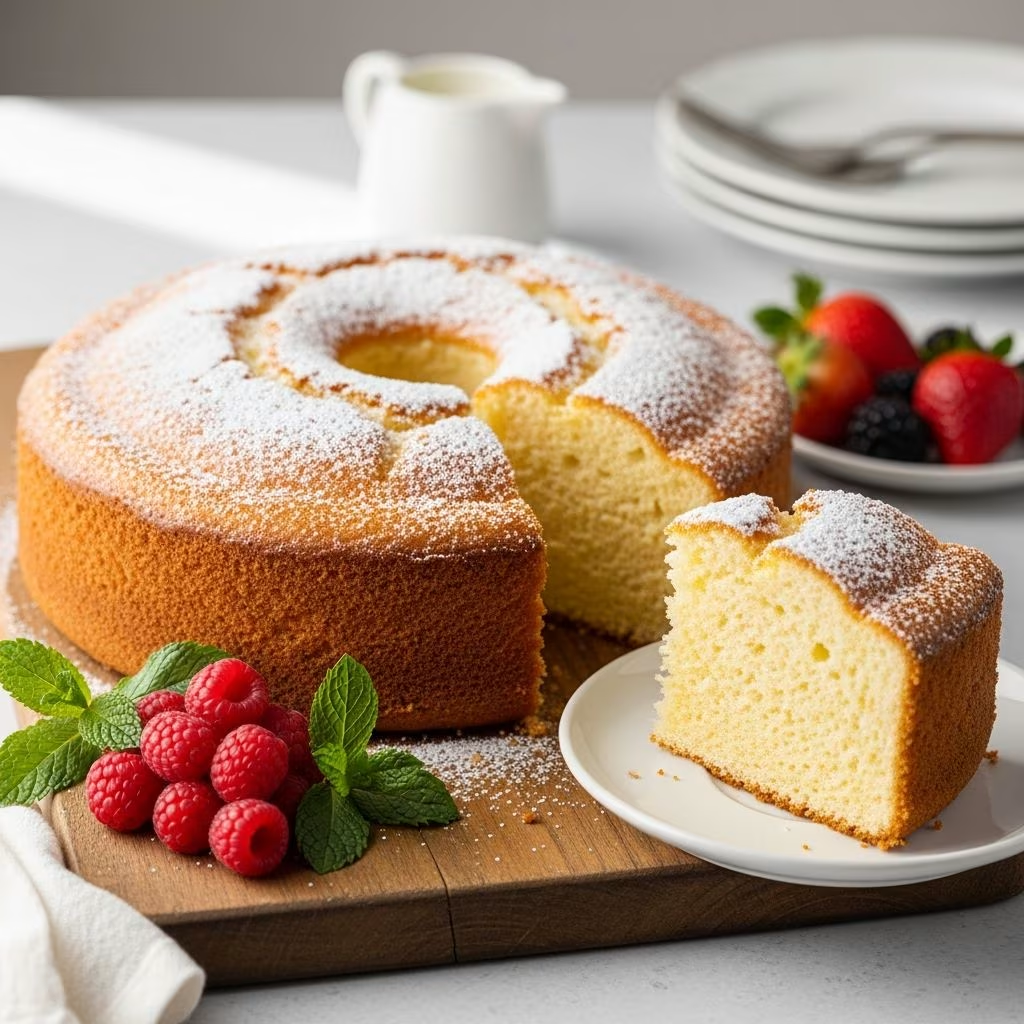
Passover celebrations call for desserts that honor both tradition and dietary restrictions. One such dessert that has graced Passover tables for generations is the sponge cake—a delicate, fluffy creation that relies on the magic of properly beaten eggs to achieve its signature airy texture. Unlike many traditional cakes that depend on leavening agents prohibited during Passover, this simple yet elegant dessert showcases how fundamental baking techniques and quality ingredients can produce extraordinary results.
Understanding the Foundation: Why Sponge Cake Works for Passover
The beauty of sponge cake lies in its construction methodology. Rather than relying on chemical leavening agents such as baking powder or baking soda—both forbidden during Passover observance—this cake achieves its characteristic lightness through the incorporation of air into beaten egg whites and egg yolks. This ancient baking technique transforms humble eggs into a structure capable of supporting a moist, tender crumb that melts on the palate.
The cake’s dependence on eggs makes it naturally compliant with Passover dietary laws when combined with Passover-approved flour alternatives. The primary dry ingredients used in this preparation are matzo cake meal and potato starch, both of which are certified Passover products available during the holiday season. This combination creates a flour substitute that mimics the binding properties of wheat flour while maintaining the kosher status required for the celebration.
Essential Ingredients for Success
Creating an exceptional Passover sponge cake begins with understanding each ingredient’s role in the final product:
- Eggs – The foundation of the entire cake, eggs serve a triple purpose. The yolks contribute richness and emulsification, while the whites, when properly beaten, create the structural framework that makes sponge cake distinctive. Most recipes call for six to nine large eggs, separated into yolks and whites.
- Granulated Sugar – Beyond sweetness, sugar dissolves into the egg yolks, creating a stable mixture while adding volume through careful beating. The quantity typically ranges from one to two cups depending on desired sweetness and cake size.
- Matzo Cake Meal – This finely ground matzah flour provides structure and texture. Unlike regular flour, matzo meal has a slightly coarser texture that creates a more tender crumb when properly combined.
- Potato Starch – This ingredient adds lightness and helps prevent the cake from becoming dense. The starch absorbs moisture while maintaining the delicate structure created by the beaten eggs.
- Citrus Components – Fresh lemon juice and zest brighten the flavor profile, providing acidity that balances sweetness and adds complexity. Some variations incorporate orange juice for additional depth.
- Vanilla Extract – Though optional, pure vanilla extract enhances the overall flavor without adding moisture that could compromise the cake’s texture.
- Salt – A small quantity, typically one-quarter to one-half teaspoon, enhances flavor perception and strengthens the egg white foam.
The Science Behind Beating Eggs
Understanding how to properly beat eggs is critical to achieving the desired result. The process involves two distinct stages, each serving a specific purpose in the final cake structure.
The first stage focuses on the egg yolks. These are beaten with sugar until the mixture becomes pale, significantly increased in volume, and forms a ribbon-like consistency when the beaters are lifted. This process, typically taking three to five minutes on high speed, incorporates air and dissolves the sugar completely. The pale color indicates proper incorporation of air into the yolk mixture, which will help create the cake’s structure.
The second critical stage involves beating egg whites to form what bakers call peaks. The progression begins with foamy whites, advances to soft peaks where the mixture forms peaks that gently collapse back into themselves, and culminates in stiff peaks where the whites stand upright without falling. The addition of salt stabilizes the egg whites, allowing them to reach maximum volume and hold their structure during the subsequent folding process. Proper beating of egg whites is perhaps the most crucial technical aspect of sponge cake preparation, as underbeaten or overbeaten whites will fail to provide adequate lift.
Preparation and Mixing Techniques
Success in sponge cake preparation depends on methodical execution and careful attention to mixing techniques:
- Begin by preheating the oven to 325 to 350 degrees Fahrenheit. Using an angel food cake pan or tube pan is traditional, as the center tube promotes even baking and supports the cake’s structure during cooling.
- Thoroughly prepare the pan by buttering or coating it with non-stick spray, then lining with parchment paper. This multi-step approach ensures the cake releases cleanly after baking.
- Separate eggs with absolute precision, ensuring no egg yolk contaminates the whites. Even trace amounts of yolk will prevent whites from reaching stiff peaks.
- Beat egg yolks with sugar until pale and significantly increased in volume, indicating proper air incorporation.
- Sift together the matzo cake meal and potato starch to aerate and combine them evenly. This sifting step prevents lumps and ensures even distribution throughout the batter.
- Fold the dry ingredients into the yolk mixture gently, using a spatula to combine without deflating the mixture. This technique requires patience and care to maintain the air already incorporated.
- Beat egg whites with salt until stiff peaks form, creating a glossy, stable meringue.
- Gently fold the meringue into the yolk mixture using an under-and-over motion with a spatula. This critical step requires restraint—vigorous stirring will collapse the air and result in a dense cake.
Baking and Cooling Protocol
Once the batter is prepared, the baking phase determines whether the cake will achieve its characteristic airy texture or become dense and disappointing.
Pour the batter into the prepared pan and bake for 65 to 90 minutes, depending on the specific recipe and oven characteristics. The cake is done when a toothpick inserted into the thickest part comes out clean, the top is evenly browned, and the cake has begun to pull away slightly from the pan’s sides.
The cooling process is equally important as the baking phase. Upon removal from the oven, immediately invert the cake pan, placing it upside down on a wire rack or over the neck of a bottle if using a tube pan without feet. This inversion prevents the cake from collapsing under its own weight as it cools. Allow the cake to cool completely in the inverted position—typically one to two hours. This extended cooling period allows the cake’s crumb structure to set properly. Only after complete cooling should the cake be turned right-side up and removed from the pan.
Flavor Variations and Enhancements
While the classic lemon variation remains popular, creative home bakers can explore different flavor profiles while maintaining the recipe’s structural integrity:
| Variation | Key Ingredients | Preparation Notes |
|---|---|---|
| Citrus Blend | Lemon and orange juice and zest | Combine citrus juices and zests in equal proportions for complexity |
| Wine-Infused | Sweet Passover wine replaces some liquid | Use wine carefully to avoid adding too much moisture |
| Spiced Version | Cinnamon or nutmeg addition | Add spices to the dry ingredient mixture before sifting |
| Chocolate Variation | Passover cocoa powder | Substitute portion of matzo meal with cocoa powder |
Serving Suggestions for Passover Meals
The versatility of sponge cake extends beyond its simple elegance. Various accompaniments enhance the cake while maintaining Passover compliance:
- Fresh berries including strawberries, blueberries, or raspberries provide bright flavors and visual appeal
- Whipped cream or whipped coconut cream adds richness without compromising kosher status
- Passover-approved fruit compotes offer concentrated flavor and moisture
- Dusting with powdered sugar creates an elegant presentation
- Serving alongside sorbet or dairy-free ice cream provides textural contrast
Common Challenges and Solutions
Even experienced bakers occasionally encounter difficulties when preparing sponge cake. Understanding common issues and their solutions improves success rates:
Dense Cake: This typically results from underbeaten egg whites or overworking the batter during folding. Ensure egg whites reach stiff peaks and fold gently to maintain air incorporation.
Sunken Center: Opening the oven door prematurely or insufficient baking time can cause the center to collapse. Avoid disturbing the cake during baking and verify doneness with a toothpick test.
Dry Texture: Overbaking or using too much matzo meal without adequate moisture can create dryness. Monitor baking time closely and consider the specific recipe’s liquid-to-dry ingredient ratio.
Browning Issues: If the top browns too quickly, reduce oven temperature by 25 degrees. If browning is insufficient, check that the oven temperature is accurate using an oven thermometer.
Storage and Make-Ahead Considerations
Properly stored sponge cake remains fresh throughout the Passover holiday. After complete cooling, wrap the cake tightly in plastic wrap or aluminum foil and store at room temperature for up to three days. For extended storage, refrigerate for up to one week or freeze for up to one month. When freezing, wrap the cake in plastic wrap and then place in a freezer-safe container to prevent freezer burn and flavor absorption from other foods.
Frequently Asked Questions
Can this cake be made ahead of time? Yes, the cake can be baked one to two days before serving. Wrap it tightly and store at room temperature. This advance preparation actually allows flavors to develop more fully.
Is it possible to use a different pan shape? While tube pans are traditional, eight-inch round pans or square pans work well. Adjust baking time slightly, as cake thickness will differ.
What causes egg whites to not reach stiff peaks? Even trace amounts of egg yolk prevent proper beating. Additionally, ensure the mixing bowl and beaters are completely clean and grease-free.
Can oil be substituted for butter in pan preparation? Yes, non-stick spray or vegetable oil works equally well for pan preparation.
How can the cake be transported to a Seder? Keep the cake in the pan during transport for maximum protection. Remove from the pan only when ready to serve.
References
- Passover Sponge Cake — The Jewish Kitchen. Accessed April 2026. https://thejewishkitchen.com/passover-sponge-cake/
- Passover Sponge Cake – Cinnamon Shtick — Cinnamon Shtick. Accessed April 2026. https://cinnamonshtick.com/passover-sponge-cake/
- The Best Passover Sponge Cake With Strawberries — Yay Kosher. Accessed April 2026. https://yaykosher.com/the-best-angel-food-cake-with-strawberries/
- Bubbi’s Passover Sponge Cake — Seasoning for Every Palate. Accessed April 2026. https://seasoningforeverypalate.wordpress.com/2014/04/14/bubbis-passover-sponge-cake/