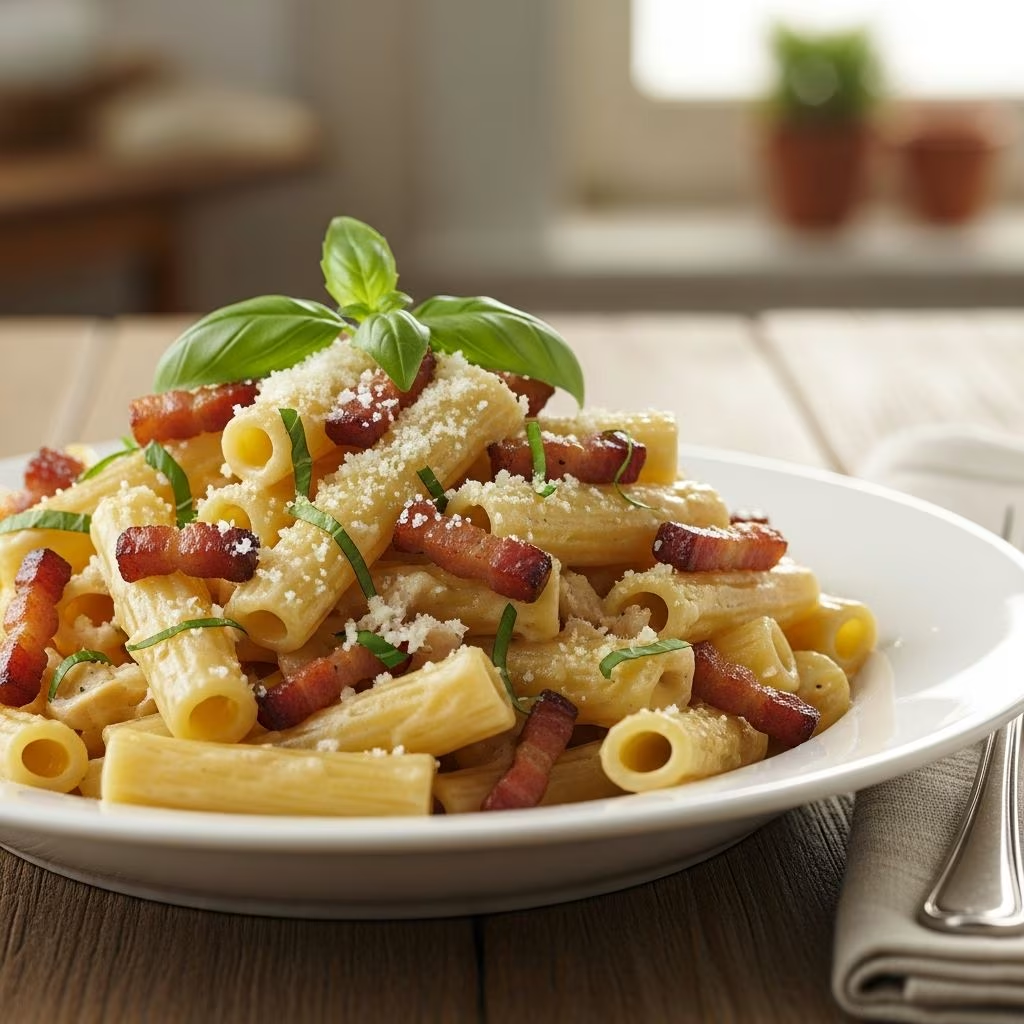
Pancetta pasta represents one of the most straightforward yet satisfying dishes in Italian cuisine. This traditional preparation combines the smoky, rich flavors of cured Italian bacon with tender pasta and minimal additional ingredients, creating a meal that achieves maximum flavor through simplicity. Whether you’re a seasoned home cook or beginning your culinary journey, pancetta pasta offers an accessible entry point into authentic Italian cooking while demonstrating how quality ingredients and proper technique can elevate even the most basic dishes.
Understanding Pancetta and Its Role in Italian Cooking
Pancetta serves as a fundamental ingredient in Italian kitchens, distinguished from American bacon by its curing process and flavor profile. Unlike bacon, which is smoked, pancetta undergoes a dry-curing process using salt and spices, resulting in a more delicate, subtly complex taste. This Italian delicacy comes from pork belly, hand-rubbed with a blend of seasonings including black pepper, garlic, and various spices, then rolled and aged for several months.
The culinary significance of pancetta extends beyond simple flavor contribution. When rendered in a pan, the fat releases gradually, creating a naturally occurring sauce base that coats pasta with richness and depth. This fat carries the essential oils and flavors throughout the dish, binding the pasta and any accompanying ingredients into a harmonious whole. Understanding these properties allows cooks to build layered flavor profiles while maintaining the dish’s elegant simplicity.
Essential Ingredients and Quality Considerations
The foundation of exceptional pancetta pasta rests on ingredient selection. Since the recipe typically contains only four to five primary components, each element demands careful consideration.
The Core Components
- High-quality pasta: Selecting bronze-cut, dried pasta from Italian producers ensures proper texture and ability to hold sauce. The rough surface created during traditional bronze-cut extrusion captures the pancetta fat and any sauce components, preventing the slippery texture that smooth pasta can produce.
- Authentic pancetta: Genuine pancetta from reputable Italian sources provides superior flavor compared to domestic substitutes. Pancetta should be hand-sliced or purchased from quality butchers rather than pre-packaged varieties, which often contain additives and fillers.
- Extra virgin olive oil: A robust, full-bodied extra virgin olive oil contributes fruity and peppery notes that complement the pancetta’s richness. This ingredient serves both as a cooking medium and finishing element.
- Hard Italian cheese: Parmigiano Reggiano or Pecorino Romano adds umami depth and textural contrast. These cheeses should be freshly grated from whole blocks rather than pre-grated versions, which contain anti-caking agents that affect melting and distribution.
- Fresh herbs and seasonings: Italian parsley, freshly cracked black pepper, and sea salt enhance the dish’s complexity while maintaining its refined character.
Variations and Flavor Combinations
While the three-ingredient version represents pancetta pasta in its purest form, numerous variations build upon this foundation by incorporating complementary ingredients that enhance rather than overshadow the primary flavors.
Popular Variation Approaches
| Variation Type | Key Ingredients | Flavor Profile | Preparation Time |
|---|---|---|---|
| Garden Vegetable | Peas, mushrooms, onions | Earthy, slightly sweet | 15-20 minutes |
| Creamy Parmesan | Heavy cream, garlic, Parmesan | Rich, velvety, umami-forward | 12-15 minutes |
| Bright Citrus | Lemon juice, arugula, red pepper | Fresh, peppery, balanced | 10-12 minutes |
| Tomato-Based | Crushed tomatoes, white wine, basil | Bright, acidic, traditional | 18-25 minutes |
| Herbed Cream | Cream, fresh mint, garlic | Delicate, herbaceous | 10-14 minutes |
The creamy Parmesan variation introduces heavy cream and additional garlic, transforming pancetta pasta into a luxurious dish suitable for special occasions. The cream combines with the pancetta fat and pasta starch to form a silky sauce that clings beautifully to every piece.
The bright citrus approach incorporates fresh lemon juice and peppery arugula, cutting through the richness of the pancetta while introducing herbaceous and acidic elements. This variation particularly appeals to those seeking lighter preparations or summer dining options.
The tomato-based variation draws from traditional Roman pasta preparation methods, combining crushed tomatoes with white wine to create a sauce that balances the pancetta’s smokiness with brightness and acidity. This approach transforms the dish into something closer to classic Italian grandmother cooking.
Step-by-Step Preparation Techniques
Pancetta Preparation and Rendering
Begin by slicing pancetta into small cubes approximately one-quarter inch in size. This sizing ensures even cooking and proper fat rendering. Place the cubed pancetta into a large skillet over medium heat without any additional oil. The pancetta’s natural fat will gradually release, creating a cooking medium.
Allow the pancetta to cook slowly for five to seven minutes, stirring occasionally, until the edges turn golden brown and the fat becomes translucent. This slow rendering develops flavor complexity and ensures the pancetta achieves optimal crispness. The rendered fat becomes the foundation for your sauce, so resist the urge to rush this step.
Pasta Cooking Method
While pancetta renders, bring a large pot of salted water to a rolling boil. The water should taste noticeably salty, similar to seawater, as this seasoning represents the only opportunity to season the pasta itself. Add dried pasta and cook according to package directions, but reduce the cooking time by one minute to achieve al dente texture.
Reserve one cup of pasta cooking water before draining. This starchy liquid becomes essential for sauce consistency and pasta binding. The starch in this water emulsifies with the fat, creating a creamy coating without cream.
Sauce Construction
Add minced garlic to the rendered pancetta fat (off heat or at low heat) immediately before adding pasta. This timing prevents garlic from burning while ensuring it blooms in the fat. Stir constantly for thirty seconds to release garlic’s aromatic compounds.
Transfer the hot pasta directly into the pancetta pan using a slotted spoon or pasta fork, preserving the starchy cooking water. Toss continuously while adding pasta water in small increments. The goal involves creating a glossy coating where the pasta absorbs the pancetta fat and starch emulsion, forming a silky sauce.
Add freshly grated cheese and cracked black pepper near the end of cooking, tossing gently to distribute evenly. The residual heat melts the cheese, creating additional creaminess through emulsification.
Common Mistakes and Solutions
Understanding frequent preparation errors helps ensure consistent success with pancetta pasta. Many home cooks drain pasta completely, discarding the starchy water that should transform into sauce. This results in a dry, separated dish rather than a cohesive whole. Always retain cooking water and use it to adjust consistency.
Overcooking pancetta creates bitter, burnt flavors that dominate the dish. Watch for golden-brown edges rather than dark brown or black coloring. The pancetta continues cooking residually after removal from heat, so remove it slightly before reaching the desired color.
Adding cold ingredients to hot pasta causes temperature drops that prevent proper sauce formation. Remove items from refrigeration fifteen minutes before cooking, or warm them gently in the pancetta pan before adding pasta.
Overcooking pasta itself results in mushy texture that cannot hold sauce properly. Reducing package cooking time by one minute helps achieve al dente texture, which provides structural integrity for sauce adherence.
Using pre-grated cheese prevents smooth melting and incorporation. The anti-caking agents added to pre-grated varieties interfere with emulsification, resulting in clumpy cheese rather than silky sauce.
Serving Suggestions and Presentation
Present pancetta pasta in warm bowls that help maintain temperature longer. Spoon pasta into bowls rather than tossing in a serving bowl, which cools the dish rapidly. Finish each serving with additional freshly grated cheese, cracked black pepper, and a small amount of extra virgin olive oil drizzled over the top.
Fresh parsley or basil scattered over the finished dish adds visual appeal and bright herbaceous notes. A few red pepper flakes sprinkled over the surface introduce visual interest and optional heat for those desiring spice.
Pancetta pasta pairs beautifully with simple green salads featuring lemon vinaigrette, which provides acidic balance to the rich pasta course. Crusty Italian bread for sopping up remaining sauce extends the meal’s enjoyment.
Frequently Asked Questions
Can I substitute bacon for pancetta?
While bacon and pancetta both come from pork belly, their flavor profiles differ significantly. Bacon’s smoky intensity can overpower the dish, while pancetta’s subtler character allows other ingredients to shine. If pancetta is unavailable, use good-quality unsmoked bacon and adjust quantities slightly to account for its stronger flavor.
What pasta shape works best with pancetta?
While any pasta accepts pancetta sauce, shapes with texture and surface area prove most successful. Rigatoni, bucatini, and thick spaghetti capture sauce effectively. Avoid delicate or extremely thin pastas, which become overwhelmed by the rich, heavy sauce.
How far in advance can I prepare pancetta pasta?
Pancetta pasta is best enjoyed immediately after preparation, as the sauce coating diminishes quickly as the dish cools. However, you can prepare components ahead: render pancetta and cook pasta separately, then combine just before serving. This approach requires reheating the pancetta in its pan before adding hot pasta.
Is pancetta pasta suitable for dietary restrictions?
The dish contains gluten through pasta and may present challenges for those with celiac disease. Gluten-free pasta works acceptably, though texture differs from traditional wheat varieties. Those avoiding pork require entirely different preparations. Vegetarian adaptations substitute mushrooms or additional vegetables for pancetta, though this fundamentally changes the dish’s character.
How do I store leftover pancetta pasta?
Refrigerate leftovers in airtight containers for up to two days. The sauce will likely congeal and the pasta dry out slightly. Reheat gently with additional pasta water or broth, stirring constantly to restore sauce consistency. Microwaving creates uneven heating and texture degradation, so stovetop reheating produces superior results.
Nutritional Considerations and Portion Planning
Pancetta pasta delivers significant protein through both the pancetta and cheese, making it satisfying in modest portions. A single serving typically provides twenty to thirty grams of protein, supporting satiety and sustained energy. The high fat content means smaller portions prove more satisfying than with leaner pasta dishes.
A serving size of approximately one and one-half cups of prepared pasta with sauce provides approximately 400-500 calories, making it suitable for lunch or dinner depending on accompanying courses. Those monitoring saturated fat intake should enjoy pancetta pasta occasionally rather than regularly, or select lighter variations incorporating more vegetables.
Conclusion
Pancetta pasta exemplifies how Italian cooking achieves remarkable results through simplicity, quality ingredients, and proper technique. This approachable yet elegant dish suits both casual weeknight dinners and more formal entertaining, adapting readily to personal preferences through thoughtful variations. By understanding the fundamental principles of pasta preparation, fat emulsification, and ingredient selection, home cooks create restaurant-quality results in their own kitchens. Whether preparing the minimalist three-ingredient version or exploring creative variations, pancetta pasta offers a rewarding culinary experience that celebrates Italian culinary traditions while remaining accessible to cooks of any skill level.
References
- Pasta with Pancetta — Palatable Pastime. 2024-04-21. https://palatablepastime.com/2024/04/21/pasta-with-pancetta/
- Pasta with Pancetta Recipe — Eat, Little Bird. https://eatlittlebird.com/pasta-with-pancetta/
- Pancetta Pasta (Quick 4 Ingredient Recipe) — Christina’s Cucina. https://www.christinascucina.com/pancetta-pasta-quick-4-ingredient-recipe/
- Pasta all’Amatriciana with Pancetta — Happily From Scratch. https://www.ericajulson.com/pasta-allamatriciana-pancetta/
- Creamy Pasta with Peas and Pancetta — The Burnt Butter Table. https://www.theburntbuttertable.com/creamy-pancetta-and-pea-pasta/