Oysters, cherished bivalve mollusks, thrive in marine environments worldwide, offering unique flavors shaped by their habitats and boasting impressive nutritional value. This guide explores their biology, regional differences, tasting notes, health benefits, preparation methods, and ecological roles.
The Biology of Oysters
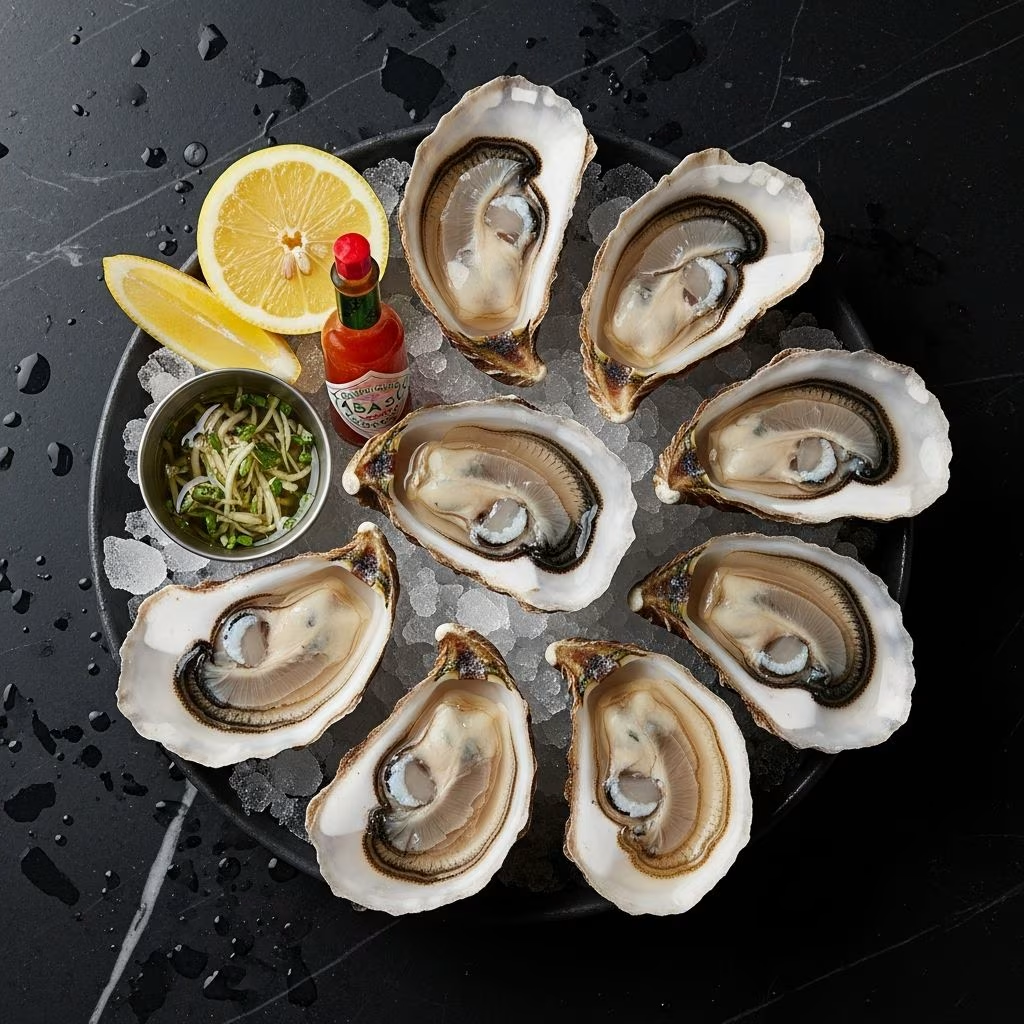
Oysters belong to the phylum Mollusca and class Bivalvia, sharing traits with clams and mussels through their hinged two-part shells.These shells, often grayish or brownish-white, protect a soft body enclosed by a mantle that secretes new layers as the oyster grows. The bottom valve remains flat and elongated, while the top is arched and smaller, creating an oval shape typically measuring 2 to 12 inches in length.
Internally, oysters feature gills for respiration and feeding, a three-chambered heart pumping colorless hemolymph, and clear kidneys for purification. As filter feeders, they draw in water to capture phytoplankton and algae, sorting particles with remarkable efficiency—up to 90% for similar-sized algae while rejecting silt as pseudofeces. A single adult Eastern oyster, Crassostrea virginica, can filter up to 50 gallons of water daily under ideal conditions.
Reproduction occurs in summer, with females releasing millions of eggs that hatch into larvae within a day. After about two weeks, successful larvae attach to substrates like rocks or shells in a process called setting, growing to harvest size in 3-5 years. Oysters exhibit high phenotypic plasticity, appearing vastly different based on environmental factors, complicating species counts estimated between 30 and over 100 globally.
Oyster Habitats and Regional Variations
Oysters anchor to solid underwater surfaces in warm and temperate ocean shores, from Maine to Texas for Eastern varieties. Their merroir—the seafood equivalent of terroir—derives from local water chemistry, including salinity, minerals, plankton, and temperature, profoundly influencing shell shape, texture, and taste.
| Region | Shell Characteristics | Flavor & Texture |
|---|---|---|
| East Coast (e.g., Chesapeake Bay) | Smoother, rounded edges; 2-6 inches; brown, green, white shades | Crisp from cold waters; high brininess, minerality, salty-sweet buttery notes |
| General Subtidal Growth | Shallower cups; variable colors | Oceany, seaweedy, mineral profiles from filter feeding |
Water composition varies dramatically bay-to-bay and north-to-south, imparting unique profiles: colder subtidal East Coast oysters develop brinier tastes due to slower metabolism. Green-gilled oysters result from Haslea ostrearia diatoms, adding marennine pigment with potential antioxidant properties.
Flavor Profiles and What Influences Taste
Oyster flavors stem from their diet of suspended phytoplankton, reflecting local ecosystems: salty, mineral, oceanic, or vegetal notes dominate. Biochemical makeup—primarily water (87%), proteins, fats, carbs, and minerals—ties directly to growth, shell-building, and reproduction.
- Briny and Mineral: High-salinity waters yield crisp, metallic edges, common in northern varieties.
- Buttery and Sweet: Nutrient-rich bays like Chesapeake produce mellow, creamy profiles.
- Green Variants: Diatom exposure creates intriguing hues without altering edibility.
Size and growth conditions further modulate intensity; larger oysters from silt-heavy areas showcase adaptability. Connoisseurs note how merroir crafts endless variations from the same species.
Nutritional Powerhouse of Oysters
Low-calorie and low-fat, oysters pack protein alongside essential nutrients: iron, omega-3s, vitamins A, E, C, B12, zinc, calcium, and selenium. A serving delivers significant daily values, supporting immunity, heart health, and more.
- Excellent water cleaners: One-acre reefs filter volumes equaling 36 Olympic pools daily.
- Historical staple: Consumed since 2000 BC in Japan and by Romans.
- Year-round safe: Modern refrigeration debunks old “R-month” myths.
How to Select, Store, and Shuck Oysters
Choose live oysters with tightly closed shells or those that snap shut when tapped—discard others. Store cupped-side down in the fridge on ice (not submerged) for up to a week; consume soonest for peak freshness.
Shucking Steps:
- Wrap in a towel; hold with hinged end out.
- Insert oyster knife at hinge, twist to pop.
- Slide knife along top shell, sever muscle.
- Lift top shell, cut under-oyster muscle, preserve liquor.
Serve on ice with mignonette or lemon; chew to savor flavors.
Sustainability and Ecological Importance
Oysters enhance water quality by filtering pollutants and algae, fostering reefs that shelter marine life. Restoration efforts revive depleted populations, benefiting fisheries and ecosystems. Opt for farmed or certified sustainable sources to support these initiatives.
Frequently Asked Questions (FAQs)
Are oysters safe to eat year-round?
Yes, advancements in farming and refrigeration make them safe anytime, countering outdated seasonal advice.
Do all oysters make pearls?
No, only certain species like Pacific oysters occasionally do; most are pearl-free.
How much water does one oyster filter?
Up to 50 gallons daily for adults, or 1.3-1.5 gallons hourly.
What’s the best way to eat an oyster?
Raw on the half-shell, slurped with brine for full merroir experience.
Are green oysters edible?
Absolutely; the tint from harmless diatoms may even offer health perks.
Pairing and Recipe Ideas
Pair briny East Coast oysters with crisp whites like Sauvignon Blanc. Simple recipes: grilled with garlic butter or in chowder. Experiment with regional pairings to highlight merroir.
References
- Oyster – Kids | Britannica Kids | Homework Help — Britannica. Accessed 2026. https://kids.britannica.com/kids/article/oyster/353587
- Oyster Myths & Facts (April 2025) — In A Half Shell. 2025-04. https://www.inahalfshell.com/oyster-myths-facts
- Oysters 101 — Trolley Square Oyster House. Accessed 2026. https://trolleysquareoysterhouse.com/oysters-101/
- Oyster Facts — Oyster Recovery Partnership. Accessed 2026. https://www.oysterrecovery.org/news/oyster-facts
- 10 Surprising Facts About Oysters — Hamp and Harry’s. Accessed 2026. https://www.hampandharrys.com/surprising-facts-about-oysters
- Oysters 101: Types and Tips — YouTube (Munchies). Accessed 2026. https://www.youtube.com/watch?v=GhEy31ixjZA
- Oysters: 10 Things You Didn’t Know — Gulf Coast Weekend. 2017-08-22. https://www.gulfcoastweekend.com/2017/08/22/oysters-10-things-didnt-know/