The appeal of preparing an entire dinner in a single cooking vessel extends beyond mere convenience—it represents a fundamental shift in how home cooks approach meal preparation. When proteins, grains, and vegetables cook together, their flavors meld and intensify, creating dishes that taste far more complex than their ingredient lists suggest. This approach also dramatically reduces cleanup time, making it particularly valuable for busy families seeking to balance nutrition with practicality.
Single-pot rice meals have become increasingly popular among home cooks seeking to minimize both preparation time and kitchen mess. These dishes typically combine protein sources, aromatic vegetables, and rice in a coordinated cooking process that yields restaurant-quality results without requiring multiple burners or extensive culinary expertise. The methodology behind these meals isn’t complicated—it relies on understanding basic cooking principles and respecting the inherent qualities of individual ingredients.
Understanding the Foundation: Liquid and Grain Ratios
The success of any single-pot rice meal hinges on achieving the correct balance between cooking liquid and grain. This relationship determines whether your finished dish will be perfectly tender, mushy, or undercooked. The standard formula involves using twice as much liquid as rice by volume. For example, combining one cup of long-grain white rice with two cups of cooking liquid creates the ideal environment for complete hydration and even cooking.
However, this foundational ratio can shift based on several variables. The type of rice selected influences cooking time significantly. Long-grain white rice typically requires approximately 18-20 minutes of simmering to reach the al dente stage, where individual grains remain distinct and slightly firm to the bite. Brown rice demands substantially more time—approximately 45-50 minutes—due to its intact bran layer, which resists moisture penetration. Specialty grains like quinoa cook far more quickly, usually reaching completion within 10-15 minutes. Understanding these differences allows cooks to adjust their approach accordingly, layering ingredients strategically so everything finishes simultaneously.
The liquid itself deserves consideration beyond simple volume measurements. Chicken broth contributes savory depth that plain water cannot provide. Vegetable stock works wonderfully for meatless variations. Some cooks incorporate tomato-based products like passata, which add acidity, body, and subtle sweetness. Wine or other alcoholic beverages can be included in smaller quantities to deglaze the pan and introduce additional complexity. The choice of liquid fundamentally shapes the final dish’s flavor profile.
Layering Flavors Through Methodical Ingredient Introduction
Professional cooks understand that ingredient timing dramatically affects the final result. Rather than combining everything simultaneously, strategic layering builds depth and prevents overcooking. The process typically begins with proteins, which develop flavor through browning before other components are introduced.
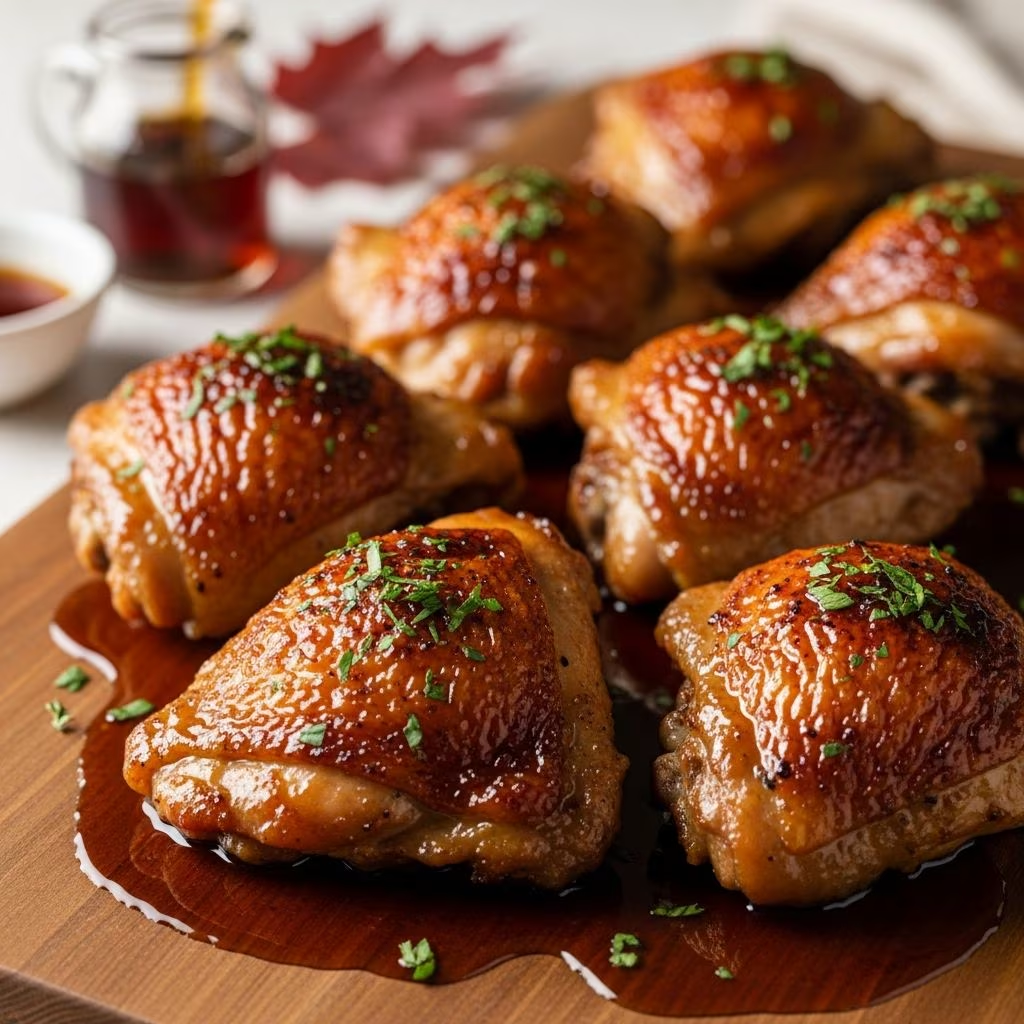
When using chicken breasts or thighs, searing them initially in hot oil creates a flavorful crust through the Maillard reaction—a chemical process that generates hundreds of complex flavor compounds. This browning stage requires only a few minutes per side and doesn’t need to achieve complete doneness, as the protein will continue cooking in the simmering liquid. Removing the seared chicken temporarily allows the cook to build additional flavor layers before reintroducing it.
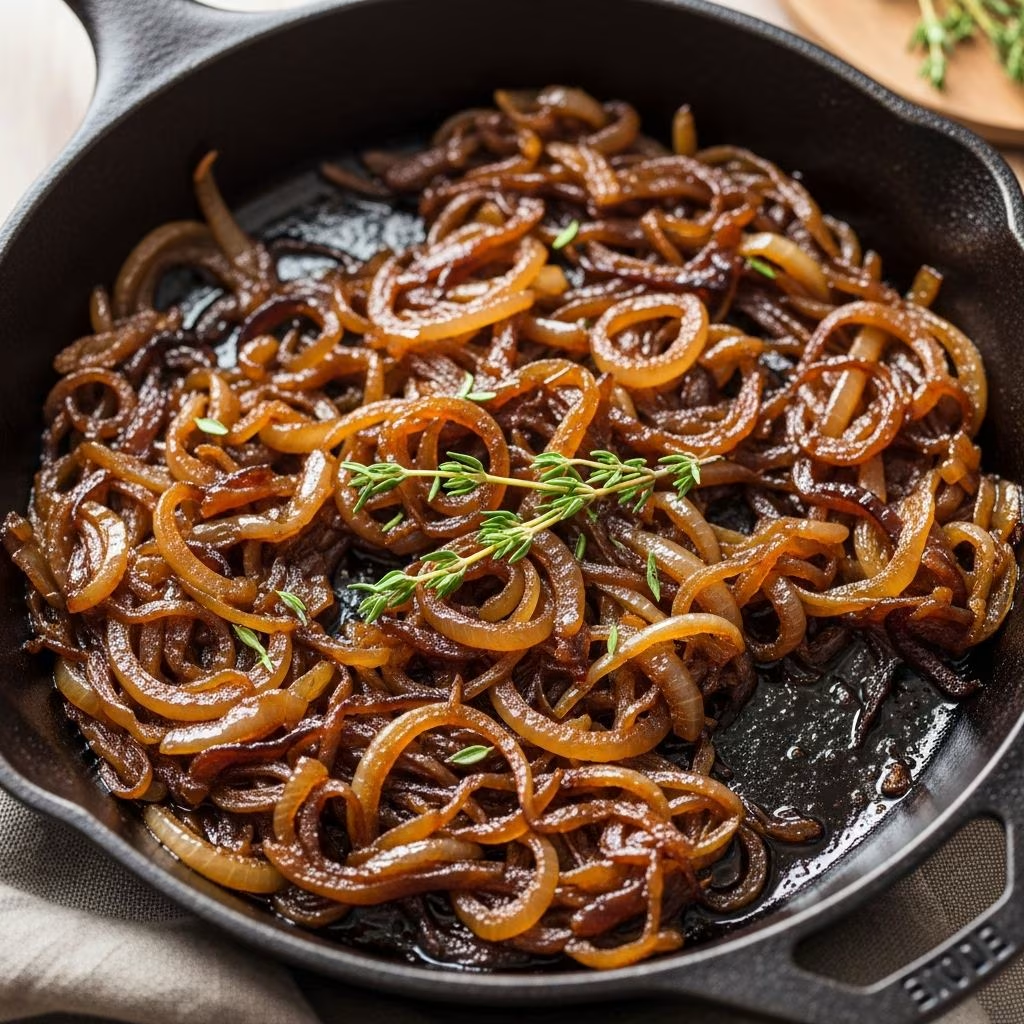
After removing the protein, aromatic vegetables enter the pan. Onions, whether diced fresh or included as dried minced versions, break down and release their natural sweetness while creating a flavor base. Garlic follows, contributing pungent, savory notes that intensify during cooking. Bell peppers add sweetness and color, while establishing textural interest in the finished dish. Cooking these vegetables for several minutes allows their flavors to develop and their moisture to partially evaporate, concentrating their essence.
Ground spices benefit from toasting briefly in the hot pan before other wet ingredients are added. This technique, called blooming, causes volatile oils within the spices to release their aromatic compounds more fully. Cumin, paprika, chili powder, and oregano all develop more pronounced, nuanced flavors when given a few minutes in a hot pan. This step dramatically distinguishes a memorable dish from a mediocre one.
Building Depth with Aromatics and Seasonings
The aromatic foundation of any single-pot meal determines its ultimate success. Beyond basic salt and pepper, numerous seasonings can be deployed strategically. Dried minced garlic and onion offer concentrated flavors that distribute evenly throughout the cooking liquid, ensuring consistent seasoning. Fresh herbs like parsley and thyme contribute brightness, though they’re often added near the end to preserve their delicate flavors.
Compound seasonings serve as useful shortcuts. Adobo seasoning blends warmth with smoke and garlic. Better-than-bouillon products concentrate savory chicken or vegetable flavors into convenient pastes. These products allow home cooks to achieve restaurant-level depth without maintaining an extensive spice cabinet. However, layering multiple seasonings requires caution—introducing too many competing flavors results in muddled, confusing tastes rather than coherent complexity.
The technique of deglazing adds another dimension to flavor development. After removing seared proteins and cooking aromatics, deglazing involves pouring liquid into the pan and scraping up the flavorful browned bits stuck to the bottom. This process, called fond, concentrates savory compounds that would otherwise be wasted. White wine works particularly well for deglazing, as its acidity helps dissolve the fond while contributing its own complexity. The resulting liquid becomes part of the cooking medium, infusing everything that follows with additional depth.
Vegetable Selection and Preparation Strategies
The vegetables included in a single-pot rice meal should be selected based on cooking time considerations. Denser vegetables require longer cooking, while more delicate options need brief treatment to maintain textural appeal. Hard vegetables like carrots and root vegetables should be cut into small, uniform pieces and added early in the cooking process. This ensures they become tender while softer vegetables remain slightly firm.
Bell peppers, onions, and similar medium-density vegetables can be introduced partway through cooking. Cutting them into consistent sizes promotes even cooking. Leafy greens and tender vegetables like spinach or peas shouldn’t be added until the very end, where a brief warm-through prevents them from becoming mushy while still developing complementary flavors with the other components.
Canned or frozen vegetables offer practical advantages for weeknight cooking. Black beans, corn, and other legumes provide protein, fiber, and textural contrast. These shelf-stable options eliminate the need for advance preparation while delivering nutritional benefits. Frozen vegetables are picked and frozen at peak ripeness, often providing superior nutritional profiles compared to fresh alternatives that may have traveled long distances.
Protein Options Beyond Poultry
While chicken appears frequently in single-pot rice meals due to its versatility and neutral flavor, numerous protein alternatives work equally well. Bone-in, skin-on chicken thighs offer superior flavor compared to breasts, though they require slightly longer cooking time to reach complete doneness. The skin crisps beautifully when initially seared, contributing textural contrast and rich flavor to the finished dish.
Ground poultry cooks quickly and distributes evenly throughout the meal. Beef, pork, and lamb all contribute distinct flavors that pair beautifully with rice. Seafood like shrimp or firm white fish works wonderfully, though it should be added near the end of cooking to prevent overcooking. Vegetarian diets benefit from beans, lentils, tofu, or tempeh, which provide protein and heartiness without requiring animal products.
Regional Flavor Profiles and Inspiration
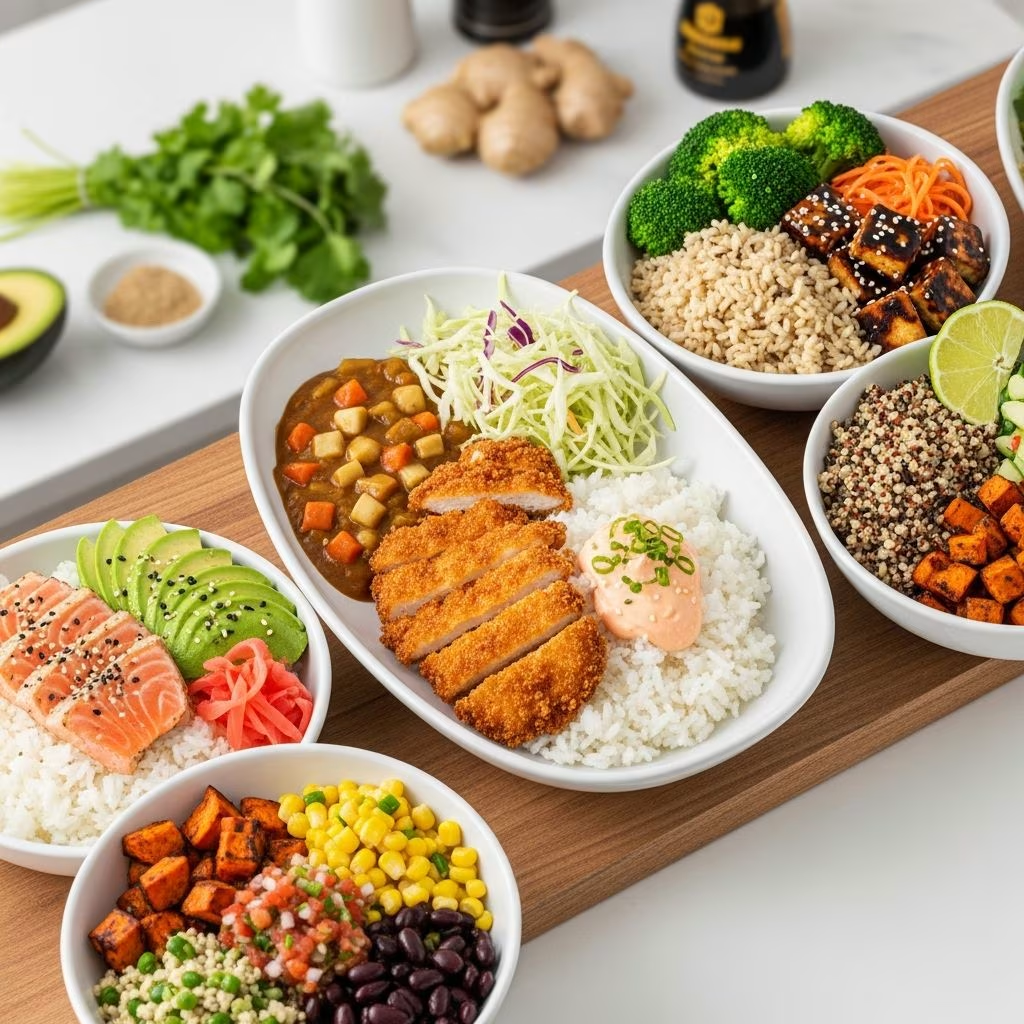
The beauty of single-pot rice meals lies in their adaptability to virtually any cuisine. Mexican-inspired versions combine cumin, chili powder, and paprika with black beans, corn, and tomato products. Italian approaches might incorporate herbs like oregano and thyme alongside tomato-based sauces. Asian-inspired meals could feature ginger, garlic, soy sauce, and sesame oil for an entirely different sensory experience.
Understanding regional flavor profiles allows home cooks to navigate spice selection confidently. Mexican cuisine emphasizes warm spices and heat. Mediterranean cooking balances herbs with bright acidity. Asian approaches often feature umami-rich ingredients like soy sauce and fish sauce. By selecting complementary components, even novice cooks can create cohesive, restaurant-quality dishes that transport diners to specific culinary traditions.
Equipment Selection and Cookware Considerations
While the appeal of single-pot cooking lies in its simplicity, selecting appropriate cookware influences the final result. Heavy-bottomed pots and Dutch ovens distribute heat evenly, preventing hot spots that cause rice to scorch. Non-stick surfaces require less oil and simplify cleanup, though they sacrifice the browning capability that produces flavorful fond. Cast iron offers excellent heat retention and browning potential, though it requires more care and seasoning.
Pot size matters significantly. A vessel that’s too large spreads ingredients thinly, reducing flavor development during the initial searing and aromatics stages. Conversely, overcrowding a small pot leads to steaming rather than browning and may cause rice to cook unevenly. A large soup pot, Dutch oven, or wide skillet accommodates typical recipes serving four to six people effectively.
Temperature Management and Timing
Most single-pot rice meals follow a consistent temperature arc. Initial cooking occurs at medium-high heat, allowing proteins to brown and aromatics to develop. Once liquid is added, the mixture is brought to a full boil, ensuring rapid hydration and even cooking. Heat is then reduced to medium-low, where a gentle simmer maintains the cooking process without excessive evaporation or splashing.
Resist the temptation to peek constantly or stir too frequently. Constant stirring releases starches from the rice, creating a creamier texture that some prefer but others find unappealing. For dishes where individual grain separation is desired, minimal stirring during cooking is ideal. However, occasional stirring prevents sticking and ensures even cooking, particularly near the end when moisture levels decrease significantly.
Resting periods are often overlooked but critically important. Allowing the finished dish to sit covered for five minutes off heat permits residual moisture to distribute and grains to firm slightly. This brief rest dramatically improves texture and allows flavors to meld more thoroughly.
Frequently Asked Questions About Single-Pot Rice Meals
What causes rice to become mushy in one-pot meals?
Excessive liquid, prolonged cooking, or frequent stirring causes mushy rice. Using high-quality rice, measuring liquid carefully, and minimizing stirring prevents this problem. If using aged rice or uncertain about quantity, slightly reduce the liquid ratio.
Can I use brown rice in place of white rice?
Yes, but extend cooking time to 45-50 minutes and increase liquid proportionally. Brown rice requires approximately three cups of liquid per one cup of grain due to its intact bran layer.
How should I adapt recipes for different rice varieties?
Adjust both liquid ratios and cooking times. Jasmine rice cooks similarly to white long-grain rice but produces a slightly softer, stickier result. Basmati remains firmer and requires less liquid. Specialty grains like quinoa or farro need significant adjustments to both timing and liquid.
What’s the best way to prevent rice from sticking to the pan bottom?
Stir occasionally, ensuring grains move freely. Use adequate liquid and avoid excessive direct heat on the bottom of the pot. Some cooks place a heat diffuser beneath the pot to distribute heat more evenly.
Can I prepare these meals in advance?
Most single-pot rice meals reheat well, though texture may slightly diminish. Store in airtight containers for up to four days. Microwave gently, adding small amounts of water or broth to restore moisture if needed.
Practical Tips for Success
- Invest in quality rice whenever possible—premium varieties produce superior texture and flavor compared to budget alternatives
- Rinse rice before cooking to remove excess starch, promoting grain separation in the finished dish
- Cut all vegetables into uniform sizes to ensure even cooking throughout the meal
- Toast spices briefly before adding liquid to intensify their aromatic qualities
- Use the finest quality broth or stock available, as it directly impacts the finished dish’s depth and character
- Season in layers rather than all at once, adjusting salt and spices as cooking progresses
- Allow finished dishes to rest before serving, permitting flavors to meld and temperatures to equilibrate
- Experiment with seasonal vegetables, adapting recipes to available produce for both cost savings and enhanced freshness
Nutritional Considerations and Balanced Meals
Single-pot rice meals inherently promote nutritional balance when components are selected thoughtfully. Combining lean proteins, vegetables, and whole grains creates meals that provide sustained energy, essential vitamins and minerals, and adequate fiber. The cooking method preserves nutritional content more effectively than multiple-step approaches, as nutrients leach into the surrounding broth rather than being discarded.
Home cooks can easily modify recipes to accommodate specific dietary requirements. Vegetable or reduced-sodium broths lower sodium levels for salt-conscious diners. Substituting regular rice with brown, wild, or ancient grain varieties increases fiber and mineral content. Adding legumes boosts protein and creates satisfying, meatless meals. The flexible nature of this cooking method allows virtually infinite adaptation to personal health goals and preferences.
Single-pot rice meals represent an elegant solution to the modern challenge of preparing nutritious, flavorful dinners efficiently. By understanding foundational cooking principles, respecting ingredient qualities, and layering flavors methodically, home cooks can create memorable meals that satisfy both palates and schedules. Whether preparing weeknight family dinners or entertaining guests, these versatile dishes prove that complexity and convenience aren’t mutually exclusive.
References
- The Science of Cooking: Understanding Maillard Reaction and Flavor Development — America’s Test Kitchen. 2024. https://www.americastestkitchen.com
- Rice Cooking Guide: Liquid Ratios and Timing for Perfect Results — University of California Cooperative Extension. 2023. https://ucanr.edu
- Nutritional Benefits of Whole Grains and Legumes in Complete Meals — National Institutes of Health, Dietary Guidelines Division. 2024. https://www.nih.gov
- One-Pot Cooking Techniques for Optimal Flavor and Texture — Serious Eats. 2024. https://www.seriouseats.com
- Sustainable Home Cooking: Reducing Waste and Maximizing Efficiency — The Kitchn Editorial Team. 2024. https://www.thekitchn.com