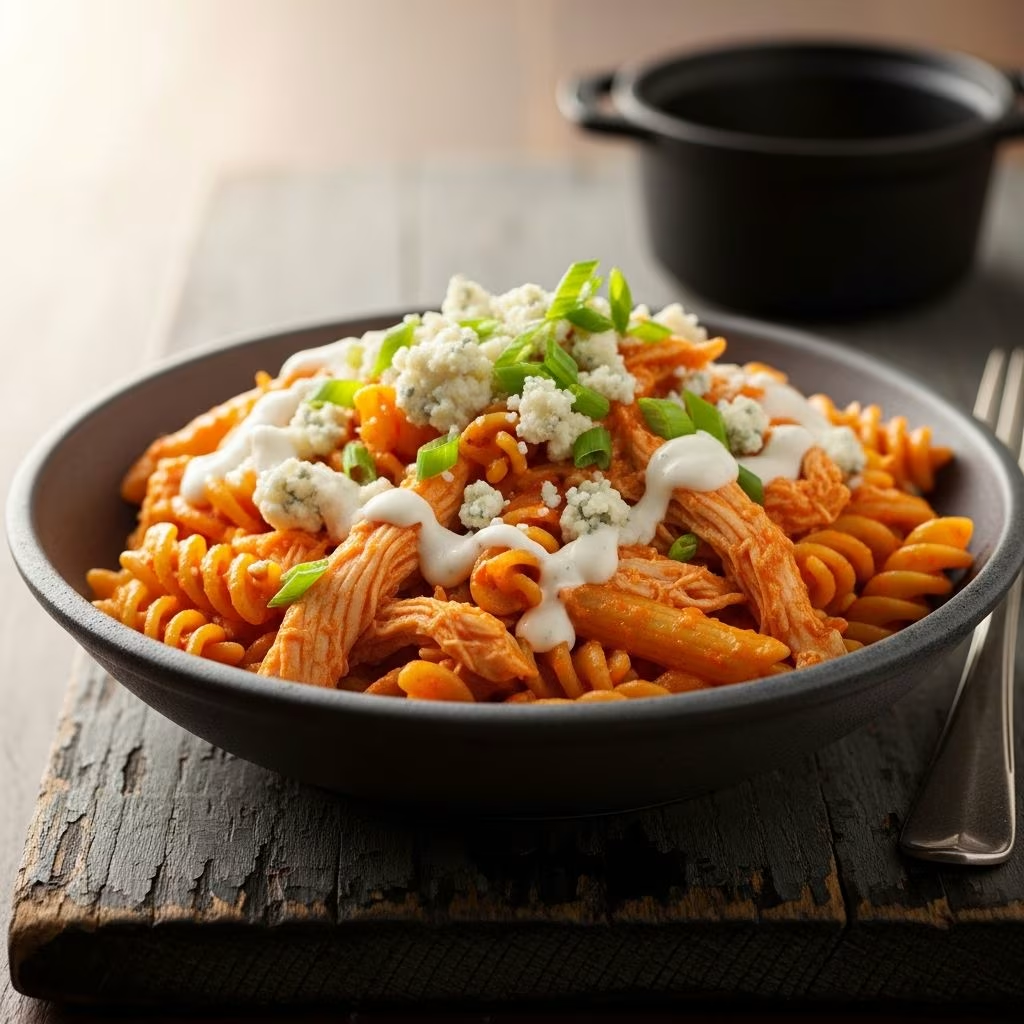
Busy weeknights demand meals that deliver maximum flavor with minimal cleanup. A one-pot buffalo chicken pasta accomplishes exactly this—combining tender chicken, bold spice, and a rich cream sauce all in a single vessel. This dish bridges the gap between restaurant-quality cooking and home kitchen convenience, making it an ideal choice for families seeking satisfying dinners without extensive preparation or multiple dishes.
Understanding the Appeal of One-Pot Pasta Dishes
One-pot meals have become increasingly popular among home cooks seeking efficiency without compromising taste or nutrition. The concept relies on cooking all components simultaneously in a single pot, allowing flavors to meld while reducing both cooking time and dishwashing requirements. Buffalo chicken pasta exemplifies this approach by combining protein, carbohydrates, and sauce in one location, creating a cohesive dish where each element enhances the others.
The buffalo-chicken combination brings together tangy, spicy heat with tender poultry, while cream cheese adds richness and helps create a luxurious sauce. This particular pairing appeals to those seeking comfort food with a spicy edge—familiar enough for family meals yet sophisticated enough for entertaining guests casually.
Essential Ingredients for Success
Building this dish requires understanding how each ingredient contributes to the final result:
- Chicken breast: Provides lean protein and can be used fresh, rotisserie, or leftover. Cubing or shredding ensures even cooking and easier integration with pasta.
- Pasta: Penne, ziti, or spaghetti work well; choose based on preference and how you want the sauce to cling to each piece.
- Chicken broth: The cooking liquid for pasta, use low-sodium varieties to control salt levels and allow other flavors to shine.
- Buffalo sauce: The flavor foundation; Frank’s Red Hot or similar brands provide authentic heat and tang without overwhelming other components.
- Cream cheese: Creates smoothness and richness while helping bind the sauce; soften before adding for easier melting.
- Cheese blend: Cheddar and mozzarella add depth and create that desired creamy texture; blue cheese or ranch dressing provides additional tang.
- Aromatics: Onion, garlic, and celery build foundational flavor through sautéing before adding other ingredients.
- Optional additions: Red pepper flakes amplify heat, green onions add freshness, and diced tomatoes introduce acidity and body.
The Step-by-Step Cooking Process
Preparing Your Ingredients and Equipment
Success begins before cooking starts. Gather all ingredients and prepare them in advance—dice onions and garlic, measure liquids, shred cheese, and cube chicken if using raw breast. This mise en place approach prevents scrambling mid-recipe and ensures smooth execution.
Use a large skillet or Dutch oven with high sides to accommodate pasta, liquid, and sauce without overflow. Non-stick surfaces prevent sticking but are not essential; regular stainless steel works equally well with occasional stirring.
Building Foundational Flavors
Begin by heating oil or butter over medium heat and sautéing aromatic vegetables—onions, celery, and carrots. This step, typically lasting 5 minutes, softens vegetables and releases their essential oils, creating an aromatic base layer. Add minced garlic during the final minute to prevent burning while allowing its pungent compounds to develop.
If using raw chicken breast, add it at this stage, cooking until the exterior turns golden brown. This searing, though brief, develops flavor through the Maillard reaction—a chemical process creating deeper, more complex tastes than simply boiling meat.
Incorporating Pasta and Liquid Components
Add uncooked pasta directly to the skillet, stirring briefly to coat with oil. Pour chicken broth and buffalo sauce over the pasta, ensuring liquid just barely covers it. This technique—cooking pasta directly in flavorful liquid rather than plain water—infuses each strand with taste while reducing overall cooking time.
Bring the mixture to a boil, then reduce heat to maintain a gentle simmer. Cover the pot to trap steam, which accelerates pasta cooking. Most pasta reaches al dente (tender but slightly firm) within 10-15 minutes, though wider pots cook faster due to increased surface area and heat exposure.
Creating the Cream Sauce and Finishing Touches
Once pasta reaches desired tenderness, reduce heat to low and stir in cream cheese, shredded cheese, and cooked chicken. Add these components gradually while stirring continuously to prevent clumping or uneven melting. The residual heat will melt cheeses into a smooth, luxurious sauce without risk of burning or breaking.
At this stage, taste and adjust seasoning. Add additional buffalo sauce for increased heat, salt and pepper to balance flavors, or a splash of broth if the sauce seems too thick. Some recipes recommend simmering an additional 5 minutes after adding cream components, allowing flavors to harmonize.
Variations and Customization Options
While the basic formula remains consistent, numerous variations accommodate different preferences and dietary needs:
| Variation Type | Modifications |
|---|---|
| Lighter Version | Substitute half-and-half for cream cheese, use Greek yogurt for tang, or incorporate more vegetables like spinach or mushrooms |
| Extra Vegetables | Add bell peppers, broccoli, or spinach during the sauté phase; these cook completely by pasta completion |
| Protein Alternatives | Substitute turkey, shrimp, or tofu; adjust cooking times accordingly |
| Heat Adjustment | Increase buffalo sauce and red pepper flakes for extra spice; reduce for milder palates |
| Dairy-Free Option | Use dairy-free cream cheese and nutritional yeast; substitute milk alternatives for half-and-half |
Troubleshooting Common Issues
Understanding potential problems helps prevent them:
- Pasta sticking: Stir occasionally during cooking, especially wider, shallow pots. Use a silicone spatula to gently scrape the bottom without breaking pasta.
- Sauce too thin: Continue simmering uncovered to evaporate excess liquid, or add a slurry of cornstarch and water to thicken.
- Sauce too thick: Thin with additional broth or milk, stirring thoroughly to avoid lumps.
- Cheese clumping: Ensure cream cheese is softened before adding; stir constantly while incorporating to distribute evenly.
- Overwhelming spice: Balance buffalo sauce heat with sour cream, cream cheese, or additional cheese, which provides cooling richness.
- Raw pasta centers: Increase cooking time slightly, ensuring liquid adequately submerges pasta at the start.
Serving Suggestions and Pairings
Present this substantial main course with complementary sides that provide freshness and balance:
- Green salads: Crisp greens with vinaigrette cut through richness and provide light contrast.
- Garlic bread or crostini: For bread lovers seeking carbohydrate accompaniment, though pasta already provides this element.
- Steamed or roasted vegetables: Broccoli, green beans, or asparagus add nutritional density without overwhelming the palate.
- Beverages: Light beers, white wines like Pinot Grigio, or iced tea complement the spicy, creamy elements.
Storage and Reheating Guidance
This dish stores well for 3-4 days in airtight containers within the refrigerator. To reheat, place in a skillet over low heat with a splash of broth, stirring frequently until heated through. Alternatively, microwave in a bowl with a damp paper towel covering, stirring every minute to ensure even warming. The sauce may thicken upon cooling; thin with additional broth as needed.
This recipe does not freeze well due to the pasta and cream-based sauce texture changes during freezing and thawing. However, the sauce components can be frozen separately and combined with freshly cooked pasta as needed.
Frequently Asked Questions
Can I use frozen chicken?
Frozen chicken extends cooking time significantly. For fastest results, thaw overnight in the refrigerator before cooking. Alternatively, use rotisserie chicken or pre-cooked options to eliminate this step entirely.
What type of pasta works best?
Tube or tubular pasta shapes like penne, ziti, or rigatoni work excellently because their hollow centers fill with creamy sauce. Spaghetti or fettuccine also work but require slightly different cooking and sauce distribution techniques.
How can I make this dish spicier?
Increase buffalo sauce quantity, add cayenne pepper or red pepper flakes, or use a hotter hot sauce variety. For gradual heat buildup, stir in spice incrementally while tasting.
Is this recipe kid-friendly?
Most children enjoy this dish due to its creamy, cheesy nature. Reduce or eliminate buffalo sauce for younger palates, gradually introducing heat as they develop spice tolerance.
Can I prepare components in advance?
Yes, prepare aromatics, measure liquids, shred cheese, and cook chicken hours ahead, storing separately in the refrigerator. Final assembly requires only 30 minutes of active cooking time.
Conclusion: Weeknight Simplicity Meets Flavor Complexity
One-pot buffalo chicken pasta represents the sweet spot between convenience and culinary satisfaction. By combining all components in a single vessel, this recipe eliminates the barrier between wanting to cook and actually cooking. The resulting dish delivers restaurant-quality flavors without specialized techniques, expensive ingredients, or extensive cleanup—making it an invaluable addition to any home cook’s repertoire. Whether serving family on hectic weeknights or entertaining guests casually, this adaptable, foolproof recipe never disappoints.
References
- Buffalo Chicken Pasta (One Pot) — One Pot Recipes. Accessed April 2026. https://onepotrecipes.com/buffalo-chicken-pasta-recipe/
- One Pot Skinny Buffalo Chicken Pasta — Sweet Savory and Steph. Accessed April 2026. https://sweetsavoryandsteph.com/one-pot-skinny-buffalo-chicken-pasta/
- Buffalo Chicken Pasta – One Pot! — The Cozy Cook. Accessed April 2026. https://thecozycook.com/buffalo-chicken-pasta/
- One Pot Cheesy Buffalo Chicken Pasta — Host The Toast. Accessed April 2026. https://hostthetoast.com/one-pot-cheesy-buffalo-chicken-pasta/
- Buffalo Chicken Pasta – (Easy One Pot Meal!) — The Skinnyish Dish. Accessed April 2026. https://theskinnyishdish.com/buffalo-chicken-pasta/