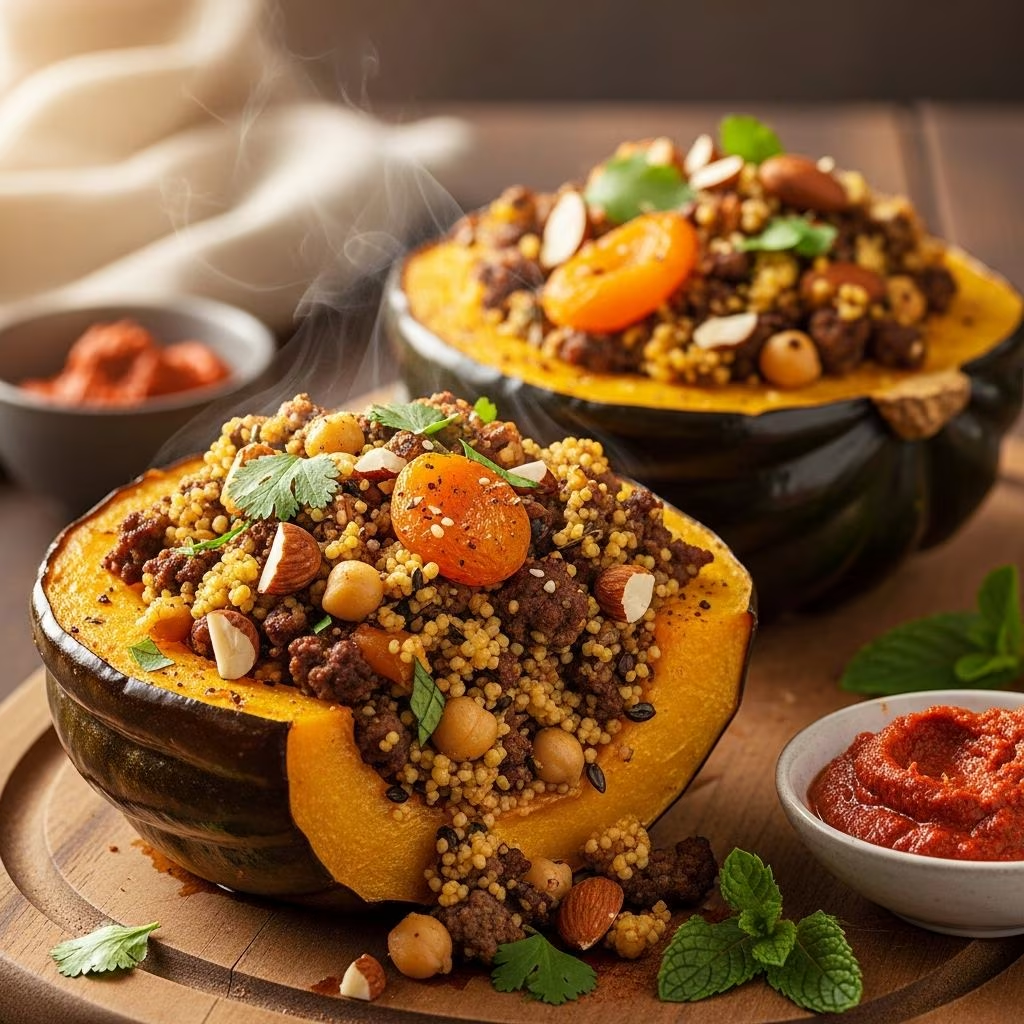
When autumn arrives and the weather turns cooler, comfort food becomes irresistible. Yet finding dishes that satisfy both the palate and nutritional goals can prove challenging. Moroccan-spiced stuffed acorn squash offers an elegant solution—a hearty, flavorful main course that combines the natural sweetness of roasted squash with savory, aromatic filling. This North African-inspired preparation transforms simple ingredients into a restaurant-quality meal suitable for weeknight dinners or special occasions.
Understanding Acorn Squash and Its Culinary Properties
Acorn squash represents one of autumn’s most versatile vegetables. Its distinctive ribbed exterior and deep green or golden coloring signal ripeness and quality. When cooked, the flesh becomes tender with a naturally buttery consistency and subtle sweetness that pairs exceptionally well with warm spices. The vegetable’s mild flavor profile makes it an ideal canvas for bold flavor combinations without overshadowing complementary ingredients.
The vegetable’s nutritional value adds another compelling reason to incorporate it into regular meal planning. Acorn squash provides essential vitamins, minerals, and dietary fiber while remaining relatively low in calories. Its dense texture when roasted creates a satisfying base that feels substantial despite its nutritional lightness.
The Foundation: Preparing Your Squash Vessel
Proper preparation of the squash vessel determines the success of the entire dish. Begin by selecting medium-sized acorn squashes of approximately equal dimensions—this ensures even cooking throughout. Larger specimens may require additional baking time, while smaller ones risk becoming mushy.
Cut each squash carefully from tip to stem, creating two equal halves. Using a sturdy spoon, scoop out all seeds and stringy fibers from the interior, creating a clean bowl-like cavity. This step requires patience but ensures even heat distribution during roasting.
Brush the cut surfaces generously with extra-virgin olive oil and season thoroughly with kosher salt and freshly ground black pepper. This simple preparation enhances the natural flavors while promoting the development of caramelized edges during roasting. Position the squash halves cut-side down on a parchment-lined baking sheet.
Bake at 400°F for 35 to 40 minutes, monitoring for tenderness by piercing the flesh with a fork. The flesh should yield easily without disintegrating. This initial roasting partially cooks the squash while developing deep, complex flavors through caramelization.
Crafting the Aromatic Spice Blend
Moroccan cuisine derives much of its character from carefully balanced warming spices. The traditional combination for this dish includes cumin, cinnamon, nutmeg, and paprika. These four ingredients create a harmony of flavors—earthy, warm, slightly sweet, and gently smoky respectively.
| Spice | Quantity | Flavor Profile | Culinary Role |
|---|---|---|---|
| Cumin | ½ teaspoon | Earthy, nutty, warm | Foundational spice providing depth |
| Cinnamon | ¼ teaspoon | Sweet, warm, aromatic | Adds subtle sweetness and complexity |
| Nutmeg | ¼ teaspoon | Warm, slightly sweet, peppery | Enhances richness and warmth |
| Paprika | ¼ teaspoon | Smoky, slightly sweet, mild | Adds depth and subtle smokiness |
These spices work synergistically, each contributing distinct characteristics while supporting the overall flavor profile. The key to success involves using whole spices when possible and grinding them fresh, as pre-ground spices lose volatile aromatic compounds over time.
Preparing the Savory Filling Base
The filling combines multiple components that build layers of flavor and texture. Begin by browning three-quarters of a pound of 95% lean ground beef in a pot with a tight-fitting lid over medium-high heat. Add the spice blend—cumin, cinnamon, nutmeg, and paprika—along with salt and pepper to the cold meat before cooking. This approach allows the spices to bloom as the meat browns, distributing their flavors evenly throughout.
Cook, stirring frequently, for 5 to 7 minutes until the meat achieves complete browning and no pink remains. Using a slotted spoon, transfer the cooked beef to a separate bowl, intentionally reserving as much of the rendered fat as possible in the pot. This flavorful fat becomes the cooking medium for vegetables and bulgur, eliminating the need for additional oil and infusing everything with savory depth.
Add one finely diced yellow onion to the pot and cook for approximately 5 minutes, stirring occasionally, until the onion becomes translucent and begins releasing its natural sweetness. The onion’s caramelization creates a slightly sweet, complex foundation for subsequent ingredients.
Stir in 4 minced garlic cloves and cook for about 30 seconds, until the aroma becomes distinctly fragrant. This brief cooking time releases aromatic compounds without allowing the garlic to brown or develop bitter notes.
Incorporating Whole Grains and Legumes
Add three-quarters of a cup of bulgur wheat to the aromatic mixture and stir to coat thoroughly with the fat and flavorful broth. Bulgur undergoes a parboiling process before sale, allowing it to cook relatively quickly while maintaining a pleasant, slightly chewy texture. Pour in approximately one cup of water or vegetable broth and bring the mixture to a boil.
Once boiling, reduce heat to medium-low, cover the pot with its lid, and simmer for 15 minutes. During this time, the bulgur absorbs the liquid and becomes tender while infusing with the surrounding flavors. After the initial cooking period, remove the pot from heat and let it stand, covered, for an additional 5 minutes. This resting period allows any remaining moisture to absorb evenly.
Fluff the mixture gently with a fork, breaking up any clumps and incorporating air for a lighter texture. Add the reserved cooked beef back to the pot along with one cup of cooked chickpeas. These legumes contribute protein, fiber, and a slightly creamy texture that rounds out the filling’s mouthfeel.
Adding Sweet and Nutty Elements
One-third cup of golden raisins introduces bursts of concentrated sweetness that balance the savory spices and rich beef. Soak the raisins in warm water for 5 minutes before adding them to the filling if they seem particularly dry—this plumps them up and ensures optimal texture.
Two tablespoons of toasted pine nuts provide sophisticated crunch and a delicate, buttery flavor. If pine nuts prove unavailable or prohibitively expensive, sliced or slivered almonds offer a more economical alternative with comparable nutritional benefits and pleasant textural contrast. Toast nuts briefly in a dry skillet over medium heat just before using to maximize their aromatic qualities.
Finally, incorporate one-quarter cup of fresh chopped parsley. This herb adds a bright, fresh element that cuts through the richness of the filling while providing visual appeal and nutritional value in the form of vitamins and antioxidants.
The Final Assembly and Baking
When the roasted squash halves emerge from the oven, handle them carefully as they retain significant heat. Using a sturdy spoon, gently scrape the cooked flesh from the skin, leaving approximately one-quarter inch of the outer shell intact. This creates a sturdy vessel capable of holding the filling without collapsing while maintaining structural integrity during serving.
Fold the scraped squash flesh directly into the filling mixture. This integration serves multiple purposes: it incorporates the squash’s natural sweetness and buttery texture into the filling, ensures the heat distributes evenly when the stuffed squashes return to the oven, and maximizes the dish’s final flavor complexity by combining all components thoroughly.
Divide the filling mixture evenly among the four squash halves, mounding it generously in each cavity. Return the stuffed squashes to the oven and bake at 400°F for 12 to 14 minutes, until the filling heats through completely and the tops develop attractive browning. This secondary baking melds all flavors together while creating an appealing texture contrast between the soft filling and slightly crisped top edges.
Serving Suggestions and Complementary Sides
This dish works exceptionally well as a standalone main course, requiring minimal accompaniments beyond perhaps a simple green salad or roasted vegetable medley. The squash provides substantial carbohydrates and fiber, the beef and chickpeas supply protein, and the combination delivers satisfying fullness without requiring additional starches.
For more elaborate presentations, consider serving alongside a vibrant couscous salad featuring fresh herbs and citrus dressing, grilled lamb kebabs, or roasted chicken seasoned with complementary Moroccan spices. A cooling yogurt sauce infused with cucumber and mint provides excellent contrast to the warm spices and rich filling.
Frequently Asked Questions
Can this dish be made vegetarian?
Absolutely. Replace the ground beef with finely minced mushrooms, lentils, or additional chickpeas. The spice blend, grains, and sweet-savory elements remain unchanged, creating an equally satisfying vegetarian interpretation.
How should leftover stuffed squash be stored?
Place cooled, uneaten portions in an airtight container and refrigerate for up to 4 days. Reheat gently in a 350°F oven for 15-20 minutes, loosely covered with foil to prevent excessive browning on top.
Can the filling be prepared in advance?
Yes, the filling mixture may be prepared entirely the day before and stored covered in the refrigerator. Simply reheat it gently in a pot over medium heat before stuffing the roasted squash halves, reducing the final baking time slightly since the components require only warming rather than cooking through.
What orange zest brings to the dish?
Orange zest contributes bright, citrus notes that lighten the heavier spices and rich filling. It adds freshness without introducing excess liquid, distinguishing this preparation through a sophisticated flavor layer that guests often notice but cannot immediately identify.
Are there protein alternatives to ground beef?
Ground lamb, turkey, or a combination thereof work beautifully in this recipe. Each protein brings slightly different characteristics—lamb intensifies the Moroccan character, while turkey offers a leaner alternative. Adjust cooking times minimally as these alternatives brown at similar rates to beef.
Nutritional Considerations and Health Benefits
This dish exemplifies balanced nutrition principles. The acorn squash provides complex carbohydrates, vitamin A, and fiber. Ground beef supplies high-quality protein, iron, and B vitamins essential for energy metabolism. Chickpeas contribute additional plant-based protein, fiber, and minerals including manganese and copper. Whole-grain bulgur provides sustained energy through its complex carbohydrate structure and additional fiber content.
The combination of warming spices offers more than flavor—research suggests these seasonings possess anti-inflammatory and antioxidant properties. Using olive oil as the primary fat source delivers monounsaturated fats associated with cardiovascular health, while nuts provide additional beneficial fats and vitamin E.
Conclusion: Bringing North African Flavors to Your Table
Moroccan-spiced stuffed acorn squash transcends simple weeknight dinner status to become an elegant, nourishing meal deserving special occasions or regular rotation in your cooking repertoire. The combination of natural vegetable sweetness, warming spices, tender grains, and savory protein creates a harmonious dish that satisfies both culinary curiosity and nutritional needs. Whether preparing for family gatherings or exploring global cuisines from your kitchen, this recipe delivers authentic flavor with approachable techniques and readily available ingredients.
References
- Moroccan Stuffed Acorn Squash — The Fresh Market. 2024. https://www.thefreshmarket.com/inspiration/recipe-and-ideas/moroccan-stuffed-acorn-squash
- Moroccan Stuffed Acorn Squash Recipe — We Are Not Martha. 2024. https://wearenotmartha.com/moroccan-style-stuffed-acorn-squashes/
- Moroccan Stuffed Acorn Squash — The Elliott Homestead. 2011. https://www.theelliotthomestead.com/blog/2011/09/moroccan-stuffed-acorn-squash
- Moroccan-Style Stuffed Acorn Squash — Shutterbean. 2009. https://www.shutterbean.com/2009/moroccan-style-stuffed-acorn-squash/
- Moroccan Lamb Stuffed Squash — LideyLikes. 2024. https://lideylikes.com/moroccan-lamb-stuffed-squash/
- Moroccan Chickpea-Stuffed Acorn Squash — Weight Watchers USA. 2024. https://www.weightwatchers.com/us/recipe/moroccan-chickpea-stuffed-acorn-squash/56d7835fa95251e80ecff4c2