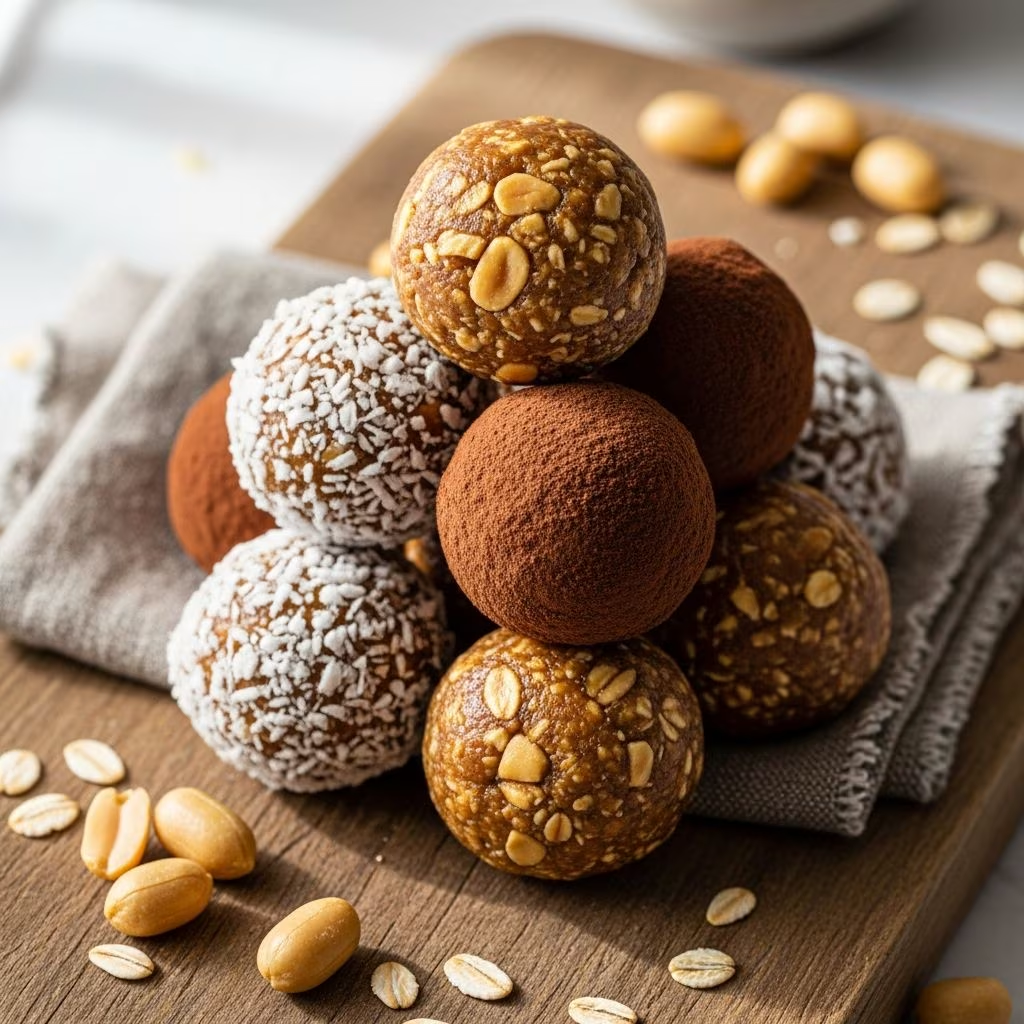
Whether you’re searching for a quick snack to power through your afternoon or need portable nutrition for your on-the-go lifestyle, peanut butter energy balls deliver on both fronts. These no-bake treats combine wholesome ingredients into bite-sized portions that satisfy cravings while providing sustained energy. Unlike processed snacks laden with artificial ingredients, homemade energy balls let you control exactly what goes into each piece, making them an ideal choice for health-conscious households and anyone seeking better nutrition without sacrificing taste.
Understanding the Appeal of Energy Balls
Energy balls represent a versatile snacking solution that bridges the gap between indulgence and nutrition. The appeal lies in their simplicity—minimal preparation time, straightforward ingredients, and no oven required. These compact snacks contain the perfect balance of protein, healthy fats, and complex carbohydrates that work together to stabilize blood sugar levels and prevent energy crashes. The peanut butter base provides both creamy texture and satisfying richness, while supplementary ingredients contribute additional nutritional benefits and flavor complexity.
The no-bake preparation method makes these treats exceptionally accessible for busy individuals, families managing hectic schedules, and anyone intimidated by traditional cooking methods. You can prepare a batch in under thirty minutes, including chilling time, and store the finished product for days. This convenience factor has made energy balls increasingly popular among fitness enthusiasts, office workers, and parents seeking wholesome snacks for their children.
Essential Ingredients That Build Your Foundation
Creating successful peanut butter energy balls begins with understanding the role each ingredient plays in the final product. The foundation starts with creamy peanut butter, which serves as the binding agent while delivering protein and healthy fats. The consistency of your peanut butter matters—allow it to reach room temperature before mixing, as this ensures smooth incorporation with other ingredients and prevents lumpy texture.
Rolled oats form the structural backbone of your energy balls, contributing fiber, complex carbohydrates, and that desirable chewy texture. Old-fashioned rolled oats work better than quick oats because they maintain better texture and hold the mixture together more effectively. For those managing gluten sensitivity, certified gluten-free rolled oats provide an excellent alternative without compromising results.
Natural sweeteners like honey, maple syrup, or agave nectar bind ingredients while adding subtle flavor and nutritional value. These liquid sweeteners distribute evenly throughout the mixture and help components adhere together during rolling. Ground flaxseed introduces additional fiber, omega-3 fatty acids, and a mild nutty undertone that complements peanut butter beautifully. Mini chocolate chips provide bursts of indulgence while adding familiar flavor that appeals to various palates.
Supporting ingredients like vanilla extract enhance overall flavor profile, while chia seeds contribute extra nutrients and help with binding. Coconut flakes add textural interest and subtle tropical notes when lightly toasted. Sea salt acts as a flavor amplifier, bringing out the natural richness of peanut butter without making the snacks taste salty.
| Ingredient | Primary Function | Nutritional Benefit |
|---|---|---|
| Creamy Peanut Butter | Binding agent, base flavor | Protein, healthy fats, vitamin E |
| Old-Fashioned Oats | Structure, texture | Fiber, complex carbs, beta-glucan |
| Honey or Maple Syrup | Sweetener, binder | Natural sugars, trace minerals |
| Ground Flaxseed | Binding, nutrition boost | Omega-3s, fiber, lignans |
| Mini Chocolate Chips | Flavor, indulgence | Antioxidants, mood enhancement |
| Vanilla Extract | Flavor enhancement | Aromatic compounds |
Step-by-Step Preparation Process
The beauty of making peanut butter energy balls lies in the straightforward methodology that requires minimal kitchen skills. Begin by gathering all ingredients and combining them in a medium-to-large mixing bowl. The order of addition matters slightly—start with your wet ingredients (peanut butter, sweetener, and vanilla extract) to create a cohesive base. Stir thoroughly until these components blend uniformly, eliminating any pockets of unmixed sweetener.
Next, incorporate your dry ingredients including oats, ground flaxseed, and any optional additions like chia seeds or coconut flakes. Mix everything together using a sturdy wooden spoon or your hands until the mixture reaches a consistent, dough-like consistency. The texture should hold together when pressed but remain slightly crumbly. If your mixture seems too dry and won’t hold together, add a touch more peanut butter or sweetener and stir again. Conversely, if the mixture feels overly sticky, incorporate a bit more oats until you achieve the desired texture.
Place your mixed bowl in the refrigerator for thirty minutes to one hour. This chilling period allows the oats to absorb moisture, making the mixture firmer and considerably easier to roll into uniform balls. The cooler temperature also helps chocolate chips maintain their shape rather than softening excessively.
Once chilled sufficiently, retrieve the bowl and begin rolling the mixture into individual balls. Using a cookie scoop creates uniformly-sized portions and reduces mess compared to free-forming by hand. If you notice the mixture becoming sticky during rolling, dampen your palms slightly with water—this prevents sticking while allowing you to achieve smooth, compact balls. Place completed balls on parchment paper or directly into your storage container.
Storage Solutions and Shelf Life Considerations
Proper storage significantly extends the enjoyment window for your homemade energy balls. At room temperature, these treats remain fresh for approximately three to five days when stored in an airtight container. Refrigeration extends this timeline considerably—your energy balls maintain excellent quality for up to two weeks when kept in a sealed container or bag in your refrigerator. The cooler temperature preserves texture and prevents chocolate chips from melting excessively.
For extended storage, freezing provides the optimal solution. Peanut butter energy balls freeze beautifully for up to three months when properly contained. Layer them in a freezer-safe container with parchment paper between layers to prevent sticking, or individually wrap each ball before placing them in a freezer bag. When you want to enjoy a frozen energy ball, simply thaw it for five to ten minutes at room temperature or eat it directly from the freezer for an extra-firm treat.
Customization Possibilities and Flavor Variations
While the classic peanut butter and chocolate combination satisfies most preferences, these energy balls welcome creative modifications. Consider substituting almond butter, sunflower seed butter, or tahini for those avoiding peanuts or seeking different flavor profiles. Each alternative brings unique nutritional properties and distinct taste experiences while maintaining the same basic structure.
Transform the sweetness profile by experimenting with dates, which provide natural sweetness along with fiber and minerals. Simply blend rehydrated Medjool dates with your wet ingredients for depth. Vanilla extract serves as your flavor template—branch out by adding cocoa powder for chocolate-forward variations, cinnamon and nutmeg for warming spices, or peppermint extract for refreshing holiday-inspired versions.
Textural enhancements expand possibilities considerably. Toast your coconut flakes before adding for deeper flavor development. Incorporate crispy cereal for added crunch, or try different add-ins like shredded carrots, pumpkin puree, or mashed banana. Drizzle finished energy balls with melted dark chocolate mixed with coconut oil for a professional-looking coating that adds richness without excessive fats.
Nutritional Advantages and Energy-Boosting Properties
These homemade snacks deliver concentrated nutrition in portable packages. The combination of protein from peanut butter and oats, complex carbohydrates, and healthy fats creates a sustained energy release that prevents the blood sugar spikes and crashes associated with refined sugars. This stabilized energy makes energy balls particularly valuable during afternoon slumps or before workout sessions.
Ground flaxseed contributes omega-3 fatty acids essential for heart health and brain function, while the fiber content supports digestive wellness and prolonged satiety. Oats contain beta-glucan, a soluble fiber associated with cholesterol management and stable blood glucose levels. The natural ingredients combine synergistically, offering far greater nutritional density than processed alternatives containing artificial preservatives and excessive added sugars.
For individuals following specific dietary approaches, energy balls adapt readily. Vegan preparations exclude honey in favor of maple syrup or agave, while maintaining complete nutritional profiles. Those managing gluten concerns benefit from certified gluten-free oat options. Individuals seeking additional protein can incorporate plant-based protein powder without fundamentally altering the recipe structure.
Practical Uses and Integration Into Daily Routines
Energy balls fit seamlessly into various lifestyle contexts. Pack them in lunch containers for sustained midday energy during work or school. Athletes appreciate having pre-portioned nutrition readily available for post-workout recovery. Parents discover these treats satisfy children’s sweet cravings while delivering genuine nutritional benefit. Weekend hikers appreciate the lightweight, non-perishable nutrition that provides consistent energy during outdoor activities.
Many people incorporate energy ball preparation into their weekly meal prep rituals, dedicating one afternoon to creating a batch that provides grab-and-go nutrition throughout the following week. This approach eliminates daily decision-making about snack choices while ensuring consistent access to wholesome food. The minimal preparation time—often less than fifteen minutes of active work—makes this an achievable task even for busy individuals.
Troubleshooting Common Challenges
While energy ball preparation remains straightforward, certain situations may arise. If your mixture seems too sticky during rolling, the primary culprit typically involves excessive sweetener or insufficient oats. Add more dry ingredients gradually until reaching rollable consistency. Conversely, mixture that crumbles excessively needs additional binding—incorporate more peanut butter or sweetener and stir thoroughly.
Temperature issues affect success rates significantly. If your kitchen runs particularly warm, extend chilling time to ensure adequate firmness before rolling. In cold environments, reduce initial chilling duration as the mixture firms faster. Should chocolate chips persist in softening excessively, use higher-quality chocolate chips with lower cocoa butter content, or chill your hands while rolling to minimize heat transfer.
Separation sometimes occurs if using natural peanut butter with separated oil layers. Simply stir the oil back into the peanut butter before incorporating other ingredients. This extra step ensures even fat distribution throughout your energy balls, preventing them from becoming too dry in certain areas.
Frequently Asked Questions
Can I make these without a food processor?
Absolutely. While a food processor streamlines combining ingredients, you can easily mix everything in a bowl using a wooden spoon or your hands. Simply combine wet ingredients first, then incorporate dry ingredients, stirring until uniformly mixed.
How long do these actually keep?
Properly stored in an airtight container, refrigerated energy balls remain fresh for approximately two weeks. Frozen balls maintain quality for up to three months. Room temperature storage extends for three to five days before quality declines.
Can I use quick oats instead of old-fashioned rolled oats?
While quick oats technically work, they absorb more moisture and create denser texture. Old-fashioned rolled oats maintain better structure and provide superior mouthfeel. If you only have quick oats available, use slightly less and monitor texture carefully.
What sweetener alternatives work best?
Honey, maple syrup, and agave nectar work interchangeably in roughly equal amounts. Medjool dates, blended into paste form, provide alternative sweetness. Coconut sugar or monk fruit sweetener offer options for those avoiding liquid sweeteners, though you’ll need to adjust ratios slightly.
Are these suitable for specific diets?
With simple substitutions, energy balls accommodate various dietary approaches. Vegan versions use maple syrup instead of honey. Gluten-free preparations require certified gluten-free oats. Those avoiding nuts can substitute seed butters like sunflower or tahini.
Why won’t mine hold together?
Insufficient binding typically causes separation. Add more peanut butter or sweetener, or incorporate additional ground flaxseed which naturally helps components adhere. Ensure adequate chilling time before rolling attempts.
Conclusion: Simple Nutrition in Bite-Sized Packages
Homemade peanut butter energy balls represent straightforward nutrition that transcends complicated cooking techniques or specialized equipment. These versatile snacks provide genuine sustenance while satisfying sweet cravings through wholesome ingredients. Whether you’re establishing better snacking habits, seeking portable nutrition for active lifestyles, or looking for creative kitchen projects, energy balls deliver on all fronts. The minimal time investment combined with substantial nutritional returns makes these treats an smart addition to any pantry or meal prep routine. Start with the classic combination, then explore variations that align with your preferences and dietary needs—your taste preferences and your body will appreciate the thoughtful nutrition inside each homemade ball.
References
- Nutrition and Health Benefits of Oats — Harvard School of Public Health. 2024. https://www.hsph.harvard.edu/nutritionsource/food-features/oats/
- Flaxseed and Health — National Center for Complementary and Integrative Health, National Institutes of Health. 2024. https://www.nccih.nih.gov/health/flaxseed-and-flaxseed-oil
- Peanuts and Peanut Butter: Health Effects and Research Summary — International Tree Nut Council Research and Education Foundation. 2023. https://www.treenuts.org/
- Fiber Intake and Digestive Health — Academy of Nutrition and Dietetics. 2024. https://www.eatright.org/
- Natural Sweeteners and Blood Sugar Response — American Diabetes Association. 2023. https://www.diabetes.org/