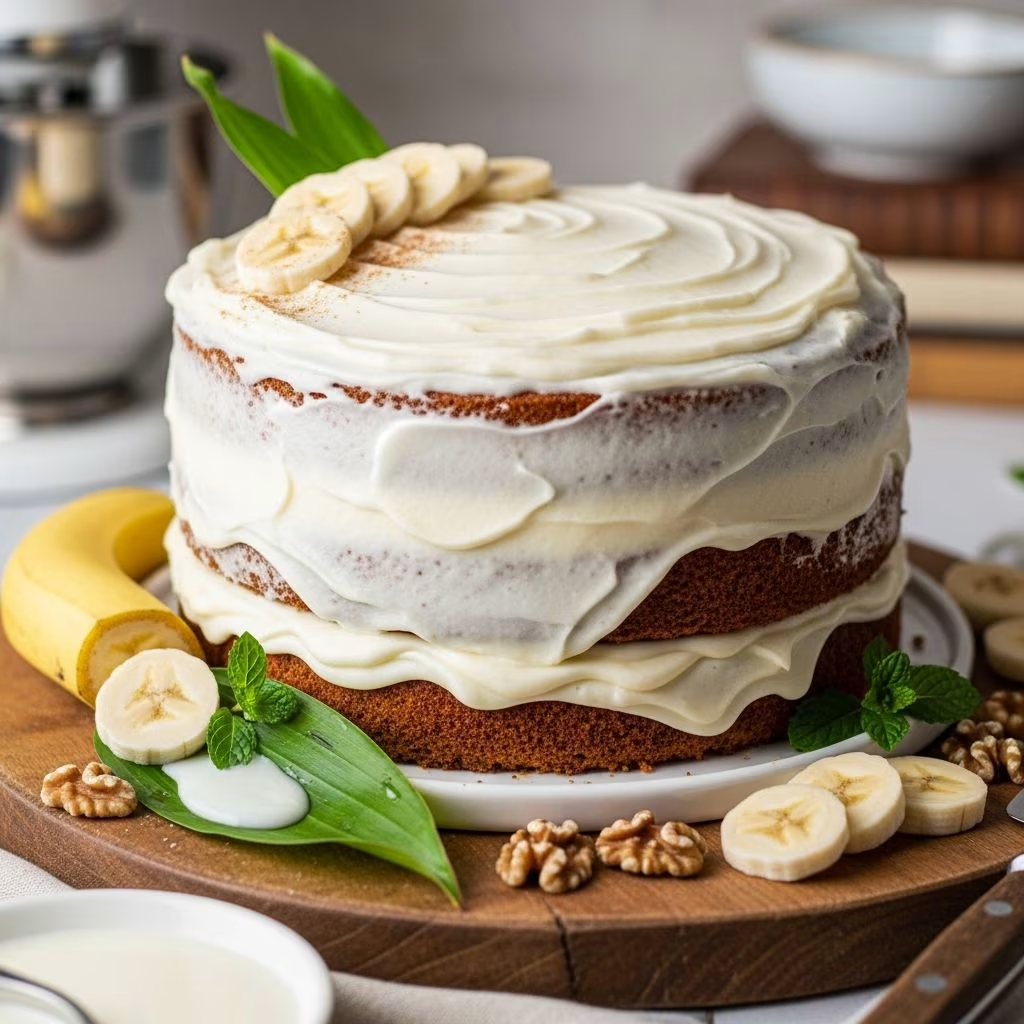
The combination of ripe bananas and tangy buttermilk creates a cake that is both moist and deeply flavorful. Unlike many banana cakes that can become dry or overly sweet, a buttermilk-based version maintains exceptional texture while delivering a balanced, sophisticated taste profile. This guide explores every aspect of creating this classic dessert, from selecting the right ingredients to troubleshooting common baking challenges.
Understanding the Role of Buttermilk in Cake Baking
Buttermilk serves multiple critical functions in cake chemistry that go far beyond simply adding liquid to the batter. The acidity in buttermilk reacts with baking soda to create lift and a tender crumb structure. This chemical reaction produces carbon dioxide bubbles that contribute to the cake’s light, airy texture. Additionally, the lactic acid in buttermilk breaks down flour proteins, preventing overdevelopment and resulting in a more delicate cake that is less prone to toughness.
The tangy flavor profile of buttermilk also complements the sweetness of bananas, creating a more nuanced and interesting taste. This subtle tang prevents the cake from becoming cloying and adds complexity to the overall flavor experience. The fat content in buttermilk contributes to moisture retention, ensuring the cake stays fresh and tender for several days after baking.
Selecting Premium Ingredients for Optimal Results
The Importance of Banana Ripeness
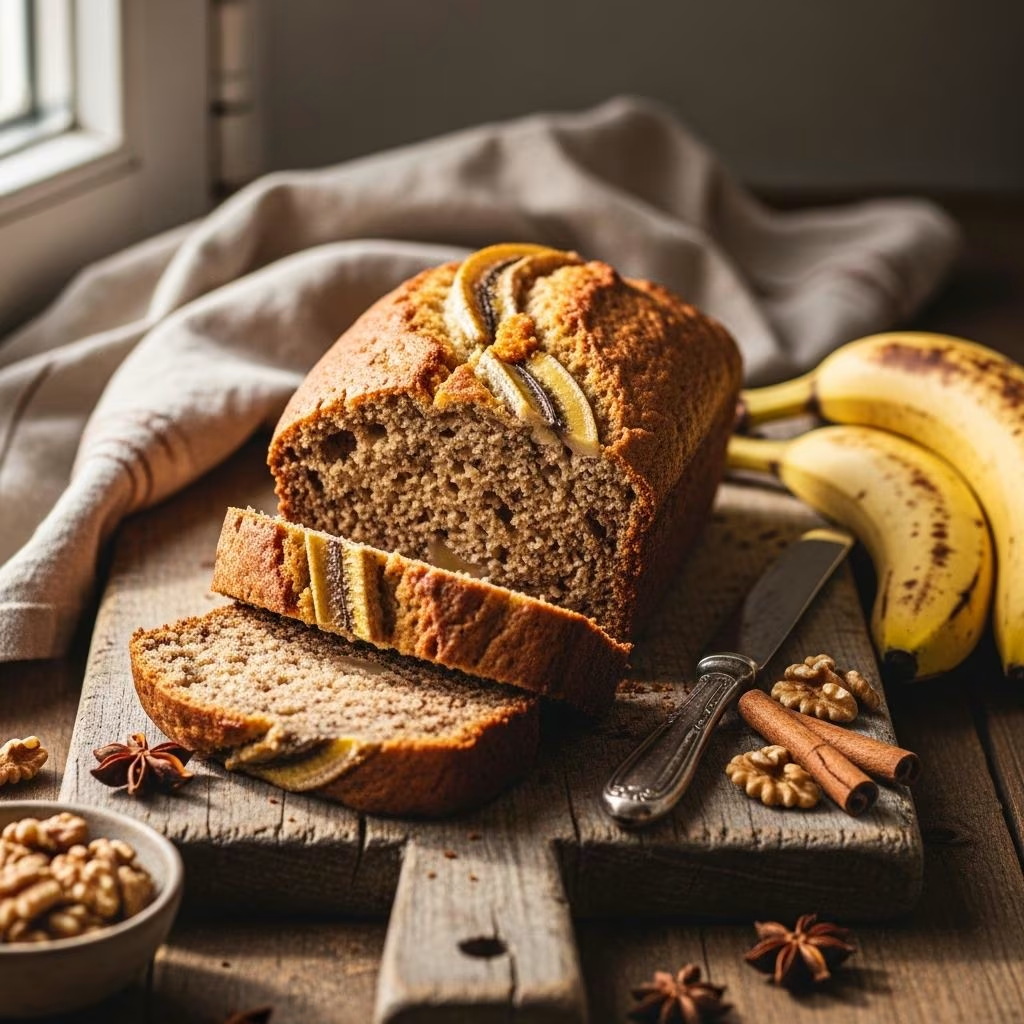
The maturity of your bananas directly influences the cake’s flavor intensity and moisture content. Very ripe bananas with brown speckles or predominantly brown skin contain higher concentrations of natural sugars and have softer flesh that mashes more easily. These bananas contribute stronger banana flavor and increased moisture to the batter. Using bananas that are underripe or still yellow will result in a less flavorful cake with a drier crumb. A general guideline suggests using approximately 2 to 2.5 cups of mashed banana, derived from 4 to 5 medium-sized ripe bananas.
Butter: Temperature and Quality Matter
Room-temperature butter is essential for proper creaming with sugar. Cold butter cannot incorporate air effectively, while melted or overly warm butter will not trap air pockets needed for leavening. Room-temperature butter should be soft enough to leave a slight impression when pressed but still maintain its shape. Unsalted butter provides better control over the final salt content of your cake.
Eggs and Their Function
Large eggs at room temperature integrate more smoothly into the batter and create better emulsification with the butter and sugar. Cold eggs can cause the batter to break or separate, resulting in a less uniform crumb structure. Eggs contribute moisture, richness, and structure to the cake while also helping to stabilize the batter and trap air.
Dry Ingredients: The Foundation of Structure
All-purpose flour provides the structural framework for the cake. The typical ratio calls for 2 to 2.5 cups of flour, which should be whisked together with other dry ingredients before incorporating into wet components. This pre-mixing ensures even distribution of leavening agents.
Baking powder and baking soda work in concert but serve different purposes. Baking soda requires an acidic component (the buttermilk) to activate and produce carbon dioxide immediately. Baking powder, which contains baking soda plus acidic compounds, provides additional lift both during mixing and during baking. A typical recipe uses approximately 0.5 teaspoon of baking soda and 2 to 2.5 teaspoons of baking powder.
Warm spices such as cinnamon and nutmeg enhance banana flavor without adding sweetness. These spices warm up the flavor profile and create a comforting, homey taste. Ground cardamom, used in some variations, adds an unexpected floral note that elevates the cake beyond standard recipes. Salt balances sweetness and enhances all other flavors.
The Creaming Method: Building Your Batter Foundation
The creaming process involves beating softened butter with sugar until the mixture becomes pale and fluffy, typically requiring 2 to 3 minutes of continuous beating with a stand mixer. This process incorporates air into the butter, creating tiny pockets that expand during baking to provide lift. The mixture should increase noticeably in volume and transform from a dense, glossy consistency to a lighter, almost mousse-like texture.
After achieving proper creaming, add eggs one at a time, mixing well between each addition. This gradual incorporation ensures proper emulsification. Adding all eggs at once can cause the batter to break or separate. The scraping of bowl sides between additions ensures even distribution and prevents unmixed ingredients from remaining at the bottom.
Incorporating Wet and Dry Components
The alternating method of adding flour mixture and buttermilk to the creamed butter and sugar prevents overdeveloping the gluten structure. Typically, this involves adding approximately half the flour mixture, then half the buttermilk, followed by the remaining flour mixture and buttermilk. This method ensures thorough incorporation while minimizing overmixing, which would result in a dense, tough crumb.
After each addition, mix only until ingredients are just incorporated. Overmixing at this stage activates gluten development, leading to a rubbery texture. The final step involves folding in the mashed banana gently, again mixing only until just combined to avoid developing excessive gluten.
Pan Preparation and Baking Temperature
Proper pan preparation prevents sticking and ensures even browning. A 9-inch round cake pan or 10-cup bundt pan, depending on your preference, should be buttered thoroughly and dusted with flour, or alternatively coated with a non-stick baking spray. This dual layer of protection prevents the cake from adhering to the pan sides.
Oven temperature of 350 degrees Fahrenheit (175 degrees Celsius) provides ideal conditions for even baking without excessive browning on the exterior before the interior cooks through. The baking time typically ranges from 50 to 60 minutes, depending on your specific oven and pan size. A bundt pan may require additional time due to its larger surface area.
The cake is done when a toothpick inserted into the center comes out clean or with only a few moist crumbs. The top should be golden brown and slightly puffed. Underbaking results in a gummy center, while overbaking produces a dry cake.
Glazes and Finishing Touches
A simple buttermilk glaze complements the cake without overwhelming its delicate flavor. This glaze combines sifted powdered sugar with the remaining buttermilk and vanilla extract. A pinch of ground cardamom or cinnamon can be added to echo the spices in the cake itself. The glaze should be poured over the cooled cake, allowing it to drip naturally down the sides.
Alternative glaze options include cream cheese frosting, which adds richness and tanginess, or a vanilla bean glaze infused with real vanilla beans for visual appeal and intense vanilla flavor. Some bakers prefer a simple dusting of powdered sugar for a more subtle finish.
Cooling and Storage Considerations
After removing the cake from the oven, allow it to cool in the pan for approximately 10 to 15 minutes. This brief cooling period allows the structure to set before inverting onto a wire rack for complete cooling. Complete cooling before glazing prevents the glaze from melting or sliding off the warm cake.
Once fully cooled and glazed, the cake can be stored covered at room temperature for 2 to 3 days. The buttermilk and mashed banana contribute moisture that keeps the cake tender throughout its storage life. For extended storage, wrap the cake tightly and refrigerate for up to 5 days. Freezing is also possible; wrap the unfrosted cake in plastic wrap and aluminum foil, then freeze for up to 3 months.
Troubleshooting Common Baking Issues
| Problem | Likely Cause | Solution |
|---|---|---|
| Dry crumb | Overbaking or insufficient buttermilk | Reduce baking time by 5 minutes; verify buttermilk quantity |
| Dense, heavy texture | Overmixing or insufficient leavening | Mix only until combined; check baking powder/soda expiration |
| Cake sinks in center | Underbaking or oven temperature too high | Verify temperature accuracy; use oven thermometer |
| Uneven browning | Hot spots in oven or improper rack position | Rotate pan halfway through; position in center of oven |
| Cake sticks to pan | Insufficient pan preparation | Use both butter and flour; ensure thorough coating |
Flavor Variations and Creative Adaptations
While the classic recipe stands on its own, several variations offer interesting twists. Brown butter adds a nutty complexity and deeper flavor dimension. This technique involves heating butter until the milk solids turn golden brown, infusing the cake with toasted notes.
Spice variations include adding extra cinnamon, nutmeg, or ground cardamom for those preferring warmer, more aromatic profiles. Some recipes incorporate ginger or allspice for an autumn-inspired version.
Streusel toppings combining brown sugar, butter, and flour create textural contrast. Chocolate chips folded into the batter appeal to those seeking richer, more indulgent versions.
Frequently Asked Questions
Can I substitute sour cream for buttermilk? Yes, combining 3/4 cup whole milk with 1/2 cup full-fat sour cream creates an adequate buttermilk substitute that replicates both the flavor and acidity needed for the chemical reactions in the cake.
What if I only have overripe bananas? Overripe bananas with predominantly brown skin are actually ideal for this cake as they contain maximum sugar and moisture. You may need to reduce liquid slightly if the bananas are particularly wet.
How do I know if my baking powder is still active? Test by mixing a small amount with water. If it fizzes vigorously, the baking powder is active. Expired baking powder results in cakes that don’t rise properly.
Can this cake be made in advance? Yes, the cake (without glaze) can be baked a day ahead. Wrap it well and store at room temperature. Glazing can be done just before serving.
Why is my cake gummy in the center? The cake likely needs additional baking time. Use an oven thermometer to verify your oven temperature, as ovens often run inaccurately.
References
- Buttermilk Banana Cake — Kevin Is Cooking. Accessed April 2026. https://keviniscooking.com/buttermilk-banana-cake/
- Buttermilk Banana Cake with Cream Cheese Glaze — Cook What You Love. Accessed April 2026. https://cookwhatyoulove.com/buttermilk-banana-cake-recipe/
- Everyday Banana Cake — Buttermilk by Sam. Accessed April 2026. https://buttermilkbysam.com/everyday-banana-cake/