The Mississippi Mud Cake stands as one of the most iconic desserts in American culinary tradition, celebrated for its indulgent layers and straightforward preparation. This chocolate lover’s fantasy combines the richness of a dense cake base with the textural contrast of melted marshmallows and velvety chocolate topping. Whether you’re planning a family gathering or seeking an impressive dessert for entertaining, understanding the nuances of this classic recipe ensures consistent, delicious results.
Understanding the Appeal and History of Mud Cake Desserts
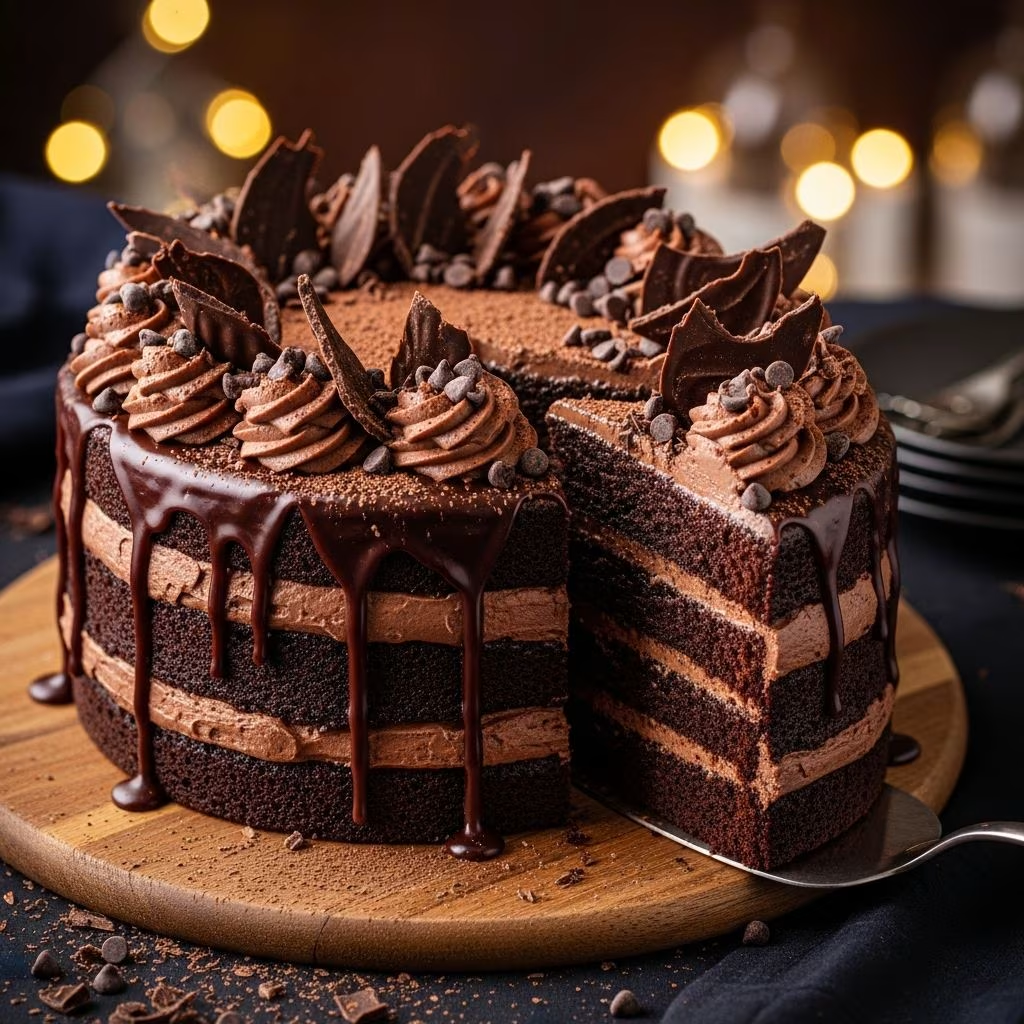
The name “Mississippi Mud Cake” derives from its visual resemblance to the sediment found along the Mississippi River, with distinct layers of varying textures and colors creating an aesthetically distinctive dessert. This cake bridges the gap between traditional baked goods and indulgent treats, offering the substance of a proper cake with the gooey, comforting qualities of brownies and candy. The combination has made it a staple at gatherings across the American South and beyond, where it’s recognized for delivering maximum chocolate satisfaction with minimal complexity.
The dessert’s appeal lies in its democratic simplicity—it requires no special equipment, advanced techniques, or hard-to-find ingredients, yet produces results that appear far more sophisticated than the effort required.
Essential Ingredients for Building Your Cake Foundation
Creating an authentic Mississippi Mud Cake begins with gathering quality ingredients that work in harmony. The foundation relies on fundamental baking staples combined in proportions that yield a tender yet substantial crumb structure.
The Dry Component Mixture
All-purpose flour forms the structural backbone, typically measured at two cups for a standard 9×13-inch pan. Cocoa powder—unsweetened variety—contributes the deep chocolate flavor that defines this dessert, generally requiring three-quarters to one-half cup depending on your preference for chocolate intensity. Leavening agents including baking powder and baking soda work together to create lift and moisture, while granulated sugar and brown sugar combine to provide sweetness and textural elements. A modest amount of salt enhances all other flavors without becoming noticeable itself.
The Wet Ingredient Assembly
Eggs serve as binders and emulsifiers, typically four large eggs beaten until well incorporated. Neutral-flavored oil or melted butter adds moisture and richness to the final texture. Sour cream and whole milk create a tender crumb by interacting with the leavening agents, while vanilla extract provides aromatic complexity. The addition of boiling water to the batter may seem counterintuitive, but this technique intensifies chocolate flavor and creates a more luxurious, moist interior.
The Marshmallow and Frosting Elements
Miniature marshmallows, added directly to the hot cake after baking, soften and create pockets of sweetness throughout the upper layers. For frosting, butter, cocoa powder, milk, and powdered sugar combine into a smooth, pourable consistency that adheres to the marshmallow layer without overwhelming the palate.
Mastering the Baking Process: Step-by-Step Instructions
Preparation and Oven Setup
Begin by preheating your oven to 350 degrees Fahrenheit, allowing adequate time for consistent temperature throughout the baking cavity. Lightly grease a 9×13-inch baking pan with butter or cooking spray, ensuring complete coverage of all corners and edges. This prevents sticking while allowing the cake edges to release cleanly once cooled.
Combining Dry Ingredients
In a large mixing bowl, whisk together all dry components—flour, cocoa powder, baking powder, baking soda, granulated sugar, brown sugar, and salt. This preliminary mixing distributes leavening agents evenly and prevents concentrated pockets of baking soda or powder that could create unpleasant flavors or textures. Whisking rather than stirring incorporates air, promoting better rise during baking.
Integrating Wet Ingredients
In a separate bowl, combine oil, eggs, vanilla extract, sour cream, and milk using an electric mixer. Beat until thoroughly combined and slightly thickened, typically one to two minutes. Avoid excessive mixing at this stage, as overdeveloping gluten creates a dense, tough crumb structure. Carefully reduce mixer speed and add boiling water in a thin stream while mixing on low speed. This step requires attention to prevent splashing. Once water is incorporated, increase speed to high and beat for approximately one minute, which aerates the batter and fully activates leavening agents.
Combining and Baking
Pour the wet mixture into the dry ingredients and mix on medium speed until just combined, approximately 30 to 45 seconds. Transfer batter to the prepared pan and smooth the top. Bake for 28 to 33 minutes, until a toothpick inserted in the center emerges with moist crumbs but not wet batter. The cake should spring back slightly when lightly pressed.
The Marshmallow Application
Remove the cake from the oven while still hot. Immediately distribute miniature marshmallows evenly across the entire surface, covering all visible cake. Return to the oven for two to three minutes until marshmallows puff and slightly color at the edges. Remove and allow the cake to cool completely before applying frosting, as premature frosting application will cause it to melt into the marshmallows.
Crafting the Perfect Chocolate Frosting Topping
While the cake cools, prepare the frosting that creates the final, most visually striking layer. Melt one stick of butter in a small saucepan over medium-high heat. Add cocoa powder and milk, whisking constantly for two to three minutes until fully incorporated and smooth. Remove from heat and stir in vanilla extract and powdered sugar, mixing thoroughly until a pourable consistency forms. Using an electric mixer creates a smoother, more uniform frosting by incorporating air and breaking down any lumps.
The frosting should flow freely but hold its shape slightly. If too thick, add milk one teaspoon at a time. If too thin, incorporate additional powdered sugar gradually. Pour the frosting over the cooled cake with marshmallows, allowing it to drip naturally down the sides for an elegant presentation.
Baking Techniques and Professional Tips for Superior Results
Temperature Considerations
Using room-temperature eggs and sour cream allows for better emulsification and creates a more uniform batter. Room-temperature ingredients mix more readily with other components, distributing flavors and leavening agents evenly. Conversely, boiling water should be genuinely boiling when added, as this temperature is crucial for properly activating baking soda and intensifying chocolate flavor through chemical reactions.
Avoiding Common Mistakes
Overmixing batter after combining wet and dry ingredients develops gluten excessively, resulting in a dense, tough cake. Mix only until ingredients are no longer visibly separate. Testing for doneness with a toothpick prevents both underbaking and overbaking—the ideal texture shows moist crumbs rather than wet batter. Overbaked cakes become dry and crumbly, while underbaked versions fail to set properly.
Enhancing Flavor and Texture
Sifting dry ingredients promotes even distribution of cocoa powder, which can clump when simply stirred. Adding cocoa directly to melted butter before combining other ingredients creates a more uniform chocolate flavor throughout the cake. Some bakers include optional nuts—pecans or walnuts—toasted for enhanced flavor. Approximately one and one-half cups of toasted nuts can be mixed into the batter for added texture and richness.
Customization Options and Variations
The basic Mississippi Mud Cake formula adapts readily to personal preferences and ingredient availability. Toasted pecans or walnuts stirred into the batter before baking add crunch and deeper flavor. Some variations incorporate shredded coconut either in the cake or sprinkled over marshmallows before frosting. Substitute all or part of the sour cream with Greek yogurt for a tangier flavor profile and slightly different texture. Almond extract can replace vanilla for a more nuanced aromatic element. For those with dietary preferences, gluten-free all-purpose flour blends work effectively if combined with a small amount of xanthan gum.
Storage and Make-Ahead Strategies
Properly stored Mississippi Mud Cake maintains quality for three to four days at room temperature, covered with plastic wrap or stored in an airtight container. The combination of frosting and marshmallows actually improves flavor as they meld overnight. For extended storage, refrigerate for up to one week, bringing to room temperature before serving. The cake can also be frozen before adding marshmallows and frosting—wrap the baked, cooled cake tightly in plastic wrap and aluminum foil, then freeze for up to three months. Thaw completely before proceeding with marshmallow and frosting applications.
Serving Suggestions and Pairing Ideas
Mississippi Mud Cake pairs exceptionally well with simple accompaniments that don’t compete with its rich chocolate flavor. Vanilla ice cream provides cooling contrast and textural variety. Whipped cream offers an airy balance to the dense cake. A glass of cold milk serves as the classic pairing, while coffee or hot chocolate complement the chocolate intensity. For elegant presentations, serve smaller portions with fresh berries or a dusting of cocoa powder.
Frequently Asked Questions About Mississippi Mud Cake
Can I make this cake in a different size pan?
Yes, though baking time will require adjustment. For two 9-inch round pans, reduce individual bake time to 20-25 minutes. For a 9-inch springform pan, expect approximately 35-40 minutes. Adjust marshmallow application time accordingly—the goal is puffing, not browning.
What causes my cake to sink in the middle?
This typically results from opening the oven door too early or inconsistent oven temperature. Ensure your oven has reached full temperature before inserting the cake, and avoid opening the door until at least 25 minutes have elapsed.
Can I reduce the sugar content?
You can reduce granulated sugar slightly, but reducing sugar below two cups total affects texture and browning. Sour cream and cocoa powder contribute additional subtle sweetness.
Is it necessary to use boiling water?
Yes, boiling water serves important functions beyond just liquid. It properly activates baking soda, intensifies chocolate flavor through chemical reactions, and creates a more tender, moist crumb structure.
How do I prevent marshmallows from burning?
Watch carefully during the 2-3 minute return to the oven. Marshmallows should puff noticeably and develop light brown color at edges, but shouldn’t darken significantly. Oven temperatures vary, so 2 minutes might suffice in hotter ovens while others need the full 3 minutes.
References
- The Science of Baking: How Ingredients Work Together — Culinary Institute of America. 2023. https://www.ciachef.edu
- Understanding Leavening Agents in Baking — U.S. Department of Agriculture Food Safety and Inspection Service. 2024. https://www.fsis.usda.gov
- Cocoa Powder and Chocolate Flavor Development — International Organization for Standardization. 2023. https://www.iso.org