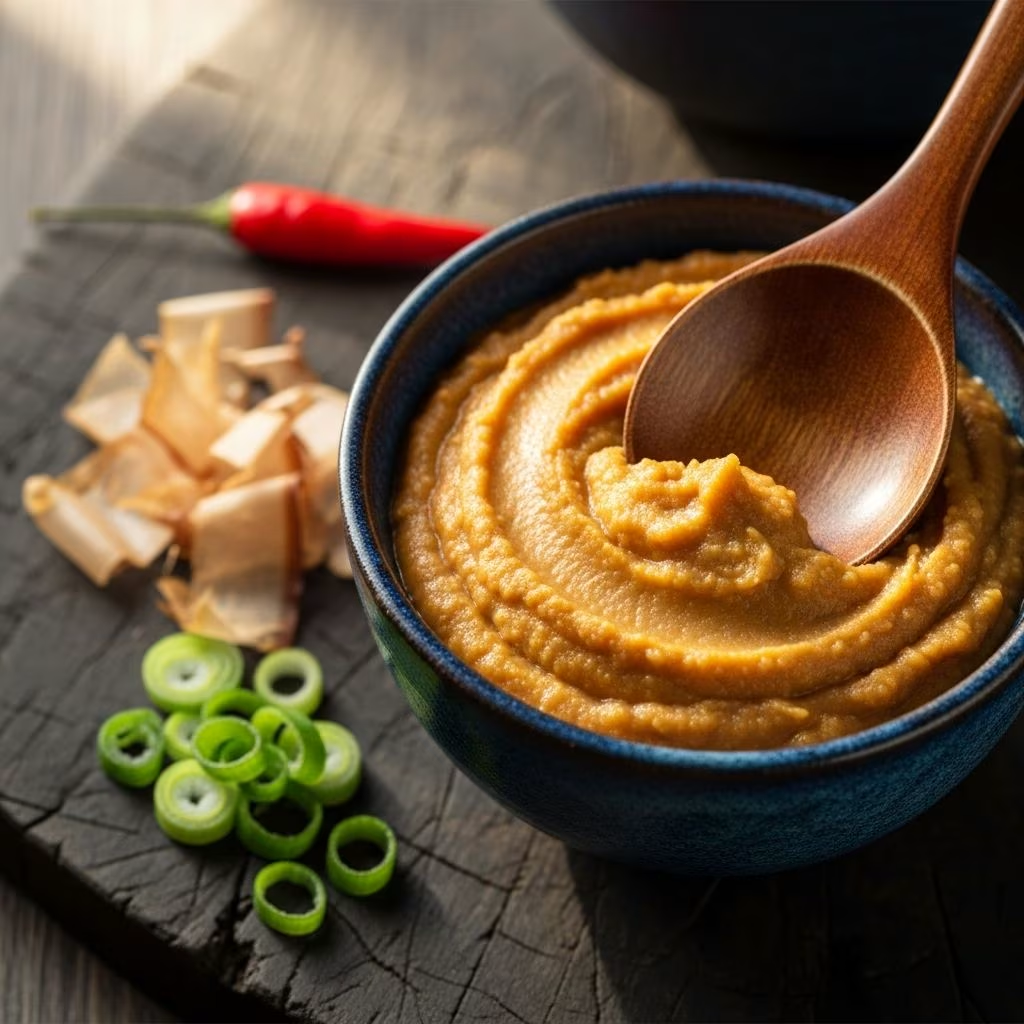
Miso paste stands as a cornerstone of Japanese cuisine, delivering profound umami flavors that transform simple dishes into gourmet experiences. This fermented soybean product offers versatility across soups, marinades, dressings, and even desserts, making it a must-have in modern kitchens worldwide.
Understanding the Essence of Miso Paste
At its core, miso paste results from fermenting soybeans with salt and a grain like rice or barley, often involving koji mold for that signature depth. This process can span months to years, yielding a thick, savory paste packed with probiotics and nutrients. Its umami profile—often called the fifth taste—enhances everything from broths to glazes without overpowering other ingredients.
Health enthusiasts appreciate miso’s fermented nature, which supports gut health through beneficial bacteria. It’s naturally rich in protein, antioxidants, and essential minerals, positioning it as a superfood staple rather than just a condiment.
Navigating Miso Varieties for Every Palate
Miso comes in several types, each defined by fermentation length, grain base, and color, influencing flavor intensity:
- White Miso (Shiro Miso): Mild and sweet, with shorter fermentation. Ideal for delicate dishes like soups or dressings.
- Yellow Miso (Shinshu Miso): Balanced mildness from rice fermentation, versatile for everyday use.
- Red Miso (Aka Miso): Robust and salty from longer aging, perfect for hearty stews.
- Barley Miso (Mugi Miso): Earthy notes from barley, great for marinades.
- Mixed Miso (Awase Miso): A blend offering all-purpose savoriness.
Choose based on your recipe: lighter misos for subtle enhancement, darker for bold statements.
Finding and Selecting Quality Miso
Look for miso in the refrigerated section of supermarkets near tofu or international aisles. Asian markets offer wider selections, including organic and artisanal options. Online retailers provide convenience with various brands.
When buying, prioritize unpasteurized miso for live cultures and maximum flavor—check labels for ‘raw’ or ‘live.’ Avoid sweetened varieties unless specified, as they suit specific sweet-salty balances. Tub sizes range from small (for novices) to large (for frequent cooks), with costs typically $5–15 depending on quality.
Storage Strategies to Preserve Flavor
Miso’s fermentation makes it resilient, lasting up to a year in the fridge once opened. Keep it in its original tub, pressed to minimize air exposure, or transfer to an airtight glass container. Freezing in ice cube trays allows portioned use—thaw as needed.
Unopened miso stores in a cool, dark pantry for months. Always taste before use; a fresh batch smells earthy and nutty, not rancid.
Fundamental Techniques for Cooking with Miso
Incorporate miso thoughtfully to preserve its living enzymes and nuanced taste:
- Dissolve in a small amount of warm liquid first to avoid clumps.
- Never boil, as heat kills probiotics and dulls flavor—add at the end of cooking.
- For smooth textures in soups, strain through a fine mesh after whisking.
- Balance with acids like vinegar or citrus to brighten its richness.
These steps ensure miso shines without dominating.
Classic Miso Soup: A Timeless Starter
Miso soup embodies simplicity and depth. Start with dashi stock (from kombu and bonito flakes), then whisk in miso off-heat. Add tofu cubes, wakame seaweed, and scallions for texture and freshness.
Quick Recipe (Serves 2):
- 2 cups dashi
- 1.5 tbsp white miso
- 1/2 cup diced silken tofu
- 1 tbsp rehydrated wakame
- Chopped green onions
Heat dashi to simmer, dissolve miso separately, combine, and garnish. Ready in 10 minutes.
Creative Miso Marinades for Proteins
Miso excels in marinades, tenderizing meats and fish while infusing umami. Mix with mirin, sake, and ginger for salmon or pork.
Air Fryer Miso Salmon (Serves 2):
- 2 salmon fillets (5–7 oz each)
- 1.5 tbsp white miso
- 1 tbsp mirin or honey
- 1 tbsp soy sauce
- 0.5 tbsp dashi powder
Coat salmon, marinate 30 minutes, air fry at 400°F for 10–12 minutes. Crispy skin, juicy flesh.
Miso-Infused Sides and Vegetables
Elevate veggies with miso glazes or butters. Roast potatoes with miso-butter for caramelized edges.
Miso Butter Potatoes (Serves 4):
- 2.5 lb baby potatoes
- 7 tbsp melted butter
- 2 tbsp miso
- 3 grated garlic cloves
- Black pepper, salt, garnishes
Boil potatoes, toss in mixture, roast at 425°F for 20 minutes.
Try niku-miso: ground pork, eggplant, miso, sugar, sake simmered into a topping for rice.
Pasta and Noodles: Fusion Delights
Miso reimagines Western dishes. Creamy mushroom pasta uses miso for depth sans cream overload.
Umami Miso Mushroom Pasta (Serves 4):
- 12 oz pasta
- 3 cups sliced shiitake or cremini
- 3 tbsp butter
- 1.5 tbsp miso
- 1.5 tbsp soy, 2 tsp garlic, dashi
Sauté mushrooms, deglaze with soy-dashi, stir in miso and pasta.
Bacon miso udon: egg yolks, parmesan, miso sauce over udon with crispy bacon—20-minute comfort food.
Sweet and Unexpected Miso Applications
Miso’s sweetness shines in desserts or cookies, balancing saltiness. Blend into caramel for ice cream or brownies for chewiness.
In ramen, stir into ground meat with doubanjiang for spicy, creamy broths.
Troubleshooting Common Miso Mishaps
| Issue | Cause | Solution |
|---|---|---|
| Grainy texture | Not dissolved properly | Whisk in warm stock first |
| Too salty | Overuse | Dilute with more liquid; start small |
| Lost flavor | Boiled | Add post-cooking next time |
| Short shelf life | Air exposure | Seal tightly, refrigerate |
Health Benefits and Nutritional Profile
Miso aids digestion via probiotics, provides plant-based protein (about 12g per 100g), and antioxidants from fermentation. Low in calories but nutrient-dense, it’s suitable for vegan diets (check for non-fish labels).
FAQs
What is the best miso for beginners?
White miso offers mild flavor, easing newcomers into umami without overwhelming saltiness.
Can I use miso in vegan recipes?
Yes, opt for soy-only varieties; pair with vegetable dashi for plant-based soups.
How long does opened miso last?
Up to 12 months refrigerated; freeze for longer preservation.
Is miso gluten-free?
Barley miso contains gluten; choose rice or soy-based options.
Can miso replace salt?
Partially—its umami reduces salt needs by 25–50% in many recipes.
References
- What is miso and how do I use it? — Marion’s Kitchen. 2023. https://www.marionskitchen.com/article/what-is-miso-and-how-do-i-use-it/
- Beginner Friendly Recipes You Can Make With Miso Paste — Tiffy Cooks. 2023. https://tiffycooks.com/beginner-friendly-recipes-with-miso-paste/
- 5 Rules For Cooking With Miso Paste — Miso Tasty. 2022. https://misotasty.com/blog/5-rules-for-cooking-with-miso-paste
- How to make 4 Side dishes with Miso paste — Taiji’s Kitchen (YouTube). 2022-10-15. https://www.youtube.com/watch?v=Gu0oLcGIbJc
- 5 BEST ways to use Miso — YouTube Channel. 2023. https://www.youtube.com/watch?v=AJN0Q1TGOBE