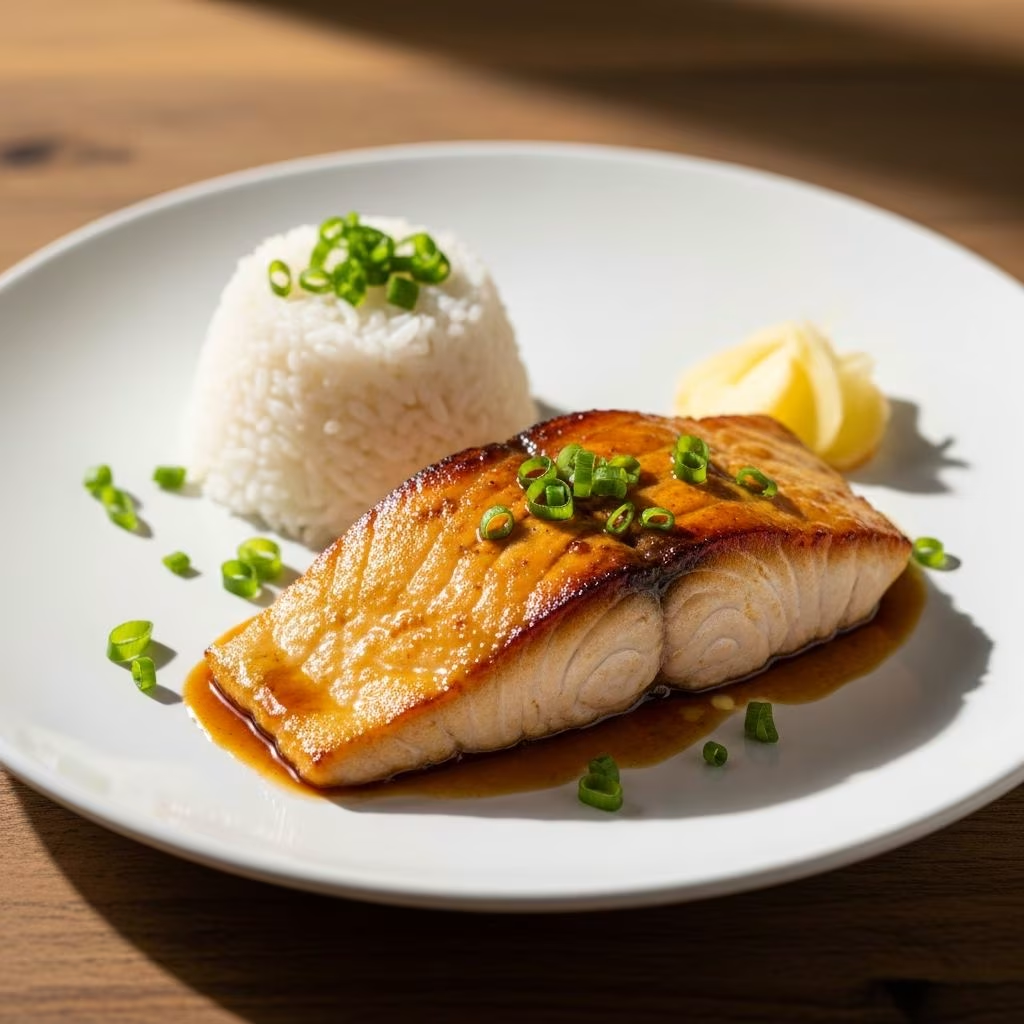
Chilean sea bass, with its buttery texture and mild flavor, becomes an extraordinary dish when coated in a glossy miso glaze. This recipe draws from Japanese culinary traditions, blending salty miso, sweet mirin, and savory soy sauce to create a marinade that penetrates the fish, resulting in tender, caramelized fillets. Ideal for both beginners and seasoned cooks, this preparation requires minimal ingredients and effort but delivers restaurant-level results.
Why Choose Chilean Sea Bass for Miso Glazing?
Chilean sea bass, also known as Patagonian toothfish, stands out for its high fat content, which keeps it moist during high-heat cooking like broiling or baking. This richness pairs seamlessly with the bold umami of miso paste, balancing the fish’s delicacy with deep, fermented notes. Unlike leaner fish, it holds up well to marinades without falling apart, making it perfect for this glaze.
- Rich, buttery mouthfeel: Naturally high in omega-3s, it melts in your mouth.
- Versatile cooking: Thrives under broiler, oven, or even grill.
- Sustainable sourcing: Look for responsibly caught fillets from certified fisheries.
Fresh or thawed frozen works best; pat dry thoroughly before marinating to ensure the glaze adheres properly.
Essential Ingredients for Authentic Flavor
The magic lies in a handful of pantry staples that harmonize sweet, salty, and savory elements. Here’s what you’ll need for four servings:
| Ingredient | Quantity | Purpose |
|---|---|---|
| Chilean sea bass fillets (skin-on, 6-8 oz each) | 4 | Main protein, provides buttery base |
| White miso paste | 1/4 cup | Umami backbone, mild sweetness |
| Soy sauce (low-sodium) | 2 tbsp | Saltiness and depth |
| Mirin (sweet rice wine) | 2 tbsp | Sweetness and gloss |
| Sake | 2 tbsp | Tenderizes and adds subtle acidity |
| Brown sugar | 1.5 tbsp | Caramelization promoter |
| Sesame oil (optional) | 1 tbsp | Nutty aroma |
| Fresh ginger, grated | 1 tsp | Fresh zing |
White miso offers a gentler profile than red, allowing the fish to shine, but red works for bolder taste. Substitutions like rice vinegar for mirin maintain balance if needed.
Step-by-Step Preparation Guide
Preparation takes under 30 minutes, plus marinating time. Plan ahead for best results.
- Prepare the marinade: In a small saucepan, combine mirin and sake. Bring to a simmer over medium heat for 1-2 minutes to cook off alcohol. Whisk in miso paste, soy sauce, brown sugar, and ginger until smooth. Cool completely to avoid “cooking” the fish.
- Marinate the fish: Pat fillets dry. Reserve 2 tbsp marinade for basting. Coat fish thoroughly in the rest, using a zip-top bag or shallow dish. Refrigerate 1-24 hours; 4-6 hours yields optimal flavor without overpowering.
- Preheat cooking surface: For broiling, set oven to high broil. For baking, 400°F. Line a baking sheet with foil and place a wire rack on top for even heat circulation.
- Cook to perfection: Wipe excess marinade from fillets to prevent burning. Broil 6-8 inches from heat for 8-12 minutes, until glaze bubbles and caramelizes. Internal temp should hit 130°F. Rest 3 minutes.
- Serve immediately: Drizzle with reserved marinade, garnish with sesame seeds, scallions, and chili flakes.
Pro tip: Turn fillets halfway if broiling for even charring.
Mastering the Perfect Glaze and Texture
The hallmark of this dish is the glossy, lacquered surface from sugars caramelizing under heat. Miso’s proteins brown beautifully, creating a crisp exterior over flaky interior. Common pitfalls include over-marinating (leads to mushiness) or high marinade during cooking (bitter char). Always pat off excess and monitor closely in the final minutes.
For smoky depth, grill over medium-high heat 4-5 minutes per side. Oven roasting at 375°F for 15-18 minutes suits thicker cuts.
Health Benefits and Nutritional Profile
This dish packs nutrition: one 6-oz fillet delivers 250 calories, 35g protein, and 12g healthy fats, including anti-inflammatory omega-3s. Miso adds probiotics for gut health, while mirin and sake contribute trace antioxidants. Low-carb friendly, it’s suitable for keto or paleo diets when sugar is minimized.
- Heart-healthy fats: Supports cardiovascular function.
- High protein: Aids muscle repair.
- Low calorie density: Satisfying without excess.
Creative Serving Ideas and Pairings
Elevate beyond basic plating:
- Serve over steamed jasmine rice with stir-fried bok choy and mushrooms.
- Pair with crisp cucumber salad dressed in rice vinegar and sesame.
- Deconstruct for poke bowls: Flake fish over greens, avocado, and edamame.
- Appetizer style: Cube and skewer for yakitori-inspired bites.
Wine pairing: Crisp Sauvignon Blanc or chilled Sake cuts richness. For beer, light Japanese lager.
Storage, Freezing, and Make-Ahead Tips
Leftovers keep in airtight container up to 2 days in fridge; reheat gently in 300°F oven to preserve texture. Freeze uncooked marinated fillets up to 1 month; thaw overnight before cooking. Prepared glaze stores 1 week refrigerated.
Common Mistakes and Troubleshooting
| Issue | Cause | Solution |
|---|---|---|
| Fish too salty | Excess soy/miso | Dilute marinade with water or mirin |
| Burnt exterior | Too much sugar glaze | Wipe off excess; lower broil temp |
| Dry texture | Overcooked | Use thermometer; rest post-cook |
| Lumpy marinade | Miso grains | Strain through sieve |
Frequently Asked Questions (FAQs)
Can I use frozen Chilean sea bass?
Yes, thaw fully in fridge, rinse, and pat dry. It’s often sold frozen and performs excellently.
What’s the difference between white and red miso?
White is milder and sweeter; red is stronger and saltier. Start with white for fish.
How long can I marinate the fish?
1-24 hours ideal; longer risks texture breakdown from enzymes.
Is this recipe gluten-free?
Use tamari instead of soy sauce and ensure miso is gluten-free.
Can I substitute another fish?
Black cod or salmon work well due to similar fat content.
Variations for Every Palate
Spice it up: Add gochujang for Korean twist. Vegan option: Swap fish for firm tofu or eggplant. Citrus boost: Zest of yuzu or lemon in marinade.
Scaling up for crowds? Double marinade and marinate in batches. This versatile recipe adapts seamlessly.
References
- Succulent Miso Glazed Chilean Sea Bass — Two Purple Figs. 2023-05-15. https://www.twopurplefigs.com/miso-sea-bass/
- Miso Marinated Chilean Sea Bass — Recteq. 2024-02-10. https://www.recteq.com/recipes/seafood/miso-marinated-chilean-sea-bass
- Miso Glazed Chilean Sea Bass (Baked) — Cooked by Julie. 2023-11-20. https://www.cookedbyjulie.com/miso-glazed-chilean-sea-bass/
- Japanese Miso Glazed Sea Bass — The Seasoned Wok. 2024-01-05. https://www.theseasonedwok.com/miso-glazed-sea-bass/
- Miso Glazed Chilean Sea Bass — North Coast Seafoods. 2023-08-12. https://www.northcoastseafoods.com/blogs/recipes/miso-glazed-chilean-sea-bass