Introduction to Fig Jam Artistry
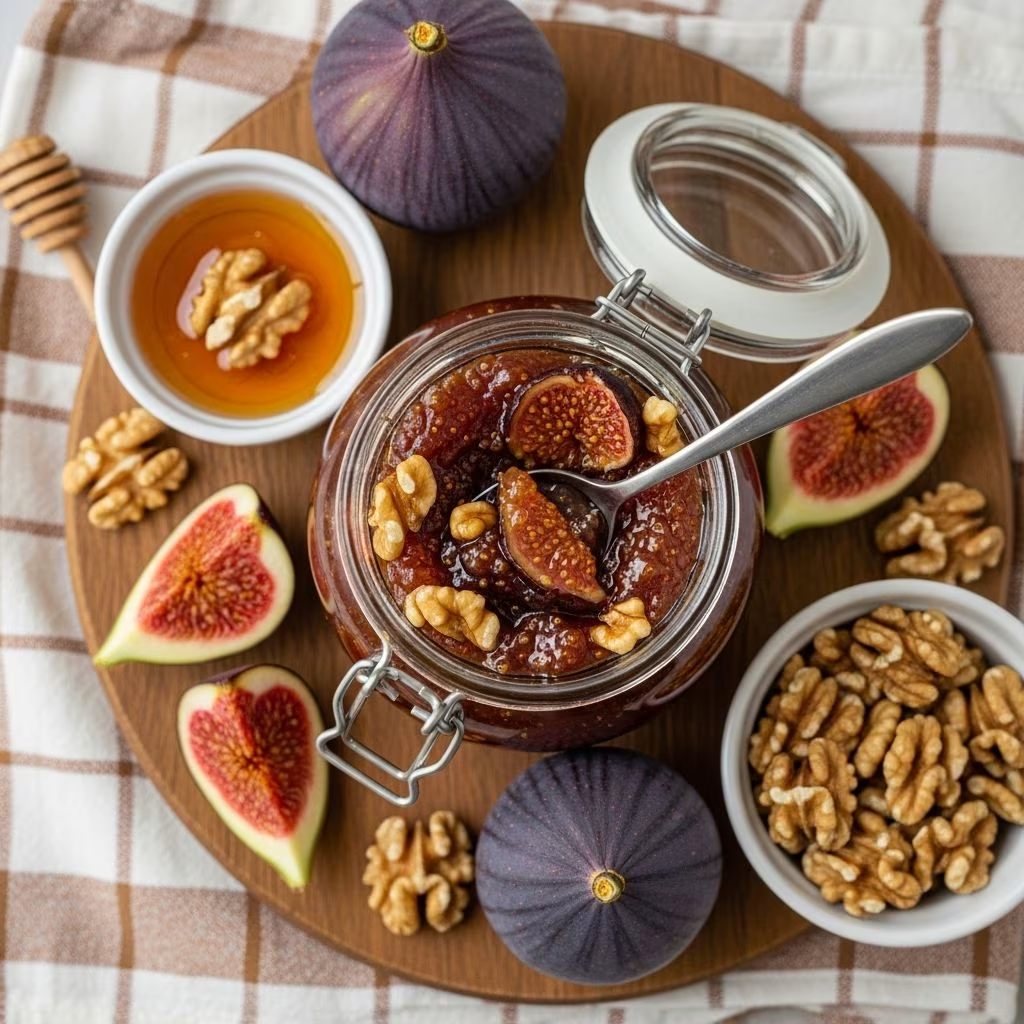
Creating fig and honey jam with walnuts represents one of the most satisfying culinary endeavors for home cooks seeking to elevate their pantry offerings. This traditional preserve combines the natural sweetness of ripe figs with the floral notes of quality honey and the textural contrast provided by toasted walnuts. Unlike mass-produced versions found in supermarket shelves, homemade fig jam delivers superior flavor complexity, allowing you to control ingredient quality and customize sweetness levels according to your preferences. The process itself remains remarkably accessible, requiring only basic kitchen equipment and straightforward techniques that even novice preservers can master.
Understanding Your Key Ingredients
The foundation of exceptional fig jam begins with understanding each component’s role in the final product. Fresh figs, the primary ingredient, contribute natural pectin and sugars essential for proper jam consistency. Black Mission and Brown Turkey varieties offer particularly robust flavor profiles, though other cultivars work equally well. Honey serves dual purposes—it provides natural sweetness while contributing enzymatic properties that enhance preservation and develop deeper flavor notes over time.
Walnuts introduce textural interest and nutritional benefits, offering omega-3 fatty acids and earthy undertones that complement fig’s delicate sweetness. Lemon juice acts as both a flavor enhancer and a natural preservative, its acidity preventing crystallization and prolonging shelf life. Secondary ingredients like cinnamon, vanilla extract, and salt function as flavor amplifiers, each adding subtle complexity that distinguishes homemade versions from commercial alternatives.
Selecting Premium Quality Figs
- Choose ripe figs with deep coloring and slight softness when gently pressed
- Avoid overripe specimens that may contain fermentation or mold
- Fresh figs yield approximately 3 to 3.5 cups when chopped from one pound of whole fruit
- If fresh figs are unavailable, dried varieties can be rehydrated and used effectively
- Purchase figs during peak season for optimal flavor and cost efficiency
Essential Equipment and Preparation
Successful jam-making requires specific equipment that ensures even heat distribution and proper consistency development. A heavy-bottomed stainless steel saucepan with wide surface area accelerates evaporation and reduces cooking time significantly. The wide diameter allows moisture to escape efficiently, concentrating flavors while achieving the characteristic spreadable texture. An immersion blender or food processor enables you to adjust consistency, creating either chunky preserves or smooth spreadable versions depending on personal preference.
Before beginning the cooking process, establish an organized workspace with all ingredients measured and prepared. This mise en place approach prevents rushed decisions and ensures consistent results. Sterilize all storage jars and lids by either running them through a hot dishwasher cycle or boiling them in water for ten minutes. Proper sterilization eliminates bacteria and microorganisms that could compromise preservation quality or introduce off-flavors.
Step-by-Step Jam-Making Process
Phase One: Initial Combination and Heating
Begin by stemming and removing the root portions from fresh figs, then chopping them into uniform pieces approximately half-inch size. This consistency ensures even cooking throughout the batch. Transfer chopped figs to your prepared saucepan and add honey, fresh lemon juice, and your chosen spice elements. Cinnamon and ground cloves provide warmth without overwhelming the delicate fig flavor, while vanilla extract adds subtle complexity that develops throughout the cooking process.
Bring the mixture to a vigorous boil over medium heat, allowing the combination to boil for approximately two minutes without stirring. This initial heating activates the natural pectin present in figs and begins breaking down cell walls, facilitating juice release. Once the boil is achieved, reduce heat to a gentle simmer and begin stirring regularly, scraping the bottom and sides of the pan every five minutes to prevent sticking or scorching.
Phase Two: Simmer and Reduction
Maintain a low simmer for approximately forty minutes, during which the mixture transforms from a loose fruit combination into thick, glossy preserves. The extended cooking time accomplishes several objectives simultaneously: it concentrates flavors through water evaporation, develops deeper caramelized notes through the Maillard reaction between sugars and fruit acids, and reaches the appropriate consistency for spreadability. Monitor the mixture’s visual appearance—jam reaches proper consistency when it coats the spatula and sheets off cleanly rather than dripping continuously.
At the fifteen-minute mark, incorporate your chopped walnuts into the simmering jam. This timing allows the nuts to absorb surrounding liquid while maintaining some textural integrity, preventing them from becoming mushy or disintegrating into the preserves. The walnuts will continue softening from residual heat even after removing the mixture from the stovetop, so avoid over-cooking them during this initial addition.
Phase Three: Consistency Adjustment and Finishing
Once the mixture achieves the desired thickness, remove it from heat and allow it to cool for approximately thirty minutes in the saucepan. During this resting period, the jam continues thickening through cooling, so avoid the temptation to add it to jars while still at full cooking temperature. If you prefer a smoother consistency rather than chunky preserves, use an immersion blender to puree the mixture to your desired texture. For those who enjoy a more rustic appearance, simply stir the cooled mixture to distribute walnuts evenly without pureeing.
Storage and Preservation Methods
Refrigeration for Short-Term Storage
The most straightforward preservation method involves transferring cooled jam to sterilized glass containers with airtight lids and refrigerating immediately. Refrigerated fig jam maintains optimal quality for approximately three weeks, making this method ideal for immediate use or small batches intended for personal consumption. Ensure containers are completely filled with jam, minimizing air space that could promote mold growth or oxidation.
Extended Preservation Through Water Bath Canning
For long-term storage beyond three weeks, water bath canning preserves jam for up to one year when properly executed. While still warm (but not actively hot), transfer jam into sterilized Mason jars, leaving appropriate headspace according to your jar type—¼ inch for Ball or Kerr jars, or ½ inch for Weck jars. Remove air bubbles by running a thin spatula around the jar’s interior, then wipe the rim clean with vinegar to ensure proper lid sealing. Place lids and bands on jars, tightening the band until you meet resistance, then increase to fingertip-tight pressure only—over-tightening prevents proper sealing.
Process filled jars in a boiling water bath for the duration recommended by established canning guidelines, typically ten to fifteen minutes depending on jar size. Remove jars carefully and allow them to cool completely at room temperature for twelve to twenty-four hours before removing bands and testing seals. Properly sealed jars produce a distinct clicking sound when cooled, indicating successful preservation.
Serving Suggestions and Culinary Applications
Breakfast and Brunch Inspiration
- Spread over warm toast with creamy butter for a sophisticated breakfast
- Layer with Greek yogurt and granola for nutritious parfaits
- Swirl into oatmeal or steel-cut oats for added sweetness and texture
- Use as filling for thumbprint cookies or pastry applications
- Dollop onto cottage cheese with a sprinkle of additional walnuts
Entertaining and Charcuterie Board Applications
Fig and honey jam serves as an exceptional complement to cheese boards and charcuterie arrangements. The jam’s natural acidity and fruit flavor cut through the richness of creamy cheeses like brie, goat cheese, or aged cheddar. The nutty walnut components echo similar notes in hard cheeses and create visual interest through color contrast against pale cheese varieties. Pair the jam with cured meats, nuts, and crusty bread for an elegant appetizer presentation that demonstrates sophisticated culinary sensibility.
Baking and Pastry Integration
The jam transitions seamlessly into sweet baking applications, serving as filling for rugelach, thumbprint cookies, or hand pies. Its natural sweetness and concentrated flavor profile means you can reduce additional sugar in baking recipes accordingly. Layer the jam between cake layers or use it as topping for tartlets and galettes. The walnut components add interesting textural variation in cookie fillings, distinguishing your baked goods from standard recipes.
Common Questions About Fig and Honey Jam
Why Isn’t My Jam Reaching Proper Consistency?
Insufficient cooking remains the primary cause of thin, syrupy jam that never achieves proper spreadability. Ensure you’re maintaining a gentle, rolling simmer rather than a vigorous boil, which can evaporate water too rapidly without properly concentrating fruit sugars. Conversely, very high heat may cause excessive evaporation, requiring extended cooking and potentially resulting in overly firm jam. If jam fails to set after reaching the proper temperature, you can return it to the pan and simmer an additional fifteen to twenty minutes, monitoring consistency carefully.
Can I Substitute Different Nuts for Walnuts?
Absolutely—almonds, pecans, hazelnuts, and pine nuts all complement fig flavor effectively. Toasting your chosen nuts before adding them to the jam intensifies their flavor and creates desirable crunch. Avoid very large nuts; chop them into small, uniform pieces for even distribution throughout the preserves. Nuts with delicate flavors work particularly well, as robust-flavored varieties might overwhelm the subtle fig notes.
How Can I Reduce Sugar Content in This Recipe?
Honey already provides lower glycemic impact compared to white sugar, but you can further reduce total sweetness by increasing the proportion of figs relative to honey. Add additional lemon juice to enhance perception of sweetness through flavor complexity rather than glucose content. Spices like cinnamon and vanilla amplify the sweet-taste sensation, allowing you to reduce actual sweetener quantities without sacrificing the perception of adequate sweetness.
What Should I Do If Mold Develops on Stored Jam?
Surface mold growth on refrigerated jam indicates inadequate sterilization or imperfect storage conditions. Discard the entire batch rather than attempting to remove surface mold, as mold roots can extend deep into preserves invisibly. For water bath canned jam, if the seal remained intact and only surface mold appeared, you may carefully remove the molded portion (approximately one inch depth) and use remaining jam. However, if the seal was compromised, discard the entire jar to prevent foodborne illness.
Flavor Variations and Creative Adaptations
Once you’ve mastered the basic recipe, consider exploring variations that expand your preserve repertoire. A wine-infused version incorporates red wine or port alongside the figs, creating sophisticated flavor profiles suited to cheese pairings. Meyer lemon varieties offer subtle floral notes distinct from standard lemons, while balsamic vinegar introduces tangy complexity. Dried fig conserves develop deeper, more concentrated flavors than fresh fig versions, requiring adjusted cooking times and moisture levels but delivering impressive results.
Experiment with spice combinations to create signature blends—star anise, cardamom, or nutmeg each bring distinctive character without overwhelming the foundational fig-honey combination. Pear additions create textural variety while adding subtle sweetness that complements walnuts beautifully. These variations transform a simple preserve into a personalized pantry staple reflecting your culinary preferences.
Conclusion: The Satisfaction of Homemade Preserves
Crafting fig and honey jam with walnuts connects you to centuries of culinary tradition while producing superior results compared to commercial alternatives. The process rewards careful attention with rewards far exceeding the modest time investment required. As you develop proficiency with this recipe, you’ll discover it serves as foundation for exploring countless preservation techniques and flavor combinations. Whether enjoyed personally or gifted to appreciative friends and family, homemade fig jam represents tangible expression of culinary care and craftsmanship that elevates everyday moments into occasions worthy of celebration.
References
- Ball Canning Guide: Simple Steps to Delicious, Safe Preserving — Neogen Genomics (Ball Canning Company). 2024. Official canning guidelines and food safety standards.
- So Easy to Preserve — University of Georgia Extension. 2020. Academic food science guidance on jam preparation and water bath canning procedures. https://nchfp.uga.edu/
- The Art of Fermentation and Preservation — National Center for Home Food Preservation. 2023. Evidence-based recommendations for jam consistency and proper canning methodology. https://nchfp.uga.edu/
- Food Safety and Inspection Service (FSIS) Guidance — United States Department of Agriculture. 2024. Official food safety protocols for home canning and preservation. https://www.fsis.usda.gov/
- Nutritional Composition of Tree Nuts — International Tree Nut Council. 2023. Peer-reviewed research on walnut nutritional benefits and culinary applications.