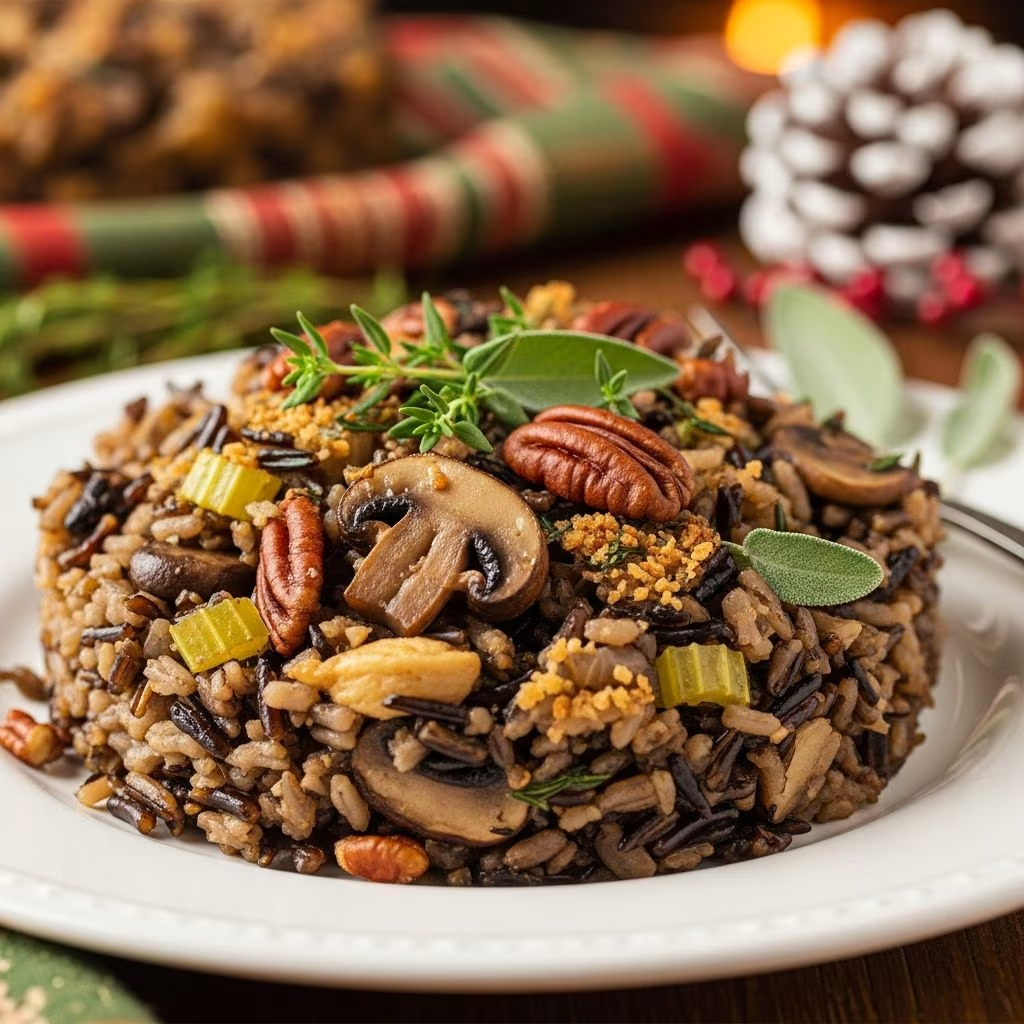
Minnesota wild rice dressing represents a cherished culinary tradition that has graced dinner tables throughout the northern United States for generations. This distinctive side dish combines the nutty earthiness of wild rice with savory meat, tender vegetables, and aromatic herbs to create a satisfying complement to any festive meal. Unlike conventional bread-based stuffing, this preparation showcases the unique characteristics of wild rice, making it a naturally gluten-free option that appeals to diverse dietary preferences.
Understanding Wild Rice and Its Culinary Significance
Wild rice differs substantially from cultivated white or brown rice varieties. This aquatic grass seed contains a distinctive flavor profile characterized by a slightly nutty and earthy taste, combined with a firmer, chewier texture that holds up remarkably well during cooking processes. The darker exterior and longer grain structure make wild rice visually distinctive, adding visual appeal to any dish. Minnesota has cultivated wild rice as a staple ingredient for centuries, with the grain becoming intrinsically linked to the state’s regional food identity and holiday traditions.
The nutritional composition of wild rice surpasses many grain alternatives, offering increased protein content, essential amino acids, and beneficial fiber. These qualities make wild rice dressing not only a flavorful choice but also a nutrient-dense addition to holiday meals that provides sustained satisfaction and energy.
Essential Ingredients for Authentic Minnesota Preparation
Creating an authentic Minnesota wild rice dressing requires understanding the role each ingredient plays in developing layers of flavor and achieving the desired texture. The foundation begins with quality wild rice, either purchased pre-cooked for convenience or prepared from raw grain according to package directions.
Protein Components
Traditional recipes incorporate both bacon and sausage to establish a rich, smoky flavor foundation. The bacon provides crispy texture and rendered fat that serves as the cooking medium for aromatic vegetables, while sausage contributes seasoning depth and additional protein content. Some variations utilize turkey-based alternatives for those seeking lighter protein options, though pork products remain the classic choice in Minnesota kitchens.
Vegetable Elements
The vegetable trio of onions, celery, and mushrooms forms the aromatic base in Minnesota-style preparations. These ingredients are sautéed until they achieve tenderness and release their natural moisture, creating a flavorful foundation that permeates throughout the entire dish. Mushrooms particularly contribute an umami quality that enhances overall savory depth. Some contemporary recipes incorporate water chestnuts for additional textural contrast and subtle sweetness.
Binding and Structure
Bread crumbs serve as the traditional binding agent in many Minnesota recipes, though some preparations incorporate beaten eggs for additional richness and structural integrity. Fresh bread crumbs provide superior texture compared to dried varieties, creating a more cohesive casserole that holds together while maintaining a slightly rustic quality.
Seasoning Profile
Minnesota wild rice dressing typically features dried oregano and sage as primary seasonings, though many recipes expand this profile to include dried thyme, garlic powder, and fresh parsley as finishing touches. These herbs complement wild rice’s earthy character while adding aromatic complexity. Salt and freshly ground black pepper should be adjusted to personal preference, as different components contribute varying levels of natural sodium.
Step-by-Step Preparation Method
Initial Protein Preparation
Begin by cutting bacon into one-inch pieces and placing them in a large skillet over medium heat. Cook until the bacon reaches an almost-crisp state, which typically requires six to eight minutes. This approach renders the bacon fat while maintaining some textural contrast. Remove the cooked bacon and set it aside on paper towels, reserving approximately one tablespoon of the fat in the skillet for sautéing vegetables.
If using sausage, brown it separately in a separate skillet, breaking it into small pieces as it cooks, typically requiring five to seven minutes. Drain excess fat if necessary, then set the cooked sausage aside for later incorporation.
Vegetable Development
Add chopped onions to the skillet containing the reserved bacon fat, cooking for approximately three to four minutes until the onions become translucent and begin releasing their natural juices. Add the chopped celery and continue cooking for another two to three minutes, allowing these vegetables to soften slightly and begin melding their flavors with the rendered pork fat. Finally, add the sliced or chopped mushrooms and cook for an additional five to seven minutes, stirring occasionally. The mushrooms will initially release liquid, which will then evaporate, allowing them to brown slightly and concentrate their flavors.
Integration Phase
Transfer the cooked vegetable mixture to a large mixing bowl. Add the prepared wild rice, fresh bread crumbs, cooked sausage, and reserved bacon pieces. Sprinkle the dried oregano and sage over the mixture and fold everything together gently but thoroughly, ensuring even distribution of all components. This folding action should preserve some textural variety rather than creating a uniform mush.
Casserole Assembly and Baking
Lightly grease a two-quart casserole dish with butter or cooking spray, ensuring the bottom and sides receive adequate coverage to prevent sticking. Spoon the dressing mixture into the prepared dish, pressing gently to create an even surface without compacting the ingredients too firmly. Cover the casserole with foil and place it in a preheated 325-degree Fahrenheit oven for thirty-five to forty minutes. Remove the foil during the final ten minutes if desired browning on the surface is preferred, though this step remains optional and depends on personal preference.
Texture Variations and Modern Adaptations
Contemporary cooks have expanded the traditional Minnesota recipe with creative variations that maintain the dish’s essential character while introducing new flavor dimensions. Some preparations incorporate dried cranberries and toasted pecans, adding sweetness and crunch that provide textural contrast to the tender rice and vegetables. Others experiment with additions like chopped fresh sage, minced garlic, or even a splash of dry sherry, which adds subtle sophistication without overwhelming the classic wild rice flavor profile.
For those seeking expedited preparation, using canned or pre-cooked wild rice and microwave-ready brown rice dramatically reduces cooking time without significantly compromising final quality. These convenience options prove particularly valuable when multiple dishes require oven space or when preparation timelines become constrained.
Gluten-Free and Dietary Considerations
The fundamental wild rice base makes this dressing naturally gluten-free, offering an appealing alternative for guests with celiac disease or gluten sensitivity. However, ensuring complete gluten-free compliance requires careful attention to ingredient sourcing. Verify that bacon, sausage, broth, and any bread crumb alternatives originate from certified gluten-free producers, as cross-contamination during manufacturing can introduce gluten into supposedly safe ingredients.
Those avoiding pork can substitute turkey-based bacon and sausage products, maintaining traditional flavor profiles while accommodating religious or personal dietary restrictions. Vegetarian interpretations might incorporate mushroom varieties, nuts, and increased herb seasoning to compensate for the umami and textural qualities typically provided by meat components.
Advanced Cooking Techniques
Flavor Enhancement Through Proper Sautéing
Achieving optimal flavor development requires attention to heat levels and cooking timing during the vegetable preparation phase. Medium heat prevents burning while allowing proper caramelization of the natural sugars in onions and mushrooms. This gentle browning process, sometimes called the Maillard reaction, creates deeper, more complex flavors than rushing the process at higher temperatures.
Wild Rice Cooking Fundamentals
When preparing wild rice from raw grain, rinsing thoroughly under cold running water removes dust and debris that may affect final texture and flavor. Using a combination of chicken or vegetable broth rather than plain water infuses the rice with additional savory depth. Following package directions carefully ensures the rice reaches the desired al dente texture—tender throughout but still maintaining slight firmness when bitten, rather than becoming mushy or overcooked.
Storage and Make-Ahead Planning
Minnesota wild rice dressing can be prepared in advance, making it ideal for busy holiday schedules. Assemble the complete casserole up to twenty-four hours before baking, covering it tightly with plastic wrap and storing it in the refrigerator. When ready to bake, add five to ten minutes to the total cooking time to account for the dish’s cooler starting temperature. Alternatively, prepare individual components separately, storing them in airtight containers for up to three days before final assembly.
Leftover dressing keeps refrigerated for up to four days and reheats effectively by covering loosely with foil and warming in a 325-degree oven for fifteen to twenty minutes until heated through. Some cooks prefer adding a splash of broth before reheating to restore moisture that may have evaporated during initial storage.
Serving Suggestions and Pairings
Minnesota wild rice dressing traditionally accompanies roasted turkey or chicken, though its versatility extends to complement beef, pork, and even vegetarian mains. The dish works equally well as a Thanksgiving centerpiece or as part of everyday autumn dinners. Its substantial nature makes it satisfying enough to serve as a vegetarian main course when portions increase and supplementary vegetables or proteins are included.
Frequently Asked Questions
Can wild rice dressing be frozen?
Yes, properly cooled dressing freezes successfully in airtight containers for up to three months. Thaw overnight in the refrigerator before reheating in a covered casserole at 325 degrees Fahrenheit until warmed through, approximately thirty to forty minutes.
What is the difference between dressing and stuffing?
Traditionally, dressing refers to the dish prepared in a separate casserole, while stuffing refers to the same mixture cooked inside poultry. The terminology varies by region, with Minnesota recipes typically using “dressing” regardless of preparation method.
Can I substitute white rice for wild rice?
While technically possible, this substitution fundamentally alters the dish’s character. White rice lacks the distinctive nutty flavor and substantial texture that define Minnesota wild rice dressing. Wild rice blends offer a middle ground, combining wild rice with brown rice for faster cooking while preserving the essential flavor profile.
How should I adjust quantities for smaller gatherings?
Standard recipes serving eight to ten people can be halved or quartered for smaller groups. Use a smaller casserole dish and reduce baking time slightly, checking for doneness starting at twenty-five minutes rather than the standard thirty-five to forty minutes.
References
- National Turkey Federation — Minnesota Wild Rice Dressing Recipe. 2024. https://www.eatturkey.org/recipe/minnesota-wild-rice-dressing/
- NellieBellie — Minnesota Wild Rice Dressing. 2024. https://www.nelliebellie.com/rice-dressing-recipe/
- TidyMom — Wild Rice Stuffing with Cranberries and Pecans. 2024. https://tidymom.net/wild-rice-stuffing/
- Iowa Girl Eats — Best Ever Wild Rice Stuffing: Gluten Free Side Dish. 2024. https://iowagirleats.com/best-ever-wild-rice-stuffing/