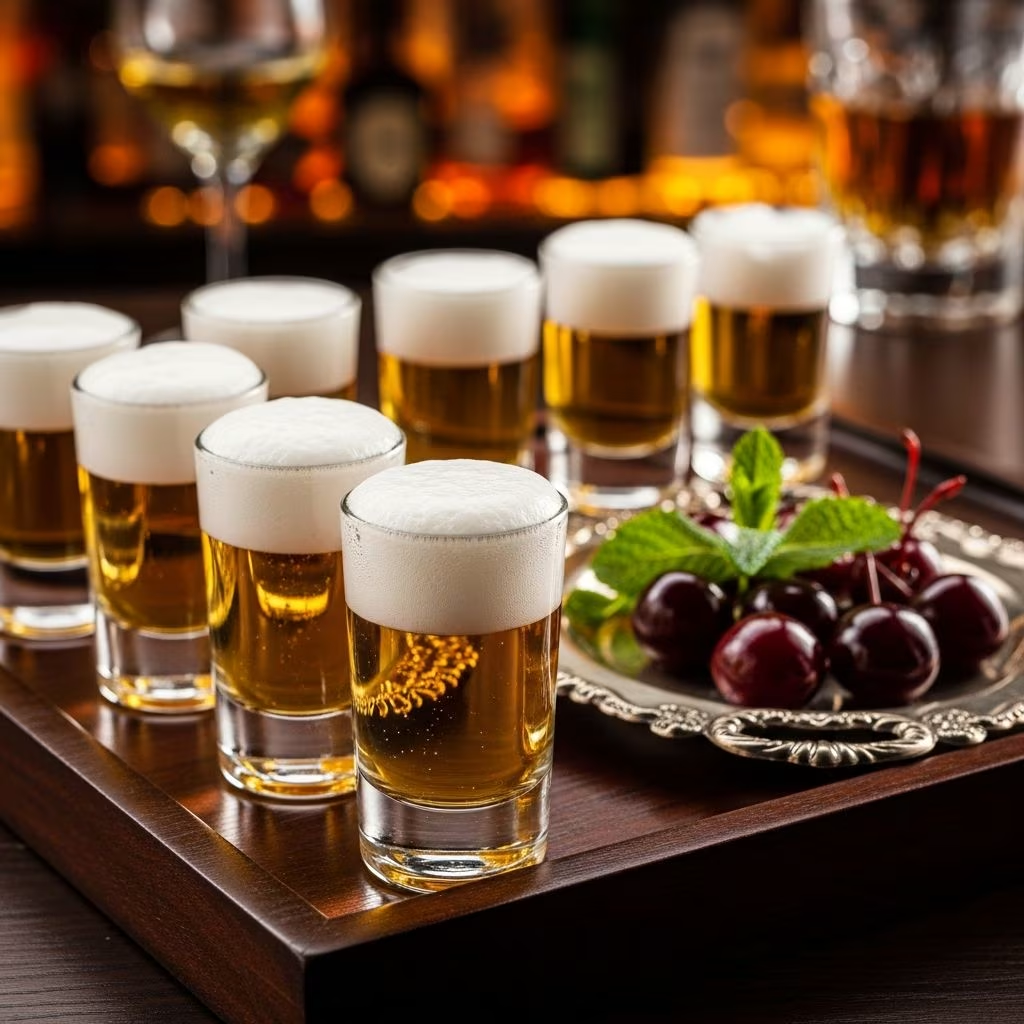
When it comes to impressing guests with creative libations, few drinks deliver the visual impact and flavor surprise of a well-executed mini beer shooter. These diminutive cocktails present themselves as authentic miniature pints complete with a foamy head, yet deliver an entirely different taste experience than their appearance suggests. The magic lies in the contrast between what the eye sees and what the palate experiences—a deceptive little drink that consistently delights party attendees.
The beauty of mini beer shooters extends beyond their visual trickery. They represent an accessible entry point into the world of layered cocktails, requiring minimal ingredients and straightforward technique. Whether you’re a seasoned bartender looking to expand your repertoire or a home entertainer seeking an impressive party drink, understanding how to craft these charming shooters opens doors to creative entertaining.
Understanding the Core Components
The foundation of any mini beer shooter relies on two essential ingredients that work in harmony to create both visual appeal and flavor complexity. Each component serves a specific purpose, and understanding their properties ensures consistent, professional-quality results.
Licor 43: The Golden Heart
The primary ingredient in mini beer shooters is Licor 43, a Spanish vanilla liqueur that provides the base layer of the drink. This distinctive spirit presents a warm, golden color that mirrors the appearance of actual beer when viewed through glass. Beyond its visual characteristics, Licor 43 brings a complex flavor profile to the shooter that includes notes of vanilla, subtle spice, and hints of citrus warmth.
The liqueur’s sweetness and smooth texture create a creamy mouthfeel when combined with the cream component. Unlike beer, which offers bitter, hoppy characteristics, Licor 43 delivers dessert-like qualities that transform the shooting experience into something entirely unexpected. The chilling process enhances the liqueur’s smoothness, making it essential to refrigerate the spirit before use.
Heavy Cream: The Deceptive Foam
Heavy cream serves as the architectural element that creates the illusion of a beer’s natural carbonation. When properly layered atop the liqueur, it forms a distinct foam head that closely resembles the foam crown of a freshly poured pint. The cream’s white coloring and textured appearance complete the visual deception that constitutes the shooter’s primary appeal.
Beyond aesthetics, heavy cream contributes essential flavor and texture components. The richness of the cream balances the sweetness of the liqueur, creating a more complex taste experience. The combination of vanilla liqueur and cream produces a smooth, almost dessert-like sensation that contradicts the beer-like appearance of the finished drink.
Essential Equipment and Preparation
Success in preparing mini beer shooters depends not merely on ingredients but on having the correct tools and executing proper preparation techniques. The equipment list remains minimal, yet each piece plays a crucial role in achieving professional results.
- Shot Glasses: Selecting appropriate glassware is paramount. Specialty mini beer mug-shaped shot glasses enhance the deceptive visual presentation, though standard shot glasses work adequately. Opt for 1.5-ounce capacity glasses for optimal proportions.
- Bar Spoon: A long-handled bar spoon with a flat back serves as the critical tool for achieving the foam head. This implement allows for controlled cream application that prevents the layers from mixing prematurely.
- Chilling Equipment: A freezer for pre-chilling glasses ensures the liqueur maintains its optimal temperature and texture. Chilled components promote cleaner layer separation.
- Measuring Tools: Precise measurement using jiggers or shot measurement marks ensures consistency across multiple servings.
Step-by-Step Preparation Methodology
Creating mini beer shooters involves a straightforward process that, when executed with attention to detail, produces consistently impressive results suitable for entertaining.
Initial Setup Phase
Begin by placing your shot glasses in the freezer approximately 30 minutes before service. This foundational step cannot be overstated—properly chilled glasses maintain ingredient temperature and facilitate cleaner layering. While the glasses chill, remove your Licor 43 from storage and ensure it remains cold.
Liqueur Application
Remove a chilled shot glass from the freezer and carefully pour the Licor 43 until the glass reaches approximately two-thirds capacity. The specific measurement typically ranges from 1 to 1.5 ounces, depending on your preferred serving size and the cream proportion you intend to use. Precise filling ensures proper visual balance—too much liqueur overwhelms the cream layer, while insufficient liqueur diminishes the drink’s visual impact.
Foam Head Creation
This step represents the technical cornerstone of mini beer shooter preparation. Hold your bar spoon inverted (back side facing downward) directly above the liqueur’s surface, maintaining a position approximately half an inch above the liquid. With deliberate, controlled movements, slowly pour heavy cream over the spoon’s back surface. The cream cascades down the spoon’s curved back, dissipating its energy and drifting gently onto the liqueur below.
The goal involves creating a distinct layer of cream that floats atop the liqueur without immediately mixing. The slower the pour and the steadier your hand, the more pronounced and authentic-appearing the foam head becomes. Professional bartenders often use their other hand to stabilize their pouring arm, minimizing tremor and maintaining consistent flow rate.
Flavor Profile and Taste Experience
The mini beer shooter represents a masterclass in sensory misdirection. The drinking experience begins with visual expectations shaped by the drink’s appearance, followed by a complete flavor surprise that contradicts those initial assumptions.
Upon first sip, the vanilla sweetness of Licor 43 dominates the palate, followed by the luxurious smoothness imparted by heavy cream. The combination produces flavors reminiscent of vanilla cream liqueurs or dessert cocktails rather than any characteristics associated with beer. The citrus undertones in Licor 43 provide subtle complexity that prevents the drink from becoming cloying despite its inherent sweetness.
The textural component adds another dimension to the experience. The creamy mouthfeel contrasts sharply with what one might expect from an actual beer shooter, amplifying the surprise element. This contrast between appearance and reality forms the psychological appeal that makes these shooters memorable additions to any gathering.
Creative Variations and Customizations
While the traditional Licor 43 and cream combination remains the classic preparation, creative bartenders have developed numerous variations that maintain the deceptive beer appearance while altering the flavor profile.
| Variation Name | Base Spirit | Key Flavor Profile | Visual Result |
|---|---|---|---|
| Green Beer Edition | Green Apple Schnapps | Crisp apple sweetness | Green liquid with cream head |
| Coffee Shop Shooter | Coffee Liqueur | Deep coffee richness | Dark brown base with white foam |
| Butterscotch Dream | Butterscotch Schnapps | Warm caramel sweetness | Amber liquid with cream layer |
| Chocolate Indulgence | Chocolate Liqueur | Sweet chocolate notes | Dark brown appearance |
These variations maintain the fundamental construction methodology while offering diverse flavor experiences. The selection of alternative liqueurs depends on available inventory and desired taste outcomes. Each variation preserves the deceptive visual element that forms the foundation of the shooter’s appeal.
Professional Techniques for Multiple Servings
Preparing mini beer shooters for larger gatherings requires strategic planning to ensure efficiency without sacrificing quality. Professional bartenders employ several techniques to streamline production while maintaining consistency.
Pre-Preparation Strategy: Fill shot glasses with Licor 43 and refrigerate them in advance. This allows you to focus entirely on the cream layering process during service, dramatically increasing production speed. Keep the prepared glasses in a cold environment until the moment of service.
Assembly Line Method: Arrange multiple shot glasses in a row, and proceed methodically through the cream layering process for each glass. This organized approach minimizes movement and maintains steady focus on technique.
Quality Control: Check each completed shooter before service. Inconsistent foam heads or accidentally mixed layers can be identified and corrected before reaching guests.
Hosting Considerations and Presentation
Serving mini beer shooters at gatherings extends beyond mere preparation—strategic presentation and timing enhance the overall experience. Consider arranging freshly prepared shooters on a tray for immediate service, ensuring optimal temperature and appearance. The visual appeal of multiple shooters arranged collectively creates an impressive display that captures guest attention.
Introducing shooters with context enhances the surprise element. Presenting them as “specialty mini beers” without immediately revealing the Licor 43 base allows guests to form expectations that the first taste immediately contradicts. This narrative element contributes to the memorable nature of the experience.
Temperature management proves essential throughout service. Shooters consumed within minutes of preparation taste superior to those that have warmed to room temperature. Plan service timing accordingly, preparing batches in sequence rather than all shooters simultaneously.
Troubleshooting Common Preparation Issues
Problem: Layers mixing together
Solution: Ensure both ingredients are adequately chilled. Slow cream pour rate and careful spoon technique prevent premature mixing. Practice maintaining consistent pouring speed.
Problem: Insufficient or disappearing foam head
Solution: Use a bar spoon consistently and pour cream slowly enough to create distinct layering. The cream must float rather than immediately sink.
Problem: Inconsistent batch results
Solution: Measure ingredients precisely using a jigger. Standardize pour rates and spoon angles across multiple preparations.
Problem: Glasses not adequately chilled
Solution: Allow sufficient freezer time (minimum 30 minutes). Remove glasses only when ready to fill, returning empty glasses immediately to maintain temperature.
Frequently Asked Questions
Does this drink actually contain beer?
No, mini beer shooters contain no actual beer. The deceptive appearance comes entirely from Licor 43 and heavy cream, which mimic beer’s visual characteristics while delivering completely different flavor and texture.
Can I use alternative cream products?
While heavy cream remains the standard, some bartenders experiment with whipped cream or cream liqueurs. Heavy cream provides the best balance of appearance and authentic foam-like texture.
What is the appropriate serving size?
Mini beer shooters typically measure 1.5 to 2 ounces total, served in standard shot glasses. The small serving size reflects the drink’s classification as a shooter—a beverage consumed quickly in a single gulp or few sips.
How should I store Licor 43 for optimal results?
Store Licor 43 in a cool, dark location or in the refrigerator. The liqueur benefits from being well-chilled before use, which improves both flavor characteristics and preparation consistency.
Are mini beer shooters suitable for all occasions?
These shooters work excellently for casual parties, celebrations, and entertaining gatherings where guests appreciate novelty and humor. They may be less appropriate for formal events or occasions where traditional cocktails are expected.
Can I prepare shooters significantly in advance?
Prepare the Licor 43 component several hours ahead. However, add the cream layer immediately before service to maintain proper visual presentation and optimal texture contrast.
Conclusion: Mastering the Deceptive Craft
Mini beer shooters represent more than merely a simple cocktail—they embody the principle that presentation, technique, and expectation management can transform basic ingredients into memorable experiences. The combination of visual deception and genuine flavor quality creates an engaging social moment that enhances any gathering.
Whether you’re introducing these shooters to guests for the first time or refining your technique for consistency and speed, the principles outlined throughout this guide provide the foundation for success. With minimal ingredients, straightforward preparation, and attention to detail, anyone can master this impressive shooter that consistently delights and surprises.
References
- A Beautiful Mess — A Beautiful Mess. 2024. https://abeautifulmess.com/mini-beer-shot/
- Mini Beer Shot – Libations and Lattes — A Nerd Cooks. 2024. https://anerdcooks.com/mini-beer-shot/
- Mini Beer Shot Recipe (2 Ingredients!) — Feast + West. 2024. https://feastandwest.com/mini-beer-shot/