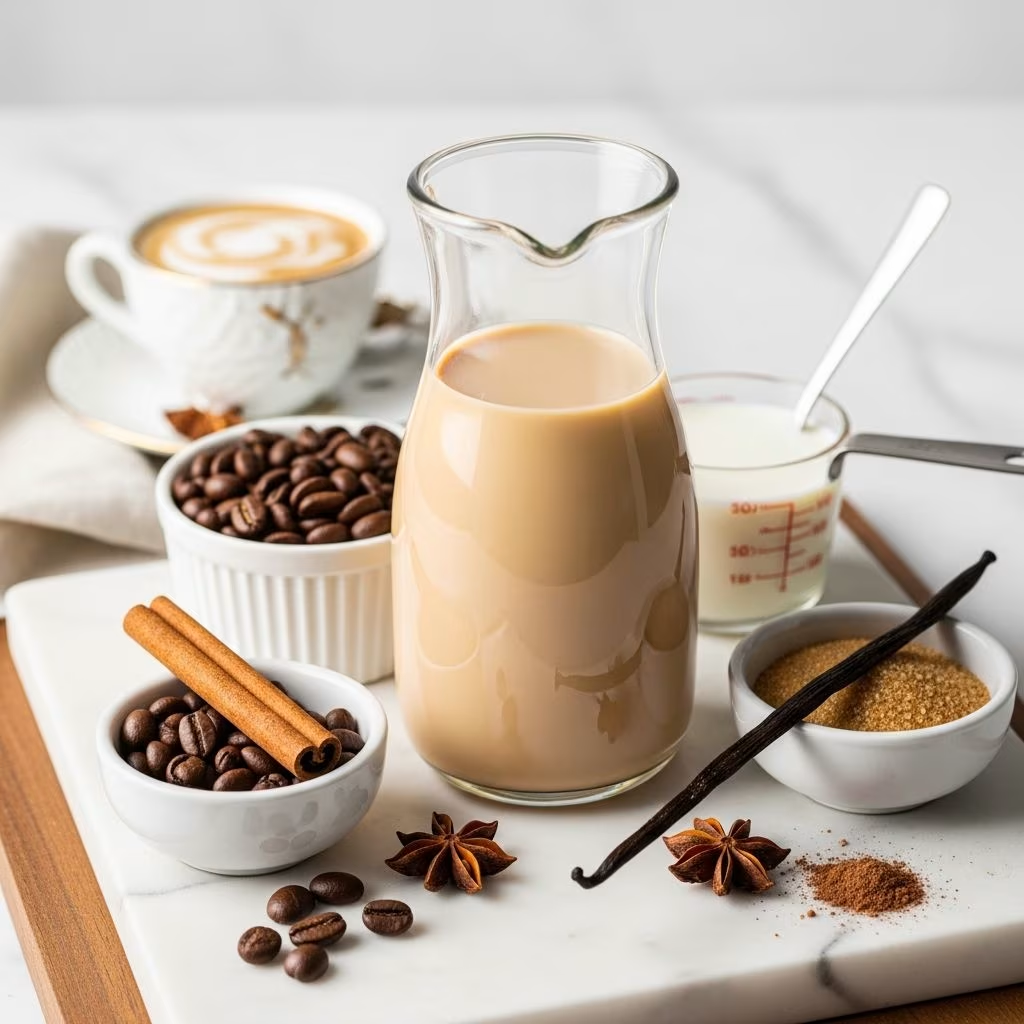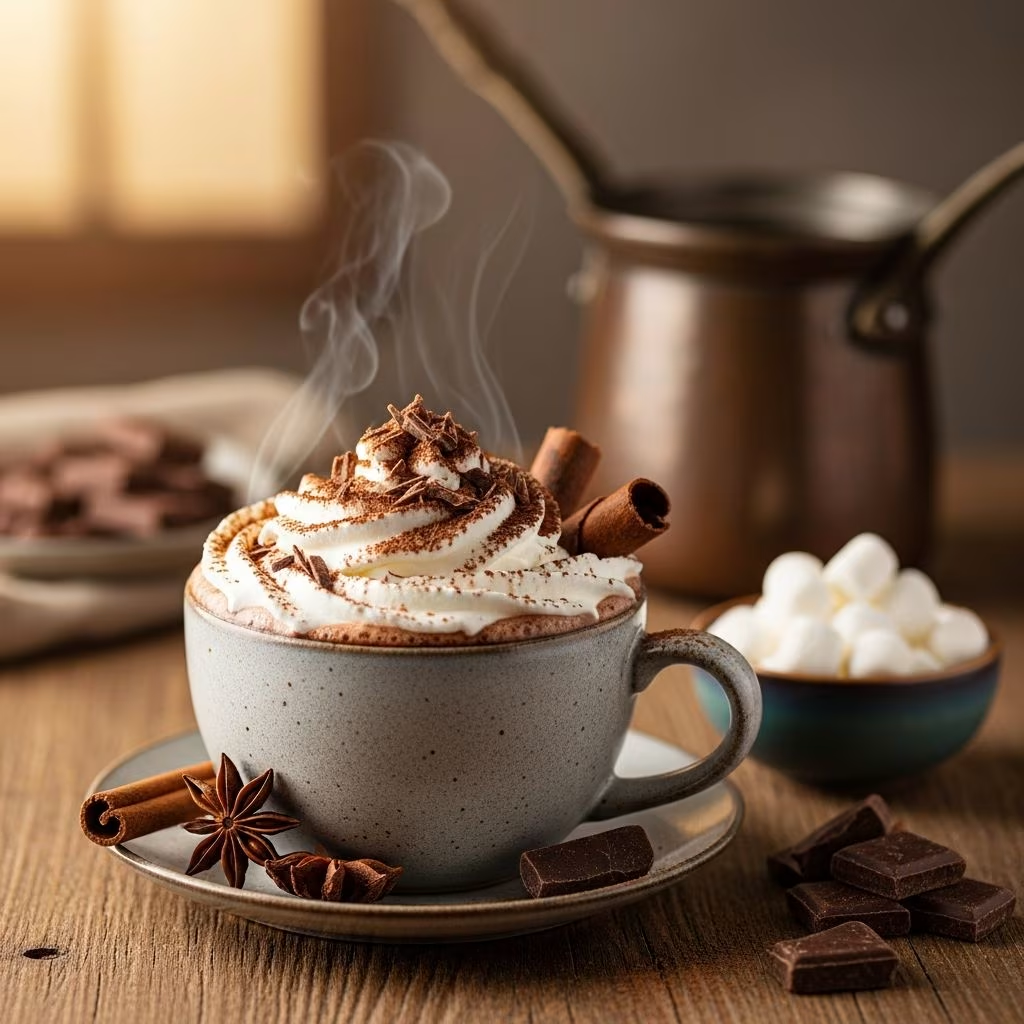
Hot chocolate stands as a timeless comfort beverage, evoking warmth and nostalgia with its rich, velvety profile. Far beyond instant packets, crafting it from scratch unlocks layers of flavor through careful ingredient selection and precise preparation. This guide delves into the essentials, offering actionable steps to create barista-quality results at home.
Why Homemade Beats Store-Bought
Packet mixes often rely on powdered bases that lack depth, resulting in thin, overly sweet drinks. Homemade versions shine with real chocolate’s complexity—notes of fruit, nuts, and earthiness emerge when using high-quality bars or chips. The process allows customization, from subtle sweetness to bold intensity, ensuring every sip delivers satisfaction.
- Flavor Control: Adjust sweetness, spice, and richness precisely.
- Texture Mastery: Achieve silkiness without gritty residues.
- Health Tweaks: Opt for alternative milks or less sugar.
Selecting the Best Ingredients
Quality starts with components. Whole milk provides creaminess due to its fat content, but alternatives work well with adjustments.
| Ingredient | Best Choices | Why It Works |
|---|---|---|
| Milk Base | Whole dairy, oat, almond | Fat emulsifies chocolate for smoothness |
| Chocolate | Semi-sweet chips (60% cacao), dark bars | Balances bitterness and meltability |
| Cocoa Powder | Unsweetened Dutch-processed | Intensifies color and flavor without clumping |
| Sweetener | Granulated sugar, honey | Counteracts cocoa’s natural bite |
Avoid milk chocolate for recipes; its high sugar content leads to cloying results. Unsweetened cocoa adds depth, demanding sweetener balance.
Core Preparation Techniques
Success hinges on gentle heat and constant agitation. Overheating scorches milk, creating off-flavors, while poor mixing yields lumps.
- Warm milk over low-medium heat to a bare simmer—tiny bubbles at edges signal readiness.
- Temper chocolate first: Add chips or chopped bar off-heat, stirring until half-melted, then return to warmth.
- Sift in cocoa powder gradually, whisking vigorously to prevent balls.
- Incorporate sugar last, tasting for balance.
- Rest off-heat for flavors to meld.
Pro Tip: Never dump cold milk onto melted chocolate; it shocks the mixture, forming grains. Instead, heat milk first for seamless integration.
Classic Hot Chocolate Recipe
Serves 2. Prep: 5 mins. Cook: 10 mins.
- 2 cups whole milk
- 4 oz semi-sweet chocolate, chopped
- 2 tbsp unsweetened cocoa powder
- 3 tbsp sugar
- Pinch of salt
Heat milk gently. Remove from heat, add chocolate and salt; stir until smooth. Whisk in cocoa and sugar. Return to low heat, stirring until steaming. Pour and top as desired. Yields a luxurious, pourable consistency.
Flavor Elevations and Variations
Transform basics into specialties with infusions.
- Mexican-Style: Simmer with cinnamon sticks, chili powder, and vanilla for smoky heat.
- Mocha Marvel: Stir in 1 tsp espresso powder for caffeinated depth.
- Orange Zest Twist: Add grated peel during heating; strain before serving.
- Peanut Butter Dream: Blend in 2 tbsp smooth peanut butter for nutty creaminess.
- Vegan Delight: Use coconut milk and dairy-free chocolate.
Experiment boldly but incrementally—strong flavors like peppermint extract need just drops.
Topping Innovations
Toppings elevate presentation and taste.
| Category | Ideas | Pairing Notes |
|---|---|---|
| Marshmallow-Based | Mini marshmallows, torched fluff | Melt slightly for gooey contrast |
| Creamy | Whipped cream, coconut cream | Dollop high for insulation |
| Crunchy | Crushed peppermints, toasted nuts | Sprinkle post-pour |
| Spicy | Cayenne dust, candied ginger | For adventurous palates |
Add marshmallows after pouring to preserve shape; boiling integrates them fully, thickening the drink.
Common Mistakes and Fixes
Even pros slip—here’s how to avoid pitfalls.
- Grainy Texture: Caused by high heat or rushed mixing. Fix: Low simmer and patient whisking.
- Too Thin: Insufficient chocolate or fat. Fix: Increase by 1 oz next batch.
- Bitter Overload: Excess cocoa. Fix: More sugar or milk dilution.
- Separated Layers: Fat rejection from overheating. Fix: Steady low heat.
Always taste midway; adjustments are easier pre-final pour.
Pairing Perfection
Hot chocolate pairs broadly. Salty pretzels cut richness; shortbread cookies complement sweetness. For adults, aged rum or bourbon (1 oz per mug) adds warmth without overpowering.
Storage and Reheating
Refrigerate up to 3 days in airtight container. Reheat gently on stovetop with extra whisking—microwaves often curdle. Thin with milk if needed.
Seasonal and Occasion Ideas
Winter holidays demand mugs by the fire; summer calls for iced versions over ice with chilled milk. Host a build-your-own station: Provide bases, toppings, and stirrers for interactive fun.
Frequently Asked Questions
Can I make hot chocolate without milk?
Yes—use plant-based options like oat (creamy) or almond (nutty). Adjust chocolate for fat balance.
What’s the ideal chocolate percentage?
50-70% cacao strikes harmony; darker suits bold tastes, milkier for kids.
How do I avoid scorching?
Low heat, heavy-bottomed pot, constant stir. Never boil vigorously.
Is Dutch-processed cocoa necessary?
Preferred for smoother flavor and darker hue; natural works but may taste sharper.
Can I prepare it ahead for a party?
Yes—make base, refrigerate, reheat slowly. Offer toppings fresh.
Nutritional Snapshot
Per serving (classic recipe): ~300 calories, 18g fat, 30g carbs, 8g protein. Varies with ingredients; use low-fat milk to lighten.
References
- USDA FoodData Central: Chocolate Composition — United States Department of Agriculture. 2023-01-15. https://fdc.nal.usda.gov/fdc-app.html#/food-details/170273/nutrients
- Cocoa Processing Guidelines — International Cocoa Organization. 2024-05-20. https://www.icco.org/cocoa-processing/
- Dairy Science and Emulsification in Beverages — Journal of Dairy Science (Peer-reviewed). 2022-11-10. https://doi.org/10.3168/jds.2022-21876
- Chocolate Tempering Fundamentals — Callebaut Chocolate Academy. 2023-08-05. https://www.callebaut.com/en-US/chocolate-academy/technique/tempering-chocolate
- Hot Beverage Sensory Analysis — Food Chemistry Journal. 2021-07-14. https://doi.org/10.1016/j.foodchem.2021.129845