Few beverages evoke the nostalgia and simple pleasure of summer festivities quite like freshly made lemonade from a state fair stand. The difference between ordinary lemonade and the memorable version you encounter at festivals lies in technique, ingredient quality, and the hands-on preparation method. This guide reveals how to recreate that beloved fair experience in your own kitchen using straightforward methods and readily available ingredients.
Understanding What Makes State Fair Lemonade Distinctive
State fair lemonade distinguishes itself through its bold, refreshing flavor profile that balances tartness with natural sweetness. Unlike mass-produced lemonades that rely on concentrates or artificial flavoring, authentic fair lemonade prioritizes whole fruit and manual preparation. The key differentiator is the muddling process, which extracts maximum juice and natural oils from fresh lemons while allowing the sugar to dissolve directly in these juices rather than merely floating in water.
The hand-shaken method of preparation creates a superior texture and flavor integration that mechanical mixing cannot replicate. This traditional approach ensures that every element—lemon pulp, natural oils, dissolved sugar, and water—combines cohesively to produce a beverage with remarkable depth and complexity despite its ingredient simplicity.
Essential Ingredients for Perfect Results
Selecting Premium Lemons
The foundation of exceptional state fair lemonade begins with selecting appropriate lemons. The ideal candidates are large, firm lemons with a bright yellow hue, indicating ripeness without overmaturity. When purchasing, seek lemons that feel slightly yielding to gentle pressure, suggesting adequate juice content. Avoid overly hard lemons, which contain insufficient liquid, and severely soft specimens that may have begun deteriorating.
Lemon quality directly impacts flavor intensity and the overall drinking experience. Fresh, recently harvested lemons provide superior juice yield and a more vibrant citrus profile compared to older stock that has begun drying. Before use, wash lemons thoroughly under cool running water while scrubbing gently with a stiff-bristled brush to remove surface residues and bacteria. Pat completely dry with clean towels before proceeding with the recipe.
Granulated Sugar’s Role
Granulated white sugar serves as the sweetening agent and plays a crucial role beyond simple sweetness. During the muddling process, sugar crystals physically break down lemon cell walls while dissolving in the released juice, creating a flavorful syrup base. This concentrated sugar-lemon juice mixture becomes the foundation for the final beverage.
The quantity of sugar significantly influences the final taste profile. While the standard ratio provides balanced sweetness, personal preference and specific lemon tartness levels may warrant adjustments. Tart lemons require slightly increased sugar, whereas naturally sweeter specimens may benefit from reduced amounts. Some enthusiasts experiment with alternative sweeteners such as simple syrup, maple syrup, or agave nectar, though these modifications alter the traditional flavor profile and may require quantity adjustments.
Water Quality Considerations
Water comprises the majority of the finished lemonade and therefore contributes notably to the final product’s quality. Distilled, spring, or filtered tap water all produce satisfactory results, though some prefer spring water for its mineral content. The recipe employs both hot and cold water—the hot water facilitates sugar dissolution while cold water maintains refreshing temperature and prevents excessive dilution from ice melt.
Necessary Equipment and Tools
While state fair lemonade requires minimal equipment, having appropriate tools ensures optimal results and prevents frustration during preparation. A sturdy muddler, whether a dedicated wooden or metal tool or a makeshift alternative like the back of a metal spoon or measuring cup, is essential for breaking down lemon pieces and extracting juice. The muddling process demands firm pressure applied repeatedly to release maximum liquid.
A clean mason jar or similar lidded glass container with capacity of at least 16 to 24 ounces serves as both preparation vessel and serving container. The tight-fitting lid enables vigorous shaking to fully incorporate all ingredients. Alternatively, plastic containers with secure lids work equally well for shaking, though glass offers superior temperature maintenance and a more elegant presentation.
A sharp knife suitable for cutting firm citrus fruits and a strainer or fine-mesh sieve for removing pulp and seeds (optional) complete the necessary toolkit. Many recipes skip straining for a rustic, pulpy texture that some prefer, while others strain for a clearer appearance.
Step-by-Step Preparation Method
Lemon Preparation Techniques
Begin by rolling each lemon firmly across your countertop, applying steady pressure with the palm of your hand. This rolling action ruptures cell membranes within the fruit, facilitating juice release during subsequent muddling. Rolling for 10 to 15 seconds per lemon proves sufficient for most specimens.
Following the rolling step, halve each lemon lengthwise, then cut each half into quarters to create eight pieces per fruit. Maintain these pieces intact during this stage; you will break them down further during muddling. Cutting into uniform, manageable sizes ensures consistent juice extraction and easier handling in confined jar spaces.
Muddling and Sugar Dissolution
Add all lemon pieces to your selected container along with the measured granulated sugar. Using your muddler, apply firm downward pressure while grinding the lemon pieces against the jar’s bottom and sides. This aggressive action ruptures the lemon flesh, releasing oils and juice that mixes with sugar to form a concentrated sweetened juice.
Continue muddling for approximately two to three minutes, applying consistent pressure until the lemons visibly break down into smaller fragments and the sugar mostly dissolves into the accumulated lemon juice. The mixture should appear wet, fragrant, and noticeably darker than fresh lemon juice alone due to the sugar incorporation and slight oxidation of lemon components.
Water Integration and Shaking
For recipes employing hot water, add the measured hot water to the muddled mixture first, stirring to complete sugar dissolution. This step ensures all sugar crystals fully dissolve before adding cold water and ice, preventing grittiness in the final beverage.
Next, fill the container with ice to approximately three-quarters full, then top with cold water. Screw the lid tightly onto the container and shake vigorously for 15 to 30 seconds. The shaking motion thoroughly combines all components while the ice cools the beverage to optimal drinking temperature. Some prefer to shake more gently to avoid excessive pulp breakdown, while others embrace a rustic, pulpy texture by shaking intensely.
Flavor Customization and Adjustments
The beauty of homemade state fair lemonade lies in its adaptability to personal taste preferences. If the initial result tastes insufficiently sweet, simply add additional sugar, stirring or shaking until fully dissolved. Conversely, overly sweet batches can be corrected by adding more cold water or additional fresh lemon juice to increase tartness.
Some drinkers prefer their lemonade quite tart and bracing, while others favor a sweeter profile reminiscent of childhood memories. The flexibility to adjust encourages experimentation until discovering your ideal balance. Document your adjustments so you can replicate preferred ratios in future batches.
Serving Suggestions and Presentation
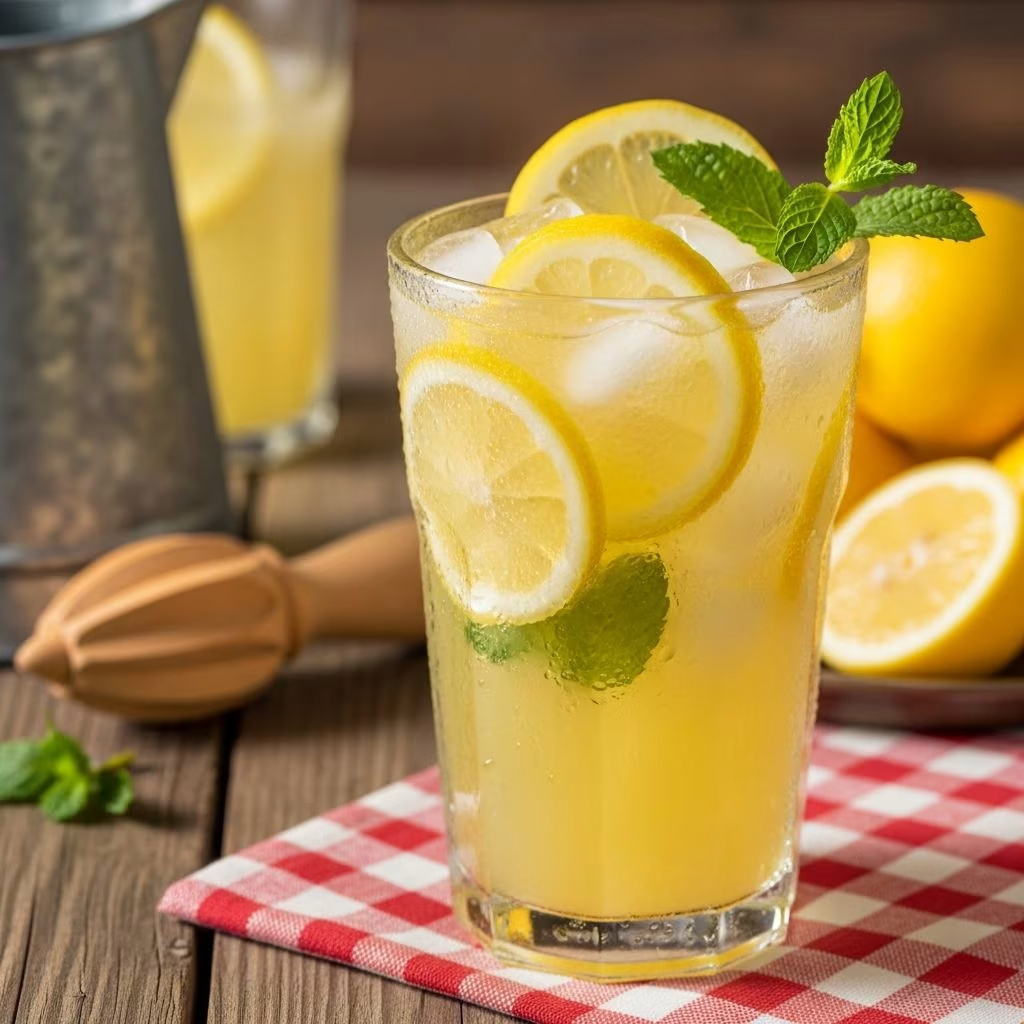
Serve freshly prepared state fair lemonade immediately while thoroughly chilled and the flavors remain bright. Pour the beverage, including pulp and ice, into tall glasses, leaving approximately one inch of headspace. Garnish each glass with a fresh lemon wheel or wedge positioned on the rim for visual appeal and an aromatic element that enhances the drinking experience.
For outdoor consumption or extended service periods, consider preparing the lemonade base (muddled lemons and dissolved sugar) several hours in advance, then combining with cold water and ice immediately before serving. This approach prevents overmelting of ice and maintains optimal temperature during extended outdoor activities.
Scaling the Recipe for Gatherings
The fundamental proportions translate easily for larger quantities when preparing lemonade for groups. For a standard 2-liter batch suitable for approximately eight servings, multiply each ingredient by approximately four to five times the single-serving recipe. A gathering of this size requires approximately 8 to 10 large lemons, 1.5 to 2 cups granulated sugar, and 8 cups total water (accounting for both hot and cold water components).
Prepare the muddled base in a large pitcher or beverage dispenser, then add water and ice in the ratio specified by your chosen recipe. For outdoor events or picnics where maintaining chill proves challenging, prepare ice in a separate cooler and add to individual servings rather than combining all ice in the batch at once.
Common Preparation Mistakes to Avoid
Beginning with inadequately washed lemons introduces unwanted residues and potential contaminants that compromise flavor and food safety. Always thoroughly rinse lemons and allow them to air dry completely before cutting.
Under-muddling results in insufficient juice extraction and incomplete sugar dissolution, producing a weak, unsatisfying beverage. Apply firm, consistent pressure and continue the process until visible breakdown occurs and sugar visibly dissolves into the juice.
Adding ice too early in the preparation process dilutes the beverage as ice melts during shaking and standing. Add ice as the final step, immediately before serving, to maintain optimal flavor concentration and refreshing chill.
Substituting bottled lemon juice for fresh-squeezed juice fundamentally compromises the final product, as bottled versions lack the essential oils and fresh flavor compounds present in whole fruit juice. The convenience of bottled juice cannot compensate for this significant quality loss.
Variations Worth Exploring
Strawberry-infused versions combine muddled fresh strawberries with the traditional lemon base, creating a beautiful pink hue and subtle berry complexity. Mint-enhanced preparations add torn fresh mint leaves during muddling, infusing the beverage with refreshing herbal notes reminiscent of classic summer drinks.
Honey or maple syrup substitutions for granulated sugar produce subtly different flavor profiles with natural sweetness that some find superior to refined sugar. Sparkling water or club soda substitution for a portion of the still water creates a fizzy, more celebratory version suitable for special occasions.
Frequently Asked Questions
How long does homemade state fair lemonade remain fresh?
Properly stored in a refrigerated, sealed container, homemade lemonade remains fresh for approximately three to five days. The acidic nature of lemon juice slows bacterial growth, but gradual flavor degradation occurs over time as aromatic compounds fade and oxidation progresses. Consume within 48 hours for optimal flavor.
Can this recipe be prepared in advance?
Yes, prepare the muddled lemon-sugar base several hours ahead and refrigerate in a sealed container. Add cold water and ice immediately before serving to maintain optimal temperature and prevent over-dilution from extended ice contact.
What is the best temperature for serving state fair lemonade?
Serve between 35 to 45 degrees Fahrenheit for optimal refreshment. This temperature range maintains the beverage’s crisp quality while ensuring pleasant drinking without numbing the palate.
Are there non-sugar sweetening alternatives?
Stevia, monk fruit sweetener, or sugar alcohols like erythritol can substitute for granulated sugar, though each produces slightly different flavor characteristics and may require quantity adjustments. Experiment with small batches to determine preferred alternatives.
Conclusion: Recreating Fair Magic at Home
Authentic state fair lemonade requires only fresh lemons, sugar, water, and proper technique to recreate the beloved festival beverage in any home setting. The muddling and hand-shaking method ensures flavors meld perfectly while ice maintains the essential chill that defines this refreshing classic. With minor ingredient adjustments based on personal preference and lemon variety, anyone can master this simple yet deeply satisfying preparation. The result—a glass of perfectly balanced, hand-made lemonade—captures the nostalgia and joy of summer fair traditions with remarkable simplicity.
References
- State Fair Lemonade – Recipe From My Carnie Friends — Entirely Elizabeth. 2024. https://entirelyelizabeth.com/state-fair-lemonade/
- State Fair Lemonade — Design Eat Repeat. 2024. https://www.designeatrepeat.com/state-fair-lemonade/
- Chef John’s State Fair Lemonade — Hive Blog. 2024. https://hive.blog/waivio/@recipes.curator/chef-john-s-state-fair-lemonade