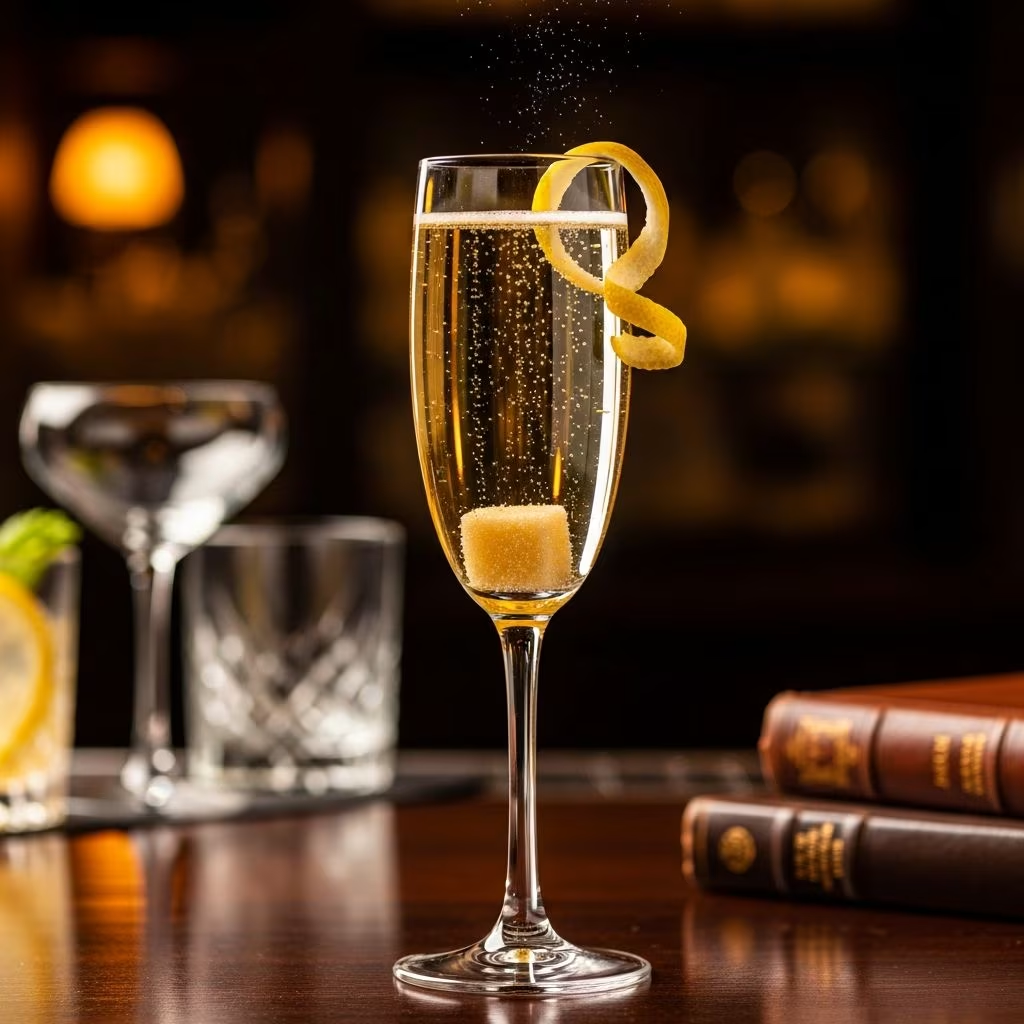
The **classic champagne cocktail** stands as a pillar of mixology, blending simplicity with sophistication. This iconic drink features a sugar cube soaked in bitters, a splash of brandy, and topped with chilled champagne, creating a balanced symphony of sweetness, spice, and effervescence.
Origins and Evolution of a Timeless Drink
Tracing back to the mid-19th century, the champagne cocktail emerged during an era when sparkling wines gained popularity in America. First documented in Jerry Thomas’s 1862 bartending guide, it quickly became a staple in upscale saloons and celebrations. Its enduring appeal lies in transforming everyday sparkling wine into a luxurious sip through minimal yet precise additions.
Over decades, the recipe saw subtle shifts. Early versions emphasized cognac for depth, while modern takes allow prosecco or cava for affordability. Prohibition-era adaptations kept it alive as a subtle indulgence, proving its resilience across cultural changes.
Essential Ingredients Breakdown
Mastery begins with quality components. Here’s what defines the drink:
- Sugar cube: Demerara or superfine for slow dissolution, providing gentle sweetness without overpowering bubbles.
- Angostura bitters: 2-3 dashes infuse aromatic complexity with notes of clove, cinnamon, and gentian.
- Brandy or cognac: A 0.5 oz splash adds warmth and fruitiness; VSOP cognac elevates nuance.
- Champagne or sparkling wine: 4-6 oz of brut or extra brut to maintain dryness and highlight layers.
- Garnish: Lemon twist, orange peel, or maraschino cherry for visual flair and citrus brightness.
Pro tip: Chill all elements beforehand to preserve carbonation and crispness.
Step-by-Step Preparation
Assembling this cocktail requires patience to let flavors meld harmoniously. Follow these steps for one serving:
- Select a chilled flute glass to concentrate aromas.
- Place one sugar cube at the base.
- Drizzle 2-3 dashes of bitters over the cube, allowing absorption for intensified flavor.
- Add a splash (about 0.5 oz) of brandy, gently swirling to coat without dissolving sugar fully.
- Slowly pour 4-6 oz chilled champagne, letting it cascade over the back of a spoon to minimize foam.
- Garnish with a twisted lemon peel, expressing oils over the rim for aromatic lift.
Total time: under 2 minutes. Serve immediately to capture peak effervescence.
| Ingredient | Quantity | Notes |
|---|---|---|
| Sugar Cube | 1 | Demerara preferred |
| Bitters | 2-3 dashes | Angostura |
| Brandy/Cognac | 0.5 oz | Room temperature |
| Champagne | 4-6 oz | Well-chilled |
| Garnish | 1 twist | Lemon or orange |
Perfect Glassware and Serving Tips
Opt for a tall flute to showcase rising bubbles and stem to insulate the chill. Saucer glasses offer a retro vibe, exposing more surface for aroma release. Always pre-chill glassware in the freezer for 10 minutes.
For batches, prepare sugar-bitters cubes ahead and store in an airtight container. Scale brandy per glass to avoid dilution. Stir minimally post-pour to preserve fizz.
Variations to Suit Every Palate
While the original shines, twists keep it fresh:
- French 75: Swap brandy for gin, add lemon juice and simple syrup for a zesty punch.
- Mimosa: Equal parts orange juice and champagne for brunch simplicity.
- Airmail: Rum, lime, honey syrup topped with champagne for tropical flair (200-250 kcal).
- Sidecar Twist: Cognac, Grand Marnier, bitters, and sugar cube.
- Watermelon Sparkler: Layer fresh watermelon juice under champagne.
- Tequila Sunrise Fizz: Tequila, orange juice, triple sec, topped with champagne.
- Gin Bee’s Knees: Gin, honey syrup, lemon, and champagne.
Non-alcoholic version: Use sparkling cider, non-alcoholic bitters, and grape juice.
Pairing Ideas for Elevated Experiences
This cocktail’s profile—sweet, bitter, boozy—pairs brilliantly:
- Appetizers: Oysters, caviar, or smoked salmon to echo brininess.
- Cheese: Aged cheddar or blue cheese against the sweetness.
- Desserts: Fruit tarts, crème brûlée, or chocolate truffles.
- Meals: Seafood risottos or light poultry for festive dinners.
Occasions: New Year’s Eve, weddings, or intimate toasts.
Common Mistakes and Pro Fixes
Avoid these pitfalls:
- Over-pouring bitters: Stick to dashes; excess muddies flavors.
- Warm ingredients: Flat bubbles ruin the show—chill everything.
- Shaking: Never; it kills carbonation. Pour gently.
- Poor sugar: Granulated sinks too fast; cubes dissolve ideally.
Frequently Asked Questions
Can I use prosecco instead of champagne?
Yes, prosecco or cava works excellently, offering affordability without sacrificing elegance.
What’s the best brandy for this?
VS or VSOP cognac for smoothness; brandy adds rustic charm.
How far in advance can I prep?
Pre-soak sugar cubes up to 24 hours; assemble just before serving.
Is it strong?
Mildly potent at ~10-12% ABV, thanks to dilution by sparkling wine.
Vegetarian/vegan friendly?
Yes, but check bitters (some use glycerin) and cherry (avoid cochineal dye).
Health and Moderation Notes
Enjoy responsibly: one cocktail ~150-200 calories. Hydrate and limit to 1-2 servings. Consult guidelines for alcohol intake.
References
- Classic Champagne Cocktail Recipe — Copywriters’ Kitchen. Accessed 2026. https://www.copywriterskitchen.com/classic-champagne-cocktail-recipe/
- Celebrating the Classic Champagne Cocktail Recipe — Masterpieces of My Life. Accessed 2026. https://masterpiecesofmylife.com/celebrating-the-classic-champagne-cocktail-recipe/
- The 25 Best Champagne Cocktail Recipes — The Champagne Company. Accessed 2026. https://thechampagnecompany.com/blog/the-25-best-champagne-cocktail-recipes.html
- Champagne Cocktail – a Vintage Recipe — April J Harris. Accessed 2026. https://apriljharris.com/3-ingredient-vintage-champagne-cocktail-recipe/
- Classic champagne cocktail recipe — BBC Good Food. Accessed 2026. https://www.bbcgoodfood.com/recipes/classic-champagne-cocktail