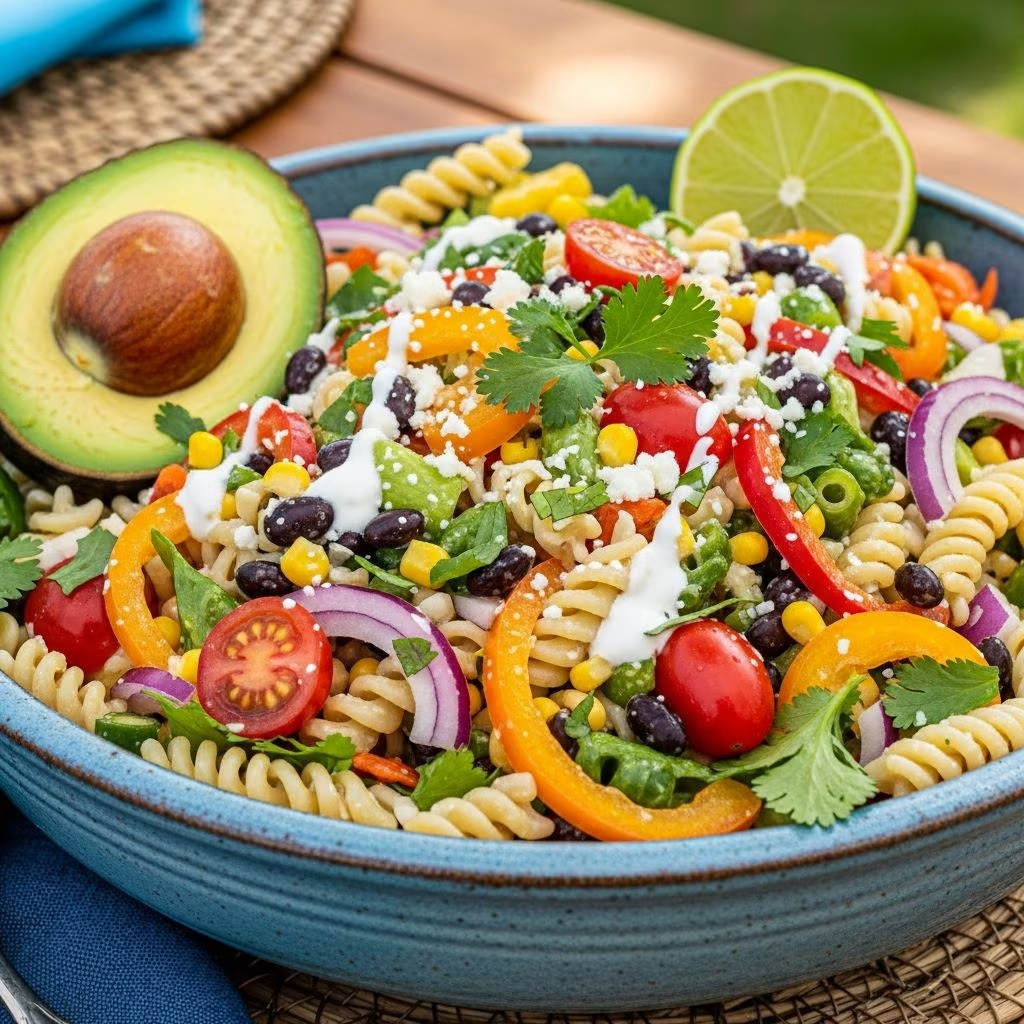
When warm weather arrives and social gatherings increase, home cooks often seek recipes that are both visually appealing and simple to prepare. A well-crafted pasta salad offers the perfect solution, combining convenience with impressive presentation. The Mexican fiesta version elevates this classic summer dish by incorporating bold Latin American flavors, vibrant vegetables, and a zesty dressing that transports diners straight to a tropical celebration.
This particular pasta salad variation has become a staple at barbecues, potlucks, and family reunions across North America. Its popularity stems from the perfect balance of fresh ingredients, manageable preparation time, and the ability to be made hours in advance, allowing flavors to meld beautifully before serving.
Understanding the Core Components of This Signature Dish
The foundation of any successful pasta salad lies in understanding how different components work together harmoniously. This Mexican-inspired version brings together elements from Southwestern cuisine with traditional Italian pasta preparations, creating a fusion that appeals to diverse palates.
The structural integrity of the dish depends on three primary categories: the starch base, the protein and vegetable components, and the dressing system that binds everything together while delivering flavor.
The Pasta Foundation
The pasta serves as more than just filler—it functions as a vehicle for absorbing and carrying the flavors throughout the dish. Most traditional recipes recommend using corkscrew-shaped pasta, commonly called rotini or fusilli. This shape is specifically chosen because the spiral design creates small pockets and crevices that trap dressing and small vegetable pieces, ensuring every bite carries maximum flavor.
The quantity typically used ranges from 8 to 10 ounces of dry pasta, which yields approximately 4 to 5 cups when cooked. Cooking the pasta to al dente—tender but still slightly firm—proves essential, as overcooked pasta becomes mushy and fails to maintain structural integrity when combined with wet ingredients and dressing.
The Protein Layer: Beans and Legumes
Black beans form the primary protein component of this dish, contributing both nutritional value and authentic Mexican flavor. Two standard 15-ounce cans of black beans, properly drained and rinsed, provide sufficient protein while maintaining the salad’s overall balance. The rinsing step removes excess sodium and starch that can make the salad appear overly wet or gelatinous.
Black beans deliver significant nutritional benefits beyond their role in this recipe. According to nutritional databases, black beans contain high levels of dietary fiber, promoting digestive health and sustained energy throughout the day. They also provide plant-based protein suitable for vegetarian diets, along with minerals including magnesium and manganese.
Fresh Vegetables and Aromatics
The vegetable selection creates the visual appeal and textural variety that makes this dish memorable. Corn contributes natural sweetness and a slightly crispy texture that contrasts beautifully with the softer beans and pasta. Fresh frozen corn works exceptionally well because it maintains better texture than canned varieties and requires only thawing before incorporation.
Cherry or grape tomatoes, cut into quarters or halves, introduce acidity and brightness. These smaller tomato varieties work better than standard slicing tomatoes because they contain less excess moisture, preventing the final dish from becoming watery. Fresh jalapeño peppers add heat and complexity, though their intensity varies depending on the individual pepper and how much of the internal membrane is retained.
Cilantro, the fresh herb that defines Southwestern and Mexican cuisine, brings an unmistakable aromatic quality that cannot be replicated by substitutes. The herb’s distinctive flavor profile—some describe it as fresh and citrusy, while others perceive subtle earthy notes—creates an authentic taste experience central to the dish’s identity.
Crafting the Perfect Lime Vinaigrette
The dressing represents the soul of this salad, transforming individual ingredients into a cohesive, flavorful composition. A proper lime vinaigrette balances acid, fat, and seasoning to create a dressing that enhances rather than overwhelms the fresh ingredients.
Essential Dressing Ingredients and Ratios
The traditional lime vinaigrette combines several key components in specific proportions:
- ½ cup extra-virgin olive oil or canola oil provides the fat component that carries fat-soluble flavors and creates a silky mouthfeel
- ⅔ cup freshly squeezed lime juice delivers the primary acid component that brightens all flavors and prevents the dish from tasting heavy
- 3 tablespoons red wine vinegar adds depth and additional acidity
- 2 cloves minced garlic contribute pungent, savory notes
- Salt and freshly ground black pepper balance and enhance all flavors
The ratio of oil to acid falls slightly lower than classical French vinaigrette proportions, intentionally creating a lighter, more refreshing dressing appropriate for warm weather dining and modern palates that prefer less heaviness.
Preparation and Emulsification
Proper vinaigrette preparation ensures even distribution and prevents separation. Combining all ingredients in a sealed container and shaking vigorously for 30 seconds creates temporary emulsification. This technique suspends oil particles within the acidic liquid, preventing immediate separation while allowing flavors to meld.
The dressing should be applied in stages—initially incorporating about two-thirds of the prepared vinaigrette into the mixed salad, then holding the remainder for final adjustment just before serving. This approach prevents the pasta and vegetables from becoming oversaturated, which could result in a soggy, unappetizing texture.
Step-by-Step Preparation Instructions
Creating this salad follows a logical sequence designed to minimize preparation time while ensuring maximum flavor development.
Initial Preparation Phase
Step One: Cook the Pasta Base
Begin by bringing a large pot of salted water to a rolling boil. Salt the water generously—it should taste pleasantly salty, similar to seawater. Add the pasta and cook according to package directions, typically 8 to 10 minutes depending on the pasta shape. The goal is al dente texture: fully cooked but maintaining slight resistance when bitten.
Drain the cooked pasta immediately and rinse it thoroughly with cool water. This rinsing step stops the cooking process and removes excess starch that would cause the pasta to stick together in an unappealing clump.
Step Two: Prepare Vegetables and Aromatics
While the pasta cooks, prepare all vegetable components. Thaw frozen corn by placing it in a colander and running cool water through it, then shake out excess moisture. Rinse and drain the black beans thoroughly. Wash fresh tomatoes, then quarter or halve them depending on size. Remove the stems from fresh cilantro and roughly chop the leaves. Prepare the jalapeños by removing the stem end, cutting the pepper in half lengthwise, and using a small spoon to scrape out the seeds and white membranes. Mince the cleaned pepper into small dice.
Step Three: Assemble the Dressing
Combine all dressing ingredients in a glass jar with a tight-fitting lid. Close the lid securely and shake vigorously for approximately 30 seconds. Let the jar sit for one minute, then shake again briefly before using. This creates a properly combined dressing while keeping the ingredients well-distributed.
Assembly and Flavor Development
Step Four: Combine All Components
Place the rinsed pasta and drained black beans in a very large mixing bowl—the bowl should be large enough to accommodate all ingredients plus some extra space for mixing. Add the thawed corn, prepared tomatoes, jalapeños, and cilantro to the bowl.
Pour approximately two-thirds of the prepared dressing over all ingredients. Using a large spoon or a silicone spatula, gently fold and combine all elements until evenly distributed and coated. Take care not to crush the beans or tomatoes through overly aggressive mixing.
Step Five: Refrigeration and Flavor Melding
Cover the assembled salad and refrigerate for a minimum of 2 hours, though allowing it to chill for several hours or even overnight produces superior flavor integration. During this time, the pasta gradually absorbs the dressing, the beans soften slightly, and all ingredients exchange flavors creating a more cohesive, unified taste.
Step Six: Final Adjustment and Service
Before serving, give the salad a gentle stir. The pasta may have absorbed most of the dressing, so drizzle the reserved remaining dressing over the top and fold it in gently. Taste the salad and adjust seasoning as needed—additional salt, lime juice, or fresh cilantro may be desired depending on personal preference and how flavors have developed during refrigeration.
Ingredient Variations and Customization Options
While the traditional recipe provides an excellent foundation, creative home cooks often customize this dish based on available ingredients, dietary preferences, or personal taste inclinations.
Protein Modifications
Beyond black beans, other legume varieties complement this salad beautifully. Pinto beans offer a slightly earthier flavor, while a combination of black and pinto beans provides textural variety. Some versions incorporate grilled chicken breast or seasoned ground turkey for additional protein, transforming the side dish into a more substantial main course suitable for light summer dinners.
Vegetable Substitutions
Red bell peppers can supplement or replace some jalapeño heat for those preferring milder spice levels while maintaining bright color and fresh flavor. Diced cucumber adds refreshing crispness and hydration. Sweet red onion provides sharp, pungent notes when used sparingly. Avocado chunks, added just before serving to prevent browning, create creamy richness appreciated in creamier variations of this dish.
Dressing Alternatives
While the lime vinaigrette remains classic, some preparations incorporate Greek yogurt or sour cream mixed with lime juice and spices to create a creamier dressing. This variation appeals to those preferring less acidic profiles or desiring additional richness. Others add cumin to the dressing for enhanced Southwestern authenticity, or include a small amount of hot sauce for amplified heat.
Nutritional Considerations and Health Benefits
This salad offers multiple nutritional advantages, particularly valuable for health-conscious diners or those following specific dietary patterns.
The combination of pasta, beans, and vegetables provides balanced macronutrients—carbohydrates from the pasta, protein from the beans, and minimal fat balanced by the healthful olive oil in the dressing. The high fiber content from beans and vegetables promotes digestive health and helps maintain stable blood sugar levels.
Fresh vegetables contribute essential vitamins and minerals. Tomatoes provide lycopene, a powerful antioxidant associated with cardiovascular health. Corn supplies lutein and zeaxanthin, compounds important for eye health. Cilantro contains trace minerals and compounds traditionally associated with detoxification benefits.
The lime juice and olive oil base aligns with Mediterranean and Southwestern dietary approaches increasingly recognized by nutritional science as supporting long-term health and wellness.
Serving Suggestions and Occasion Pairing
This versatile salad suits numerous entertaining scenarios and meal contexts. At outdoor barbecues, it complements grilled meats, vegetarian options, and seafood with equal success. The bright, fresh flavors and cool temperature provide refreshing contrast to hot grilled foods.
For potluck gatherings, the salad transports easily, maintains quality for several hours at room temperature (within food safety guidelines), and impresses crowds with its attractive presentation and distinctive flavor profile. The dish remains popular at picnics, family reunions, office gatherings, and casual dinner parties.
As a vegetarian or vegan main course when portioned generously, it satisfies without feeling heavy. The protein from beans combined with pasta carbohydrates creates a complete protein when combined mindfully.
Make-Ahead Planning and Storage Guidance
This recipe’s make-ahead friendliness represents one of its primary advantages for busy entertainers. Prepare all components the day before, keeping pasta, beans, and vegetables in separate containers. Mix the dressing and store it separately in a sealed jar. Combine all elements 2 to 4 hours before serving, allowing adequate time for flavor melding while preventing excessive dressing absorption that could occur overnight.
Properly stored in an airtight container, leftover salad maintains quality for 2 to 3 days in the refrigerator. The flavor actually improves during this time as ingredients continue exchanging flavors. Before serving leftovers, add a splash of fresh lime juice to refresh the taste profile and restore brightness that may have faded.
Frequently Asked Questions About Mexican Fiesta Pasta Salad
Can I prepare this salad the day before serving? Yes, with certain precautions. Prepare individual components separately and combine 3 to 4 hours before serving. Combining too early can result in an overly saturated, soggy texture, while combining too late prevents adequate flavor integration.
What’s the best way to prevent the salad from becoming watery? Thoroughly drain all canned ingredients, including beans and corn. Use fresh frozen corn rather than canned when possible. Avoid using large, watery tomatoes; stick with cherry or grape varieties. Store leftovers in containers with drainage holes if possible.
Can I substitute different types of pasta? Absolutely. While corkscrew pasta remains ideal, bow-tie, elbow, or small penne shapes all work well. Avoid very small pasta varieties that may disappear into the salad, or extremely large shapes that create textural inconsistency.
How can I reduce the spice level for heat-sensitive diners? Omit jalapeños entirely or use just one finely diced pepper. Remove all seeds and membranes, which contain concentrated capsaicinoids responsible for heat. Increase other aromatic ingredients like garlic, cilantro, and lime juice to maintain bold flavor despite reduced spice.
Is this recipe suitable for vegetarian or vegan diets? Yes, it’s naturally vegetarian. For vegan adaptation, verify the pasta contains no eggs, use only extra-virgin olive oil in the dressing, and omit any cheese additions that might appear in modified versions.
Conclusion: Creating a Mexican Fiesta Experience at Home
This pasta salad represents more than merely combining ingredients—it reflects the vibrant culinary traditions of Mexican and Southwestern cuisine while maintaining the practicality and ease that modern entertaining demands. By understanding how each component contributes to the whole and respecting the logical preparation sequence, home cooks can create a dish that consistently impresses guests while simplifying meal preparation.
The beautiful interplay of fresh vegetables, aromatic herbs, zesty dressing, and satisfying pasta creates an eating experience that transports diners to sun-drenched outdoor celebrations, making this recipe a perennial favorite for warm-weather entertaining.
References
- Black Beans: Nutritional Profile and Health Benefits — United States Department of Agriculture, Agricultural Research Service. 2024. https://fdc.nal.usda.gov
- Lycopene in Tomatoes and Cardiovascular Health — National Institutes of Health, National Center for Biotechnology Information. 2023-06-15. https://www.ncbi.nlm.nih.gov/pmc/articles/PMC10309208/
- Mediterranean and Southwestern Dietary Patterns: Health Outcomes — American Heart Association. 2024. https://www.heart.org
- Proper Food Storage and Safety Guidelines — United States Food and Drug Administration, Center for Food Safety and Applied Nutrition. 2024. https://www.fda.gov/food
- Cilantro Phytochemical Composition and Health Applications — PubMed Central, National Center for Biotechnology Information. 2022-03-18. https://www.ncbi.nlm.nih.gov/pmc/articles/PMC8931853/
- Carotenoids in Corn: Lutein and Zeaxanthin Content — Journal of Agricultural and Food Chemistry, American Chemical Society. 2023. https://pubs.acs.org