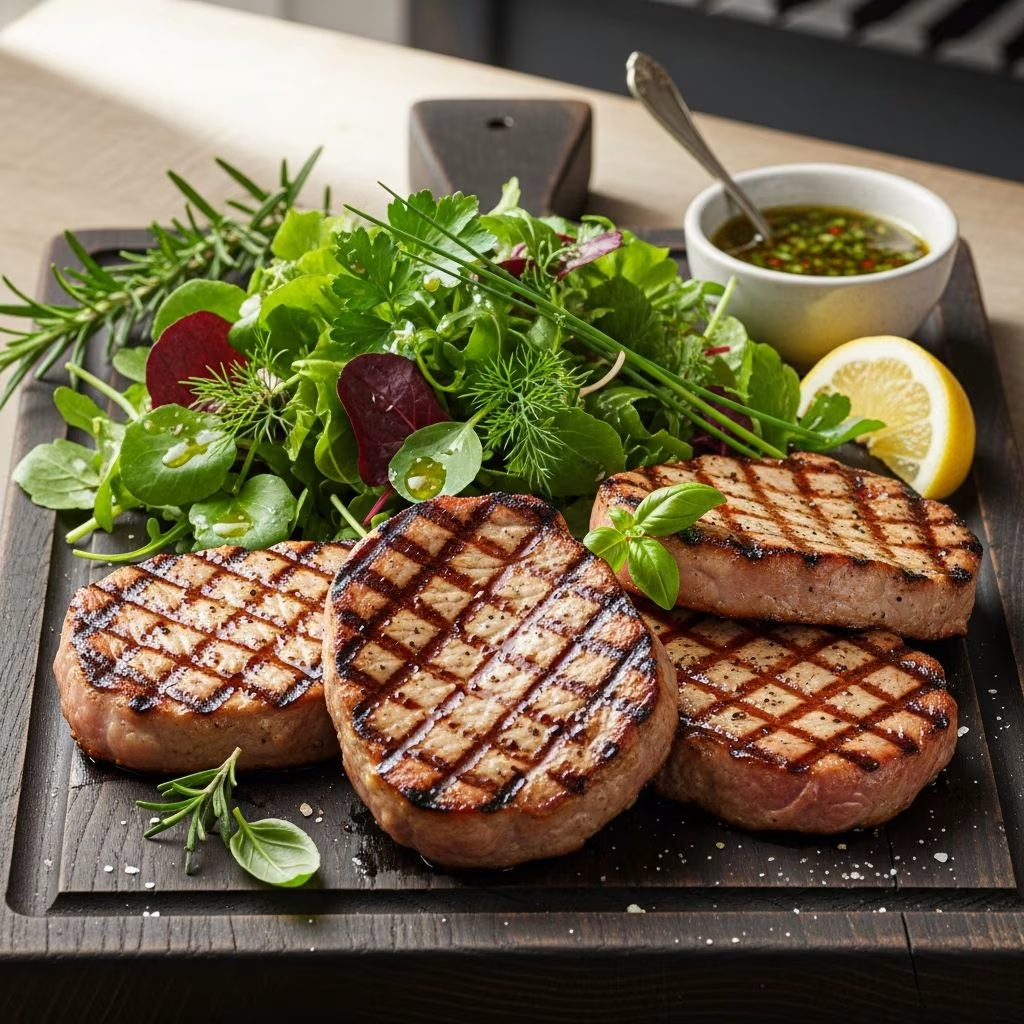
Pork shoulder is traditionally associated with slow-cooking methods such as braising and stewing, where its natural collagen transforms into gelatin over hours of gentle heat. However, this versatile cut possesses remarkable potential when treated with a completely different approach. By slicing the shoulder into thin steaks and subjecting them to high-heat grilling, you unlock a textural contrast that is both surprising and delightful. The exterior develops a caramelized crust while the interior maintains a tender, juicy center. Paired with a vibrant herb salad that balances richness with brightness, this dish elevates weeknight dining to something truly special.
Understanding Pork Shoulder as a Grillable Cut
Many home cooks overlook pork shoulder when planning their grilling menu, automatically reaching for traditional cuts like tenderloin or chops. Yet when properly prepared, shoulder steaks deliver exceptional flavor and texture. The key lies in understanding the cut’s composition and selecting the right thickness. Pork shoulder contains generous amounts of intramuscular fat, which renders during cooking and bastes the meat from within. This fat content prevents the meat from drying out even under intense heat, provided you don’t exceed a medium doneness level.
Slicing the shoulder into quarter-inch steaks creates the ideal thickness for quick grilling. This measurement ensures that the exterior can develop a flavorful char before the interior overcooks. Thicker cuts would require prolonged cooking, risking tough, overcooked meat. Thinner slices would cook too quickly, potentially burning the surface before the interior reaches the target temperature of 60°C (140°F), which corresponds to medium-rare doneness.
Crafting the Marinade Foundation
The success of this preparation depends significantly on the marinade, which serves dual purposes: it infuses the meat with flavor while also tenderizing it through the action of acidic components. Fish sauce, a cornerstone of Southeast Asian cuisine, provides umami depth and saltiness that enhances the natural pork flavor. Lime juice contributes acidity and brightness, cutting through the richness of the meat. These two ingredients work in concert with brown sugar to create a complex flavor profile that balances salty, sour, and sweet elements.
The aromatics—shallots and garlic—are blended into the marinade rather than being used whole. This technique distributes them evenly throughout the liquid, ensuring consistent flavor penetration. When shallots and garlic are minced finely and blended, their volatile compounds release more completely, intensifying their impact on the finished dish. The brown sugar not only provides sweetness but also aids in caramelization during grilling, contributing to crust development and visual appeal.
Marinade Ingredient Breakdown
- Fish sauce: Provides umami depth, saltiness, and enzymatic compounds that tenderize protein
- Fresh lime juice: Adds acidity, brightness, and acts as a tenderizing agent
- Brown sugar: Contributes sweetness, aids in caramelization, and balances savory elements
- Shallots: Deliver mild onion flavor with subtle sweetness when blended smoothly
- Garlic: Adds pungent, complex aromatic notes that deepen during cooking
Preparing the Meat for Maximum Impact
Before introducing the steaks to the marinade, light seasoning with kosher salt is advisable. This step might seem contradictory since fish sauce already provides salt, but measured salting at this stage allows better control over final seasoning. You can always add more salt to the herb salad later, but removing excess salt from the meat is impossible. The kosher salt crystals also begin drawing moisture to the surface, which will eventually enhance browning on the grill.
The actual marinating process offers flexibility depending on your schedule. At room temperature for one hour, the marinade imparts notable flavor while maintaining the meat’s tender texture. For those who prefer planning ahead, refrigeration up to twelve hours deepens the flavor infusion without making the meat mushy or over-processed. The extended cold marinating allows the acidic components to work more gently but thoroughly. If choosing the longer marination route, remember to remove the meat from refrigeration approximately fifteen minutes before grilling to allow the interior to reach closer to room temperature, which promotes more even cooking.
The Grilling Technique and Temperature Control
Achieving the perfect result on the grill requires attention to heat management and timing. Preheating the grill to high temperature is essential—this ensures the meat makes immediate contact with intense heat, triggering the Maillard reaction that creates flavorful browning. The high heat also minimizes the risk of the meat sticking to the grates, as a proper sear allows for easier movement.
During grilling, frequent turning every one to two minutes might seem excessive compared to traditional steak-cooking methods, but it serves a purpose. With thin steaks, rapid turning prevents any one side from charring excessively while allowing even cooking throughout. The entire process typically requires seven to nine minutes from grill grates to finishing board. Using an instant-read thermometer inserted into the thickest portion of the meat removes guesswork about doneness. Targeting 60°C yields medium-rare meat that remains juicy with a slight pink center, though personal preference can guide you toward medium (63°C) if desired.
Grilling Best Practices
| Factor | Recommendation | Reason |
|---|---|---|
| Grill Temperature | High heat (450°F+) | Rapid searing develops crust and locks in juices |
| Turning Frequency | Every 1-2 minutes | Prevents burning and ensures even cooking of thin steaks |
| Doneness Target | 60°C internal temperature | Achieves medium-rare with optimal juiciness |
| Rest Duration | Minimum 5 minutes | Allows juices to redistribute throughout the meat |
After removing the steaks from the grill, allowing them to rest is non-negotiable. During cooking, muscle fibers contract and squeeze moisture toward the center. Resting permits these fibers to relax slightly, redistributing moisture more evenly throughout the meat. Slicing immediately after grilling causes accumulated juices to run onto the plate rather than remaining within the meat, resulting in drier, less flavorful bites. Five minutes minimum is acceptable, though ten minutes provides even better results if time permits.
Building the Herb Salad Component
While the meat rests, preparing the herb salad completes the dish. This component provides essential contrast to the richness and intensity of the grilled pork. The salad begins with a quick dressing made from the remaining marinade components, enhanced with fresh Thai or other chiles. The heat from these chiles adds complexity and prevents the salad from tasting one-dimensional.
The herb selection is crucial and offers opportunity for personalization. Thai basil provides an anise-like note that distinguishes it from sweet Italian basil. Cilantro contributes bright, citrusy notes. Dill adds an herbaceous freshness with subtle licorice undertones. Using a combination ensures a complex herbal profile that complements rather than overwhelms the grilled pork. Fresh tender stems of cilantro should be included along with leaves, as they offer concentrated flavor. The quantity of herbs might seem generous, but remember that fresh herbs reduce significantly when wet—the dressing and shallot moisture will eventually wilt them slightly, intensifying their impact.
Thinly sliced red or green Thai chiles bring heat and vibrancy to the salad. These slender chiles pack more punch than jalapeños, so moderate your quantity based on heat tolerance. The seeds and white membranes contain the most capsaicin, so removing them will reduce heat if needed.
Herb Salad Component Options
- Thai basil: Anise-forward notes, traditional in Southeast Asian preparations
- Cilantro: Bright, citrusy character that many find addictive
- Dill: Subtle licorice notes, pairs well with fish sauce
- Mint: Cooling effect, adds lightness and aromatic lift
- Parsley: Milder herbal profile for those seeking less intensity
Assembly and Serving Suggestions
The final plating brings together all components in a harmonious composition. Arrange the sliced pork on a serving platter, allowing the beautiful charred exterior to showcase your grilling skill. Scatter the herb salad generously over the meat, allowing its vibrant colors to provide visual contrast. The dressing clinging to the herbs will naturally distribute some moisture back onto the pork, keeping it succulent even as it cools slightly.
This dish pairs beautifully with simple starches that won’t compete with its bold flavors. Steamed jasmine rice provides neutral comfort. Rice noodles offer a more elegant option, especially if tossed with a small portion of the dressing. For lighter preferences, simple cucumber slices or additional fresh greens can round out the plate. Grilled vegetables like zucchini or eggplant complement the dish while requiring minimal additional preparation.
Nutritional Considerations and Protein Content
Pork shoulder steaks provide substantial protein, making this dish appropriate for those seeking high-protein meal options. A three-ounce serving of cooked pork contains approximately twenty-six grams of protein, along with important minerals like selenium and B vitamins. The herb salad adds negligible calories while contributing vital micronutrients and beneficial plant compounds. The modest oil content in the dressing provides fat-soluble vitamin absorption capability while keeping the overall dish relatively balanced nutritionally.
Flavor Profile and Taste Expectations
Diners should anticipate a complex interplay of flavors. Initial contact brings the charred, umami-forward pork with its crispy exterior and tender interior. The herb salad introduces brightness and herbal notes that evolve as you chew, lifting the richness of the meat. The dressing’s fish sauce base provides a fermented depth that sophisticated palates recognize as sophisticated seasoning rather than dominating the overall experience. The lime juice’s acidity refreshes the palate between bites, while subtle sweetness from the brown sugar lingers pleasantly in the finish.
Equipment Considerations
A properly functioning grill is essential, but options extend beyond traditional charcoal or gas models. While wood-fired grills impart distinctive smoky notes, gas grills offer temperature control advantages. Even cast-iron skillets heated until smoking-hot on the stovetop can successfully replicate the grilling technique indoors, making this recipe accessible year-round regardless of weather or dwelling type.
Frequently Asked Questions
Can this dish be prepared in advance?
The marinade can be prepared up to two days ahead and refrigerated. Marinating the steaks overnight is acceptable and actually beneficial for flavor development. However, grill the steaks fresh to order for optimal texture and temperature.
What if I cannot find fish sauce?
While traditional, fish sauce can be replaced with soy sauce or tamari in equal quantities, though the resulting flavor will shift slightly. The umami depth will remain but lose the distinctive fermented quality that fish sauce provides.
How should leftovers be stored?
Sliced pork keeps refrigerated for three days in an airtight container. Rewarm gently to prevent toughening. The herb salad is best prepared fresh, though components can be prepped ahead and combined just before serving.
Can beef steaks be substituted for pork?
Yes, though cooking times may require adjustment depending on thickness and desired doneness. Flank steak or skirt steak work particularly well with this marinade and herb accompaniment.
References
- Nutritional Data for Pork Shoulder — United States Department of Agriculture, Food Data Central. 2024. https://fdc.nal.usda.gov/
- Fish Sauce and Umami Compounds in Fermented Foods — Journal of Food Science and Technology, Springer Publishing. 2023. https://link.springer.com/journal/13197
- Maillard Reaction in Meat Cooking — Institute of Food Technologists. 2022. https://www.ift.org/
- Safe Food Handling and Internal Temperature Guidelines — United States Department of Agriculture Food Safety and Inspection Service. 2024. https://www.fsis.usda.gov/
- Herb Flavor Compounds and Culinary Application — Flavour Journal, BioMed Central. 2023. https://flavourjournal.biomedcentral.com/